Surgery · Nose base
Nostril width, read from the base view
Gangnam, Seoul | Board-certified plastic surgeon, Dr. Jonghwan Choi
KHIDI-registered for international patients · Apgujeong Rewind
Alarplasty
The short answer
Alarplasty narrows the alar base: the flared side walls of the nostrils and the fleshy rim around them. Rewind carries it out two ways. The incisional method opens the inner floor of the nostril, takes out the alar tissue making the base wide, trims the excess skin and closes along the line where the ala meets the cheek. The non-incisional method passes a special thread through a small needle puncture on the outer wall of each nostril and draws it in, pulling the width of the alae and the width of the columella together in one movement. Neither version touches the bridge.
Source: Rewind's Korean surgical page for alar reduction. That page does not state which anaesthesia is used, how long the operation runs, the day the stitches come out, or how many days swelling lasts, so none of those appear here. List prices come from the clinic's own price sheet.
The clinic publishes the measurement its design is argued from. Seen from the front, the face divides into fifths and the alar width should occupy one of them, lining up with the inner and outer corners of the eye and reading close to the distance between the two eyes. Seen from below, the nostrils should approach an equilateral triangle, with nostril length reading as roughly two thirds of the length of the nose. Those figures are why the amount of tissue taken away is small, and why it is measured on your own face before anything is cut.
Before & After
An alar reduction is judged in two views that clinics rarely publish together: straight on, where the base either sits inside its fifth of the face or spills past it, and from below, where the two nostril openings can be compared with each other. Rewind has not released a nostril case for this page, so the four frames stay empty until it does.
Not one of these four frames contains a photograph. When the clinic releases alar cases, every caption will list each operation that patient had in the same session, since a narrower base often arrives alongside work on the tip and the result belongs to both. Individual results may vary. Bleeding, swelling, bruising, asymmetry between the two sides, altered sensation and scarring remain possible after this operation, and the doctor's examination precedes every decision.
Four presentations
The clinic names four presentations it operates on. They are worth reading before a price list, because three of the four tend to bring a second listed item with them and one does not.
Two routes
Rewind publishes both methods as three steps each, and they are genuinely different operations that happen to share a goal. What follows is the clinic's own sequence, in the clinic's own order.
The design fixes where the alar wall should sit: inside one fifth of the facial width, aligned with the corners of the eye, with the base view checked against the near-equilateral nostril triangle the clinic publishes. Skin thickness and the degree of asymmetry are recorded at the same examination, and those two findings decide which route follows.
The clinic's first published step is an incision on the inner side of the nostril floor, through which the alar tissue making the base wide is removed. Because that approach reaches the floor of the nostril, it is also the route that allows the size of the nostril opening itself to be adjusted.
Step two removes the leftover skin and closes it precisely along the line the ala makes against the cheek. The clinic's stated reason for those two positions, inside the nostril and in the crease, is that a scar sitting there is difficult to see. It remains a scar, and how it settles varies between individuals.
A small needle puncture is made on the outer wall of each nostril and a special thread is passed through to both sides. Drawing that thread in reduces alar width and columellar width at once, which is the one thing this route does that the incisional one does not. Rewind describes recovery from it as quicker without publishing a figure.
Rewind attaches the incisional route to alae that are very wide or covered by thick skin, and to cases where the nostril opening needs changing. The thread route is attached to cases where alar and columellar width are both at issue and less tissue has to go. Neither is presented here as the superior one, because the finding decides it.

Why here
The alar base is the smallest surgical field on the face and the least forgiving one. Two or three millimetres decide whether a nose reads refined or pinched, and that difference is invisible to anyone who has not measured the face it belongs to. Rewind is a one-surgeon practice, so whoever takes the measurement is whoever holds the instrument.
Dr. Choi works from the published proportions and from the nose in front of him. If your base already sits inside its fifth and the width you dislike is coming from the tip or from the platform beneath it, that is said at the chair and the alar listing comes off the plan.
A clinic holding one method will fit every nose to it. Rewind keeps the incisional reduction and the thread cinching side by side and prices them separately, which means thick alar skin and a wide columella lead to different plans and different quotes.
An alar scar goes on changing for months once the stitches are gone. The surgeon who placed it reviews it at every visit, correspondence with overseas patients runs in their own language from the first enquiry onward, and the clinic holds KHIDI registration for foreign patients under Reg. M-2025-01-08-09288.
In the operating room

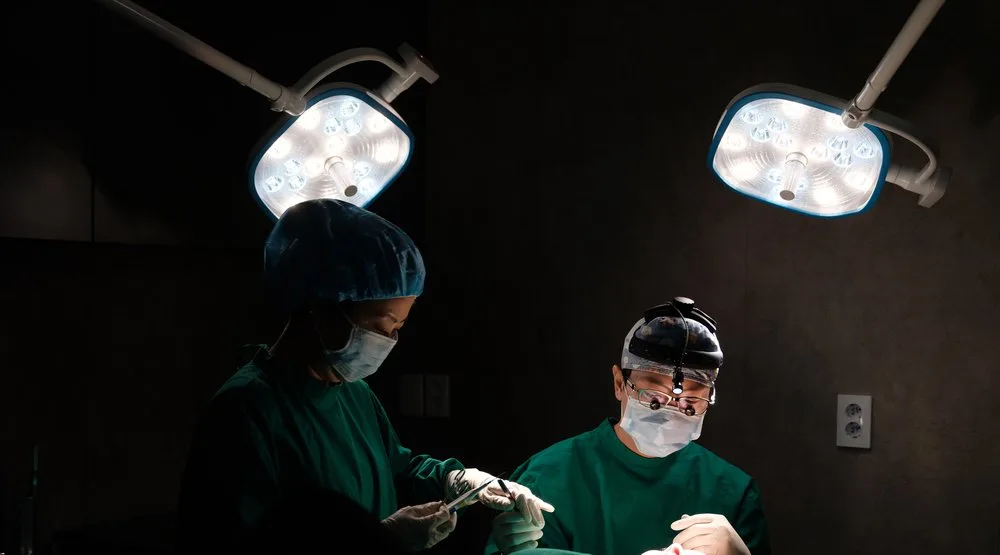
Fig. 04 — The operating room, on the fourth and fifth floors of the Richro Building

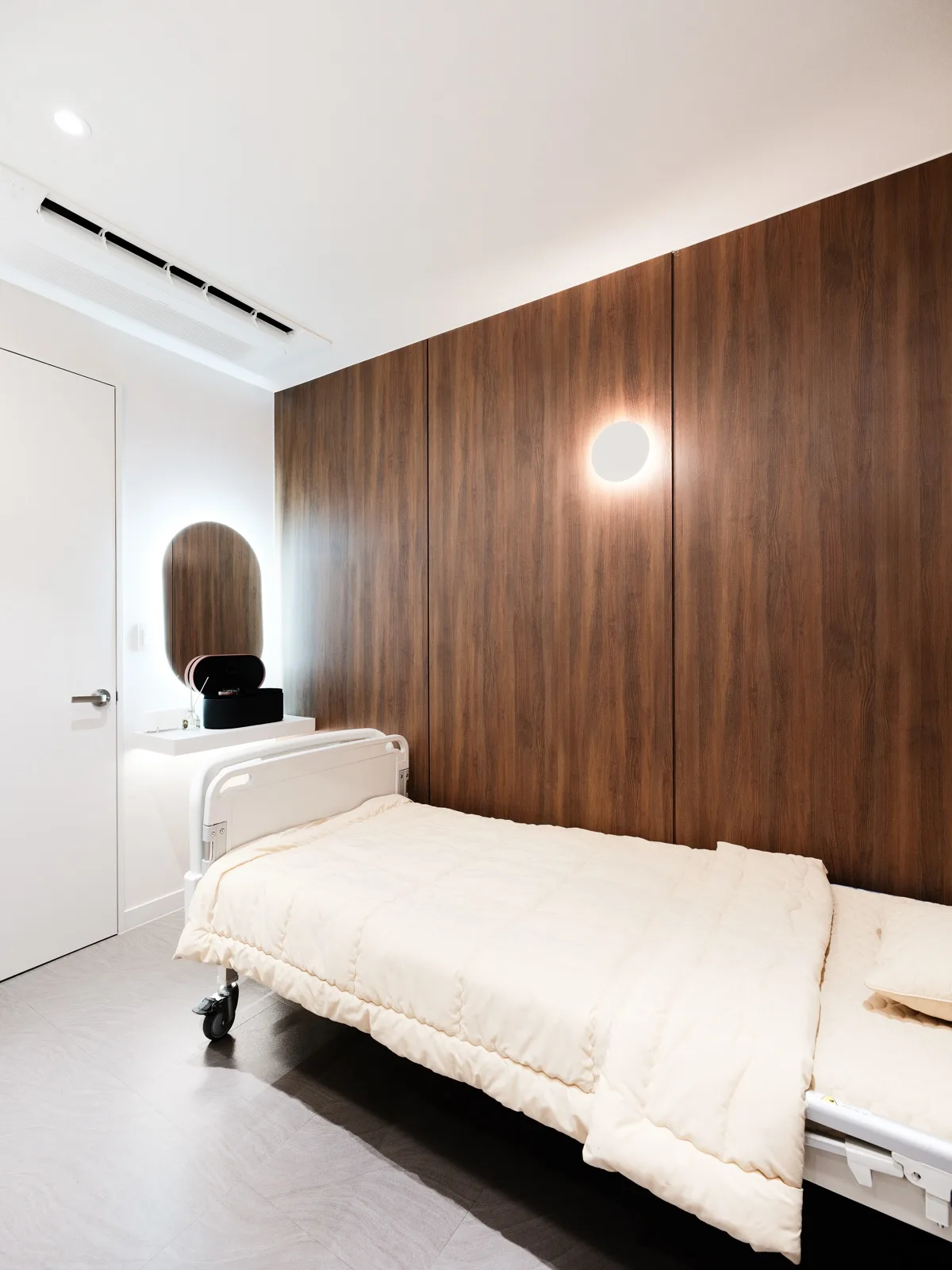
Fig. 05 — A rest room, where patients settle before leaving
Rewind occupies two floors in Apgujeong and runs as a single-surgeon clinic: the examination, the measurement, the operation and every follow-up visit sit with the medical director. Scheduling is by appointment only, with consultation hours Monday, Tuesday, Wednesday and Friday from 10:00 to 19:00 and on Saturday from 10:00 to 16:00.
Board-certified plastic surgeon
Dr. Jonghwan Choi carries out every alar reduction here. He is certified by the Korean board in plastic surgery, operates alone in this clinic, and treats international patients under the clinic's KHIDI registration, Reg. M-2025-01-08-09288.
Pricing
Every correction at the base of the nose carries its own listing here, so a quote is the sum of the lines your examination called for. Below are the clinic's list prices for a first operation.
These are list prices with VAT excluded, and the anaesthetic fee already sits inside each figure. Where an alar reduction is planned alongside bridge or tip surgery, both appear as their own lines and the total is written out before a date is held. A nose that has already been operated on is quoted from the clinic's separate revision rates, which run above the first-operation figures shown here.
Suitability
Recovery
The clinic's notes for this operation are about leaving the nose alone while a small, tightly closed wound settles. The four below carry enough detail to build travel dates around, and they appear here as Rewind wrote them.
Any surgical procedure carries risk. For an alar reduction the named ones are bleeding, infection, prolonged swelling, asymmetry between the two sides, altered sensation around the nostril, a scar in the crease that stays visible, and a small step or notch at the rim where tissue was taken. Where a thread has been used, the clinic publishes no figure for how long the narrowing holds. Outcomes vary from person to person and cannot be promised. Every earlier operation on your nose, and every medicine you take daily, belongs in the consultation record before a surgical date is held.
Every alar reduction in this clinic belongs to a single board-certified plastic surgeon, from the first measurement through to the last scar check. A base narrowed by three millimetres is not a decision that can be handed over, and the line it leaves is watched by whoever placed it.
Rewind,
Rewind's Doctor
Dr. Jonghwan Choi Medical Director
The base of the nose is where
a face settles its own width.
A board-certified plastic surgeon in plastic surgery, with ten peer-reviewed papers indexed under his name and published work reaching into craniofacial and nasal reconstruction.
Google Reviews
"Sample review card — at launch this section pulls the clinic's real Google reviews automatically, shown verbatim with the reviewer's initial and posting date."
"Sample review card — reviews are never written or edited by the clinic; only what patients posted on Google appears here."
"Sample review card — a 'See all reviews on Google' link takes visitors to the clinic's Business Profile."
Questions
Reservation
Tell us which part of the nose base bothers you in photographs and we reply within one business day, in your language.
Scientific evidence
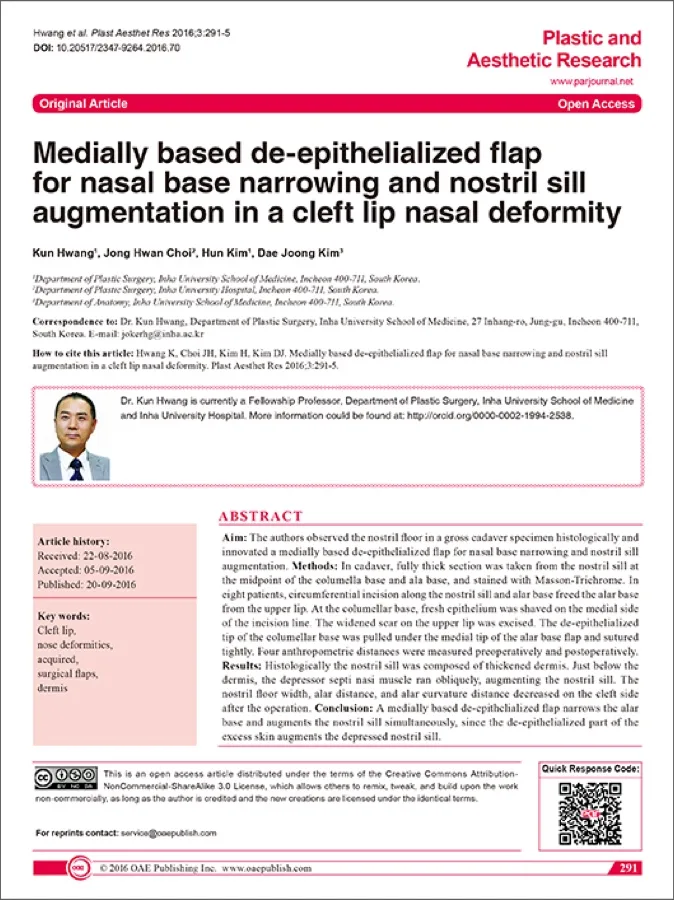
Two of these papers are about the alar base itself: one reviews how the base is reduced, the other reports across 35 years how visible the resulting scars were under three techniques. The other two deal with tip support and projection, the part of the nose an alar base is usually judged alongside. None of them studies Rewind Plastic Surgery, none predicts an individual outcome, and the techniques and settings described belong to each study.