Non-Surgical · Injectable Skin Boosters
One category, several materials, and how the choice is made
Gangnam, Seoul | Board-certified plastic surgeon, Dr. Jonghwan Choi
KHIDI-registered for international patients · Apgujeong Rewind
Skin boosters
The short answer
A skin booster is an injection placed into the dermis to change the condition of the skin itself, leaving the outline of the face alone. Rewind describes the group as putting hydration, collagen-related and regenerative material into the deep skin so that moisture, firmness and texture improve together, and frames the target as the internal environment of the skin. The word names a category, and the products inside it are made of different things.
This page routes. It says what each material in the category does, who each one is generally chosen for, and what it costs at this clinic, so that an enquiry arrives with a question the doctor can actually answer. It does not print a session count, an interval or an appointment length for the group, because the clinic publishes none, and a number invented here would follow you into the consultation room as a false expectation.
Most people arrive at the category through one product name they saw somewhere. That is a reasonable way in and a poor way to choose, because the four kinds of material grouped under the word behave on different timescales. One works on repair signalling in the dermis. One asks the tissue to lay down collagen over weeks. One replaces structural matrix proteins. One is closer to water held in place. Being told which of those four your skin needs is the whole value of a consultation.
The list held here covers all four, and three of the products on it carry Rewind pages of their own. What this page adds is the comparison between them and the vials that have no page anywhere: the acellular-matrix line, the small hydration vials given alongside a light toxin dose, and the combination sessions run with radiofrequency microneedling. Those exist on the clinic's rate sheet and nowhere else on this site.
Indications
The injection goes into the dermis across the treated field, most often the cheeks and mid-face, with the thin skin of the under-eye reserved for the lines formulated for it. Rewind's own description of who the category is for is short, and it is worth reading in the clinic's own order because it is a description of complaints, not of products.
Two things sit outside this list. A booster is not an answer to tissue that has descended, and no amount of it will change a jaw line that has lost its outline; that conversation belongs to lifting. It also does not treat pigment, which has its own device and its own page. Bringing the wrong complaint to the injectable list wastes a visit and a vial.
Mechanism
The categories below are the working divisions on the clinic's own shelf. Knowing which one you are being offered tells you when to expect a change and how to judge it, and those two things are where most disappointment with injectable skin treatment actually starts.
The polynucleotide vials are held here in a facial line and a dedicated under-eye line. What goes in is a fragmented nucleotide preparation that acts on the dermis as a signal to repair, and the complaint it is usually chosen for is skin quality in an area too thin for anything with body to it. It has its own page on this site.
Three products at Rewind sit in this family. Two are poly-L-lactic acid preparations, sold by the vial and given as a series. One is a hybrid whose polylactic-acid particles are carried in hyaluronic acid, and that carrier is what lets it be placed where surface quality is the complaint. Everything in this group is judged months after the appointment, never on the day.
The Re2O vial is an extracellular-matrix booster derived from human acellular dermal matrix. The clinic lists what the matrix contains: collagen, elastin, fibronectin, laminin, tenascin, growth factors and MMPs, described as the protein set that supports skin cells and holds tissue structure. It is the line the clinic names for rough, dry skin and for pore-driven texture complaints.
The rate sheet also carries short hydration vials, two of which are quoted together with a light butterfly-zone dose of botulinum toxin, and two combination sessions that pair a booster vial with radiofrequency microneedling. These are single-visit items priced as a set, and they are the part of the list patients almost never find on their own.

Judgement
A clinic that carries a dozen injectable lines can sell any of them to anyone who walks in asking for skin. What stops that from happening is a diagnosis made before a product is named, and a willingness to put the visit off when the complaint belongs somewhere else entirely.
Patients arrive naming a brand they read about. The examination starts from the skin: how thin it has become, whether the dullness is texture or pigment, whether the hollow being pointed at is volume loss or shadow. A request for a specific vial is treated as information about what the patient has been reading, and the plan is built from the face.
Stacking two booster classes in the same course makes it impossible to say which one did anything, and it makes any adverse reaction harder to attribute. Where a combination is used it is the one the rate sheet already defines as a set. Otherwise the plan runs one line through to its review before another is considered.
Dr. Choi operates on descended tissue and injects skin, which means a patient whose real complaint is a jaw line can be told so at the first visit. That answer costs the clinic a vial sale. It is also the only answer worth paying a consultation fee for, and it is easier to give when the same person carries both halves of the practice.
On the day

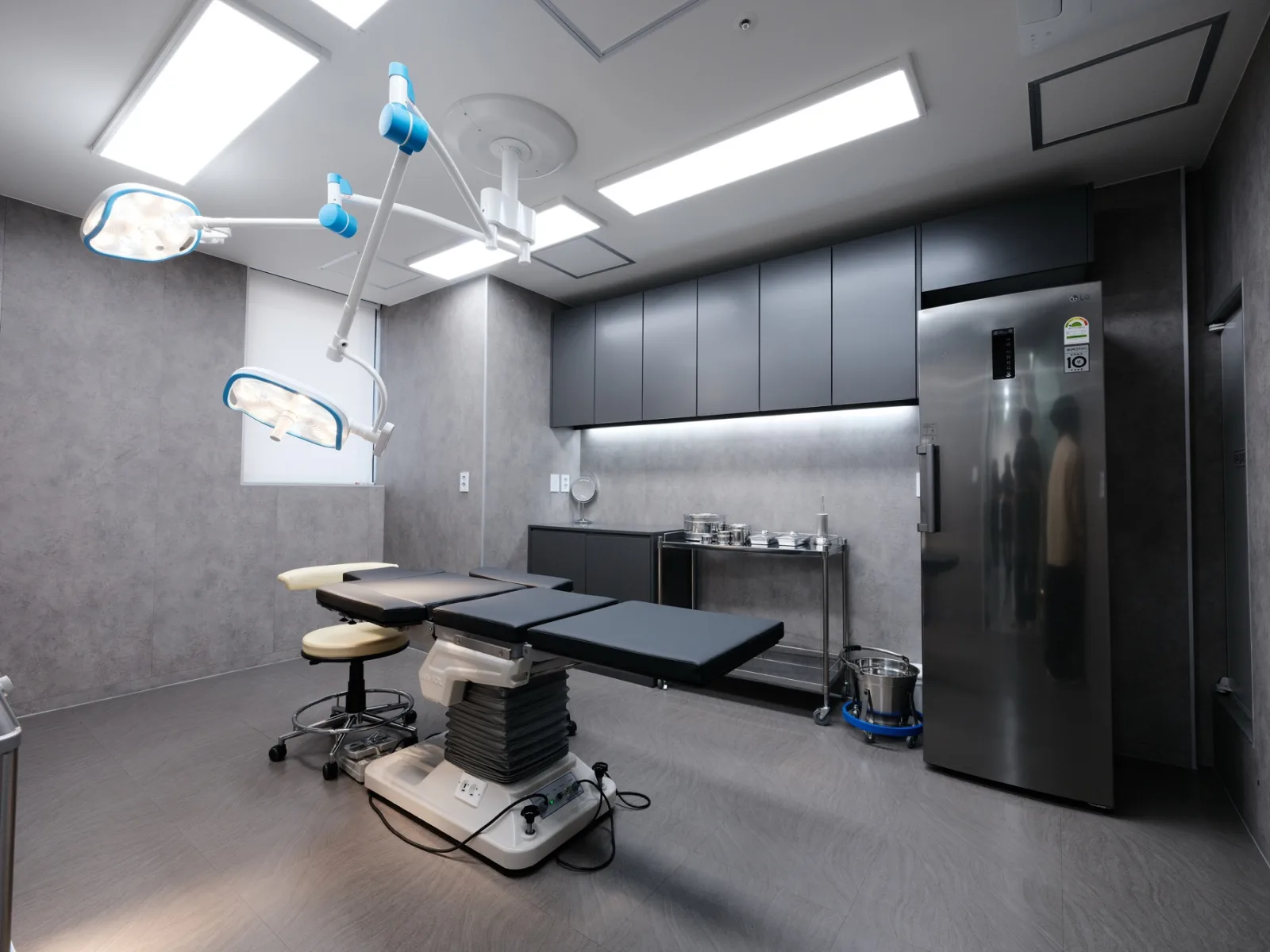
Fig. 04 — Treatment floor, Richro Building, Gangnam

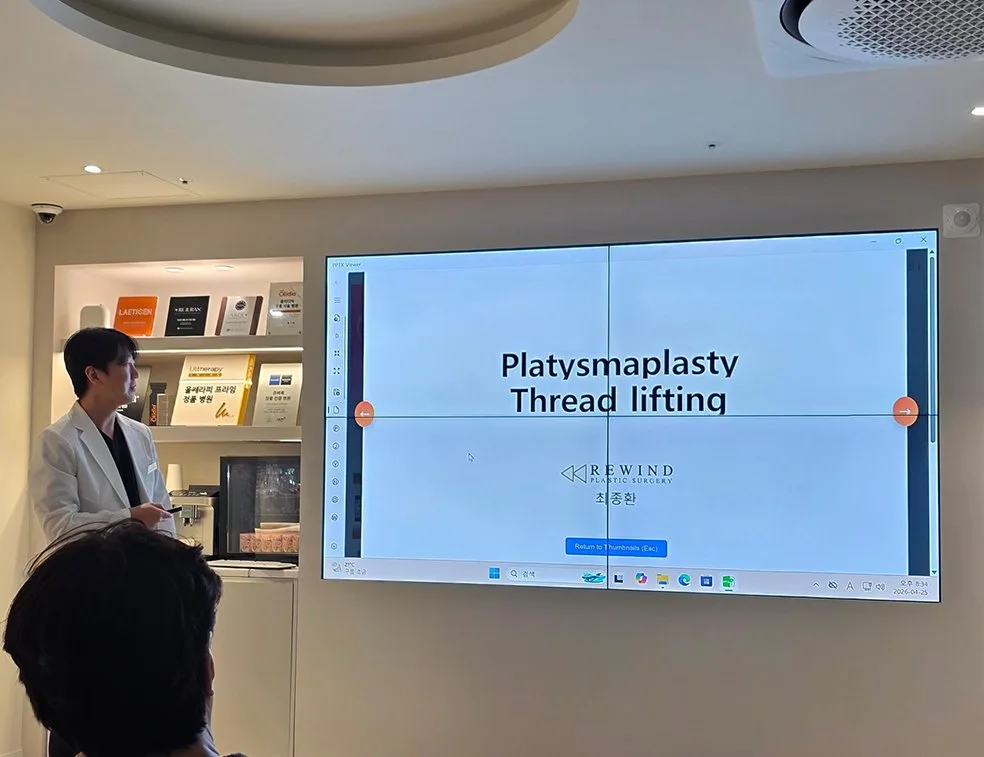
Fig. 05 — Where patients sit before and after a short injectable visit
The consultation comes first, and the class is settled there. Say yes when the vial is shown to you, and say so if it is not: watching the seal break is the single verification available to a patient that what enters the syringe matches the line on the quote. The request is routine here and nobody is put out by it. Sessions are booked into the clinic's own rooms on the fourth and fifth floors of the Richro Building in Gangnam, Seoul, which open Monday, Tuesday, Wednesday and Friday from 10:00 to 19:00 and Saturday from 10:00 to 16:00.
What this page leaves out is deliberate. Promotional artwork for these products carries effect badges and approval marks that no patient can verify, and reprinting them in English would lend them authority they have not earned. Product identity, composition where the clinic records it, and the published skin-ageing literature behind the category are reproduced here; the rest waits until someone has looked at your skin.
Case photography
The case library Rewind has released is surgical. For the injectable list there is nothing yet that belongs to this clinic and its own patients, so the frames below are empty and stay that way. A category page is the easiest place in the world to borrow a convincing pair of photographs from, which is exactly why it should not happen here.
Skin quality is the hardest thing in aesthetics to photograph fairly. Distance, exposure and base makeup move the picture further than most injections do, and a category as broad as this one could be illustrated with a flattering pair from any product in it. When Rewind publishes booster pairs they will be its own patients, shot at matched distance and light on both dates, with the product named on the card, consent on file and the weeks between the frames written down. No specific outcome can be promised from anyone's photographs, and individual results may vary.
Pricing
The six lines below are the clinic's current rates, set side by side because a patient weighing up the category deserves the whole shelf in one view. Two of them are combination items the rate sheet defines as a single visit, and their price covers both halves of that visit.
None of the six rates has VAT inside it; the tax is added at the desk, so what you settle runs above what this page prints. Any numbing preparation used during the visit is already counted in the rate. Two further items on the clinic's sheet, a matrix vial run with radiofrequency microneedling and an acne-directed booster run the same way, are quoted at consultation because the composition of the session changes with the skin; they are not listed here with an invented number.
Suitability
Recovery
Downtime across this category is short and the instructions are specific. Rewind's own aftercare note is brief enough to quote in full, and the parts of it that people ignore are the parts that decide whether the first two days look tidy.
Any injection into facial skin carries real risk and the list is worth reading before you book rather than afterwards. Bruising, swelling, redness and tenderness at the puncture sites are common in the first days. Small lumps can be felt while a vial disperses, and the stimulator materials in this category are followed specifically for firm papules and late nodules, so depth and volume belong to the surgeon. Infection and vascular occlusion are rare and serious. Increasing pain, blanching or discolouration of the skin, or any vision change should be reported to the clinic immediately without waiting for the review appointment.
At Rewind, one board-certified plastic surgeon carries every case — from the first consultation to the final follow-up. Because a face is a story, and a story deserves a single author.
Rewind,
Rewind's Doctor
Dr. Jonghwan Choi Medical Director
One surgeon, from the first
consultation to the last follow-up.
A board-certified plastic surgeon devoted to anti-aging lifting — with the precision and restraint built through years of craniofacial practice.
Google Reviews
"Sample review card — at launch this section pulls the clinic's real Google reviews automatically, shown verbatim with the reviewer's initial and posting date."
"Sample review card — reviews are never written or edited by the clinic; only what patients posted on Google appears here."
"Sample review card — a 'See all reviews on Google' link takes visitors to the clinic's Business Profile."
Questions
Reservation
Tell us what you are considering — we reply within one business day, in your language.
Scientific evidence
Every product listed above aims at one thing, and these five papers describe it: what becomes of dermal collagen and the matrix around it with age, how skin thickness and mechanical behaviour shift over a lifetime, and what an extracellular matrix is made of and what it holds together. None of the work was carried out at Rewind Plastic Surgery or on patients treated here, none of it was funded by this clinic, and none of it forecasts what a particular vial will do to your own skin.