Non-Surgical · PLLA Collagen Stimulator
A poly-L-lactic acid collagen stimulator, held in three strengths
Gangnam, Seoul | Board-certified plastic surgeon, Dr. Jonghwan Choi
KHIDI-registered for international patients · Apgujeong Rewind
Olidia
The short answer
Olidia is a Korean collagen stimulator whose active ingredient is poly-L-lactic acid. Its own packaging describes it as a sterile absorbable poly-L-lactic acid dermal filler, and Rewind stocks it in three strengths written on the vial as 120, 240 and 365. Those numbers are milligrams of PLLA, so they describe how much stimulator material a single vial carries and nothing else.
Read from Rewind's own Korean material for this product: a topical anaesthetic cream is applied beforehand and there is no suture to remove. That material states no duration and no session count, so neither appears here. Both are settled with the doctor once your skin has been examined.
The brand is young enough that many international patients meet the name for the first time in a Korean consultation room. That is why the category matters more than the label: this is a PLLA collagen stimulator of the same broad family as the older imported products, and knowing the family tells you what to expect far better than the brand does. It asks your dermis to build over weeks. It does not deliver a contour on the day.
Three components are printed on the product material held at the clinic: PLLA microspheres, carboxymethyl cellulose and mannitol. The microspheres are the working part, the biodegradable particles the collagen response forms around. The manufacturer's descriptions of the other two are promotional copy this page does not translate, because the claims attached to them cannot be verified from the literature, and reprinting them in English would quietly turn marketing into evidence.
Indications
Rewind's Korean page lists five reasons patients ask for this product: elasticity and volume wanted together, a result that holds for a while, texture and fine lines improved at the same time, hollowing at the front of the cheek or along the nasolabial fold, and a dislike of the firm, obvious quality that filler can leave behind. Those five collapse into four working zones once the doctor is looking at an actual face.
Volume is planned by field, and the clinic's own event material shows the usual steps: a single millilitre for one small area, roughly four for the butterfly zone across both cheeks, and around eight when the whole face is being treated. The exact amount is decided in the room, because the same number covers a slim face and a wide one very differently.
Mechanism
Nothing dramatic happens in the chair, and that is the design. Four stages sit between the appointment and the change a patient came for, and three of them happen at home.
The three figures describe dose, and a higher number means a denser load of stimulator material in the same vial. A denser vial is not automatically the better choice; it is the right choice only where the tissue can use it. Thin skin over a narrow face is commonly treated with the lower load spread widely.
Rewind's material for this product records a topical anaesthetic cream applied before the session and no suture afterwards. The vial is distributed across the marked field in small deposits, so the appointment belongs among the ones patients book around work.
Poly-L-lactic acid particles are broken down gradually while the surrounding tissue responds. Histological work on injectable PLLA has looked at how long that biostimulatory activity lasts in treated skin, and the biological basis for the augmentation it produces has been examined directly. The common thread is that the material is a trigger and the tissue does the work.
Rewind publishes no session count and no interval for this product, and no figure has been invented to fill the gap. What happens in practice is a review appointment: the surgeon looks at what the tissue produced, and the next step is argued from that evidence and not from a package bought in advance.

Judgement
Three strengths on a shelf create a decision most clinics resolve with whatever the patient asks for. At Rewind the decision belongs to the surgeon, and the three grounds below are the ones he argues from when a patient arrives already holding a number.
Skin thickness, how much volume has gone and how wide the field is decide which vial is opened. A heavier load placed in skin that cannot absorb it is the route to a firm patch, and the price is identical across the three strengths here, so there is nothing to sell you up to.
Dr. Choi performs lifting surgery in the same clinic, so the assessment of whether your complaint is deflation or descent is made by someone who does both. When the answer is descent, he says so, and an injectable plan is the wrong purchase however good the skin response would be.
Korean promotional material for this product carries clinical and ingredient claims with no source attached. The international page reproduces the label, the composition and the aftercare, and leaves the unsourced claims where they were found. A patient deciding on a treatment is owed the checkable half.
On the day

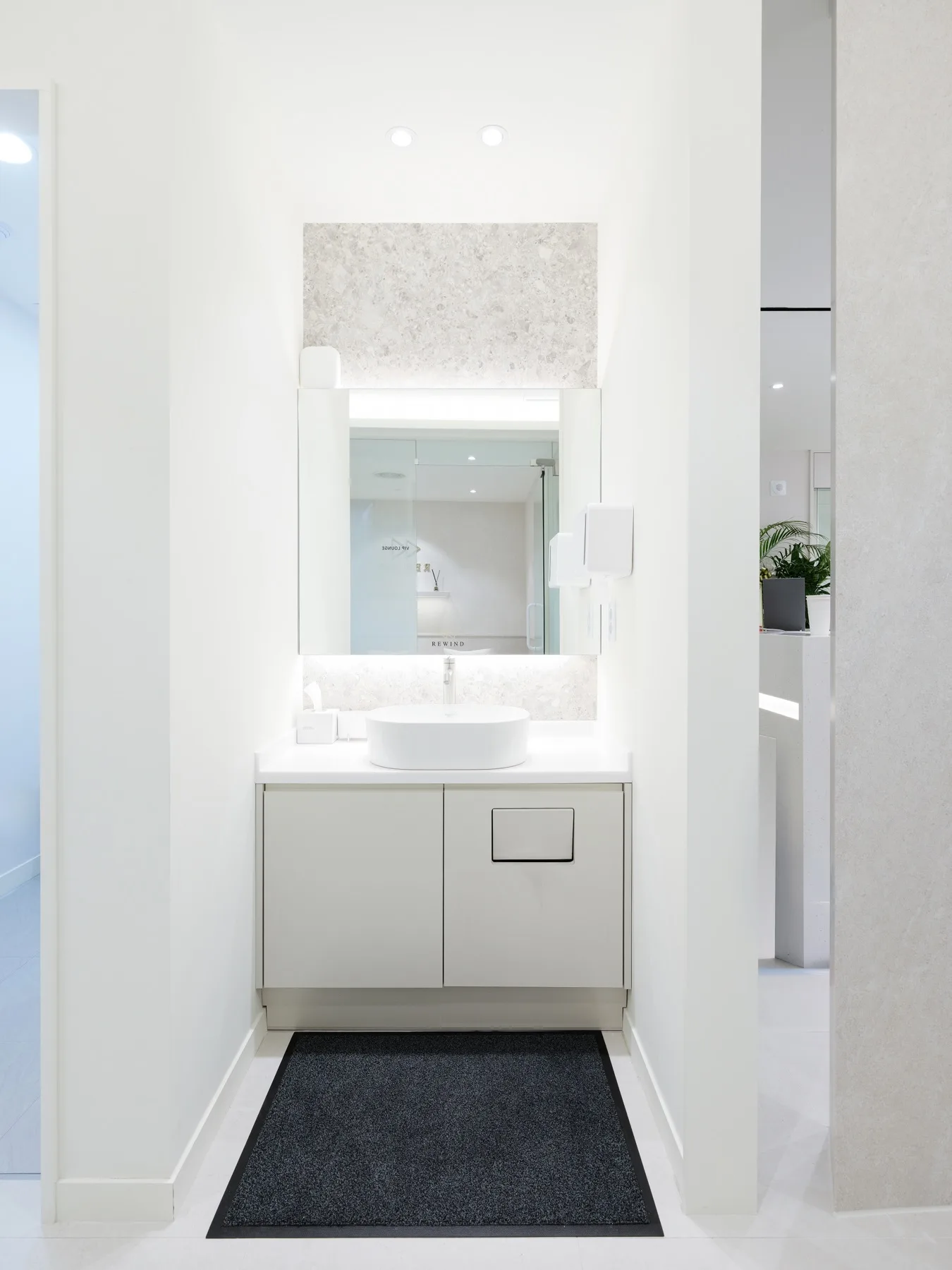
Fig. 04 — Clinic floor, Richro Building, Gangnam

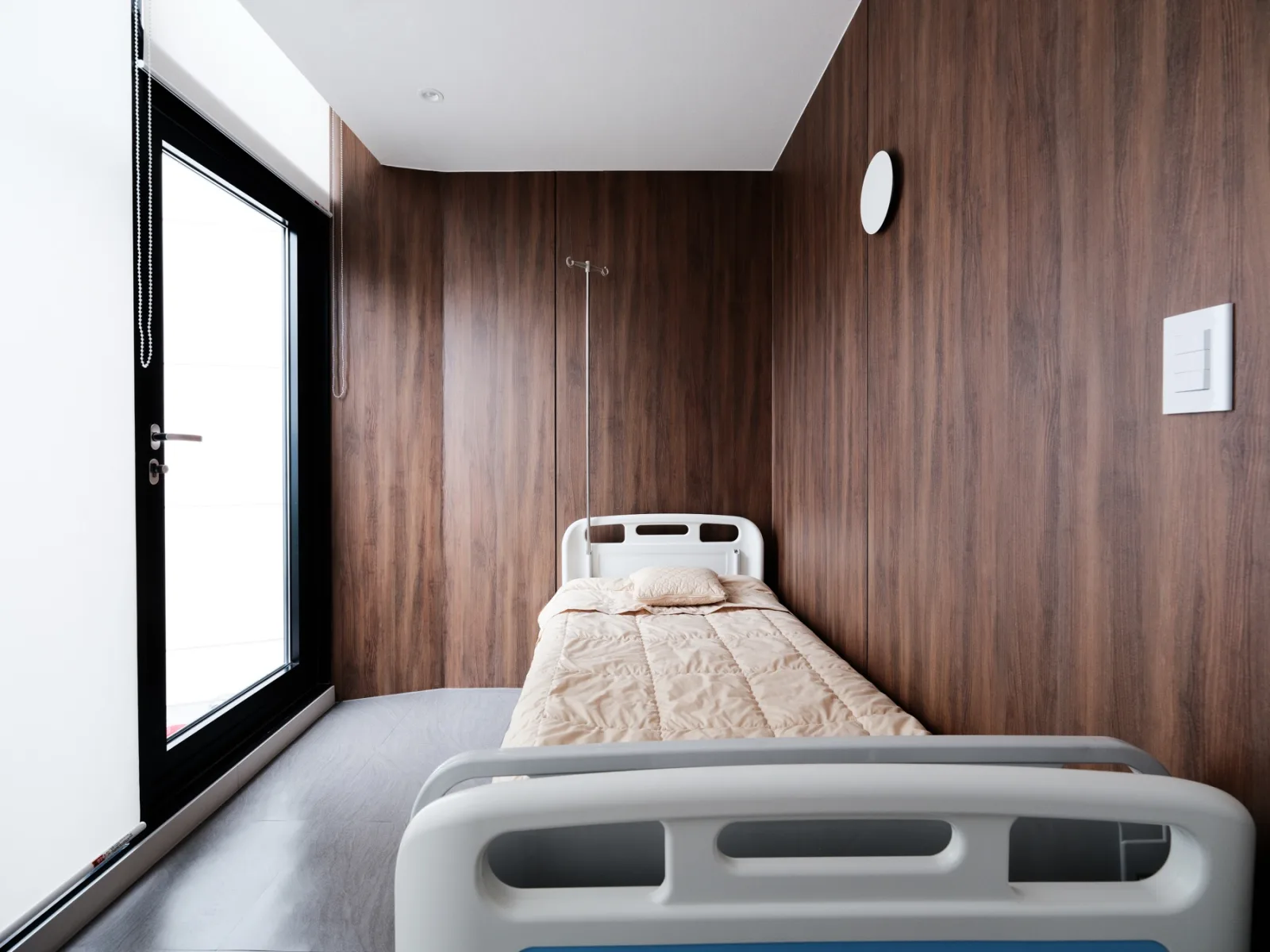
Fig. 05 — Where the anaesthetic cream is left to work
The consultation decides the strength and the field, then the cream goes on and the marking is done while it takes effect. One habit worth keeping wherever you are treated: ask for the vial to be opened where you can see it. A sealed package broken in front of the patient is the only verification available to any of us that the product injected is the product named on the price sheet, and nobody here minds the request. Appointments are held on the fourth and fifth floors of the Richro Building in Gangnam, Seoul: Monday, Tuesday, Wednesday and Friday, 10:00 to 19:00, and Saturday, 10:00 to 16:00, booking required.
The follow-up is booked at the same time as the session, and it is not a formality. A stimulator that is reviewed two months later can be corrected; one that is never reviewed simply becomes a product you bought. What the surgeon looks for at that appointment is whether the tissue responded evenly, whether any firm point has appeared, and whether more material is justified at all.
Case photography
The Korean event artwork for this product does carry paired images, and it labels them as staged illustrations. A staged illustration is not a case photograph and it has no place on a page like this one, so the frames below stay blank until Rewind has photographed and consented its own patients for this treatment.
The pairs published here in future will be Rewind's own patients, photographed at matching distance and lighting on both dates, uncropped, with written consent on file and with the number of weeks between the two frames stated on the card. Individual results may vary and no particular outcome can be promised from another person's photographs. A consultation with the doctor is required before any treatment is decided.
Pricing
All three strengths carry the same per-vial rate at this clinic, which takes price out of the clinical decision entirely. What moves the total is the number of vials a field needs. The last row is the imported poly-L-lactic acid product held alongside, added so the comparison most patients want to make can be made on one screen.
Every figure above is a per-vial list rate and VAT sits on top of it, so the amount settled at reception is higher than the amount printed here. Numbing preparation used during the session is already inside the rate. A total for a multi-vial plan is quoted only once the field has been marked, and the quote you receive in the room is read from this same sheet.
Suitability
Recovery
Recovery from this injection is measured in days and the treatment itself in months, and most complaints about collagen stimulators trace back to that mismatch. The aftercare below follows the clinic's own booster guidance for the injectable menu this product belongs to.
This is an injection into living tissue and it carries real risk. Swelling, bruising, redness and tenderness are usual across the first days. Firm papules or delayed nodules in the treated plane are the complication every collagen stimulator is followed for, and they are the reason dose, depth and distribution belong to a doctor. Infection and vascular events are uncommon and serious. Pain that increases, skin that blanches or any new lump should be reported to the clinic at once, without waiting for the booked follow-up.
At Rewind, one board-certified plastic surgeon carries every case — from the first consultation to the final follow-up. Because a face is a story, and a story deserves a single author.
Rewind,
Rewind's Doctor
Dr. Jonghwan Choi Medical Director
One surgeon, from the first
consultation to the last follow-up.
A board-certified plastic surgeon devoted to anti-aging lifting — with the precision and restraint built through years of craniofacial practice.
Google Reviews
"Sample review card — at launch this section pulls the clinic's real Google reviews automatically, shown verbatim with the reviewer's initial and posting date."
"Sample review card — reviews are never written or edited by the clinic; only what patients posted on Google appears here."
"Sample review card — a 'See all reviews on Google' link takes visitors to the clinic's Business Profile."
Questions
Reservation
Tell us what you are considering — we reply within one business day, in your language.
Scientific evidence
The papers listed above concern poly-L-lactic acid as an injectable material: the tissue mechanism behind the augmentation it produces, its physical characteristics, how long its biostimulatory activity has been shown to persist, and where it has been applied. They are published on the material class and not on this specific brand, none of them involved Rewind Plastic Surgery or patients treated at this clinic, and nothing in them predicts an individual outcome.