Non-Surgical · Poly-L-Lactic Acid
A collagen stimulator planned across a course of visits
Gangnam, Seoul | Board-certified plastic surgeon, Dr. Jonghwan Choi
KHIDI-registered for international patients · Apgujeong Rewind
Sculptra
The short answer
Sculptra is injectable poly-L-lactic acid. The vial arrives as a freeze-dried powder and is reconstituted with sterile water before it can be used. What goes into the face is a suspension of microparticles placed in the deep skin and the plane beneath it. Those particles break down over months while the surrounding tissue responds by laying down collagen, and that collagen is the volume a patient eventually sees.
Rewind's price sheet lists this product by the vial. The clinic has no Korean treatment page of its own for it, so anaesthesia, appointment length, session counts and intervals are absent from this page on purpose. Those are set by the doctor after examining you, and a number copied from a brochure would be a guess dressed up as a fact.
Patients usually arrive having read that Sculptra is a filler. It is not sold as one at Rewind and it does not behave like one. A hyaluronic-acid filler is volume in a syringe: the change is present the moment you sit up. A poly-L-lactic acid injection leaves behind material that asks your own dermis to build, and the building takes weeks. Anyone booking a treatment two weeks before a wedding needs to know that before the vial is opened.
There is a second confusion worth clearing early, because it decides which product you are actually being offered. Poly-L-lactic acid and poly-D,L-lactic acid are different preparations of the same family, and published side-by-side work has measured how differently they behave in the first weeks after injection. Sculptra belongs to the poly-L side of that line. The hybrid boosters on the same shelf at Rewind sit on the other side, so the doctor names a product only after deciding what your face needs.
Placement map
Poly-L-lactic acid has been used for facial volume restoration long enough to have an accepted placement map, and the published volumetric work sits behind it. The zones below are where the material is generally put to work. They are not a menu you choose from: the doctor marks what has actually deflated on your own face, then decides how much of each visit goes where.
Two areas stay off this map. The lips are not a placement site for this material, and the thin skin immediately around the eye is avoided. If those are the areas troubling you, a consultation will point you at something else on the clinic's injectable list.
Mechanism
Most of this treatment happens when you are nowhere near the clinic. Knowing the four stages is what stops patients from judging the outcome on the wrong week and asking for more product before the first vial has finished its work.
Sterile water is added and the suspension is left to stand so the particles disperse evenly. How much water is used changes how the material spreads once injected, and it is one of the few variables entirely in the injector's hands. This is preparation work, and it happens before you are in the chair.
The suspension is distributed through the deep dermis and the fat beneath it in many small amounts across the marked zone. A filler can be shaped by placing a bolus where a contour is missing. A biostimulator has to be spread, because what you are seeding is a tissue response across an area.
The particles are gradually broken down while collagen is deposited around them. Published histology of injectable poly-L-lactic acid has looked directly at how long that biostimulatory activity persists in treated tissue, and volumetric series have tracked the corresponding change in the face. The point both make is that the endpoint is months away from the appointment.
This material is conventionally given as a series with weeks between visits, and each session is judged against what the previous one produced. Rewind publishes no fixed number of sessions and no fixed interval for it, and this page will not invent either. The count is argued at the consultation, from your face and from what the first session actually did.

Judgement
Vial count is where a collagen stimulator becomes either a considered treatment or an expensive habit. Every extra vial is another charge on the same line of the price sheet, so the question of how many is worth asking out loud at the consultation, and worth getting a specific answer to.
A face that has lost volume and a face that has descended look similar in a mirror and need opposite treatments. Dr. Choi operates on both kinds of face, so the assessment is made by someone who knows what a lift would achieve on yours. Adding stimulator volume to heavy, lax tissue makes the heaviness more obvious.
Because the result of this product appears weeks later, anything overfilled at the first visit cannot be dissolved away the following morning the way a hyaluronic-acid filler can. Starting below what the face could take, then reassessing, is the safer arithmetic for the patient even though it is the slower sale for the clinic.
A follow-up appointment is where the plan is corrected. The surgeon who chose the first vial count reviews what the tissue produced and decides whether a second session is warranted. Sometimes that decision is that no more product is needed, and patients are told so.
On the day

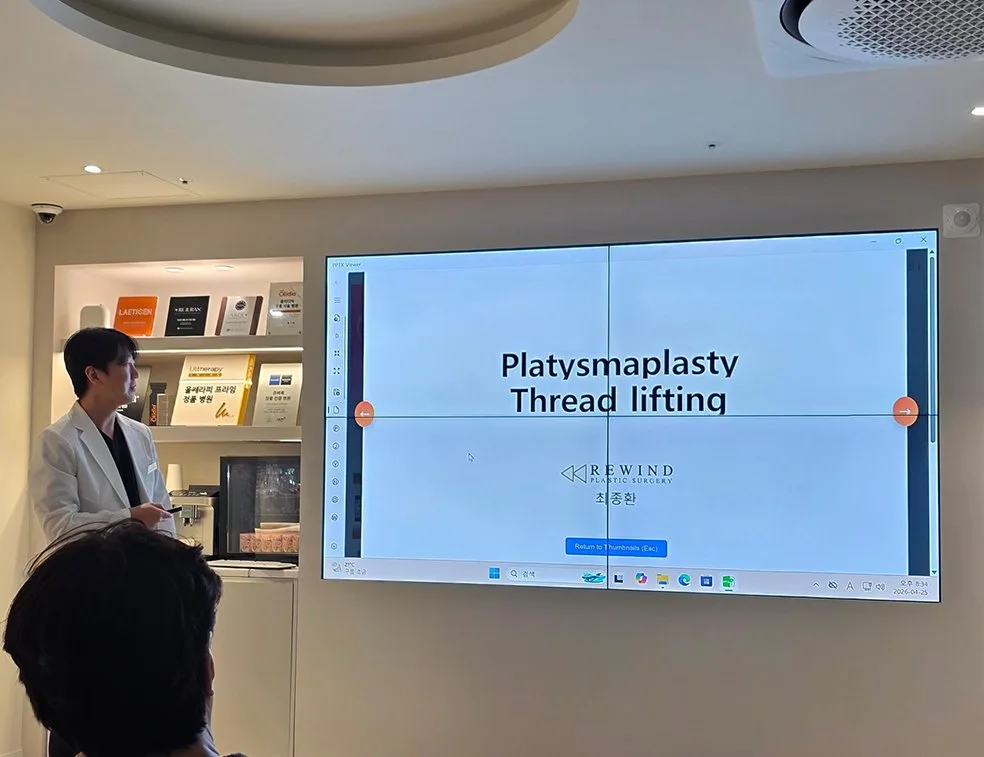
Fig. 04 — Treatment floor, Richro Building

Fig. 05 — Where patients sit for a short while afterwards
The consultation comes first and the zones are marked while you watch. Ask to see the vial before it is prepared: sealed packaging opened in front of the patient is the only check any of us has that the product in the syringe is what the price sheet says it is, and the staff here expect that question rather than resenting it. This is done on the fourth and fifth floors of the Richro Building in Gangnam, Seoul, by appointment, Monday, Tuesday, Wednesday and Friday from 10:00 to 19:00 and Saturday from 10:00 to 16:00.
What this page does not do is reprint the promotional artwork. Clinical claims and approval badges printed on marketing material are not evidence a patient can check, and translating them into English would lend them a weight they have not earned. The product identity, the placement plane and the published literature are reproduced here; everything else waits for the consultation.
Case photography
Every case pair this clinic has released so far comes from surgery. Nothing has been released for this injectable. Filling the frames below with a stimulator result borrowed from elsewhere would tell you something untrue about Rewind, so they stay empty until the clinic photographs and consents a series of its own patients.
A biostimulator is the hardest treatment in aesthetics to photograph fairly, because the interval decides the picture. When Rewind publishes pairs for this product they will be its own patients, shot at the same distance under the same light on both dates, uncropped, with consent on file and with the number of weeks between the two frames written on the card. No specific outcome can be promised from anyone else's photographs, and individual results may vary.
Pricing
This product is quoted by the vial, so what a course costs follows two numbers the doctor gives you at consultation: vials per session, and sessions. The two rows underneath are the other collagen stimulators held at the same clinic, listed here because a patient weighing them up deserves all three figures in one place.
Rates shown are per vial and VAT is excluded from them, so the figure on your receipt will sit above the figure on this page. The numbing preparation used during the session is already inside the rate. Nothing about a multi-session course is quoted before the examination, and the quote given to you in the room is read from this same sheet.
Suitability
Recovery
Downtime after this injection is short and the treatment itself is long, which is an awkward pairing and the reason most disappointment with collagen stimulators is really a disappointment about timing. The first week is about settling; the part you paid for shows up much later.
Injecting a biostimulator carries real risk and the honest version is worth reading twice. Swelling, bruising, redness and tenderness are common in the first days. Firm papules or late nodules in the treated plane are the complication this class of product is specifically followed for, and dilution, depth and volume therefore belong to the surgeon. Infection and vascular events are rare and serious. Increasing pain, blanching skin or any new lump should be reported to the clinic immediately, without waiting for the scheduled follow-up.
At Rewind, one board-certified plastic surgeon carries every case — from the first consultation to the final follow-up. Because a face is a story, and a story deserves a single author.
Rewind,
Rewind's Doctor
Dr. Jonghwan Choi Medical Director
One surgeon, from the first
consultation to the last follow-up.
A board-certified plastic surgeon devoted to anti-aging lifting — with the precision and restraint built through years of craniofacial practice.
Google Reviews
"Sample review card — at launch this section pulls the clinic's real Google reviews automatically, shown verbatim with the reviewer's initial and posting date."
"Sample review card — reviews are never written or edited by the clinic; only what patients posted on Google appears here."
"Sample review card — a 'See all reviews on Google' link takes visitors to the clinic's Business Profile."
Questions
Reservation
Tell us what you are considering — we reply within one business day, in your language.
Scientific evidence
These five papers describe poly-L-lactic acid as a material: how it is characterised physically, where it has been placed for facial volume correction, how the volumetric change has been measured, and how it separates from the poly-D,L preparations sold alongside it. None of this work was carried out at Rewind Plastic Surgery or on patients treated here, none of it was funded by this clinic, and no finding in it forecasts what your own tissue will do.