Surgery · Eye Rejuvenation
For a lid that has come down, and taken the fold with it
Gangnam, Seoul | Board-certified plastic surgeon, Dr. Jonghwan Choi
Skin, slack muscle and fat, through the fold's own line · KHIDI-registered for international patients
Upper blepharoplasty
The operation, described plainly
Rewind's upper-lid operation starts by marking the creases of a lid that has already dropped. The incision follows the line of that fold; through it the surgeon removes the stretched lid skin and the fat sitting above the eye, then takes out the slack muscle as well, secures the septum firmly and closes. The aim the clinic states is a lid that no longer buries its own crease line and an eye that stops looking weighed down.
Every figure and step on this page comes from Rewind's Korean surgical page for the upper lid and from the clinic's post-operative sheet for incisional upper-lid surgery. The anaesthetic and the time in theatre are absent from both, so neither is stated here.
The distinguishing detail is where the line goes. Because the incision is placed inside the lid's existing fold, the scar has somewhere to disappear once the crease settles, and the operation can address three tissues at one pass. Skin alone would be the smaller operation; this one takes muscle and fat with it, and the clinic's stated reason for going past the skin is that slack muscle is part of what makes the lid heavy.
It is an operation for a lid that has changed, and the clinic files it accordingly: in its middle-age eye group, beside the lower lid. The question it answers is what has descended. The question a crease operation answers is where a fold should sit. Those are different problems with different candidates, and this page keeps them apart.
Before & After
The clinic holds upper-lid cases photographed in its own studio conditions, several of them operated together with under-eye work in a single session. None has been curated and cleared for this page yet, and a combined case published without naming both procedures would tell you the wrong thing about what changed. The four slots below therefore stay marked as pending, with the captions they will carry when the clinic releases them.
Rewind publishes only its own patients, with consent, unretouched and uncropped. Individual results may vary, and a case here would not predict yours. Bleeding, infection, swelling, a difference between the two lids, altered sensation and scarring are possible after any eyelid operation. An examination with the surgeon precedes every decision.
What comes out
Rewind's description of this operation names four things, and reading them apart explains most of what patients find surprising afterwards: why the fold can look different, why the lid feels lighter, and why the result is expected to hold for years instead of months.
Beside double eyelid surgery. A crease operation decides where a fold should sit and suits a lid with its elasticity intact; this one removes tissue that has descended and uses the existing fold as the route. Rewind lists them as separate operations with separate rates and separate candidacy lists. If a fold is genuinely wanted as well, double eyelid surgery is planned and quoted as its own item.
Beside a sub-brow lift. The sub-brow operation takes a strip of skin immediately under the brow and fixes it to the periosteum, leaving the existing crease line untouched; this operation works through the crease line itself. The trade is where the scar lives and what happens to the fold, and Rewind offers both, each recorded at more than five years of durability with individual variation. The sub-brow lift page carries that scar discussion in full.
In sequence
Rewind publishes three surgical steps for the upper lid. Set beside its own post-operative sheet they describe an operation with a strict order: mark what has fallen, open along the fold it made, clear three tissues, fix the septum, then close into a line that will hide.
Before anything is opened, the wrinkles and folds the descent has created are identified and the line is designed on them. The design is taken from the lid you arrived with, so two patients with the same complaint leave with different amounts of skin removed.
Rewind incises along the fold's own line, which is the decision that gives the scar a hiding place. Working through it, the surgeon removes the lid skin that has stretched and the fat above the eye in the same pass.
The clinic's published step goes past skin and fat to the muscle that has slackened. This is where an upper-lid operation stops resembling a trim, and it is also why the lid feels lighter to patients who expected only a cosmetic change.
Rewind's third step fixes the septum securely before closure. Fixation is what holds the corrected architecture while healing happens around it, and the clinic records the result as usually holding for more than five years, depending on individual tissue elasticity and on how much was done.
The clinic records suture removal at roughly five to seven days. Because the line sits inside the crease, Rewind describes it as becoming naturally concealed as the fold settles into place, with the pace of that varying between individuals.

Why here
Three separate problems produce the same sentence at the consultation desk: my eyes look tired. Descended lid skin, a brow that has dropped and a weak lift each have their own operation at this clinic, their own scar and their own price. The examination exists to say which one you have, and how much of the complaint it will actually answer.
The surgeon looks at the distance from lash line to brow, at how much of the iris each lid uncovers and at what the forehead is doing. Where two causes coexist he says which is dominant and what a single operation will leave untouched, before a date is discussed.
Rewind's line runs inside the crease, and the clinic states it becomes naturally concealed as that crease settles. A concealed scar is still a scar and still needs sun protection: the claim is about where the line sits, and never about whether there is one.
One board-certified plastic surgeon marks, operates and holds the follow-ups, so nobody inherits somebody else's design mid-operation. International patients are supported in their own language, and the clinic holds KHIDI registration as an institution for foreign patients.
In the operating room

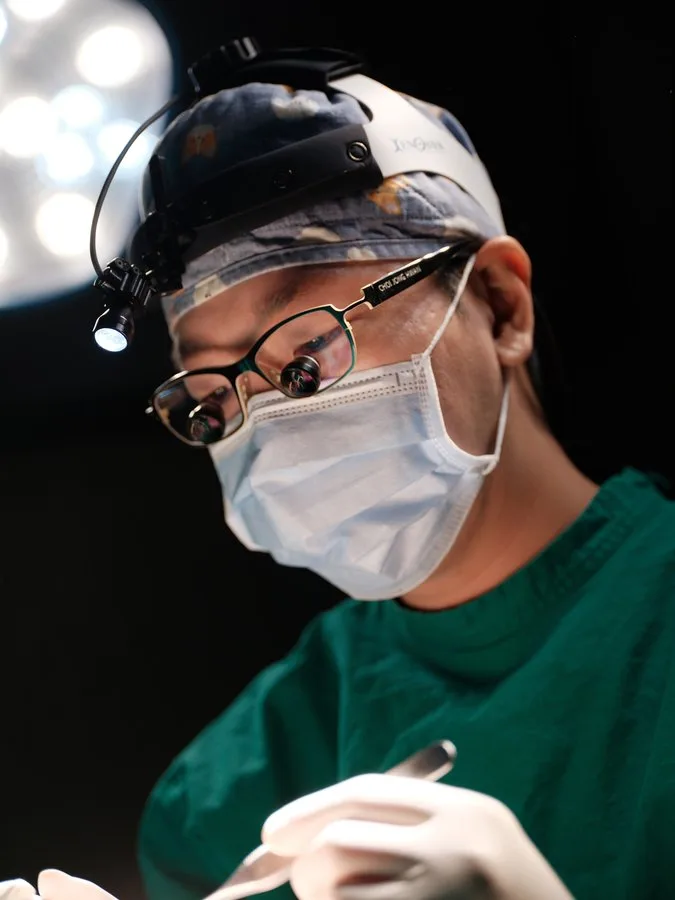
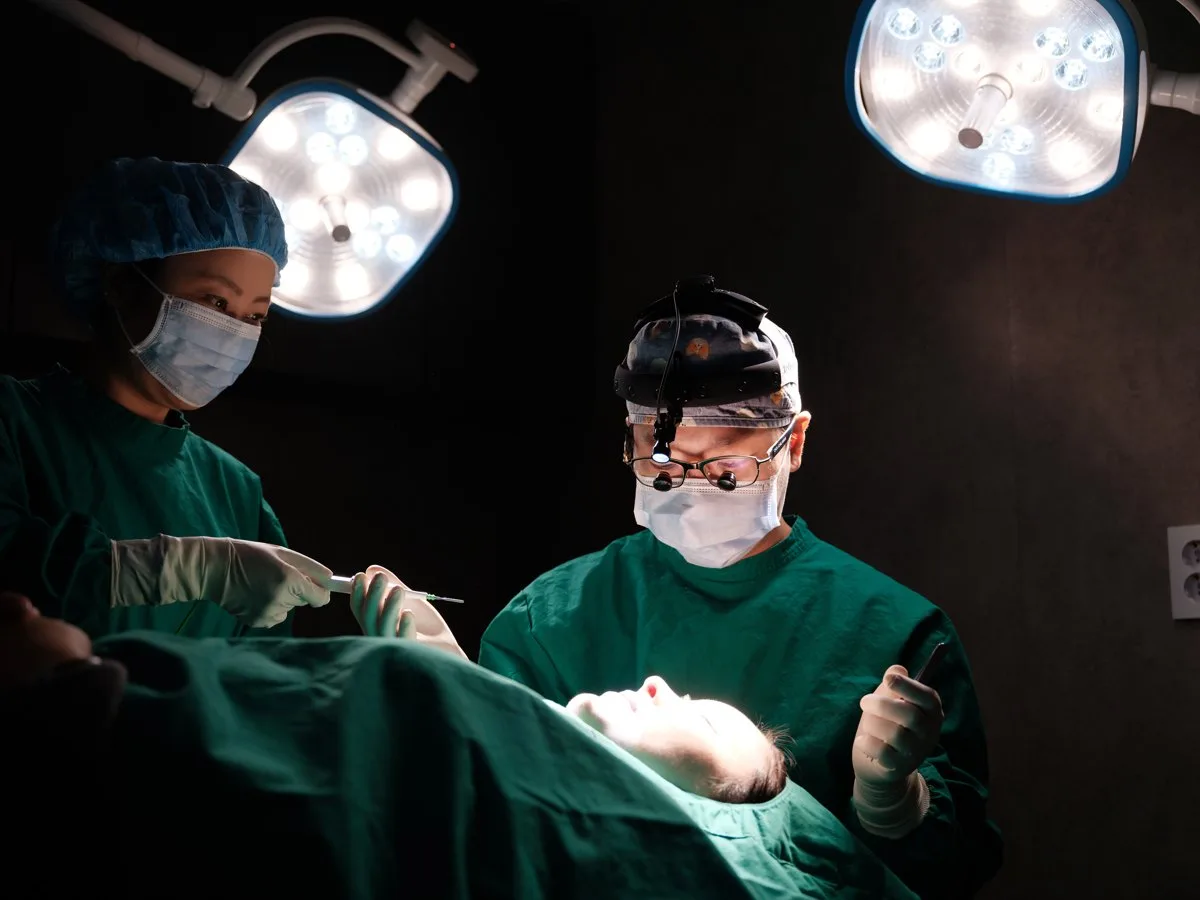
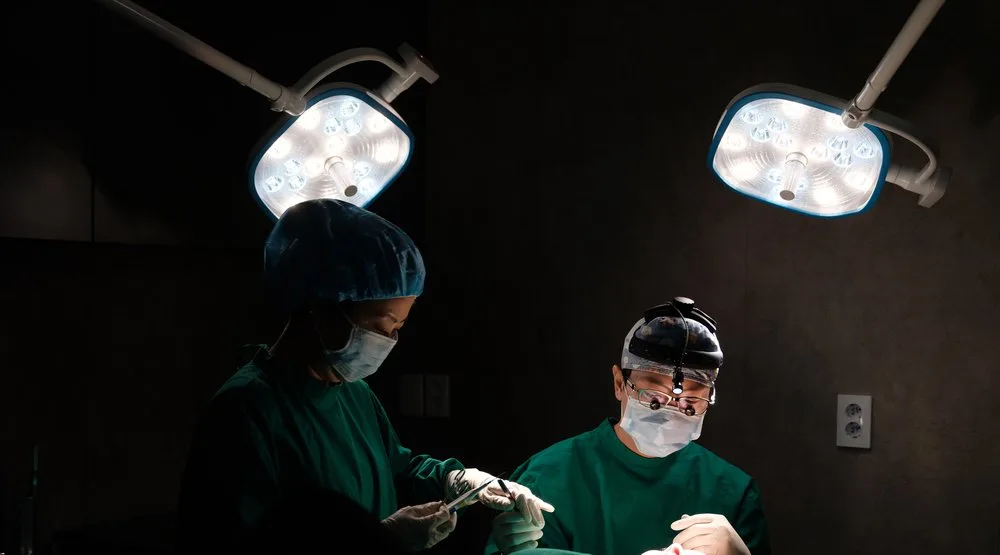
Fig. 04 — The theatre, set up for eyelid surgery

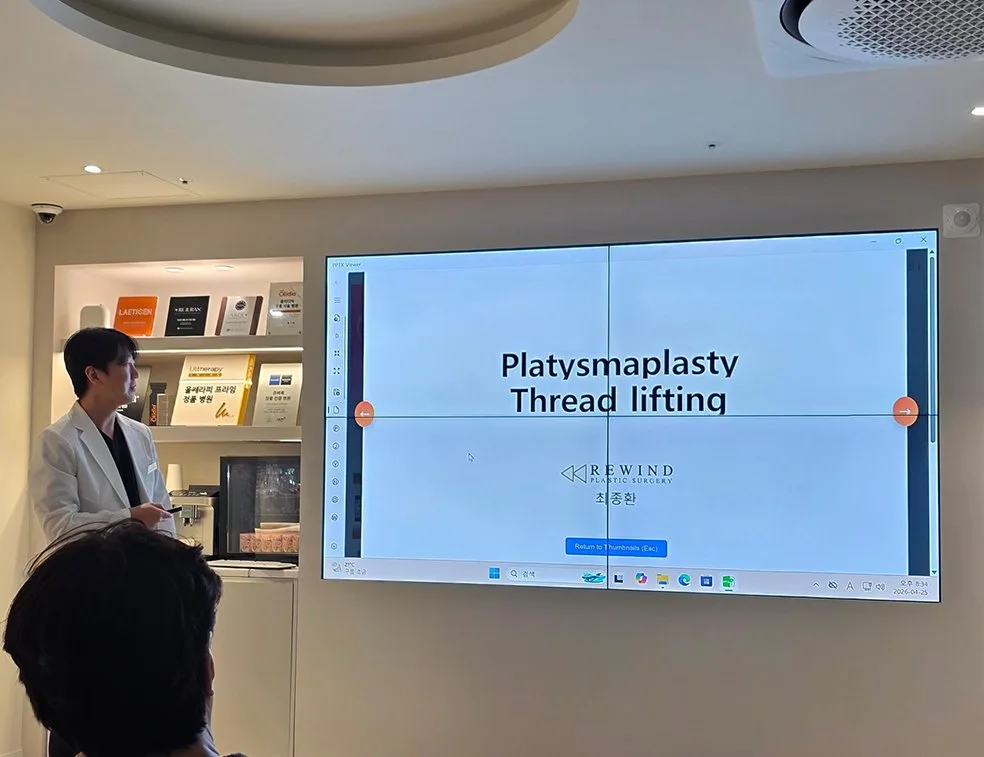
Fig. 05 — The room where the lid is marked and the plan is agreed
Rewind occupies the fourth and fifth floors of the Richro Building in Apgujeong, Gangnam. The medical director holds the consultation, performs the operation and sees you at every review afterwards; surgical consultations are booked Monday, Tuesday, Wednesday and Friday until 19:00 and Saturday until 16:00, by appointment only. Two numbers you will not find below are the anaesthetic and the operating time, because the clinic publishes neither for this operation and this page does not fill gaps with guesses.
Board-certified plastic surgeon
Korean specialist certification in Plastic Surgery, ten peer-reviewed publications, and every operation in this clinic performed by him. The clinic is registered with KHIDI to receive international patients under Reg. M-2025-01-08-09288.
Pricing
Rewind prices the upper lid as one operation, and prices the neighbouring answers to a heavy eye separately. The three lines under it exist so that a comparison is possible with the clinic's own figures in front of you, since the operation that suits your finding is not always the one you arrived intending to book.
Listed rates, VAT excluded; the anaesthetic fee is already inside each figure. Correction of eye opening, where the examination finds a weak lift, is a separately listed addition and is quoted as its own line. Nothing is combined into a single number at this clinic without being itemised for you first.
Suitability
Recovery
Rewind publishes both a timeline and a restriction list for this operation, and the restrictions run a good deal longer than the visible recovery does. The clinic records durability of more than five years, with individual tissue elasticity and the extent of surgery as the stated conditions on that figure.
Any eyelid operation can involve bleeding, infection, swelling, a difference in height or shape between the two lids, altered sensation, dryness or irritation while the lid closes less completely, and scarring along the incision. Removing too much skin is corrected far less easily than removing too little, which is the reason the amount is decided in theatre on the lid in front of the surgeon. Tell him about every previous eye operation, about dry-eye treatment and about any medication you take before a date is agreed.
At Rewind, one board-certified plastic surgeon carries every case — from the first consultation to the final follow-up. Because a face is a story, and a story deserves a single author.
Rewind,
Rewind's Doctor
Dr. Jonghwan Choi Medical Director
One surgeon, from the first
consultation to the last follow-up.
A board-certified plastic surgeon devoted to anti-aging lifting — with the precision and restraint built through years of craniofacial practice.
Google Reviews
"Sample review card — at launch this section pulls the clinic's real Google reviews automatically, shown verbatim with the reviewer's initial and posting date."
"Sample review card — reviews are never written or edited by the clinic; only what patients posted on Google appears here."
"Sample review card — a 'See all reviews on Google' link takes visitors to the clinic's Business Profile."
Questions
Reservation
Tell us what you are considering — we reply within one business day, in your language.
Scientific evidence
These papers cover upper-lid surgery as a class: what the outcome literature measures, why an unrecognised weak lift changes the plan for a cosmetic upper-lid operation, and what the sub-brow route reports in Asian patients, including cases where hooding and a hollow lid are corrected together. The complication paper is listed because prevention is the part of eyelid surgery worth reading before booking. None of these studies concerns this clinic, and none predicts an individual outcome.