Surgery · Signature Lifting
Where the fascia is moved, and the skin only follows
Apgujeong, Seoul | Board-certified plastic surgeon, Dr. Jonghwan Choi
SMAS-layer surgery · KHIDI-registered for international patients
Facelift
The operation, described plainly
Rewind's facelift opens along the temple hairline, continues around the ear and ends in the hairline behind it. Through that line the surgeon dissects widely beneath the skin and into the SMAS — the fibrous layer that carries the face's tension — then pulls the SMAS itself, fixes it in its new position and removes the skin that has been left over. The clinic's own description contrasts this with pulling on soft tissue alone: what is repositioned here is the layer that holds structure, which is where its durability comes from.
Source: Rewind's Korean-language surgical page for full facial lifting, which names the incision route, the dissection of the skin and SMAS layers, the direct traction on the fascia and the excision of surplus skin.
Everything else on this page follows from that one sentence about layers. The scar sits where the incision has to run, the recovery reflects how widely the tissue was lifted, and the durability the clinic records is the durability of a structural repair.
Before & After
Rewind photographs its own patients under identical lighting and conditions, and no facelift case has been cleared for publication on this page yet. Rather than fill the carousel with cases from a different operation, the four slots below stay marked as pending until the clinic releases its own frames. When they arrive they will be captioned with every procedure performed in each case.
No before-and-after photograph on this page has been retouched, and none will be published without the patient's consent. Individual results may vary. Bleeding, infection, swelling, asymmetry, altered sensation and scarring are possible after any surgical procedure. A consultation with the surgeon is required before any decision.
Anatomy map
Four things are handled in this operation, and they are handled differently. Reading them apart is the fastest way to understand why one lift holds for a decade while a treatment aimed only at the surface does not.
In sequence
Rewind publishes three surgical steps for its full lift. Set alongside the dressing that follows them, they describe an operation whose whole logic is the order of the layers: skin off, fascia freed, fascia fixed, skin trimmed last.
Rewind's first step incises along the planned line, lifts the skin flap and then incises the fascial layer beneath it. Two separate planes are entered here, and that is what distinguishes a structural lift from a skin operation.
Working below the SMAS, the surgeon releases the ligaments that hold the face down and raises the fascial layer as its own flap. Until that release is done the layer cannot travel, and the direction of the lift cannot be chosen.
The stretched SMAS is pulled tight, fixed in position, and only then is the excess skin cut away and the wound closed. Because the tension lives in the fascia, the skin is closed without being stretched to hold the result.
Rewind records roughly one week of compression dressing as standard after this operation. The dressing is part of the surgical plan and not an optional extra, because the lifted planes need to settle against each other.
The clinic states plainly that because the dissection is broad, early swelling and a tight, heavy feeling can follow. It also records that ordinary daily life returns progressively, while strenuous activity waits.

Why here
A facelift is decided twice: once when someone judges how far the descent has gone, and once when someone chooses the plane and the vector in theatre. At Rewind both decisions belong to the same person, and the scope of the operation is allowed to be smaller than the menu's biggest item.
Rewind's own material describes the SMAS being pulled and repositioned directly, and presents that as the reason a surgical lift holds where surface treatments fade. The clinic's published technique is a SMAS-layer operation; papers comparing SMAS with deep-plane dissection are listed at the foot of this page as the literature around that choice.
The full lift covers the whole range, from the eye area down to the neck. The mini operation cuts only the segment that needs it, covering the middle and lower face, and Rewind records more than five years of durability for it against more than ten for the full lift. Each is a separate listed operation, so no scope is bundled in by default.
One board-certified plastic surgeon examines, operates and holds every follow-up; no case is passed to a second operator. International patients are supported in their own language throughout, and Rewind holds KHIDI registration as an institution for foreign patients.
In the operating room

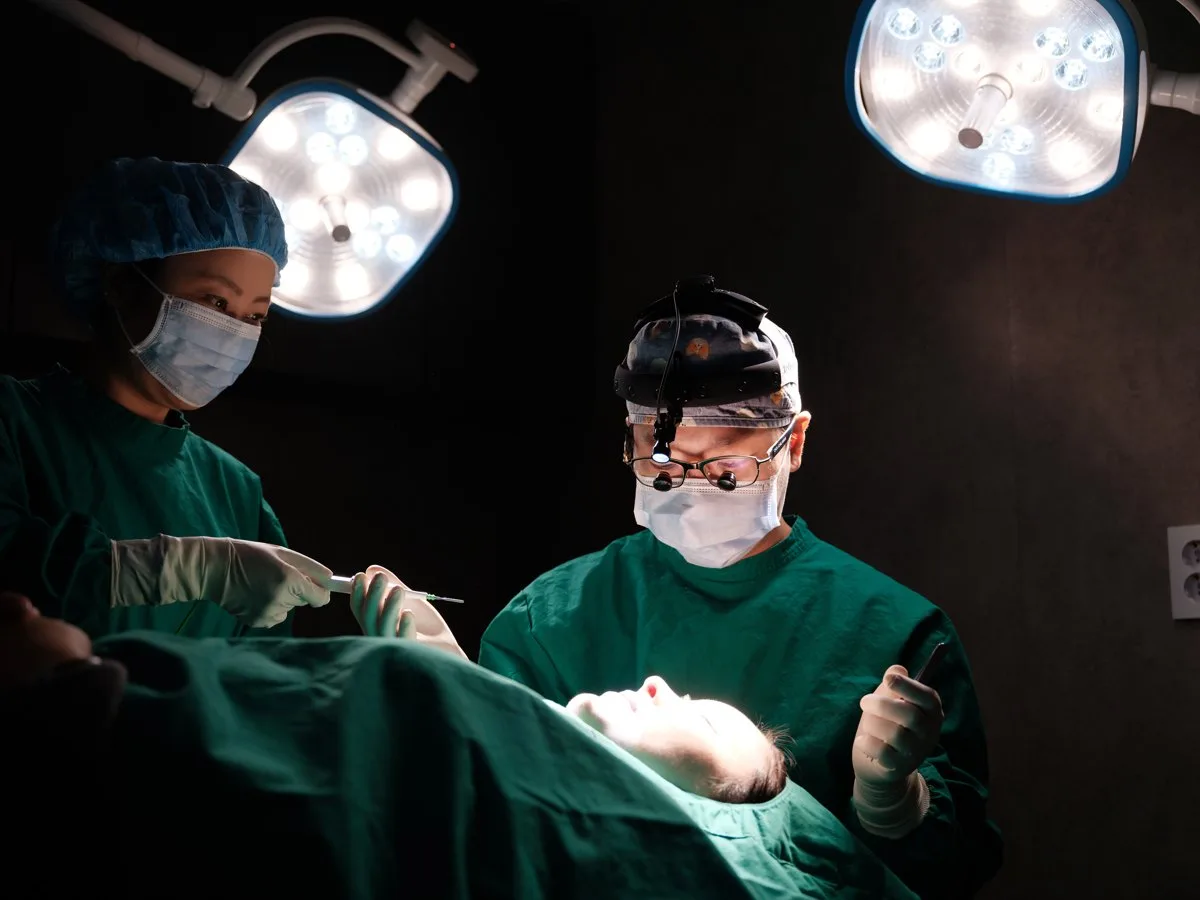
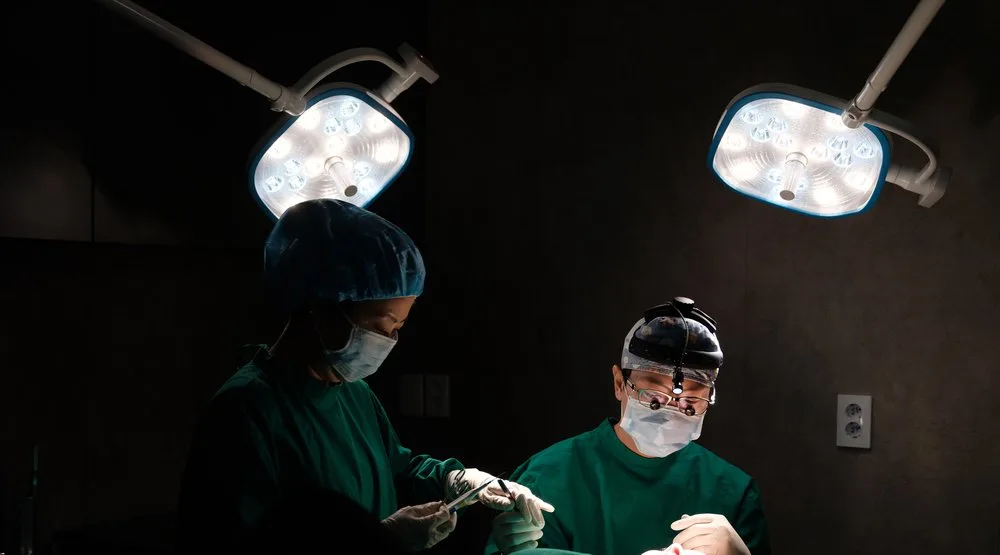
Fig. 04 — The theatre where the lift is performed

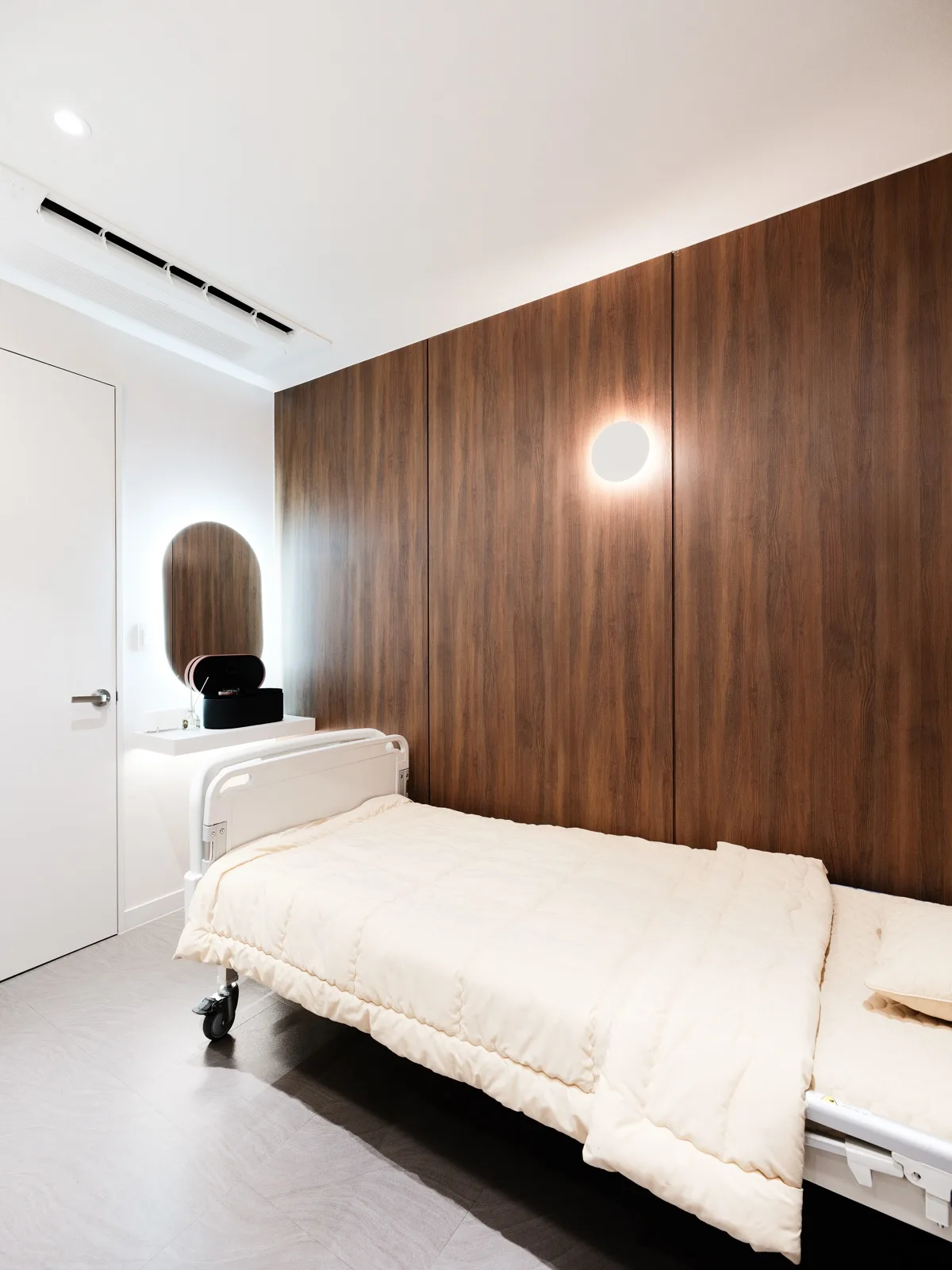
Fig. 05 — Recovery, where the compression dressing goes on
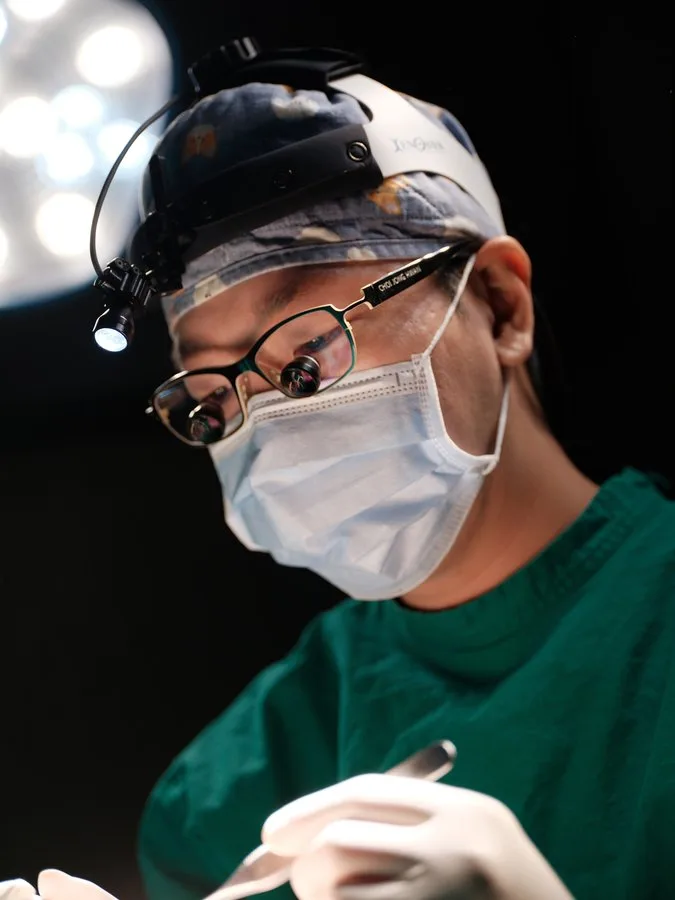
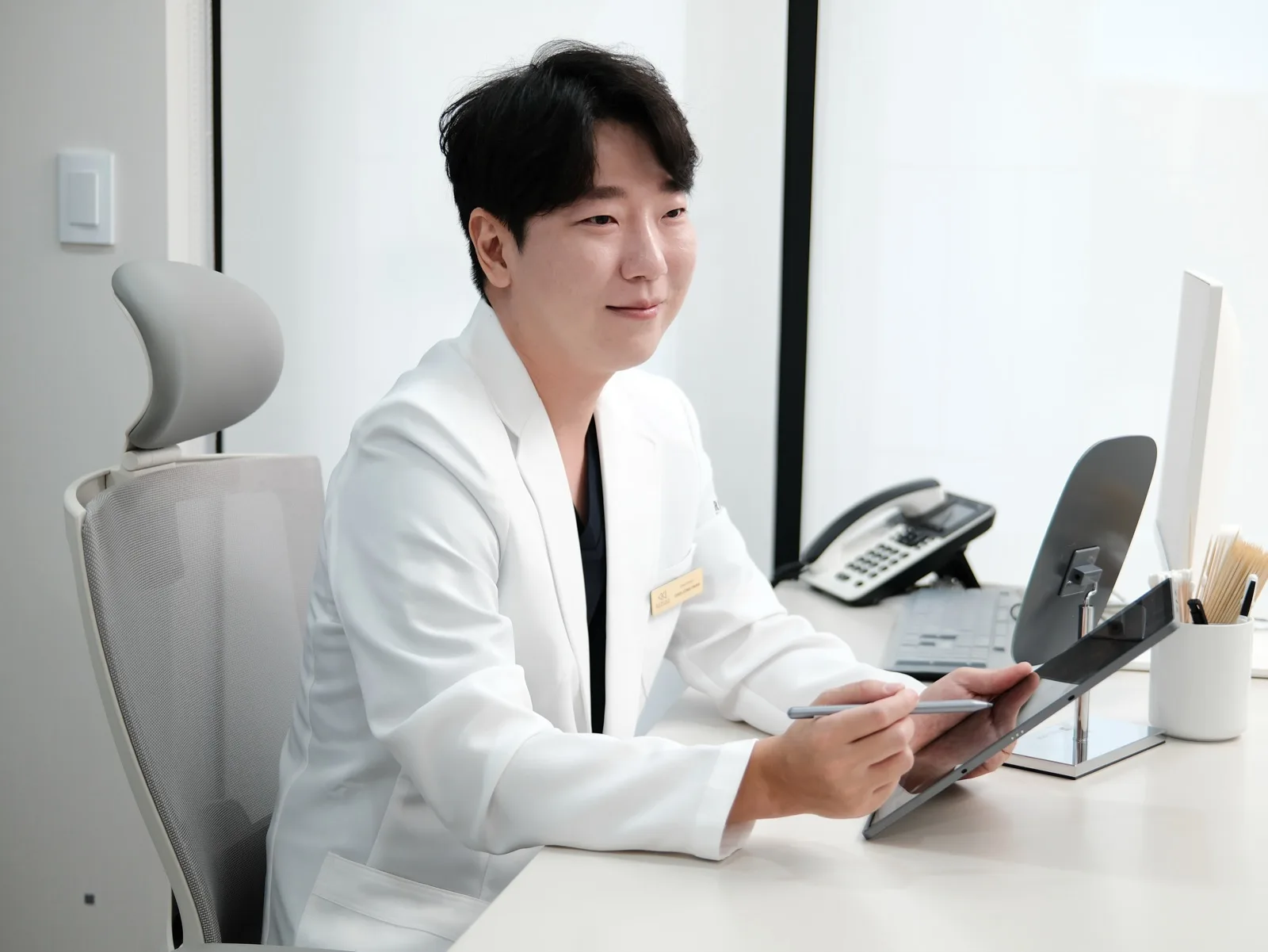
The clinic occupies the fourth and fifth floors of the Richro Building in Apgujeong, Gangnam. Consultation, surgery and every review afterwards are held by the medical director; consultations for surgical cases are taken Monday, Tuesday, Wednesday and Friday until 19:00 and Saturday until 16:00, by appointment only. Because the practice runs on one operating surgeon, the person who assessed your descent is the person holding the instruments.
Board-certified plastic surgeon
Korean specialist certification in Plastic Surgery, ten peer-reviewed publications, and sole operating surgeon at the clinic. The clinic holds KHIDI registration as a medical institution for overseas patients — Reg. M-2025-01-08-09288.
Pricing
Scope sets the figure, and scope is a finding. The full lift, the full lift taken together with the neck, and the smaller selective operation are three separate listings at Rewind; the quote given at consultation is the listing that matches the examination.
List prices, VAT excluded; anaesthetic fees are included in each figure. A facelift and a neck lift are separate operations at Rewind, and the combined listing exists so that the two are never quietly merged into one price. Nothing is added to a plan at Rewind without being explained at the examination first.
Suitability
Recovery
Rewind's post-operative sheet for facial lifting is short, and its restrictions run longer than most patients expect. The clinic records durability of more than ten years with variation between individuals, which is the longest figure in its own lifting hierarchy; it also records that swelling and a tight, heavy sensation are normal early on, because the dissection was wide.
Any surgical procedure carries risk, including bleeding, infection, swelling, asymmetry, altered sensation, nerve injury and scarring. Rewind states that its incision is concealed within the hairline and the contour of the ear; a concealed scar is still a scar, and how it heals varies between individuals. Tell the surgeon about every previous facial operation and about any medication you take before a date is set.
At Rewind, one board-certified plastic surgeon carries every case — from the first consultation to the final follow-up. Because a face is a story, and a story deserves a single author.
Rewind,
Rewind's Doctor
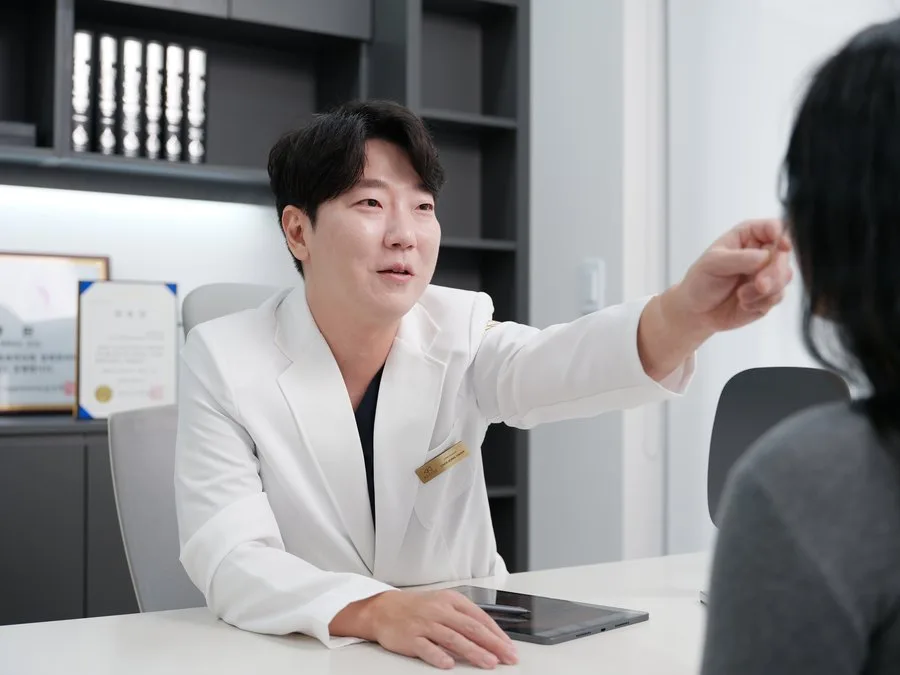
Dr. Jonghwan Choi Medical Director
One surgeon, from the first
consultation to the last follow-up.
A board-certified plastic surgeon devoted to anti-aging lifting — with the precision and restraint built through years of craniofacial practice.
Google Reviews
"Sample review card — at launch this section pulls the clinic's real Google reviews automatically, shown verbatim with the reviewer's initial and posting date."
"Sample review card — reviews are never written or edited by the clinic; only what patients posted on Google appears here."
"Sample review card — a 'See all reviews on Google' link takes visitors to the clinic's Business Profile."
Questions
Reservation
Tell us what you are considering — we reply within one business day, in your language.
Scientific evidence
These papers describe facelift surgery as a class: the comparison between fascial planes, technique adapted to Asian facial anatomy, short-scar and limited-access variants, and the anatomy of facial nerve safety. Rewind's published technique is a SMAS-layer operation, and the deep-plane papers are cited as the literature around that decision and not as a description of the operation performed here. None of these studies concerns this clinic, and none predicts an individual outcome.