Surgery · Eye Rejuvenation
The bulge is moved into the hollow, and the septum is reinforced
Gangnam, Seoul | Board-certified plastic surgeon, Dr. Jonghwan Choi
KHIDI-registered for international patients · Apgujeong Rewind
Under-eye fat repositioning
The short answer
The pad of orbital fat that bulges under the eye is relocated instead of discarded. The ligament adhesion holding down the tear trough is released, the harvested fat is carried into that hollow, and the orbital septum — the membrane the fat had been pushing forward — is drawn downward and fixed to the periosteum of the orbital bone. Rewind calls this combination septal-reinforced under-eye fat repositioning, and it is listed separately from a plain fat removal and from a full lower blepharoplasty.
Facts here come from Rewind's own Korean pages for septal-reinforced fat repositioning and for lower blepharoplasty, and from the clinic's post-surgical instruction sheet for the under-eye area. Anaesthesia type and operating time are not published on those pages and are not stated here.
Two operations share the phrase "eye bag surgery" at this clinic. One moves fat and reinforces the support that let it protrude. The other, lower blepharoplasty, also addresses lid skin and the muscle beneath it, and Rewind's page for it describes fixing the slackened muscle to the periosteum before closing. They are quoted as separate items because they are separate operations, and the examination decides which sentence your under-eye belongs in.
Before & After
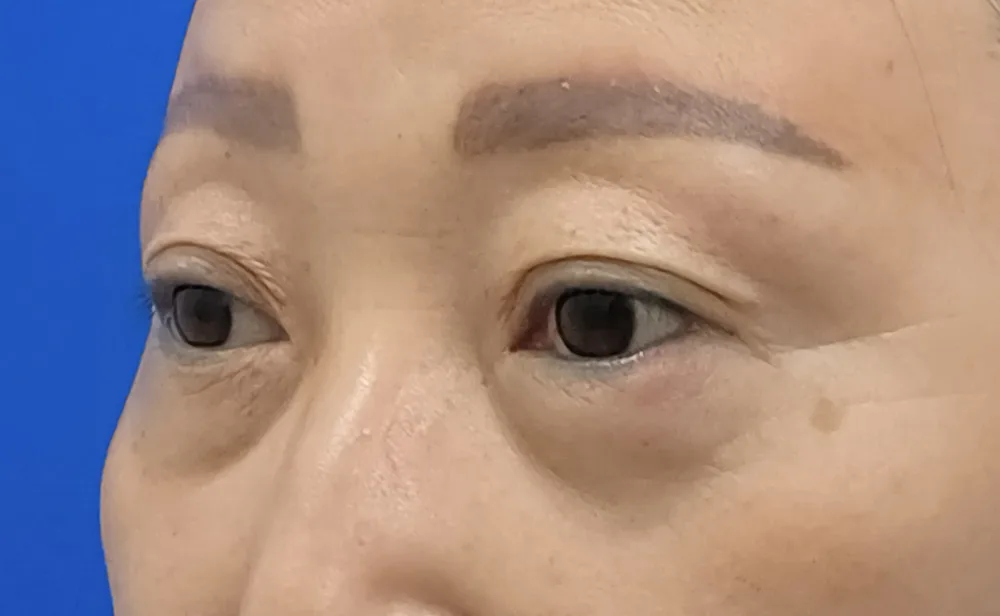
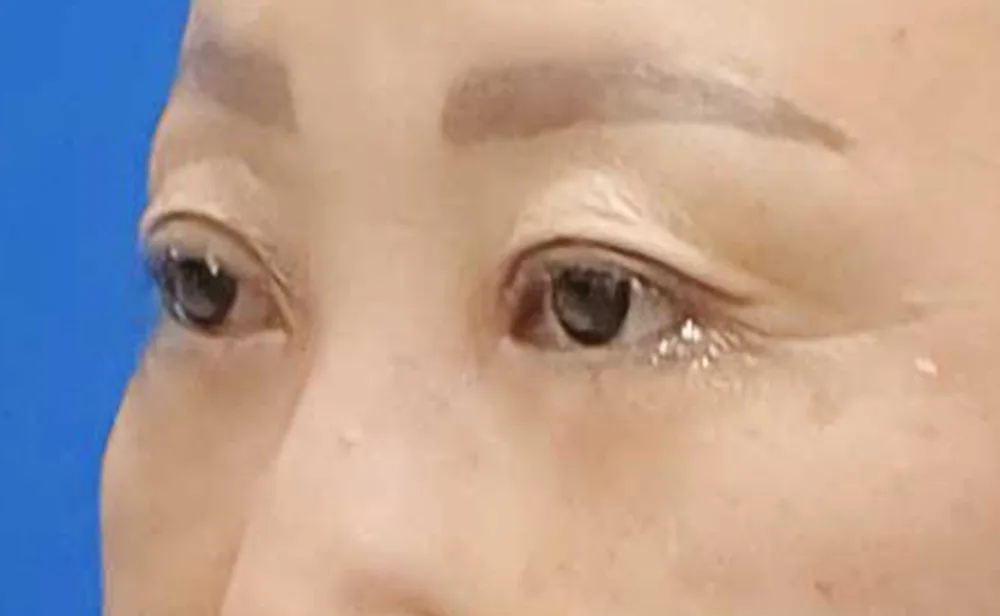
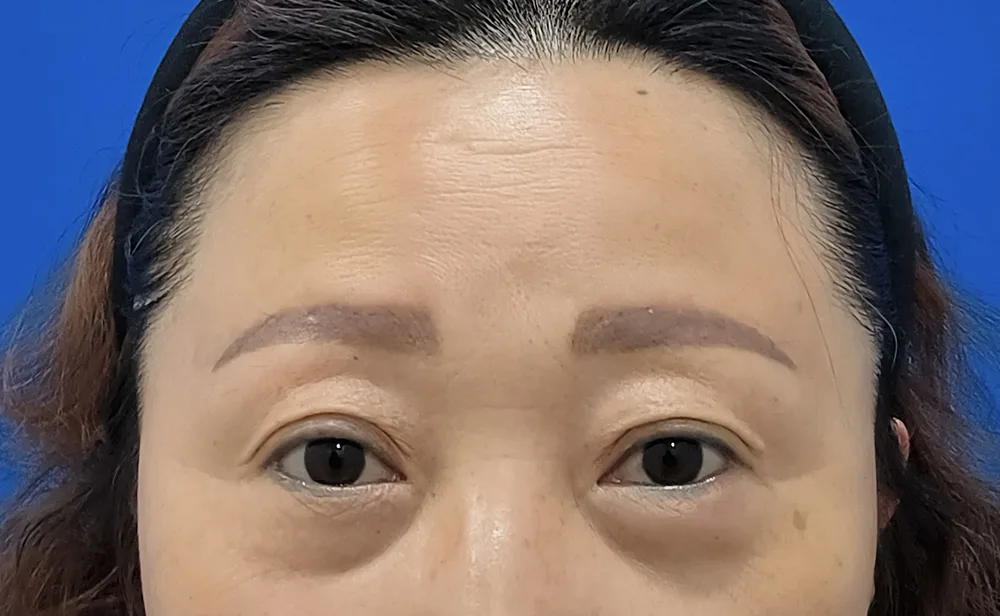
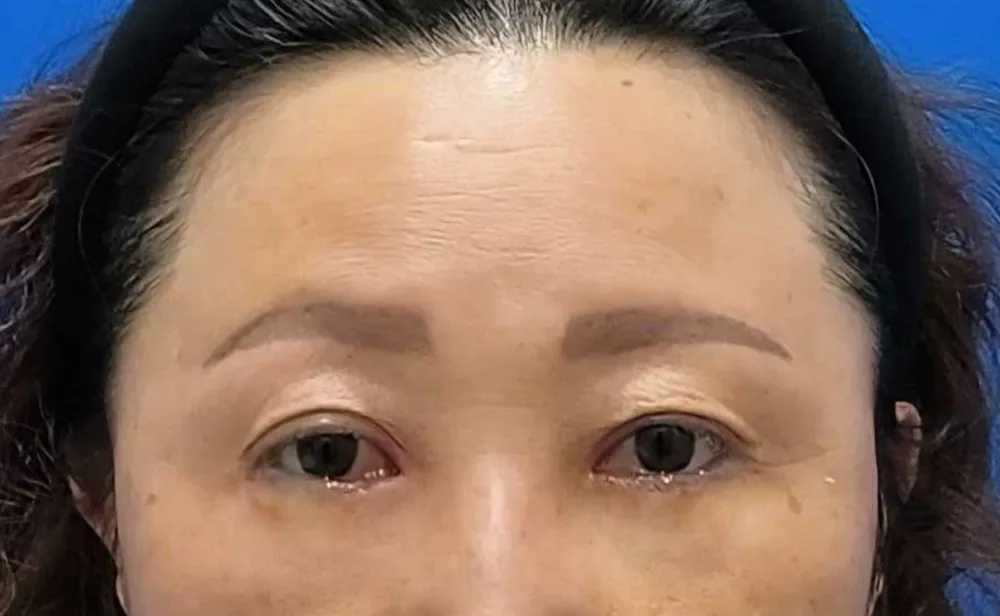
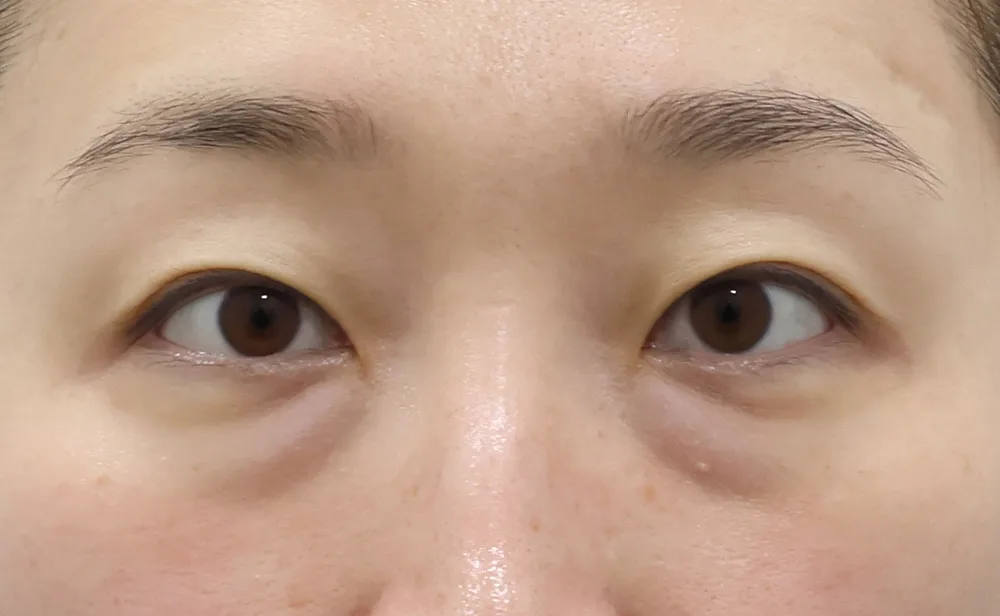
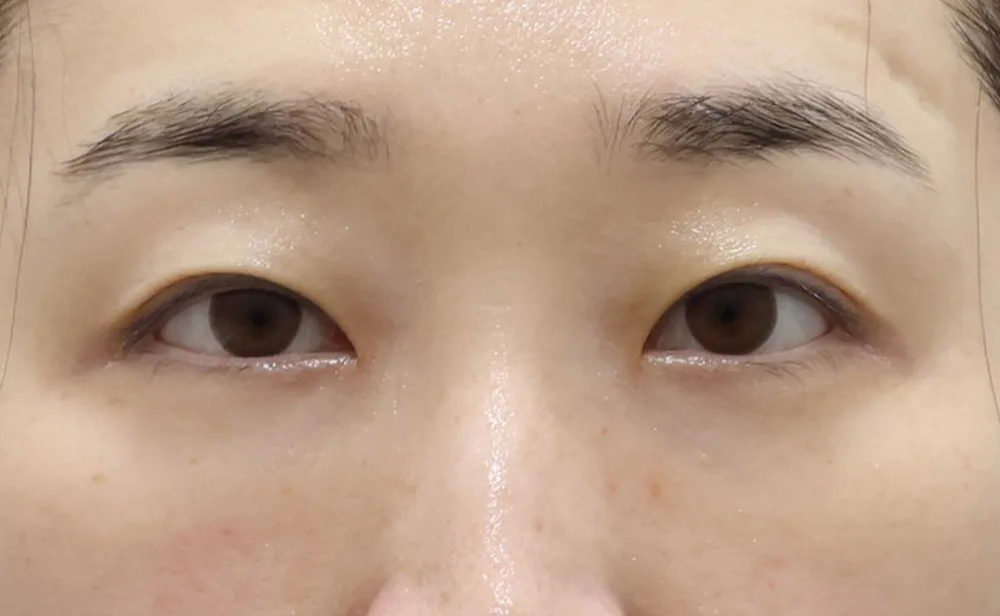
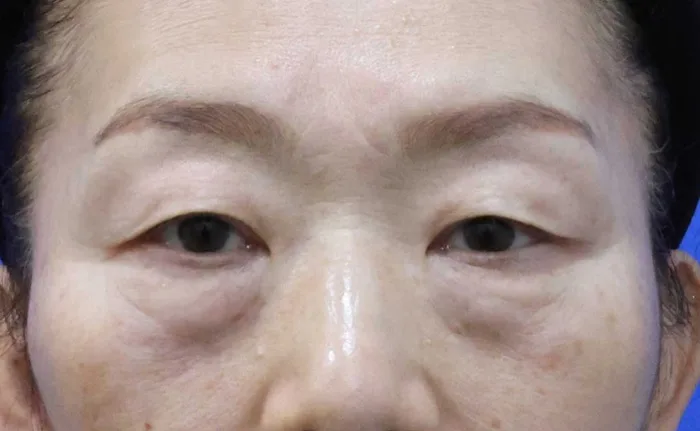
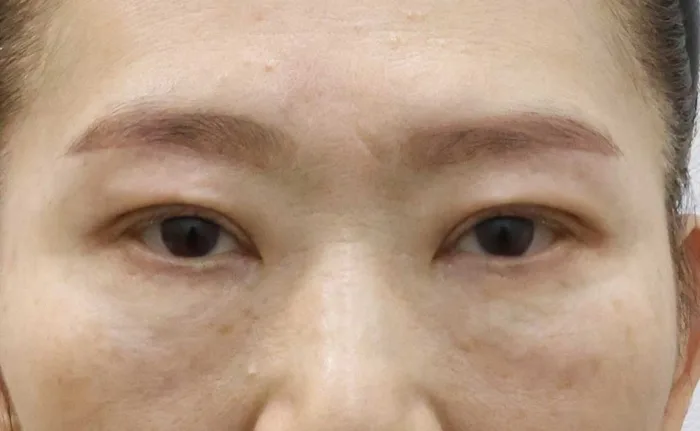
The four cases below were taken at the clinic in the same conditions and are shown uncropped. Three were operated as under-eye work alone; the fourth had upper-lid surgery in the same session, which is named in its caption because the whole eye, and not only the lower lid, changed in that photograph.
BEFOREAFTER
BEFOREAFTER
BEFOREAFTER
BEFOREAFTERAll photographs are of Rewind's own patients, taken by the clinic under identical lighting and framing and shown uncropped. Individual results may vary, and no case here forecasts another. Bleeding, bruising, prolonged swelling, asymmetry, altered sensation, scarring and changes in lower-lid position can follow eyelid surgery. Examination and consultation with the doctor precede any decision.
Cause map
The phrase "dark circles" covers at least four different findings, and only some of them are surgical. Reading which one dominates is the whole consultation, because an operation aimed at the wrong one produces a face that looks operated on and still tired.
Rewind's own page sets the sequence out by decade, and it is a useful way of placing yourself. In the twenties the orbital fat protrudes and the under-eye simply looks puffy. In the thirties that protrusion starts to make the tear trough read hollow. By the forties the fat has descended and the groove is pronounced. By the fifties the skin over the groove has discoloured, and the area looks dull and tired even when it is rested. What changes with each decade is the proportion of bulge to hollow to colour, and with it the operation that answers it.
In sequence
Rewind publishes the operation as three steps and the reinforcement as its reason for existing. The rungs below add the approach decision and the point at which the operation becomes a lower blepharoplasty instead, since that is where most consultations actually split.
The clinic's first published step is to analyse the problem before taking the fat. How much of the darkness is bulge, how much is hollow and how much is colour decides how much fat is moved and where it is laid, and that reading is done on your own face, never from a photograph of someone else's.
The groove is held down by an adhesion, and until it is released the hollow cannot be filled from above; fat laid on top of a tethered trough simply sits over a line that remains. Releasing it is what allows the repositioned fat to reach the depression.
The same fat that made the bulge becomes the volume that fills the groove beneath it. Removing it outright takes away the protrusion and leaves the hollow where it was, which is the distinction between the clinic's fat-removal-only item and this one.
The membrane that had been pushed forward is pulled downward and secured to the periosteum. Rewind's stated purpose is to strengthen the support structure holding the fat, so that the pad settles into a stable position; this is the step the clinic names septal reinforcement.
Rewind publishes both routes. A conjunctival approach, from inside the lid, leaves no visible scar. A skin approach can leave a scar below the lash line. Which is used is decided by the state of the under-eye tissue, the elasticity of the skin and how much it has descended.
In lower blepharoplasty the design is set from the volume of fat present; a minimal incision is made, the fat is removed or repositioned and the muscle is dissected; the slackened muscle is then fixed to the periosteum and the incision is carefully closed. Rewind records durability of more than five years for that operation, varying between individuals.

Why here
An under-eye that has been treated repeatedly and still looks tired is usually one where the bulge, the groove and the colour were never separated out. Rewind lists four different under-eye items at four different prices, and the point of the consultation is to establish which of them your face is asking for.
Fat removal alone, fat repositioning, septal-reinforced repositioning and lower blepharoplasty each carry their own price. Because none of them is bundled, a quotation reflects the finding rather than the package, and you can see what the extra step is costing you.
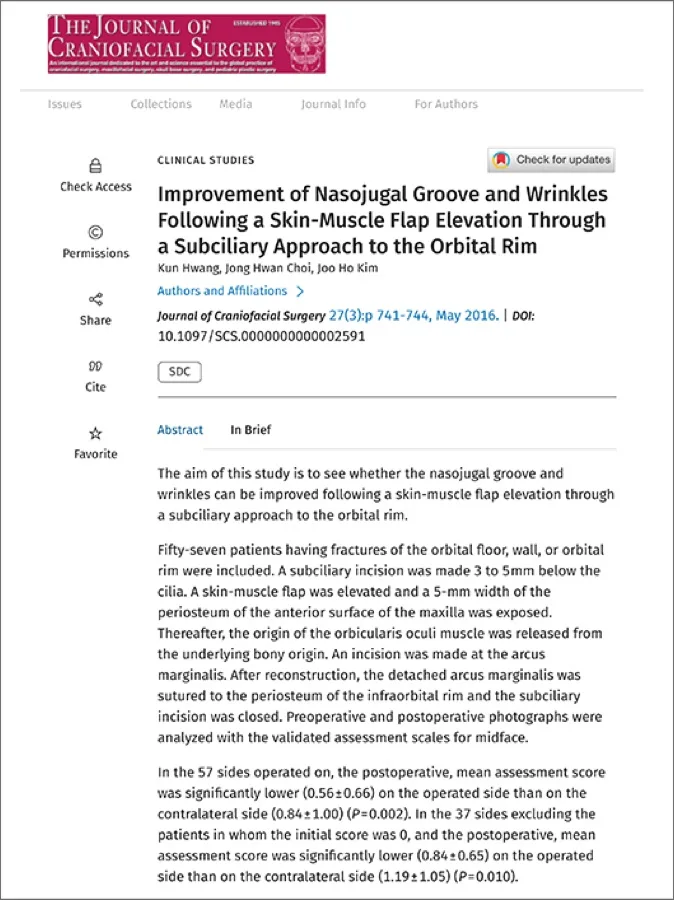
Dr. Choi is a co-author of a study in the Journal of Craniofacial Surgery on improvement of the nasojugal groove — the anatomical name for the tear trough — and of the wrinkles over it, following elevation of a skin-muscle flap through a subciliary approach to the orbital rim. That series is reconstructive, so it is not a report on cosmetic repositioning; what it documents is the behaviour of the groove when the orbital rim is addressed directly.
Under-eye swelling is slow and uneven, and the area looks worse before it looks settled. The person who operated is the person who reviews it at every visit. International patients are supported in their own language throughout, and Rewind is a KHIDI-registered institution for foreign patients.
In the operating room

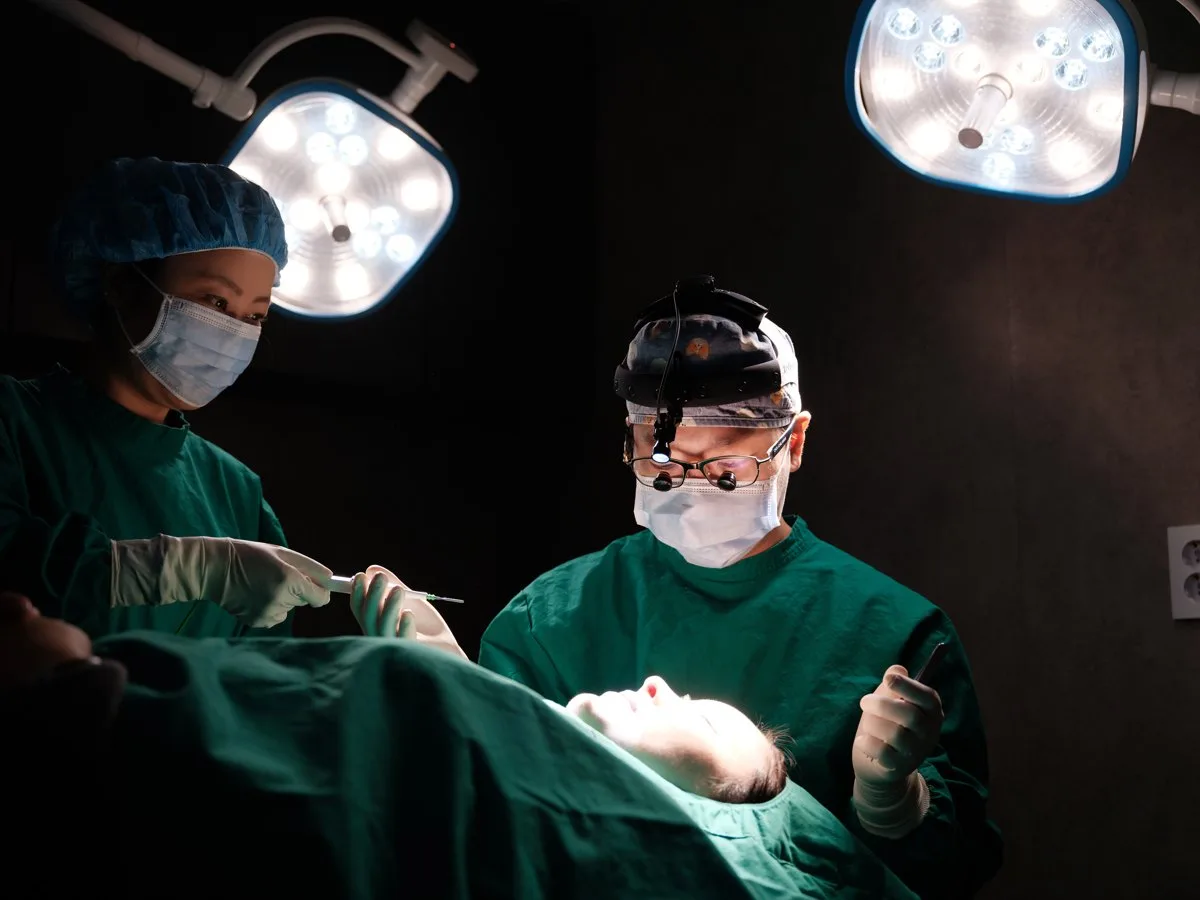
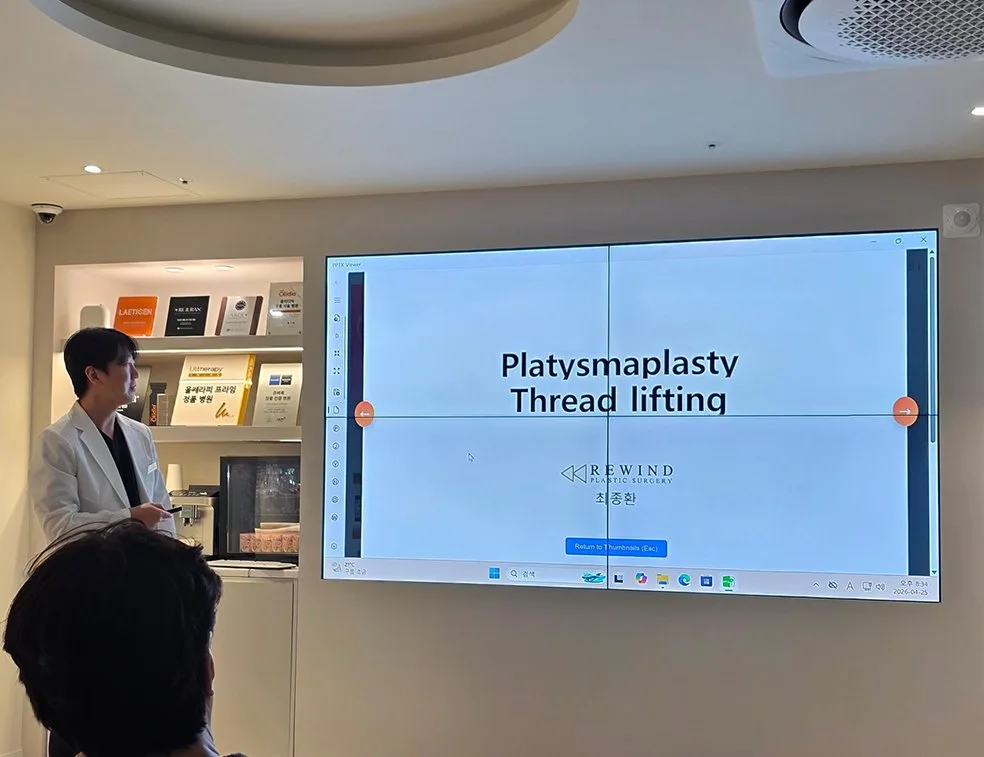
Fig. 04 — Preparation, Richro Building

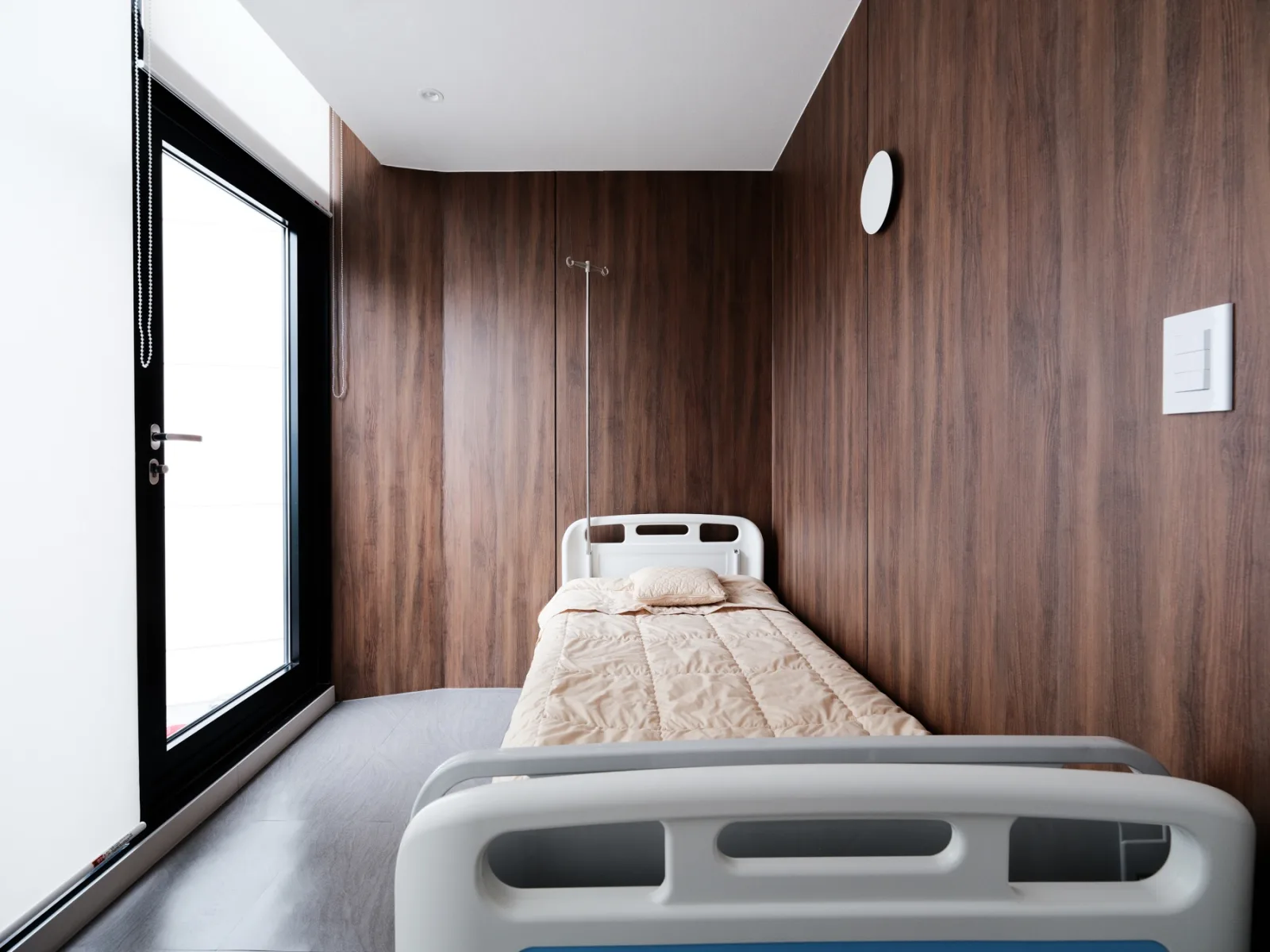
Fig. 05 — The recovery room, where the first hour after surgery is spent
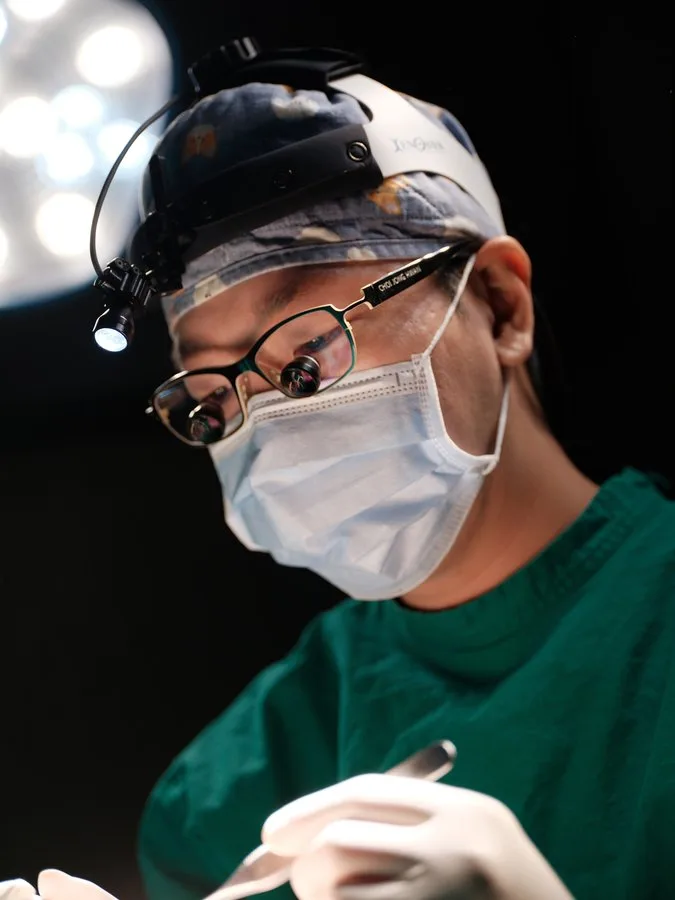
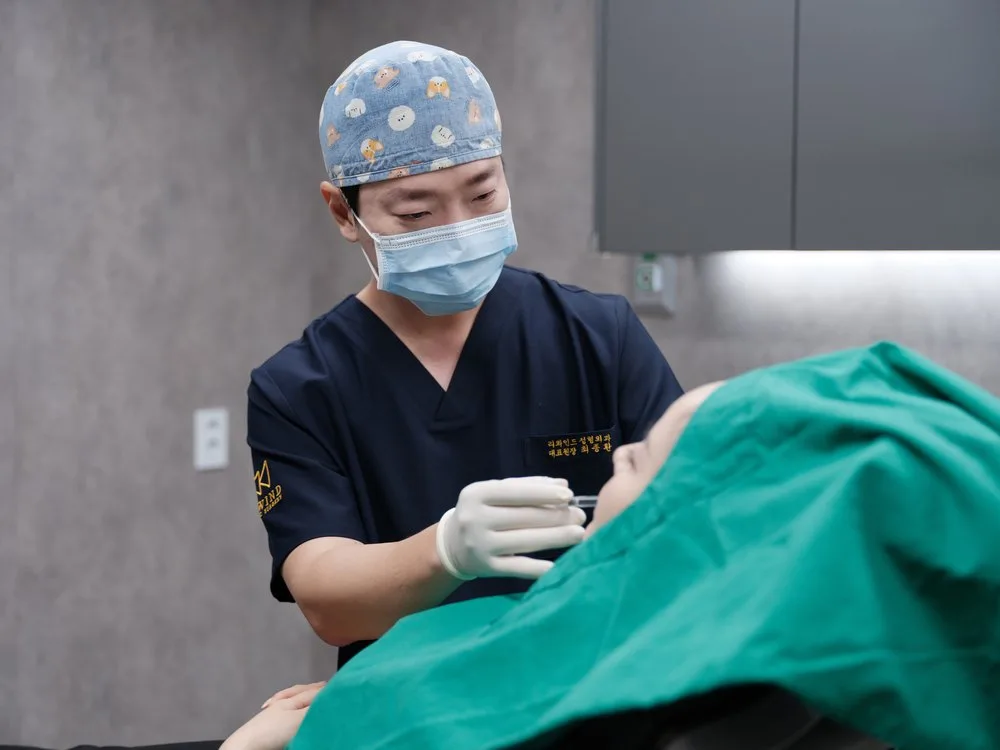
Rewind is a single-surgeon practice on the fourth and fifth floors of the Richro Building in Apgujeong. The under-eye is planned at consultation by the medical director and operated by him, and you go home with a dressing taped beneath the eye that the clinic asks you to leave undisturbed for three days.
Board-certified plastic surgeon
Korean board certification in Plastic Surgery, with ten peer-reviewed publications in the craniofacial and plastic surgery literature. Rewind is registered with KHIDI as an institution for international patients, Reg. M-2025-01-08-09288.
Pricing
The four under-eye listings below are priced apart from one another, and the gaps between them are the gaps between operations. A midface lift performed together with a lower blepharoplasty is carried as its own combined item, quoted when the cheek, and not only the lid, is part of the finding.
Listed rates, VAT excluded; the anaesthetic fee sits inside the figure shown. Which listing applies is settled after examination, and the difference between removal and repositioning is explained before you are asked to choose between them.
Suitability
Recovery
Rewind's post-surgical sheet for the under-eye is short and unusually specific, and the same four instructions are given for fat repositioning and for lower blepharoplasty. The one people forget is the dressing: it stays where it is for three days. Beyond that, the eye area is neither rubbed nor pressed, sun exposure is managed, and the heat that dilates vessels is postponed.
Eyelid surgery carries genuine risk, and the list worth naming is bleeding and haematoma, infection, swelling that outlasts the fortnight, asymmetry between the two sides, over- or under-correction of the hollow, a visible line where a skin approach was used, altered sensation, dryness, and changes in the position of the lower lid, which the published literature discusses as retraction or ectropion. Results cannot be promised and vary by individual. Tell the surgeon about every previous operation around the eye and about any medication you take before a date is agreed. Rewind publishes no fixed number of days for travellers to stay; plan around the one-to-two-week swelling window and settle your own schedule at consultation.
At Rewind, one board-certified plastic surgeon carries every case — from the first consultation to the final follow-up. Because a face is a story, and a story deserves a single author.
Rewind,
Rewind's Doctor
Dr. Jonghwan Choi Medical Director
One surgeon, from the first
consultation to the last follow-up.
A board-certified plastic surgeon devoted to anti-aging lifting — with the precision and restraint built through years of craniofacial practice.
Google Reviews
"Sample review card — at launch this section pulls the clinic's real Google reviews automatically, shown verbatim with the reviewer's initial and posting date."
"Sample review card — reviews are never written or edited by the clinic; only what patients posted on Google appears here."
"Sample review card — a 'See all reviews on Google' link takes visitors to the clinic's Business Profile."
Questions
Reservation
Tell us what you are considering — we reply within one business day, in your language.
Scientific evidence
These papers describe transconjunctival access, tear-trough ligament release, fat redistribution and the complication profile of lower-eyelid surgery as a class; the last of them is a reconstructive series co-authored by this clinic's medical director. None of them is a study of the operation as performed here, and none forecasts an individual outcome. The techniques, access routes and follow-up periods reported belong to each study.