Non-Surgical · Pigment

Pico Laser Toning

A pigment course, counted in visits and judged in months

Gangnam, Seoul | Board-certified plastic surgeon, Dr. Jonghwan Choi
KHIDI-registered for international patients · Apgujeong Rewind

Pico Toning Pico Toning Pico Toning Pico Toning Pico Toning Pico Toning 
Define

Pico laser toning

Pico laser toning: a low-energy course aimed at pigment

The short answer

Pico laser toning is a repeated, low-energy treatment that passes a picosecond laser broadly over pigmented skin instead of attacking one spot at high power. Rewind runs it on the Pico K, the picosecond system the clinic describes as delivering a 300-picosecond pulse at 2.9 W, with the stated aim of breaking pigment into fragments small enough for the body to carry away while keeping damage to surrounding skin low.

Toning is a course. One visit is a step in a plan, and the honest unit of measurement is the sequence, not the session. Rewind publishes no fixed number of visits and no interval between them, so neither figure appears on this page; both are set by the doctor after the pigment in front of him has been identified.

The word toning carries specific meaning in a Korean clinic and it is worth pinning down before you book anything. It refers to the low-fluence, whole-field approach: many gentle passes over a region, repeated across weeks. That is a different procedure from a single high-energy shot placed on one discrete brown lesion, and it is different again from clearing tattoo ink, which uses the same class of laser at settings and intervals built for a different target.

Pigment also refuses to behave as one condition. Melasma, sun-induced spots and the brown marks left behind by acne sit at different depths, arise from different triggers and respond at different speeds. A course designed without that distinction is how patients end up paying for visits that were never going to work on the thing troubling them.

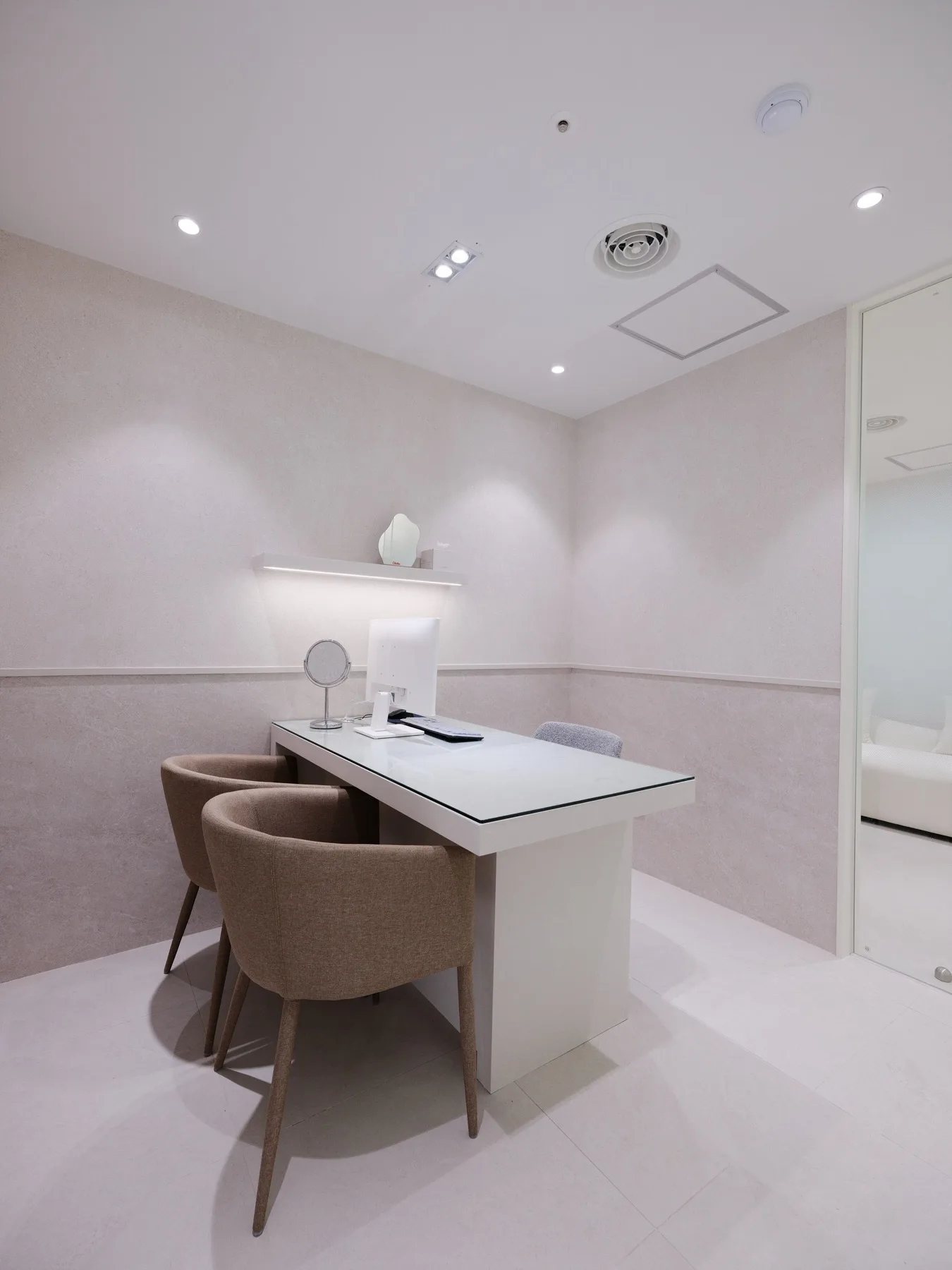
Consultation room at Rewind Plastic Surgery, Apgujeong
Fig. 01 — Which pigment you have is decided here, before any energy is chosen
Targets

What is being treated

The pigment problems a toning course at Rewind is aimed at

Rewind's own description of this device names its uses directly: pigmented conditions including melasma, freckles, blemishes and age spots, along with acne scarring and pore appearance. Those are reproduced below in the order patients usually raise them, with the caveat that identification comes before any of them is treated.

target 01
Melasma across the cheekbones
Symmetrical brown patches that darken in sun and with hormonal shifts. The condition toning was built around, and the one that relapses.
target 02
Freckles and sun spots
Discrete marks accumulated from years of exposure, generally more responsive than melasma and often treated in fewer visits.
target 03
Marks left after acne
The flat brown shadows that persist once a spot has healed, sitting separately from the dent in the surface that needs different work.
target 04
Overall tone and pore appearance
Dullness and coarse pore openings across the mid-face, the softer end of the list and the slowest to show change.

Two things are outside a toning plan even though the same device can do both. Raised moles are removed as lesions, by a different method, and belong on the mole removal page. Ink is its own project with its own settings, its own session counts and a separate line on the price sheet, so tattoo work is quoted after the area has been seen and is not part of any toning course described here.

Pulse

Mechanism

Why pico toning is repeated at low energy instead of done once at high

Four points explain the protocol, and the fourth is the one that decides whether a patient is satisfied a year later.

01Pulse

A shorter pulse shifts the work from heat toward shock

Compress the delivery of energy into picoseconds and the pigment particle is struck faster than it can shed heat into what surrounds it. The dominant effect becomes mechanical fragmentation instead of thermal injury. Rewind's stated figure for this system is a 300-picosecond pulse at 2.9 W, and that timescale is the whole argument for the device class.

02Fluence

Low energy across the whole field, repeated

Toning deliberately runs below the threshold that would blister or crust the skin, accepting slower progress in exchange for a gentler course. The protocol itself was established in the low-fluence Q-switched literature, where melasma was treated in repeated sessions and both the gains and the ceiling were documented.

03Clearance

Fragmented pigment still has to be carried away

Breaking the particle is half the job; the rest is done by your own tissue over the following weeks. Histological work on melasma treated with low-fluence lasers examined what changes in the pigment-producing cells themselves, so a session is judged weeks later and never in the mirror on the way out.

04Maintenance

Melasma is managed, and long-term series say so plainly

A study following low-fluence toning for melasma over the long term asked directly whether it holds, and the field's answer is that relapse is common and sun exposure drives it. Anyone told that a course of toning ends the problem for good has been sold something the published follow-up does not support.

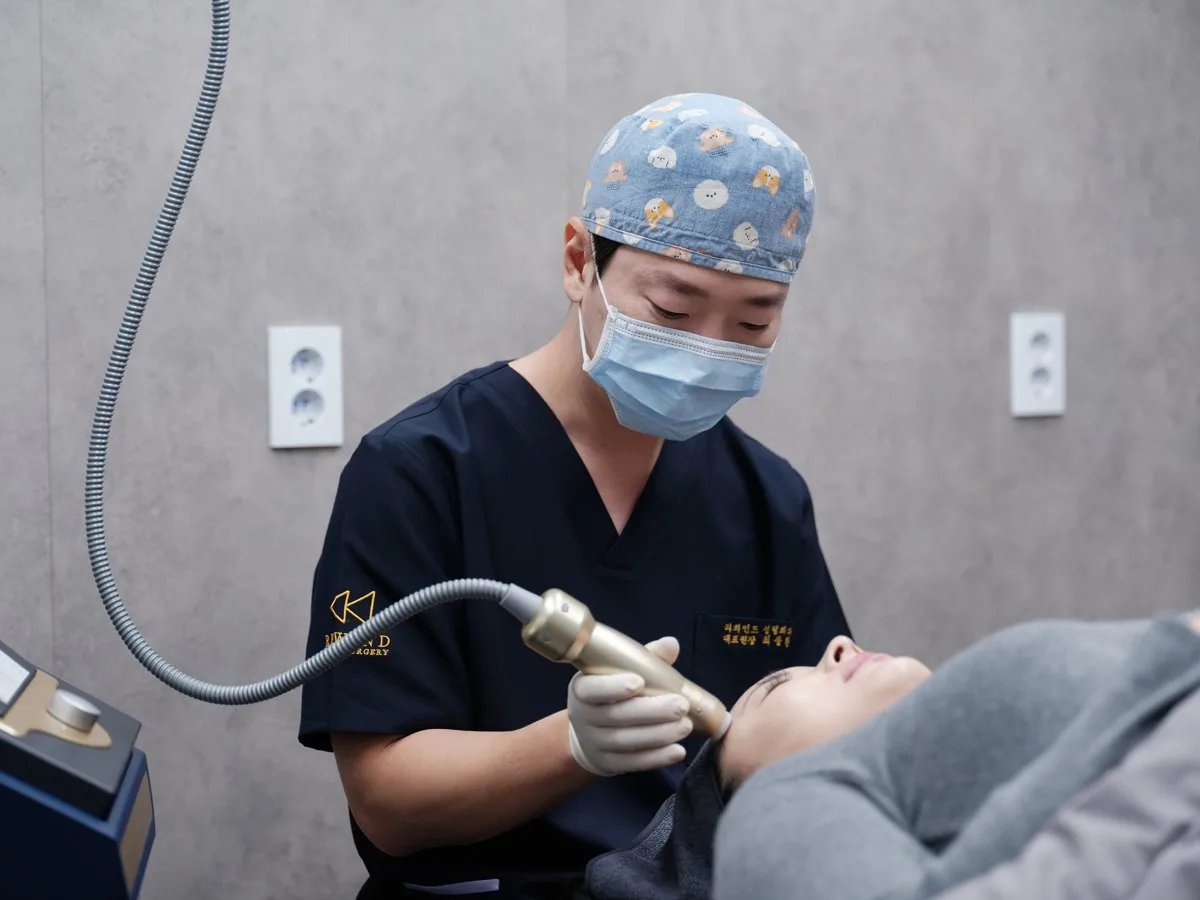
Handpiece work during a device session at Rewind Plastic Surgery, Apgujeong
Fig. 02 — Energy, coverage and pass count are chosen per visit, not fixed to a package
Rewind

Judgement

How a pigment course is planned and held back at Rewind

Toning is the easiest treatment in a clinic to sell in ten-packs and one of the easier ones to overdo. These three positions are how the course is kept proportionate to the diagnosis.

01Diagnosis

Naming the pigment comes before choosing the energy

Melasma, solar lentigines and post-inflammatory marks look similar under bad lighting and behave nothing alike under a laser. Dr. Jonghwan Choi assesses which is present, and where the mixed picture is, before a course is quoted. A plan built on the wrong label wastes months of a traveller's planning.

02Restraint

More passes and shorter gaps are not a better course

Mottled hypopigmentation after low-fluence toning is documented in the literature, and the papers describing it sit at the foot of this page. Overtreatment is the mechanism behind the worst outcomes in this category, so the answer here to a request for faster progress is usually a longer interval.

03Follow-through

Sun discipline is part of the prescription, not an afterthought

A board-certified plastic surgeon who has spent the course lightening a field will say the same thing at every visit: the result depends on what you do outdoors between them. Patients unwilling to use sun protection daily are told the course is a poor use of their money.

Dr. Jonghwan Choi in consultation with a patient at Rewind Plastic Surgery
Fig. 03 — The course is reviewed against the face, visit by visit
Room

On the day

A toning visit at the Apgujeong clinic

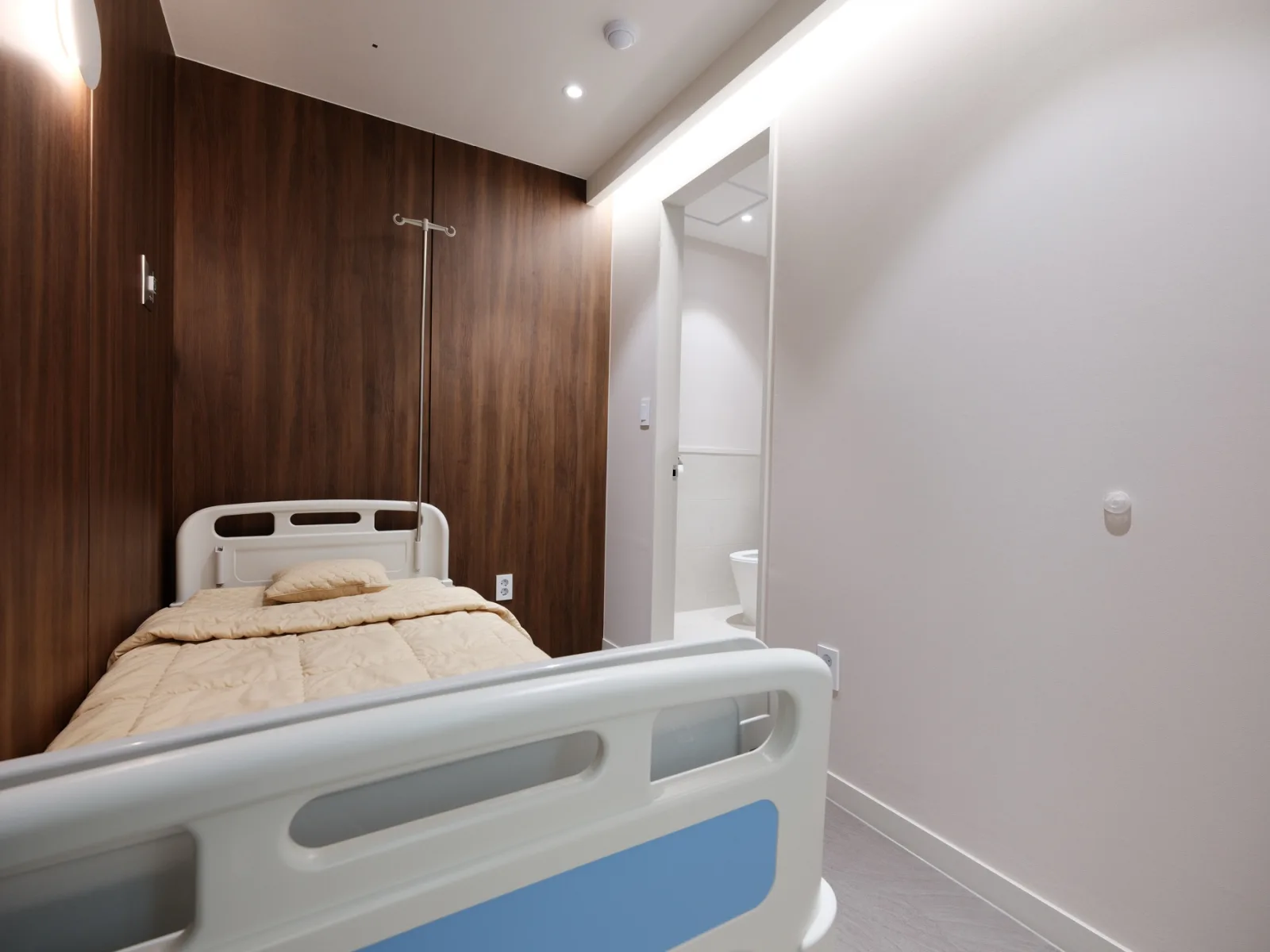
Private room on the treatment floor at Rewind Plastic Surgery

Fig. 04 — Treatment floor, Richro Building

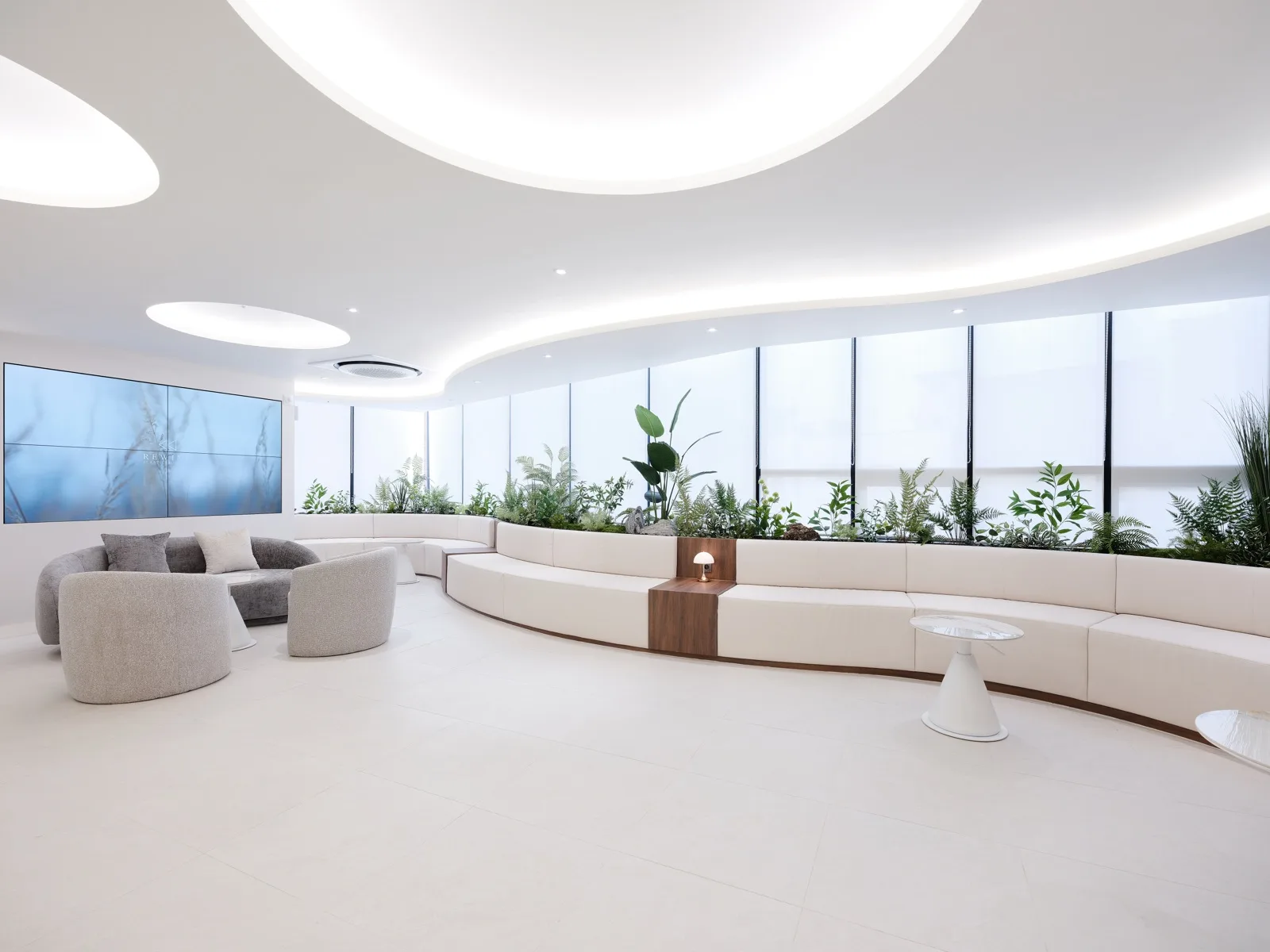
Patient lounge at Rewind Plastic Surgery

Fig. 05 — Where redness is allowed to settle before you leave

Makeup comes off and the face is cleansed, then the pigment is reviewed under clinic lighting against what was recorded at the previous visit. Eye shields go on for anyone in the room. The pass itself is described by most patients as a light snapping sensation with warmth building over the treated field. Visits run on the fourth and fifth floors of the Richro Building in Gangnam, Seoul, by appointment, Monday, Tuesday, Wednesday and Friday from 10:00 to 19:00 and on Saturday from 10:00 to 16:00.

Picosecond laser, Pico K
300-picosecond pulse, 2.9 W
Low-fluence passes across a field
Eye protection worn throughout
Energy set by Dr. Jonghwan Choi
Course reviewed against the previous visit

Anaesthetic arrangements, appointment length and the exact number of passes are not published by the clinic and are therefore not stated here. They are settled in the room, where the pigment can actually be seen. A page that guesses at them is inventing clinical detail, and that habit is how misinformation about laser courses spreads through English-language forums.

Record

Case photography

Toning photographs: the frames Rewind is holding open

No case series for this course has been released by the clinic. Pigment photography is also the category where published pairs deserve the most suspicion, because flash, angle and a wiped-off foundation can produce most of the apparent change on their own. The cards stay empty until Rewind has its own consented series shot to a fixed protocol.

Pico toning — case pairs

BEFORE PHOTO
AFTER PHOTO
BEFOREAFTER
case — pigment course
Pico laser toning
Individual results may vary.
BEFORE PHOTO
AFTER PHOTO
BEFOREAFTER
case — pigment course
Pico laser toning
Individual results may vary.
BEFORE PHOTO
AFTER PHOTO
BEFOREAFTER
case — pigment course
Pico laser toning
Individual results may vary.
BEFORE PHOTO
AFTER PHOTO
BEFOREAFTER
case — pigment course
Pico laser toning
Individual results may vary.

When pairs for this course are published they will carry the details that make a pigment photograph checkable: the same camera distance and the same lighting on both dates, a bare face in both frames, the number of visits completed, and the interval since the last one. Consent will be on file for each. No specific outcome can be promised from another patient's skin, and individual results may vary.

Rates

Pricing

Pico toning rates per visit in Gangnam, Seoul

Both lines below are per visit, which is deliberate: a pigment plan is bought one appointment at a time and reassessed as it goes. The second row is the fractional mode on the same platform, listed here because patients weighing a texture complaint against a pigment complaint should see both figures together.

Pico toning — one sessionLow-fluence passes across the treated field
₩150,000
Pico fraxel — one sessionFractional mode, chosen when surface texture is the complaint
₩300,000

VAT sits on top of both rates, so the receipt runs above the sheet, and numbing preparation is already counted inside them. Ink removal is priced by the size of the area and is quoted separately after it has been seen. No course total is given before the examination, because the number of visits is the only part of the arithmetic that moves and it is decided from your skin.

Fit

Suitability

Who a pico toning course suits, and who is turned away

Usually a sound plan

  • Diffuse melasma or sun-driven pigment in someone prepared to treat it as an ongoing condition
  • Freckles and scattered brown marks where the skin is otherwise healthy and unbroken
  • Flat brown marks remaining after acne has calmed, with no active inflamed lesions in the field
  • Patients who will use sun protection every day and accept that progress is measured across visits
  • Travellers able to start a course and continue it, whether here or with a clinician at home

Reasons the doctor declines

  • A recent tan, sunburn or a holiday booked immediately after, all of which raise the risk of an uneven response
  • Any history of patchy lightening after previous toning, which is a stop signal rather than a dosing problem
  • Photosensitising medication, recent isotretinoin, or an active skin infection over the area
  • Raised or changing lesions that need diagnosis before anything is aimed at them
  • An expectation of clearance in one visit, or of a single course ending melasma for good
After

Recovery

What the days after a toning session ask of you

Rewind publishes aftercare for laser treatment as a short list, and it is short because the demands are few and non-negotiable. The four cards below follow that clinic instruction.

Straight after
Redness is expected
The clinic's own sheet states that redness can appear immediately after a laser session. It is part of the normal course and settles on its own.
Same day
No heat, no sweat
Sauna, steam rooms and exercise that raises a sweat are kept out. Heat on freshly treated pigment works against the visit you just paid for.
Following days
Hands off the field
Massage, scrubs and any strong mechanical stimulation of the treated area are avoided, on the clinic's instruction, while the skin settles.
Every day after
Sunscreen decides the outcome
Sun protection whenever you go out is the instruction the clinic repeats, and in a pigment course it is the single behaviour that determines whether the gains hold.

The risks deserve naming in full. Temporary redness, mild swelling and a gritty or tender feeling over the field are ordinary. Post-inflammatory darkening can follow in skin prone to it, which is the paradox of treating pigment with light. Mottled hypopigmentation after repeated low-fluence toning is described in published case work and in a study examining the melanocyte changes behind it, and the references are listed below. Blistering or crusting is uncommon at toning settings and should be reported to the clinic. Any new patch of lightening, any area that grows darker instead of fading, and any pain lasting beyond the day of treatment are reasons to come back before the next scheduled visit.

Doctor

Professional

At Rewind, one board-certified plastic surgeon carries every case — from the first consultation to the final follow-up. Because a face is a story, and a story deserves a single author.

Dr. Jonghwan Choi, board-certified plastic surgeonRewind,
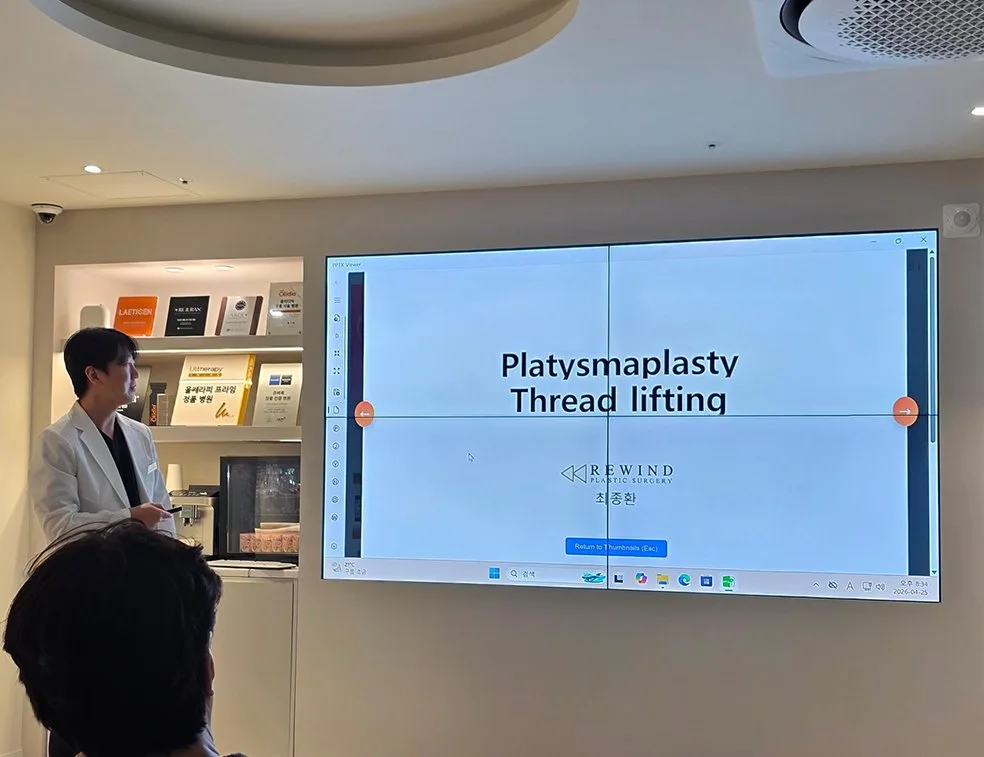
Dr. Jonghwan Choi presenting at an academic session
Fig. 06 — Academic presentation, thread-lifting session

Rewind's Doctor

Dr. Jonghwan Choi Medical Director

One surgeon, from the first
consultation to the last follow-up.

A board-certified plastic surgeon devoted to anti-aging lifting — with the precision and restraint built through years of craniofacial practice.

Board-certified plastic surgeon (Plastic Surgery)
10 peer-reviewed publications
Medical Director, Rewind Plastic Surgery
Korean Society of Plastic & Reconstructive Surgeons
Former chief director, Apgujeong Y&T Plastic Surgery
Korean Society for Aesthetic Plastic Surgery
J Craniofac Surg · JKMS · Arch Craniofac Surg
Korean Cleft Palate-Craniofacial Association
Voices

Google Reviews

What our patients say.

G 5.0 ★★★★★ 12 Google reviews · Rewind Plastic Surgery, Apgujeong — live-synced from Google Business Profile

"Sample review card — at launch this section pulls the clinic's real Google reviews automatically, shown verbatim with the reviewer's initial and posting date."

AReviewer namePOSTED ON GOOGLE

"Sample review card — reviews are never written or edited by the clinic; only what patients posted on Google appears here."

BReviewer namePOSTED ON GOOGLE

"Sample review card — a 'See all reviews on Google' link takes visitors to the clinic's Business Profile."

CReviewer namePOSTED ON GOOGLE
Ask

Questions

Pico toning questions from patients planning a Seoul trip

What is pico laser toning in practice?
Repeated low-energy passes of a picosecond laser across a pigmented field, done as a course. Rewind runs it on the Pico K, described by the clinic as a 300-picosecond pulse at 2.9 W. The aim is to fragment pigment gradually while keeping the surrounding skin intact.
Does a course end melasma for good?
No. Long-term work following low-fluence toning for melasma treats relapse as the expected pattern, and sun exposure is the usual driver. The realistic framing is management: lighten the field, then hold it with daily sun protection and occasional maintenance visits.
How many visits before anything is visible?
Rewind publishes no session count, so no number appears here. Toning is designed as a sequence at low energy, which means change accumulates across visits instead of arriving at once. The doctor sets the plan after identifying the pigment and revises it against what the earlier visits produced.
How is pico toning different from Q-switched laser toning?
Pulse duration. A picosecond pulse delivers its energy far faster than a nanosecond one, shifting the effect toward mechanical fragmentation of pigment. The toning protocol itself, low fluence and repeated sessions, came out of the Q-switched literature cited at the foot of this page.
What is pico fraxel, and when is it used instead?
It is the fractional mode on the same platform, aimed at surface texture, acne scarring and pore appearance instead of flat pigment. It carries its own rate on the price sheet and its own recovery pattern, and the choice between the two is made at the examination.
Do freckles respond differently from melasma?
Generally yes. Discrete sun-driven marks sit more superficially and tend to clear in fewer visits, while melasma is deeper, hormonally influenced and prone to return. A face carrying both is treated as a mixed case and is the usual reason a course is planned in stages.
Is toning safe on darker skin tones?
It is used across a wide range of skin types precisely because it runs at low energy, but deeper skin tones carry a higher risk of darkening afterward and of patchy lightening from overtreatment. That risk is handled by conservative settings and longer intervals, and it is discussed before you commit.
What does one session cost?
Per-visit rates for toning and for the fractional mode are both published in the pricing section above, with VAT charged separately on top. Numbing preparation is counted inside the rate. A total for a course only follows the examination, because the visit count is what moves it.
What is the downtime, and can I wear makeup afterwards?
The clinic's laser instruction sheet warns of redness immediately afterward, rules out sauna and sweaty exercise, asks that the area is not massaged or strongly stimulated, and requires sun protection outdoors. Most people return to normal activity the same day with those limits in place.
Can I finish a course inside one trip to Korea?
Rarely, since toning is spaced across weeks by design. A practical plan is to start here, then continue under a clinician at home, or to schedule visits around return trips. Interpreter-assisted consultation is arranged for international patients and the clinic is KHIDI-registered for them.
What can go wrong?
Redness and short-lived tenderness are ordinary. Skin prone to it can darken after treatment instead of clearing. Mottled hypopigmentation following repeated low-fluence toning is documented in the case literature and in work examining the melanocyte changes involved, and overtreatment is the recognised route to it.
Is tattoo removal the same treatment?
No. Ink removal uses this class of laser at different settings, over different intervals, and is priced by the size of the area on a separate line of the sheet. Raised moles are also handled separately; see mole removal for that route.
Booking

Reservation

REWIND,booking

Tell us what you are considering — we reply within one business day, in your language.

Scientific evidence

Low-fluence toning for pigment: what the studies report

These five papers describe the protocol this course inherits and the limits that came with it: long-term outcomes and relapse in melasma, a comparison of low-fluence treatment with intense pulsed light, histopathology of treated lesions, and two studies of the mottled loss of pigment that follows overtreatment. All of them examine Q-switched systems at low fluence, which is where toning was defined. None was carried out at Rewind Plastic Surgery, and none of them predicts what your own pigment will do.