Non-Surgical · Radiofrequency Microneedling
Needle depth from 0.3 mm to 4.0 mm, set against the condition
Gangnam, Seoul | Board-certified plastic surgeon, Dr. Jonghwan Choi
KHIDI-registered for international patients · Apgujeong Rewind
RF microneedling
The short answer
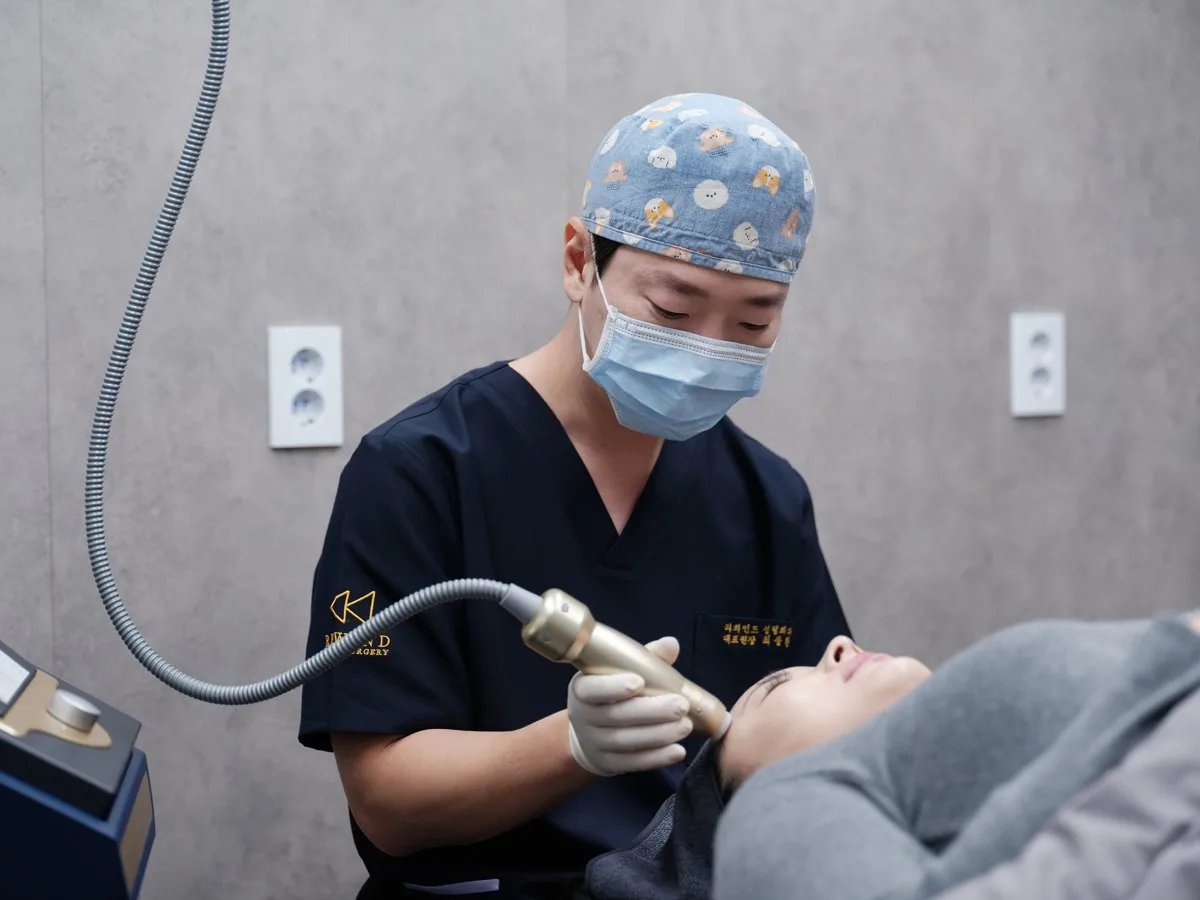
RF microneedling drives fine needles through the skin surface and releases radiofrequency thermal energy from their tips at a chosen depth. Rewind runs it on Sylfirm X, and the clinic's own device record describes that system in exactly those terms: a medical device combining radiofrequency with microneedling, carrying needles adjustable from 0.3 mm to 4.0 mm, so the intended skin layer can be targeted according to the condition and the symptoms in front of the doctor. The four aims recorded against it there are melasma, facial redness, pore appearance and firmness, addressed together.
Source: Rewind's own equipment documentation. How many appointments a plan runs to, how far apart they sit, what numbing arrangement applies and how long a visit takes are all absent from that record, so none of those figures are stated anywhere on this page. They belong to the examination.
The category name confuses people, and it helps to separate its two halves. Microneedling on its own makes controlled channels through the surface. Radiofrequency on its own heats tissue from outside the skin and is limited by everything it has to pass through first. Put the current at the tip of the needle and the heating starts where the needle stops, which turns an adjustable needle into an adjustable treatment depth.
That single sentence is the whole argument for the device class, and it is also the reason this page keeps returning to millimetres. A 0.3 mm setting and a 4.0 mm setting deliver the same class of energy to entirely different tissue. Two patients can leave the same room, treated on the same console, having received treatments with almost nothing in common.
Rewind holds one radiofrequency microneedling platform. Other manufacturers build consoles in this category, and you will find English-language pages ranking them against each other; that contest is not run here. What follows describes the machine that is actually in this clinic and the four things the clinic's record asks of it.
What the platform is pointed at
Rewind's equipment record names four targets for this system and describes them as being addressed in the same session. The order below is the order patients tend to raise them in at the desk, and each one implies a different working depth, which is the point of owning an adjustable needle at all.
Two boundaries are worth drawing now. Flat sun-driven pigment as the leading complaint is usually a light problem before it is a needle problem, and the route for that is a pico laser toning course on a different platform. Structural descent — a jaw line that has dropped, a mid-face that has lost its position — is not a skin-quality complaint at all, and no needle depth on this console answers it. Being told which of the three you actually have is the most useful thing a consultation produces.
Mechanism
Four steps describe what happens between the handpiece touching down and the plan for your next appointment being written. The third is where the device earns its place, and the fourth is where most disappointment originates.
The outer layer is built to keep things out, and it is very good at it. A stamped array of fine needles passes through it in a controlled pattern, creating discrete channels at a set spacing. Nothing therapeutic has happened yet; this step only puts the working end of the device where the current can be delivered.
Rewind's device record states the adjustable range plainly, and describes the purpose of that range as targeting the intended skin layer according to condition and symptom. Shallow settings sit in the upper dermis where redness and surface texture live. The deeper end of the range reaches tissue associated with firmness. One console, several treatments.
The clinic's description is that radiofrequency thermal energy is delivered into the skin at the depth the needle has reached. Because the current enters from the needle itself, the layers above it are spared the heating load that an external applicator would impose on them. That sparing is why an aggressive dermal treatment can be done with a short visible recovery.
Thermal injury at a controlled depth starts a repair process that runs for weeks after you have gone home. A single appointment is a step in a plan. Rewind publishes no session count and no interval for this platform, so this page states neither; both are set at the examination and revised against what the previous appointment actually produced.

Judgement
This is a device that can be sold in ten-session blocks to almost anybody, and the published record supports some of its uses far better than others. These are the positions that keep a plan proportionate.
Peer-reviewed work on fractional microneedle radiofrequency clusters around acne, atrophic acne scarring and enlarged pores; a real-world series in 75 patients, a meta-analysis, split-face trials and a study of selective sebaceous gland electrothermolysis all sit at the foot of this page. Melasma and redness appear in this clinic's four stated aims, and they carry thinner published support in this device category. You are told which of your complaints sits on which side of that line.
Rewind holds a single radiofrequency microneedling console. A page that ranks consoles against each other is selling a purchase decision the clinic cannot honour, since only one of those machines is in the building. What is discussed at the consultation is depth, coverage and whether energy is the right answer at all.
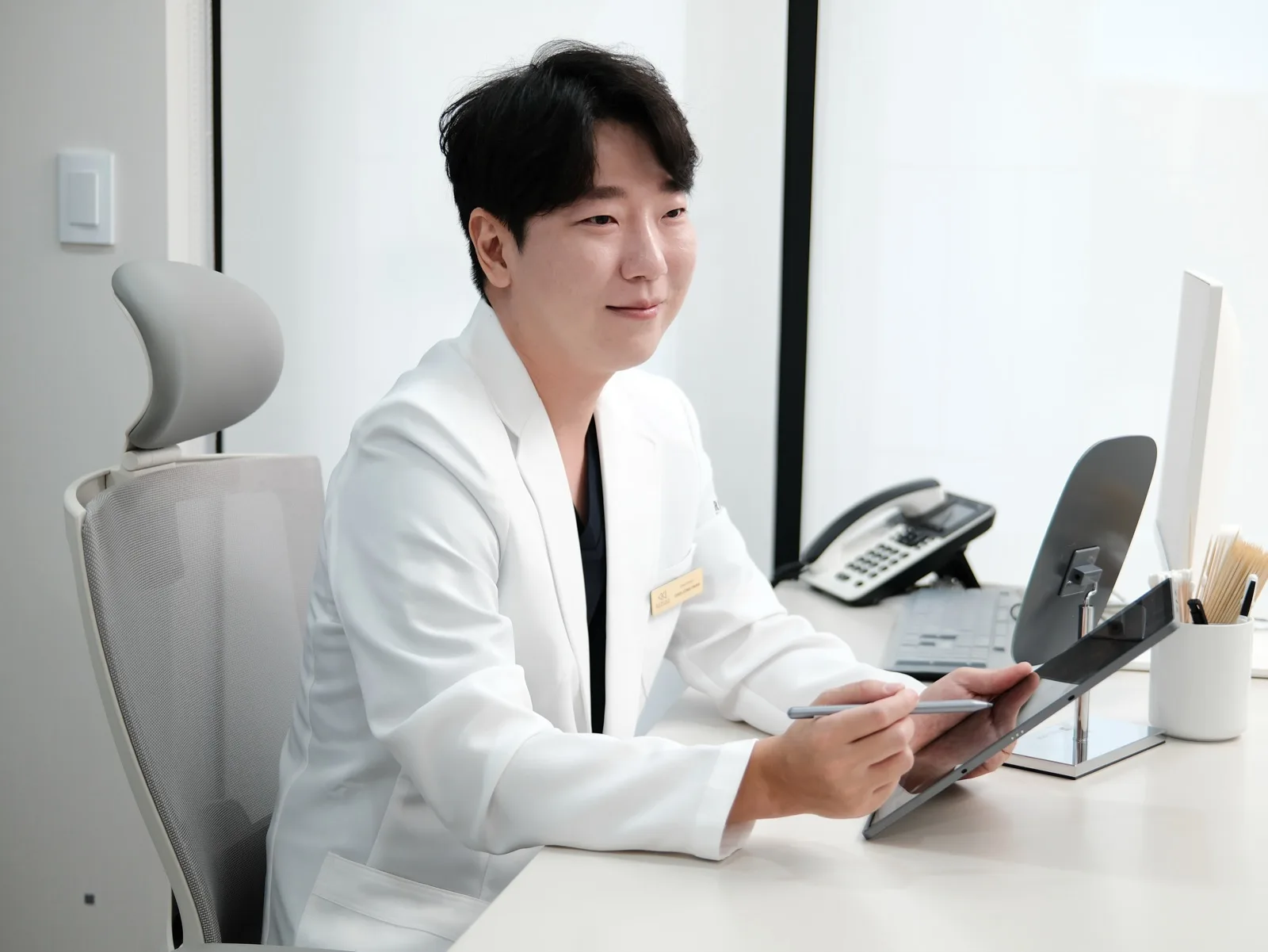
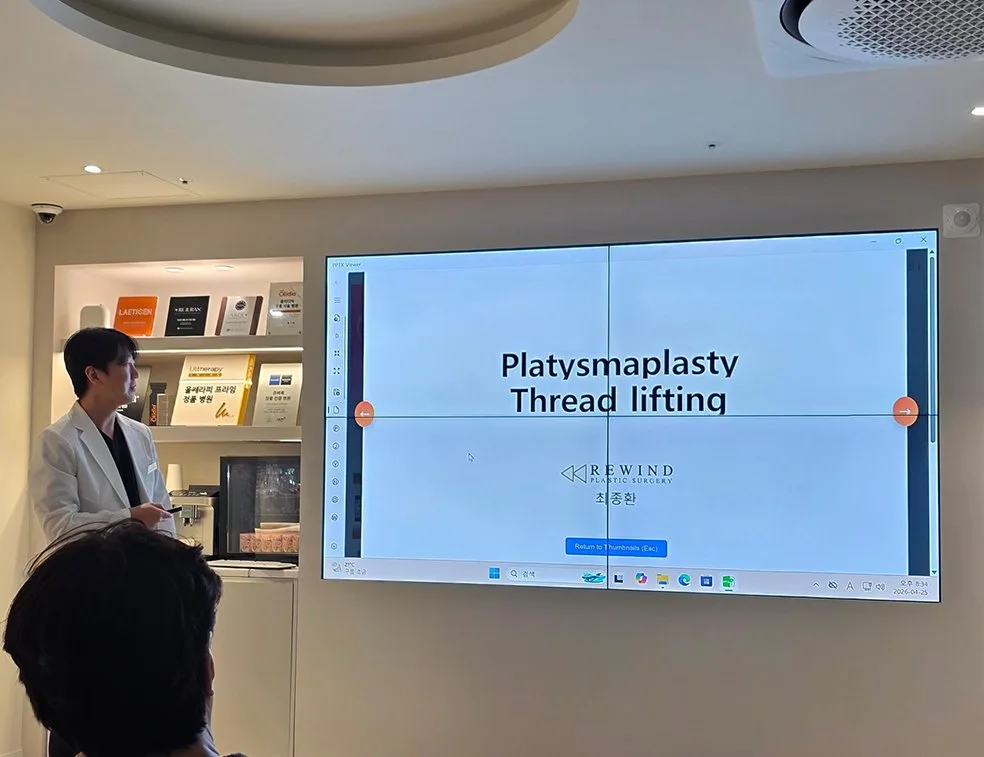
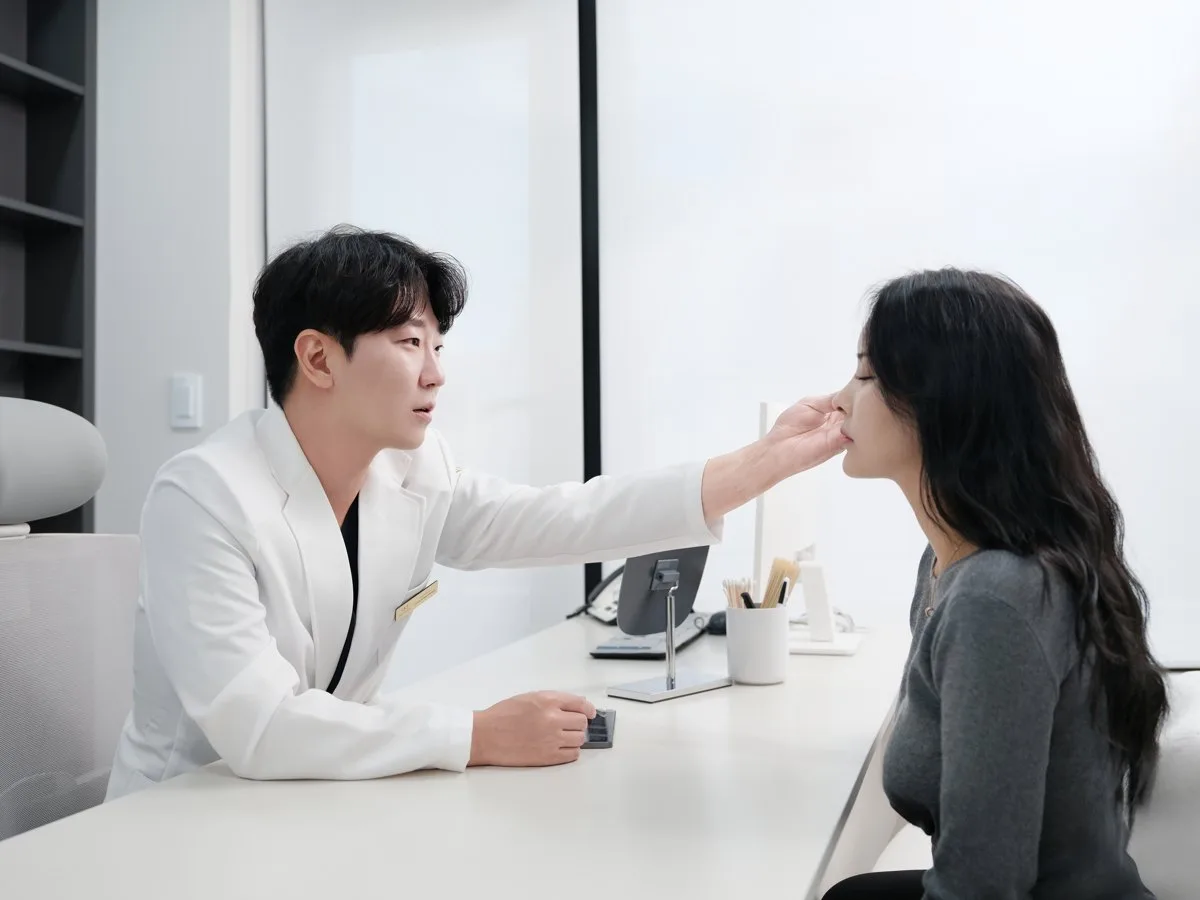
Dr. Jonghwan Choi assesses the skin, sets the depth and sees the same face at the following appointment. A board-certified plastic surgeon spends most of a working week deciding when tissue should be cut and when it should be left alone, and that reflex transfers usefully to a device whose main failure mode is being run too hard.
On the day

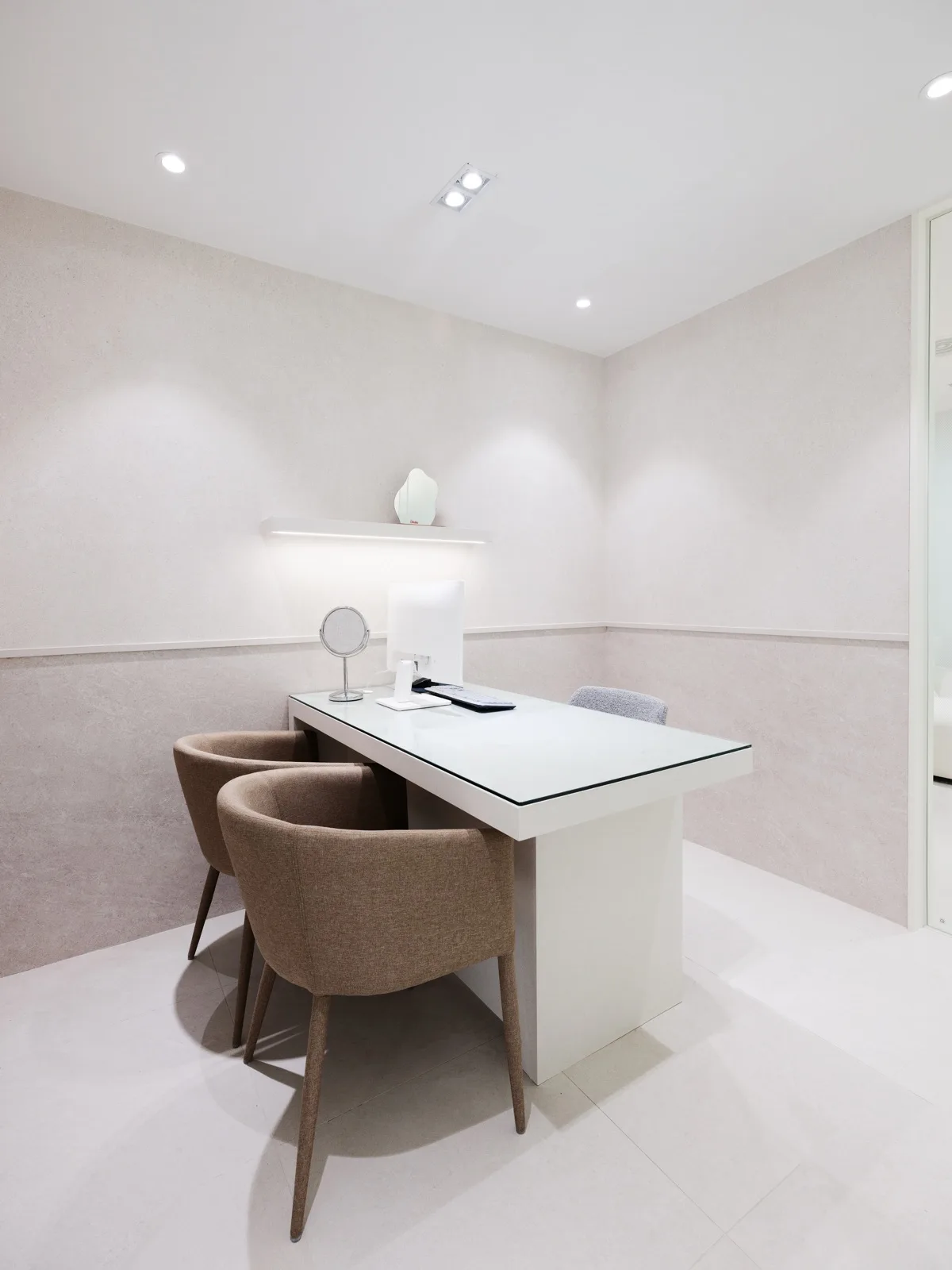
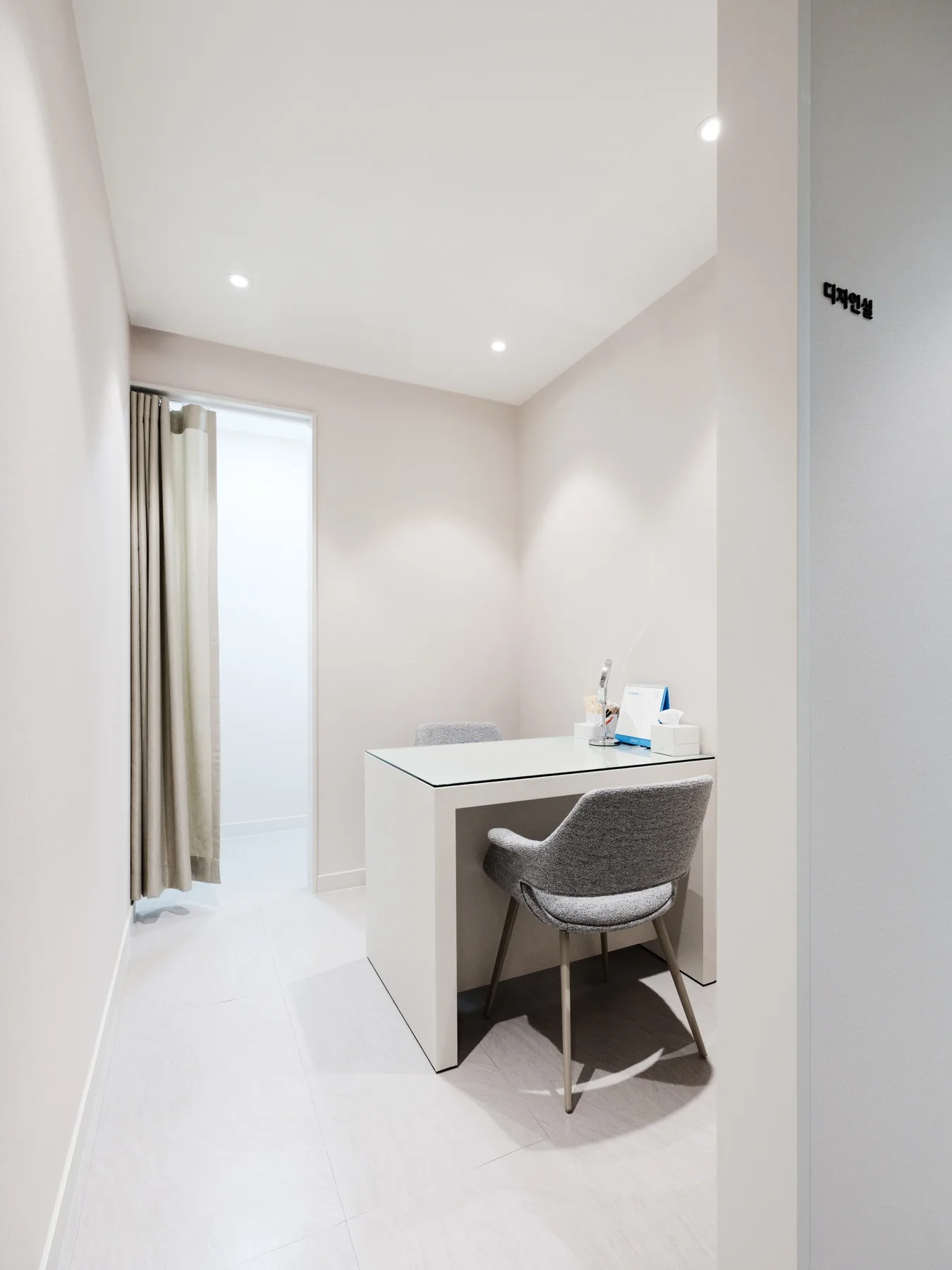
Fig. 04 — A treatment room on the clinic floor

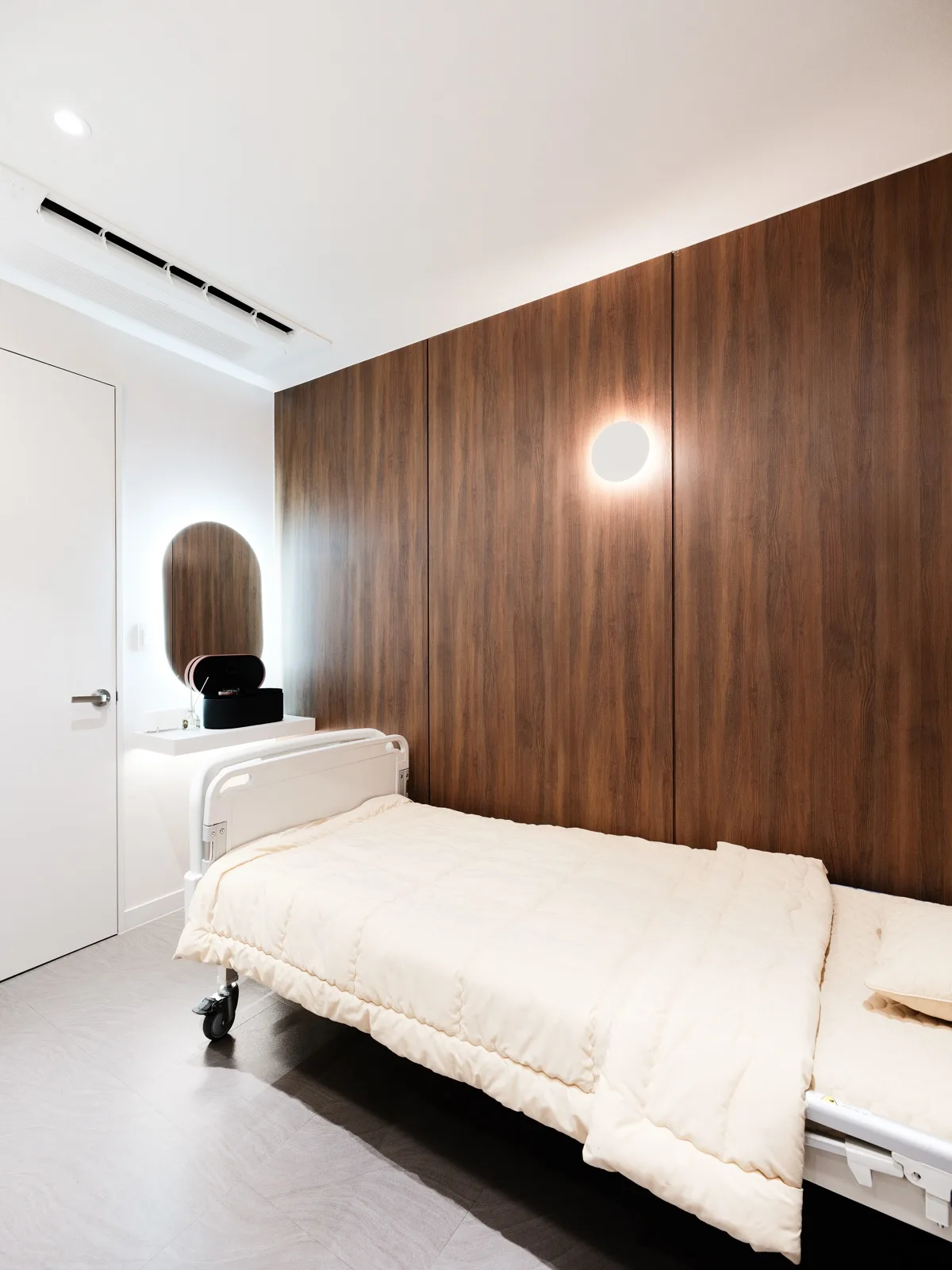
Fig. 05 — Where redness is given time to settle before you leave
Makeup comes off, the skin is cleansed and the regions being treated are marked against what was agreed at the consultation. Depth is set per region: the nose and inner cheeks rarely want the same setting as the jaw line. Patients describe the pass itself as a firm tapping with heat arriving a beat later. Work happens on the fourth and fifth floors of the Richro Building in Gangnam, Seoul, by appointment, Monday, Tuesday, Wednesday and Friday from 10:00 to 19:00 and on Saturday from 10:00 to 16:00.
Numbing arrangements and appointment length are not published by Rewind for this platform, so this page does not state them; a website that guesses at clinical detail is manufacturing it. Sessions are sometimes assembled with an injectable step, and the price sheet below carries a separate combined rate for that reason. Whether that pairing suits your skin is a question for the examination and not for a booking form.
Case photography
Rewind has not released a consented case series for this platform, and the cards below stay empty until it does. Skin-quality photography is also the category where published pairs deserve the most scepticism: a change of angle, a harder flash and a bare face against a made-up one can manufacture most of the apparent difference without any treatment occurring at all.
When pairs for this platform are published they will carry the details that let a reader check them: matched camera distance and matched lighting on both dates, a bare face in both frames, the needle depths used, the number of appointments completed and the interval since the last one. Written consent will be on file for every pair. No specific outcome can be promised from another patient's skin, and individual results may vary.
Pricing
Two published rates, and the gap between them is structural. The first is what this platform costs when it is the whole appointment. The second applies when the pass is assembled inside a larger session alongside another step, where part of the room time and preparation is already being paid for once.
VAT is charged on top of both figures, so the receipt sits above the sheet, while numbing preparation is already counted inside them. Combination pricing exists because combinations are commonly proposed here; it is not an argument for booking one. Nothing resembling a course total is quoted before the examination, because the count of appointments is the only term in that sum that moves, and it moves according to what your skin turns out to need.
Suitability
Recovery
Rewind's aftercare for its device treatments is short, specific and written for people who are about to go back outside. The four cards below follow that clinic instruction; the paragraph beneath them names what can go wrong.
Naming the risks properly matters more here than anywhere else on this page. Rewind's own record states that bruising or swelling may occur after a device session and generally subsides within a few days. Beyond that, the recognised list for needle-based radiofrequency includes pinpoint bleeding and grid-pattern marking at the entry points, prolonged redness, temporary darkening in skin prone to it, small crusts where the needles entered, infection if the barrier is disturbed while it is open, and scarring where energy has been pushed too hard for the tissue. Sensation over a treated field can be altered for a period. Any area that darkens instead of settling, any tenderness building past the first few days, and any discharge or spreading warmth are reasons to contact the clinic before the next appointment rather than after it. On duration, the clinic's record for its device treatments says only that effects may last six months to a year or more depending on the skin and the treatment; that is the figure Rewind publishes and this page does not improve on it.
At Rewind, one board-certified plastic surgeon carries every case — from the first consultation to the final follow-up. Because a face is a story, and a story deserves a single author.
Rewind,
Rewind's Doctor
Dr. Jonghwan Choi Medical Director
One surgeon, from the first
consultation to the last follow-up.
A board-certified plastic surgeon devoted to anti-aging lifting — with the precision and restraint built through years of craniofacial practice.
Google Reviews
"Sample review card — at launch this section pulls the clinic's real Google reviews automatically, shown verbatim with the reviewer's initial and posting date."
"Sample review card — reviews are never written or edited by the clinic; only what patients posted on Google appears here."
"Sample review card — a 'See all reviews on Google' link takes visitors to the clinic's Business Profile."
Questions
Reservation
Tell us what you are considering — we reply within one business day, in your language.
Scientific evidence
These five papers map the ground this device category stands on: a real-world series in enlarged pores, a meta-analysis pooling fractional radiofrequency work in acne and acne scarring, a trial in Asian skin with atrophic scarring, a split-face comparison against a fractional laser, and a controlled study of selective sebaceous gland electrothermolysis. They describe the class of technology, not this clinic's console specifically, and none of them was carried out at Rewind Plastic Surgery. None of them predicts what your own skin will do either, which is the reason the plan is written in a room and reviewed appointment by appointment.