Surgery · Eye Rejuvenation
How wide the eye opens, measured before any line is drawn
Gangnam, Seoul | Board-certified plastic surgeon, Dr. Jonghwan Choi
Eye-opening correction, listed as its own item · KHIDI-registered for international patients
Ptosis correction
The short answer
Ptosis correction treats how far an eye opens. When the muscle that raises the upper lid pulls weakly, the lid margin rests low across the iris, the eye reads sleepy at every hour of the day, and the brow quietly takes over work the lid should be doing. At Rewind this correction has no package of its own: on the clinic's rate list, correction of eye opening appears as an item added to a double eyelid operation. That is also the shape of the conversation — a finding at the examination that changes both the plan and the quotation.
Sources for this page: Rewind's Korean eyelid pages, which publish the findings this item is judged on, and the clinic's own rate list, where eye-opening correction sits as a separately priced addition. Rewind publishes no surgical description for it, so no incision, anaesthetic or operating time is stated below.
One word covers two complaints. In English-speaking practice ptosis usually arrives as a functional problem: a lid low since childhood, or one that has dropped with age, sometimes far enough to shade the upper field of vision. In Korean eyelid practice the same correction is asked for by people whose eyes look heavy and tired in photographs. Both groups reach the same chair, and both are measured the same way before anything is offered.
The measurement matters more here than in most eyelid work, because a fold and an opening are separate things. A crease operation changes where the lid folds. Correcting the opening changes how much of the eye the lid uncovers. One can be done without the other, and confusing the two is the most common reason a patient is disappointed by a technically clean crease.
Before & After
Rewind photographs its own patients, under one lighting setup, in the clinic. Eye-opening correction is almost always carried alongside a crease operation, so any case shown here would have to be captioned with both procedures to be truthful about what changed. No such case has been cleared for publication on this page yet, and the four frames below stay marked as pending until the clinic releases its own. Borrowing a photograph from a crease page to fill them would misdescribe the operation this page is about.
Photographs on Rewind pages are the clinic's own patients, published only with consent and never retouched. Individual results may vary, and no case predicts another. Swelling, bruising, a difference in height between the two lids, altered sensation and scarring can follow eyelid surgery. An examination with the surgeon comes before any decision about this item.
What is measured
Rewind publishes candidacy findings for this item and no technique page, so those findings are what the decision runs on. Four of them recur across the clinic's eyelid material, and each one is observed: you are asked to look straight ahead, and the surgeon watches what the lid and the brow actually do.
Two neighbouring operations answer to findings that look similar from the outside. When the weight over the eye turns out to be lid skin that has descended with age, the answer lies with upper blepharoplasty and not with the opening muscle. When the inner corner is what narrows the eye, the discussion moves to epicanthoplasty. Both are separate listed operations here, with their own scars and their own recoveries.
In sequence
This section describes a decision and not a dissection. Rewind's Korean site carries surgical step-by-step pages for its crease operations and for its lid-skin operations; it publishes none for eye-opening correction. So the sequence below is the one the clinic does document: what is measured, what the finding attaches to, and what is confirmed by the surgeon before a date exists.
Both eyes are observed in a straight-ahead gaze, and then again with the brow held still, since a busy forehead hides how little the lid is lifting. The two sides are recorded separately. An asymmetry found at this point changes the plan more than any preference about crease height does.
Descended skin, a dropped brow and a weak lift all produce a tired eye. Each has its own operation at this clinic, and the examination exists to tell them apart. Where two of them coexist, the surgeon says which one is doing most of the work and what a single operation will and will not change.
Rewind's crease choice — buried, partial-incision or full-incision — is made on lid thickness and on the volume of fat above the eye. Eye-opening correction is added to whichever of those the lid can hold, so the same finding can produce two different plans in two different eyes.
Because the item is priced separately on the clinic's list, it cannot be folded silently into a crease quotation. You are told at the chair that it is being added and what it adds. Where a previous operation is being corrected, the quotation follows an examination of that surgery.
In the published literature this class of operation is discussed as levator advancement: the muscle that lifts the lid is addressed so that it does more of the work. Which approach an individual eye needs, and under which anaesthetic, is confirmed by the operating surgeon. Rewind publishes neither detail, so this page states neither.

Why here
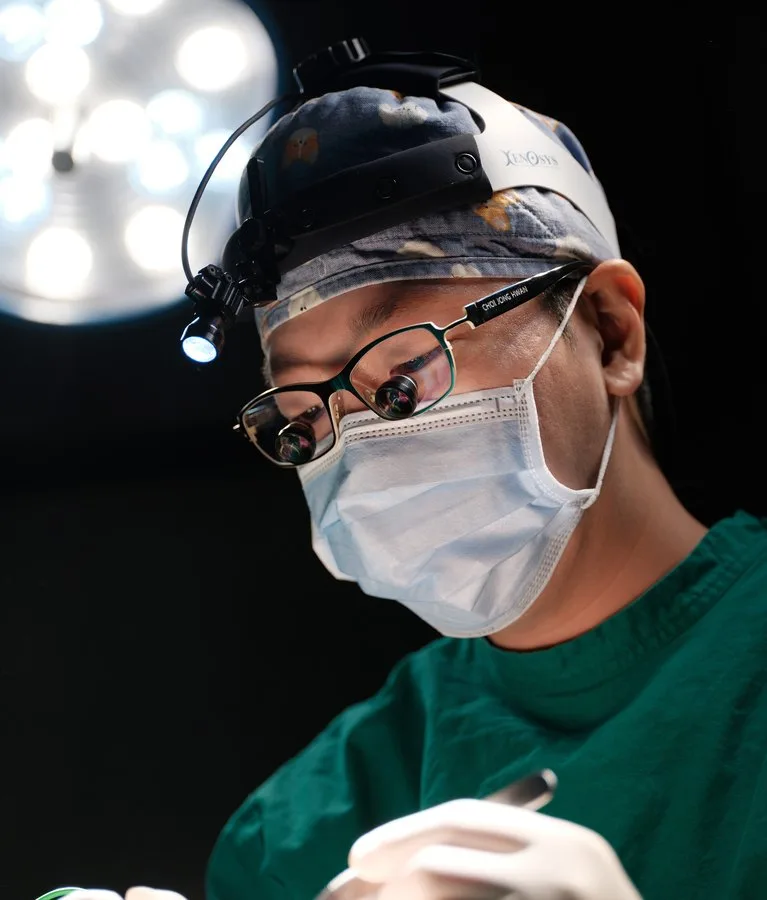
This item is decided by observation and carried out in millimetres, and the person who judged the lift is the person who has to reproduce that judgement in theatre. At Rewind those are the same person, and the correction is charged as a line you were told about, never absorbed into a package.
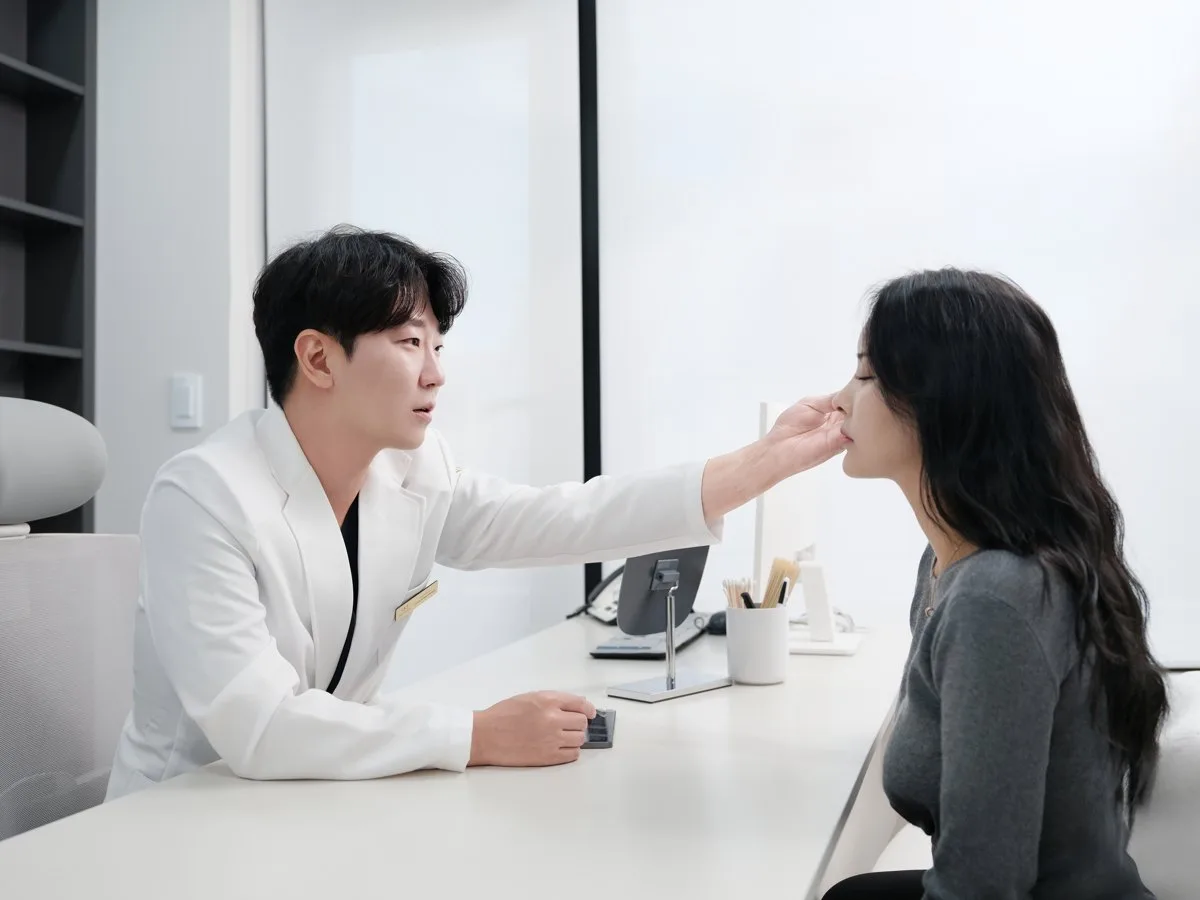
How much of the iris a lid uncovers, whether the brow is compensating and whether the two sides differ are things you see in a person, not in a photograph sent ahead. The medical director holds that examination himself, and the operation is planned from what he measured that day.
Rewind prices eye-opening correction as an addition to crease surgery. That structure has a patient-facing consequence: nothing about the opening can be quietly bundled into a crease price, and revision cases are quoted only after the earlier surgery has been examined.
One board-certified plastic surgeon examines, operates and holds every review afterwards; no case is handed to a second operator. Overseas patients are supported in their own language through consultation and follow-up, and the clinic is KHIDI-registered as an institution for international patients.
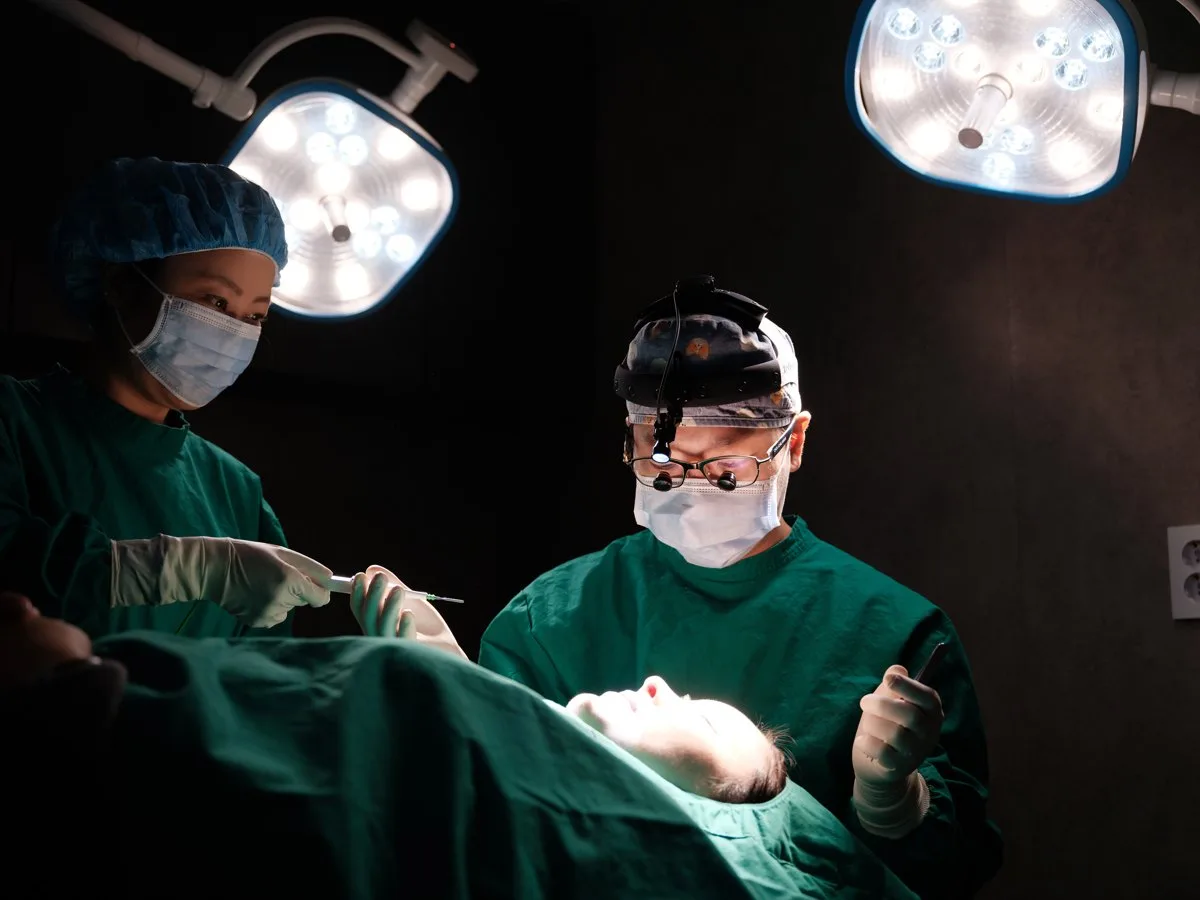
In the operating room

Fig. 04 — Prepared for eyelid work, instruments laid out

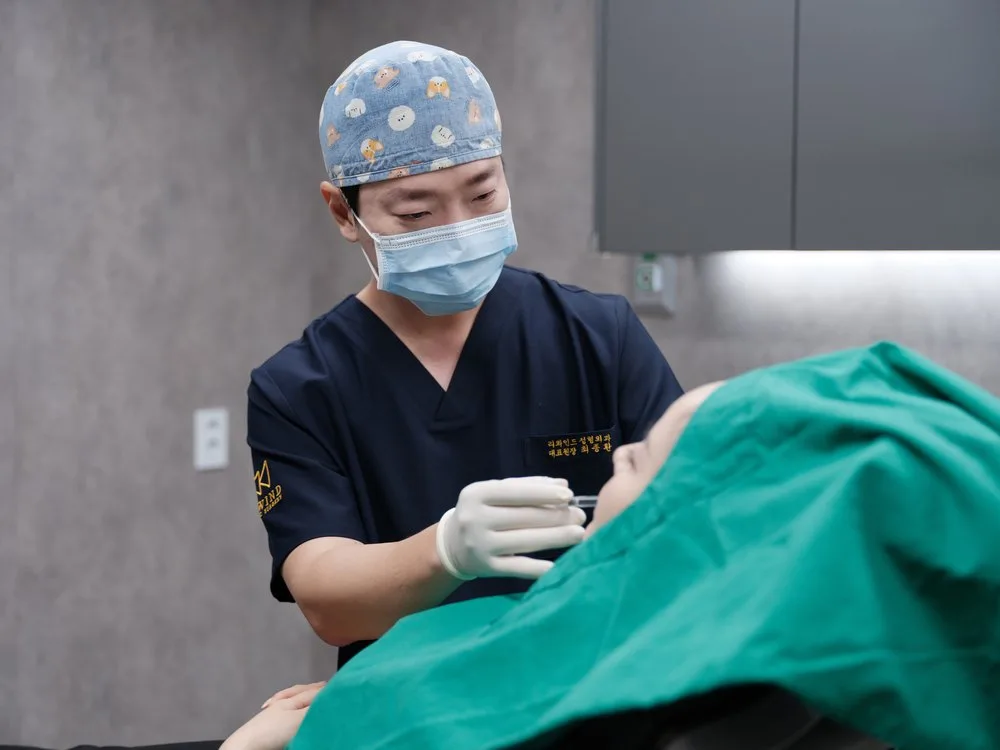
Fig. 05 — Recovery, where the first cold compress is given
The clinic occupies the fourth and fifth floors of the Richro Building in Apgujeong, Gangnam. Consultation, surgery and every review afterwards are held by the medical director, and surgical consultations are taken Monday, Tuesday, Wednesday and Friday until 19:00 and Saturday until 16:00, by appointment only. Two things this page will not tell you are the anaesthetic and the time in theatre: Rewind does not publish either for this item, and a number invented for a web page is worse than a blank.
Board-certified plastic surgeon
Korean specialist certification in Plastic Surgery; member of the Korean Society for Aesthetic Plastic Surgery and of the Korean Cleft Palate-Craniofacial Association. Rewind is KHIDI-registered to treat international patients, Reg. M-2025-01-08-09288.
Pricing
This item is never quoted alone. It is quoted beside the crease operation that carries it, and the crease is chosen on the lid, so the four lines below are the ones an eye consultation usually touches. Your figure is the sum of the lines your examination called for, and the cheapest crease on the list is not automatically the one your lid can hold.
Listed rates, VAT excluded; the anaesthetic fee already sits inside each figure shown. Correction of an earlier operation is quoted after that surgery has been examined, because what is left to work with decides the scope. Nothing reaches your plan here without being named at the chair first.
Suitability
Recovery
Rewind publishes its aftercare by operation, and this item inherits the sheet of whichever operation carried it. Two upper-lid sheets exist at the clinic: one for a buried-suture lid and one for an incisional lid. The clinic does not publish a suture-removal day for eye-opening correction itself, so no date is given here; what follows is what its own sheets ask for.
Eyelid surgery can bring swelling, bruising, a height difference between the two lids, altered sensation, dryness or irritation of the eye surface, and scarring. The exact height an eye settles at cannot be promised in advance: a corrected lid can end higher or lower than its partner, and where that happens it is examined and discussed before anything further is planned. Tell the surgeon about every previous eye operation and about any medication you take before a date is agreed.
At Rewind, one board-certified plastic surgeon carries every case — from the first consultation to the final follow-up. Because a face is a story, and a story deserves a single author.
Rewind,
Rewind's Doctor
Dr. Jonghwan Choi Medical Director
One surgeon, from the first
consultation to the last follow-up.
A board-certified plastic surgeon devoted to anti-aging lifting — with the precision and restraint built through years of craniofacial practice.
Google Reviews
"Sample review card — at launch this section pulls the clinic's real Google reviews automatically, shown verbatim with the reviewer's initial and posting date."
"Sample review card — reviews are never written or edited by the clinic; only what patients posted on Google appears here."
"Sample review card — a 'See all reviews on Google' link takes visitors to the clinic's Business Profile."
Questions
Reservation
Tell us what you are considering — we reply within one business day, in your language.
Scientific evidence
These papers describe the class of operation, not this clinic: how an unrecognised weak lift changes the plan for an upper-lid operation, what a five-year series of combined crease and lift correction reports, how a coexisting congenital lift problem is planned around, and what the outcome literature for upper-lid surgery measures. Rewind publishes no technique of its own for eye-opening correction, so nothing below is presented as a description of the operation performed here. None of these studies predicts an individual outcome.