Surgery · Nose base pricing

Alarplasty Cost in Korea

Two published routes, and what lands beside them

Gangnam, Seoul | Board-certified plastic surgeon, Dr. Jonghwan Choi
KHIDI-registered for international patients · Apgujeong Rewind

Alarplasty Cost Alar Reduction Cost Alarplasty Cost Alar Reduction Cost 
Rates

Alarplasty cost

How much does an alarplasty cost in Gangnam, Seoul?

The short answer

Rewind treats the nose base as two distinct operations and publishes a figure for each: an incisional alar reduction, and a thread cinching that narrows the alae and the columella together. Whichever one your examination selects is the first line of the quotation. Anything else the base needs, such as the columella or the height at which the nostril sits, is listed as its own correction with its own rate. The anaesthetic fee is already counted inside each published figure and VAT is charged in addition. A nose that has been operated on before is quoted from the clinic's revision rates, which sit above the first-operation figures.

The figures on this page come from Rewind's own price sheet for nose surgery, and the surgical descriptions from the clinic's Korean page for alar reduction. Four items are simply not stated there: the type of anaesthesia, the running time of the operation, the date stitches are taken out and the duration of swelling. Because the clinic publishes none of them, nothing on this page attaches a cost to them.

Most people arrive at this question holding a second one: is the thread route simply the cheap version? The two figures sit close together, which already tells you they are not a budget model and a premium model of the same operation. They reach different findings. Thick alar walls and a nostril opening that needs resizing belong to the incisional route; a base where the columella is as broad as the alae, and where less tissue needs to leave, belongs to the thread. Paying the lower figure for the wrong finding is how a nose ends up being quoted twice.

Consultation and diagnosis at the desk at Rewind Plastic Surgery, Apgujeong
Fig. 01 — No figure is written down before the base has been measured on the face it belongs to
Findings

What moves the total

Four findings that decide what an alar reduction is quoted at

None of the four is a preference. Each is something the surgeon reads on your face at the examination, and each either adds a listed correction or removes one.

finding 01
Which alar route the base calls for
Alar skin thickness, how much width has to leave, and whether the nostril opening itself is part of the complaint. The incisional route works upward from the nostril floor and can resize the opening itself; the thread route acts on the outer wall and on the columella. Each carries its own published figure.
finding 02
Whether the width is only at the base
If the front view is wide because the tip above the base is wide, or because the columella sits broad between the nostrils, the plan gains a line that has nothing to do with the alae. Those corrections are listed separately and quoted separately, so you can see what each one contributes.
finding 03
What has already been done to this nose
A nose carrying a previous operation is assessed as revision work and quoted from the clinic's revision rates, which run above the figures for a first operation. What can be rebuilt depends on what was done the first time, so the applicable figure is set after the examination and never before it.
finding 04
Whether any alar line belongs on the plan at all
Rewind measures alar width against the proportion it publishes: a base taking up a fifth of the facial width and sitting level with the inner and outer eye corners. A base already inside that fifth comes off the quotation, and the conversation moves to whatever is actually making the nose read wide.

Two of those findings have pages of their own. Width coming from the tip or the bridge is set out under rhinoplasty, and a nose already carrying an implant or a contracture is assessed under revision rhinoplasty, where a different rate sheet applies.

Quote

From the base view to a written figure

How an alar quotation is built at Rewind, step by step

Five things happen between the base view being taken and a plan leaving the desk with figures on it. The first three decide the size of the number, the last two decide whether you can read it.

01Measure

The measurement decides whether an alar line exists

Alar width is checked against the facial fifths and then from beneath, where the clinic looks for a nostril outline close to equilateral and a nostril length of roughly two thirds of the nose. A base inside those proportions does not get a line, whatever the photograph on your phone suggests.

02Route

The route sets the first figure on the page

Alar skin thickness and the amount of width to be removed point to the incisional reduction; a case where the columella is part of the picture and less tissue has to go points to the thread. Both figures are published, so the two possible openings to your quotation are knowable before you fly.

03Neighbours

Corrections beside the base are counted one by one

The column between the nostrils and the height at which the nostril sits are separate operations with separate rates, as are bridge and tip work. Sharing one visit to theatre does not merge those fees. It does mean the plan can be read with an optional line taken out, which is the point of listing them apart.

04History

An earlier nose operation moves the whole arithmetic

Scarred tissue, an implant in place, or a base that has already been narrowed once all change what the operation involves. Rewind quotes that work from its revision rates, and the figure is confirmed once the surgeon has established what was done the first time. A description sent by email cannot settle it.

05Total

What the written plan says about tax and anaesthesia

Each line appears with its own rate, the anaesthetic fee sits inside those rates, and VAT is shown as an addition rather than folded in. If a proposed line has no examination finding behind it, it does not reach the paper, and the total is written out in full before any surgical date is held.

Dr. Jonghwan Choi explaining a treatment plan to a patient at Rewind
Fig. 02 — The surgeon who will operate is the one who reads the figures out
Rewind

Why line by line

Why the nose base is priced as separate corrections

A single headline figure for a nose hides the only two questions that move it: which route the base needs, and how many of the neighbouring corrections the examination actually justified. Listing them apart puts both on the table, and it lets an optional line be declined without the rest of the plan being renegotiated.

01Two rates

The incisional reduction and the thread cinching are priced as what they are

A practice holding a single alar method will fit every base to it. Keeping both routes open, each with a published figure, means alar skin thickness and columellar width lead somewhere different and cost something different, and the difference is visible to you before the consultation begins.

02Measurement

The measurement, not the sales conversation, decides what is listed

Rewind publishes the proportion it designs to, so the same rule that puts an alar line on the plan can take it off. A base already occupying its fifth is told so at the desk, and the quotation shrinks accordingly.

03The months after

Follow-up is arranged with the operating surgeon when the plan is written

An alar closure keeps changing for months after the stitches are gone, and this is a single-surgeon practice, so the reviews belong to the person who placed it. Correspondence with patients travelling from abroad runs in their own language from the first enquiry, at an institution registered with KHIDI for foreign patients.

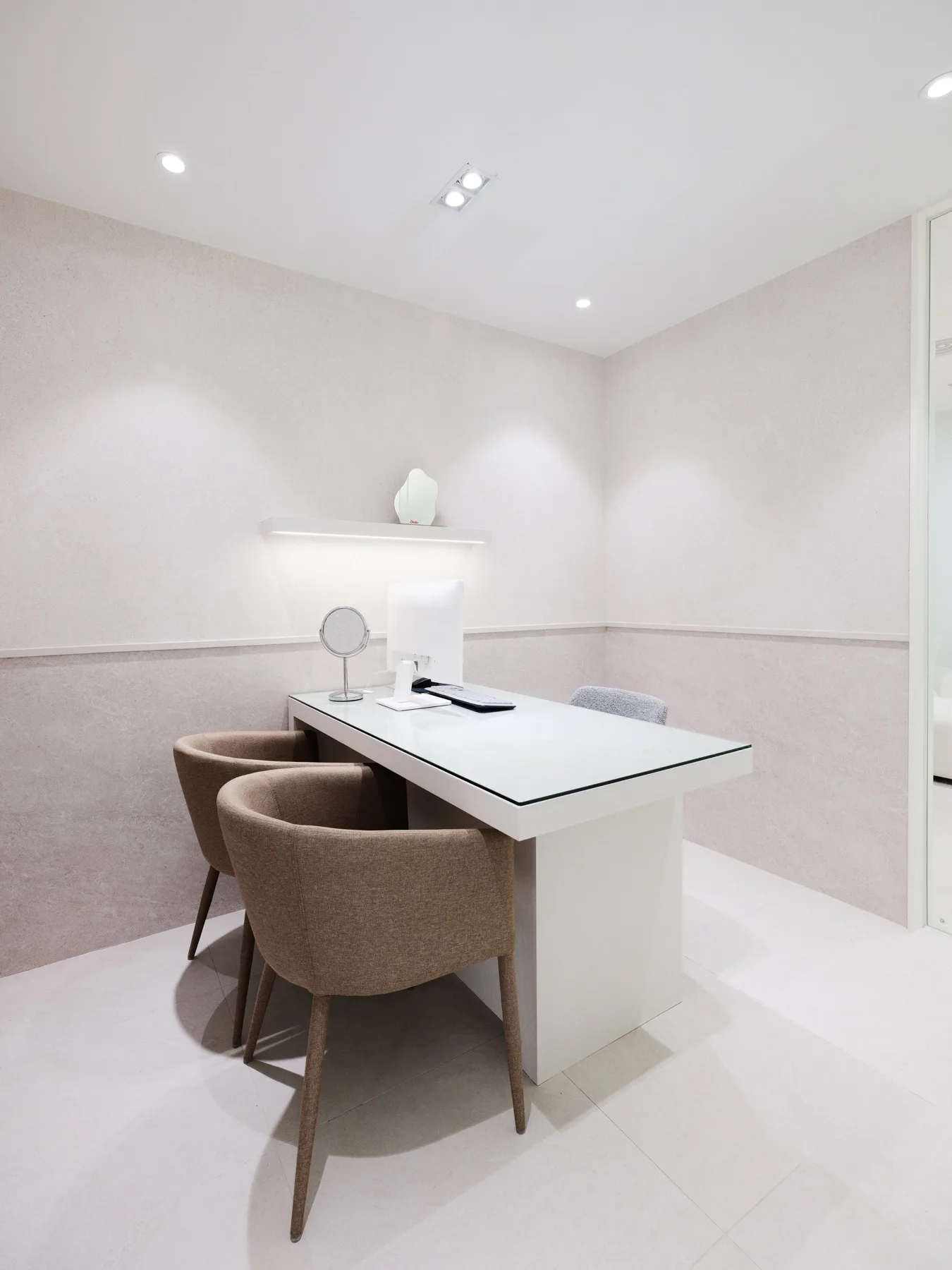
Consultation room at Rewind Plastic Surgery, Apgujeong
Fig. 03 — One room, one plan, read through line by line
Included

What the figure covers

What an alar reduction rate pays for on the day

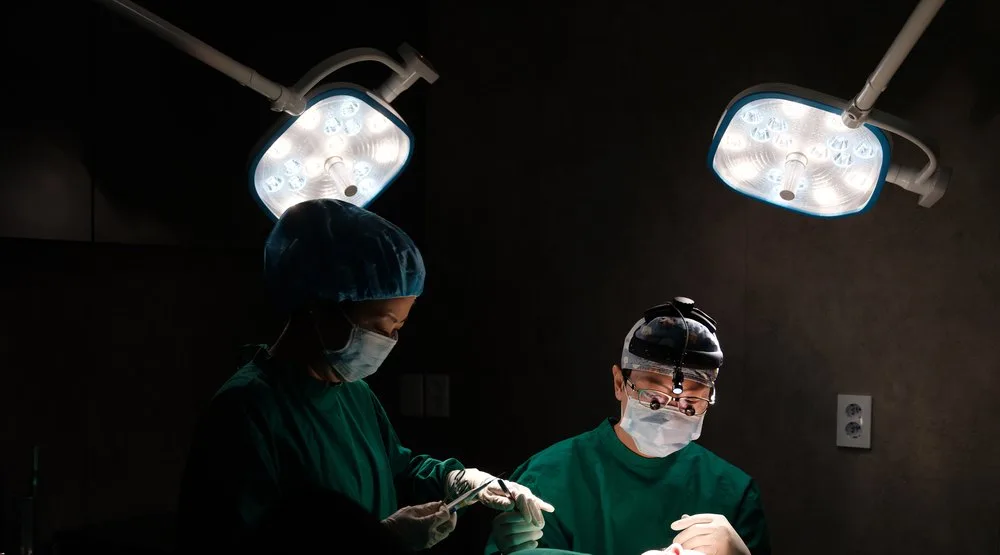
Operating room at Rewind Plastic Surgery, Richro Building

Fig. 04 — The clinic's own operating room, on its own floors

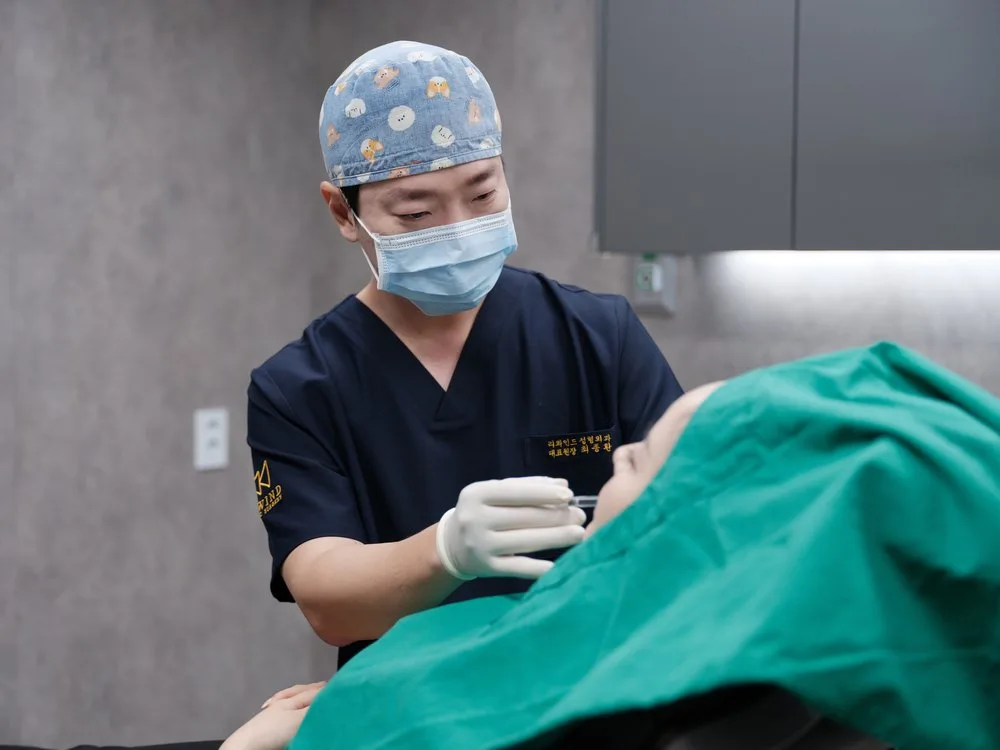
Draped preparation of a patient in the procedure room at Rewind

Fig. 05 — Preparation, before the first stitch is placed

Rewind occupies the fourth and fifth floors of the Richro Building in Apgujeong and runs by appointment, with consultations from 10:00 to 19:00 on Monday, Tuesday, Wednesday and Friday, and from 10:00 to 16:00 on Saturday. One surgeon carries the whole case, so the figure on your quotation is not divided between a consulting doctor and an operating doctor. The list below is what a published alar rate already contains, and the two items it does not.

Anaesthetic fee counted inside each published rate
VAT added on top of the listed rate
Design measured to your facial fifths and base view
Choice between the incisional and thread routes
Operating room on the clinic's own two floors
Operated by Dr. Jonghwan Choi from start to finish
Columella and nostril height quoted as their own lines
Revision figures set after the earlier surgery is examined
Dr. Jonghwan Choi, board-certified plastic surgeon at Rewind

Board-certified plastic surgeon

Every figure on this page belongs to an operation performed by a surgeon certified by the Korean board in plastic surgery. Patients arriving from overseas are treated under the clinic's KHIDI registration, M-2025-01-08-09288.

List

Published figures

Rewind's listed rates for the nose base and the corrections beside it

Read these as components. Your own quotation is the alar route the examination selected, plus whichever neighbouring correction it justified. The two rhinoplasty lines appear here because the question of a combined plan comes up in almost every alar consultation, and because the arithmetic of a combined session is simply these figures added together.

Alar reduction, incisionalAlar tissue removed through the nostril floor, surplus skin excised, closure following the alar crease
₩700,000
Alar cinching with a threadA needle puncture on the outer alar wall, drawing alar and columellar width in together
₩600,000
Columella correctionListed on its own when the column between the nostrils is part of what makes the base read broad
₩1,500,000
Nostril loweringQuoted only when the base view identifies the level of the nostril as part of the problem
₩4,000,000
Rhinoplasty, bridge and tip by the open approachWhere the width being complained about is coming from above the base
₩3,500,000
Tip plasty without an implantTip work alone, for a round or blunt tip sitting over alae that already measure correctly
₩3,000,000

Each figure above is a standard list price for a first operation, with VAT still to be added and the anaesthetic fee for that operation already inside it. The price sheet carries no combined package for the nose and no discount for booking several lines at once; a session holding three corrections is quoted as three figures. Revision rates are separate and higher, and they are confirmed only after the earlier surgery has been examined. Where a plan runs to several lines, the total is written out in full at the consultation, before a surgical date is held.

Fit

Which figure applies

When an alar line stays on the quotation, and when it is taken off

Findings that keep the alar figure on the plan

  • A base that overruns its fifth once the clinic's straight-on photograph is measured
  • Openings that dominate the base view, where their size is the complaint and the wall around them is secondary
  • Alar walls thick enough that the width stays whatever the expression is doing
  • A measurable difference between the two sides, which is measured side by side and still quoted as a single operation
  • A base whose width is the whole of the complaint, with the bridge and tip measuring as they should

Where the answer is a different line, a delay or a refusal

  • A base already inside its fifth, where the alar figure is removed from the plan and the width is traced to the tip or the platform beneath it
  • A nose carrying an implant or a previous narrowing, which leaves this rate sheet entirely and is quoted from revision rates
  • A history of keloid or hypertrophic healing, where trading width for a closure line in the crease is a poor bargain and the operation is declined
  • A target width copied from someone else's photograph, which is turned down at the desk because a base narrowed past its own proportions reads pinched
  • Clotting disorders, a record of slow wound healing, or blood-thinning medication taken every day
  • Pregnancy or breastfeeding, and active inflammation inside the nostril at the time of the consultation
After

The other currency

What an alar reduction costs in days once the fee is settled

Rewind's notes for this operation are about leaving a small, tightly closed wound alone. They are short, and they are the part of the price that never appears on an invoice, so they belong in the same conversation as the figures.

The first days
Discharge is blotted away, never pushed
For a period after surgery any discharge is wiped away gently with gauze or clean tissue. Nothing is inserted into the nose, and blowing it while pinching it is ruled out. A budget that assumes a working lunch on day two is a budget written by an optimist.
Every night
The head stays high
Sleeping with the head raised is the clinic's one instruction about position, and it decides how much swelling is still in the base by morning. It costs nothing and it is the single item on this list with the most visible effect on your photographs.
About a month
Glasses come off the nose
Glasses and sunglasses stay off the nose for around four weeks. For anyone who works in glasses this is the real expense of the operation, and it is worth planning around while the date is still movable.
Not published
The numbers nobody should invent
The clinic states that recovery from the thread route is quicker, without attaching a figure to it, and publishes no suture-removal day and no swelling duration for either route. No day count is estimated here. Yours is given by the surgeon once the route is fixed.

Surgery on the nose base carries risks that belong in the conversation before money changes hands: bleeding, infection, swelling that overstays, one side settling differently from the other, numbness or altered feeling around the nostril, a crease line that remains visible, and a notch or step at the rim where tissue left. Any of those can lead to further surgery quoted from the revision rates, and how long a thread narrowing holds is not published by the clinic at all. Outcomes differ between individuals and cannot be promised. List every previous nose operation and every daily medicine in the consultation record before a date is agreed.

Doctor

Professional

The person who measures your base, writes the figures and holds the instrument is the same person at every stage. In a practice with one surgeon, a quotation is not a document passed between departments.

Dr. Jonghwan Choi, board-certified plastic surgeonRewind,
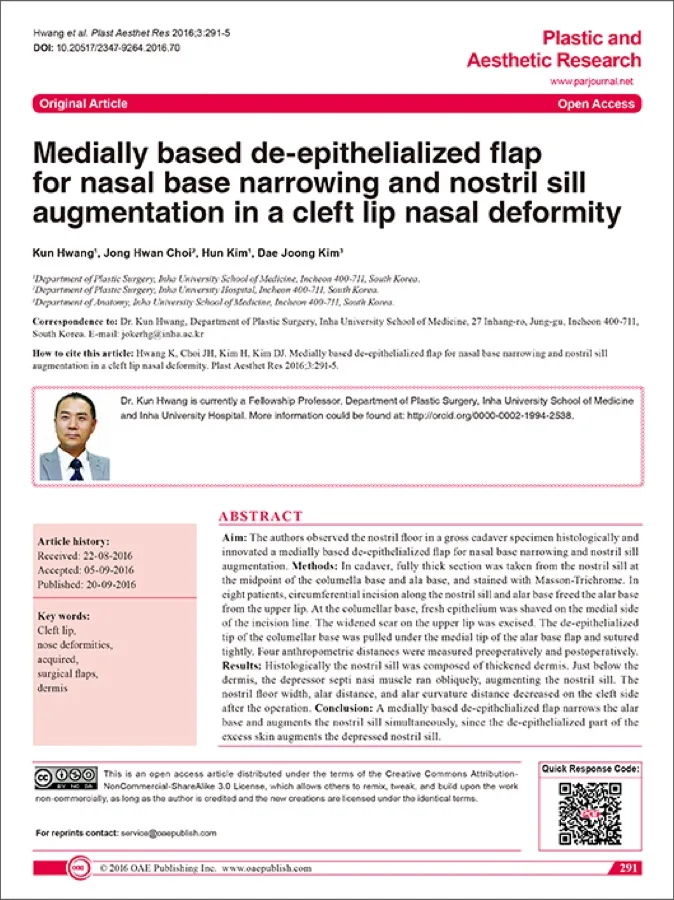
Peer-reviewed paper co-authored by Dr. Jonghwan Choi on cleft lip nasal deformity
Fig. 06 — Published work reaching into the nasal base and its reconstruction

Rewind's Doctor

Dr. Jonghwan Choi Medical Director

A figure means nothing until
the face behind it is measured.

A board-certified plastic surgeon in plastic surgery, with ten peer-reviewed papers indexed under his name and published work in craniofacial and nasal reconstruction.

Board-certified plastic surgeon (Plastic Surgery)
10 peer-reviewed publications
Medical Director, Rewind Plastic Surgery
Korean Society of Plastic & Reconstructive Surgeons
Former chief director, Apgujeong Y&T Plastic Surgery
Korean Society for Aesthetic Plastic Surgery
J Craniofac Surg · JKMS · Arch Craniofac Surg
Korean Cleft Palate-Craniofacial Association
Ask

Questions

Alarplasty pricing, question by question

How much does an alar reduction cost at Rewind?
Two figures are published for the base, one for the incisional reduction and one for the thread cinching, and both appear in the rate list above. Your quotation opens with whichever the examination selects. The anaesthetic fee sits inside each figure and VAT is added on top.
Is the thread route the cheaper way to narrow a nostril?
The two published figures sit close together, so the choice is not really an economy. Alar skin thickness, the amount of width to be removed and whether the nostril opening needs resizing decide the route. A base sent down the wrong route is the version that ends up being quoted twice.
Is an alar reduction cheaper when it is done during a rhinoplasty?
Rewind publishes no combined package for the nose and no reduction for booking several corrections together. Bridge, tip and base each keep their own listed figure, and a session holding three of them is quoted as three lines. What sharing one theatre visit saves is theatre time, and the fees stay where they are.
Does the figure include stitch removal and follow-up visits?
The price sheet lists a rate per operation with the anaesthetic fee inside it, and carries no separate aftercare tariff. The clinic also publishes no fixed day for suture removal on this operation. Both the visits and their timing are written into the plan by the operating surgeon at consultation, so ask for them there.
Is VAT included in the figures shown on this page?
No. Every rate on the list is quoted with VAT still to be added, and that applies to the alar lines, the columella and nostril lines and the rhinoplasty lines alike. The anaesthetic fee is the item that is already counted inside each figure.
What does a second operation on an already narrowed base cost?
It is quoted from the clinic's revision rates, which run above the first-operation figures on this page. The applicable number is set after the surgeon has examined what was done the first time, because what can be rebuilt depends entirely on how much alar tissue is still there.
Can I be given a total before I travel to Seoul?
The components are public, so the possible openings to a quotation are knowable in advance. The total is not, because the route and the neighbouring lines both come out of an examination. Patients abroad are usually given the item list first and the figure after the consultation.
What is deliberately left unpriced here?
Rewind leaves four items unstated for this operation: the anaesthetic used, the running time, the date of stitch removal and how long swelling persists. None is estimated on this page and none carries a cost here. The surgeon confirms all four once your route and your listed lines are settled.
Voices

Google Reviews

What our patients say.

G 5.0 ★★★★★ 51 Google reviews · Rewind Plastic Surgery, Apgujeong — live-synced from Google Business Profile
★★★★★

Came to REWIND to get my facial treatment and i'm absolutely obsessed about it💞 the doctor is so kind and is an expert! Everyone must visit!

YunHee Hong2 weeks ago
★★★★★

There are just way too many cosmetic clinics in Korea and I'm so happy I found Rewind Clinic in Gangnam. Dr. Choi was so kind and patient while explaining the different face-lifting options, from threads to mini-lifts to deep-plane lifts…

J. S.5 months ago
★★★★★

I found Rewind clinic through a Korean chat forum and many local clients highly recommended it. The clinic is brand new, featuring large, clean rooms and many private waiting areas so it doesn't give off that "factory" clinic vibe. All the…

J. Siou5 months ago
★★★★★

Really nice environment. Doctor is easy to communicate and understands my visions. Waited two weeks to make a review and I confirm the results exceeded my expectations and I am super happy with it. Can't wait to come back!! :))

Kristie Chu5 months ago
★★★★★

I received a thread lift at Rewind Plastic Surgery. The clinic was clean and the atmosphere was comfortable. The consultation was thorough, and I felt confident because they kindly explained everything tailored to my facial condition. They…

한주연2 weeks ago · Translated by Google
Booking

Reservation

REWIND,booking

Tell us which lines you think your nose needs and we reply as soon as possible, in your language.

Visit

REWIND,visit

For international patients — interpreter-assisted, from your first message to your follow-up.

Location
Apgujeong, Gangnam
4F & 5F, Richro Building,
812 Nonhyeon-ro,
Gangnam-gu, Seoul
Hours
Mon·Tue·Wed·Fri 10:00–19:00
Sat 10:00–16:00
Closed Sundays & Thursdays
Lunch 12:00–13:00
Consultation
In your language
WhatsApp · Instagram
Interpreter-assisted
consultations available
Registration
KHIDI Registered
Registered institution for
international patients
Reg. M-2025-01-08-09288

Scientific evidence

Published work behind the operations on this rate list

Not one of these papers is about fees. They are here because each describes an operation that occupies a separate line on the list above: the alar base reduction itself, tip plasty by septal extension, the tip support that decides whether a tip holds its position, and the dorsum, where a randomised comparison exists between two approaches. They report other surgeons' series under other surgeons' conditions, they say nothing about Rewind, and they predict nothing about an individual nose.