Surgery · Second Opinion
What is still holding the profile, and what can reach it
Gangnam, Seoul | Board-certified plastic surgeon, Dr. Jonghwan Choi
KHIDI-registered for international patients · Apgujeong Rewind
When chin liposuction did not change the profile
The short answer
In most cases because the thing holding the profile was never in the layer suction reaches. A cannula empties fat between skin and the platysma, the muscle sheet across the front of the neck. Four structures sit outside that reach: the fat clinging to the underside of the platysma, the muscle itself once it has slackened, an enlarged submandibular gland below the jawbone, and the position of the jaw when the chin is structurally short. Skin that does not draw back after fat is removed is a fifth explanation. Rewind's own copy for its deep neck operation is addressed to exactly this situation, and the next step is an examination that establishes which of the five applies to you.
Descriptions here come from Rewind's Korean surgical pages for chin liposuction with muscle tightening and for grape-cluster fat removal. Nothing on this page evaluates surgery performed elsewhere, and no figure or interval is attached to a neck the surgeon has not examined.
There is also a timing answer worth saying first. A neck that has been operated on holds swelling, and a profile judged while it is still settling is being judged against the wrong baseline. Before any second operation is discussed, the tissue needs to have quietened down enough for the examination to tell scar from fat and fat from muscle. Rewind publishes no fixed interval for that, so it is set in person instead of guessed from a photograph.
Before & After
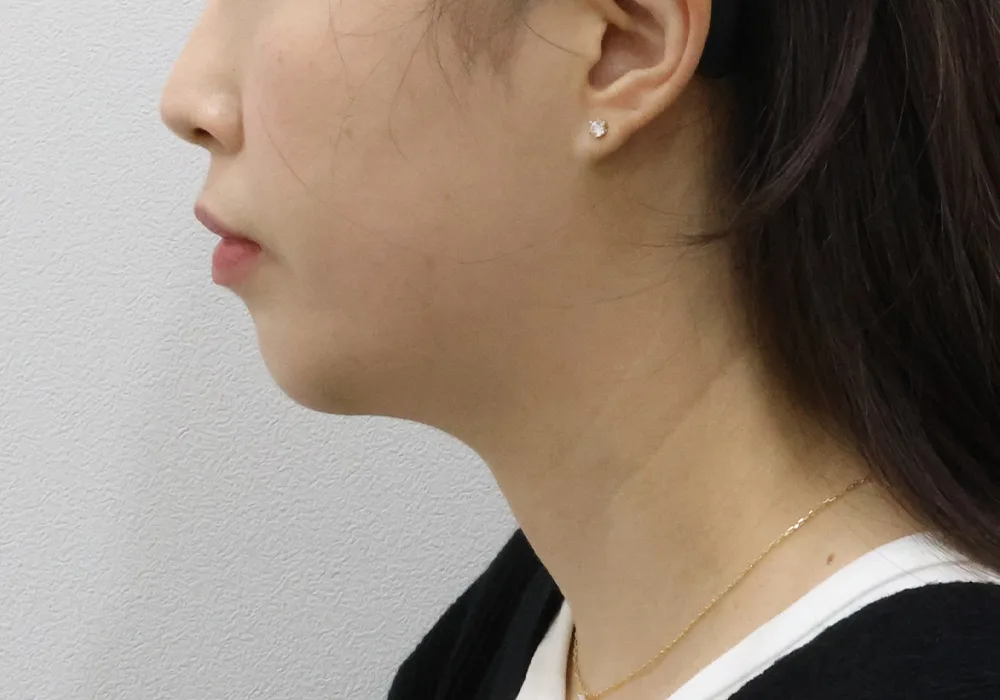
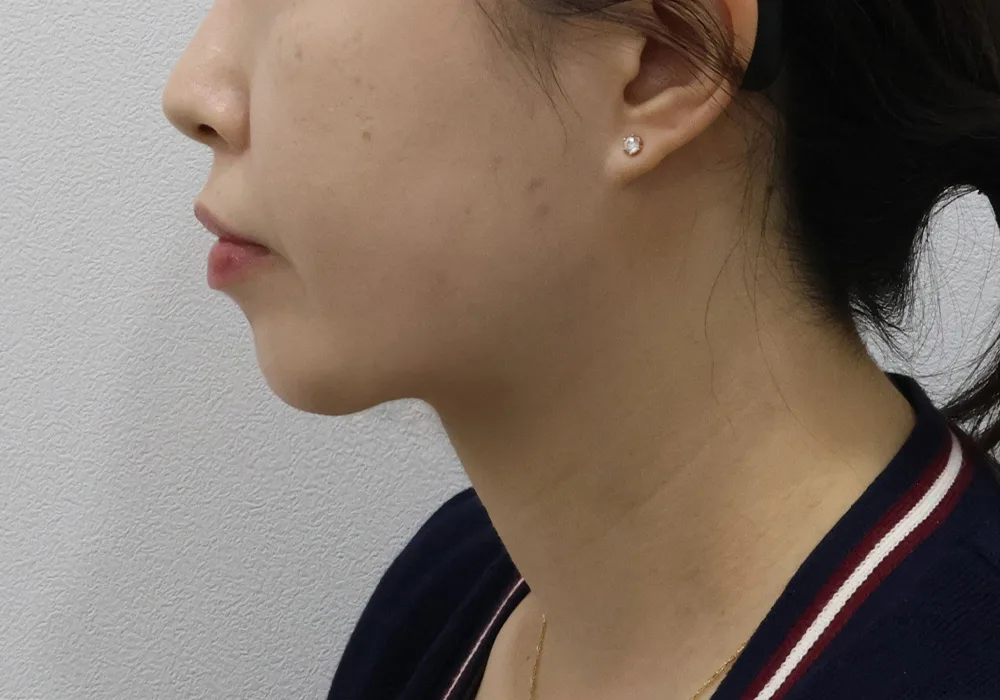
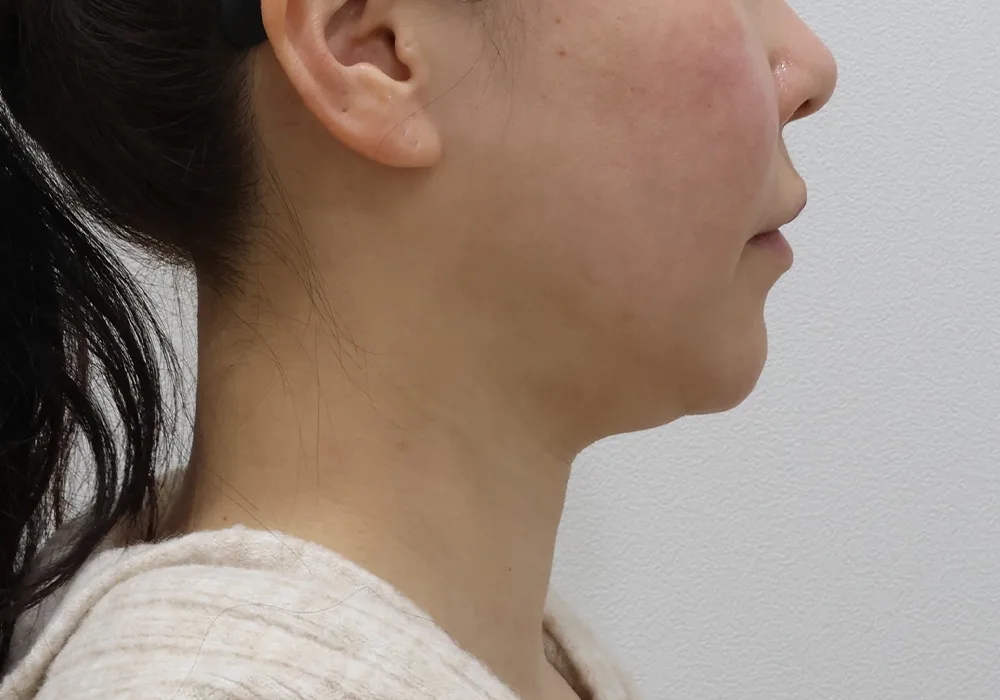
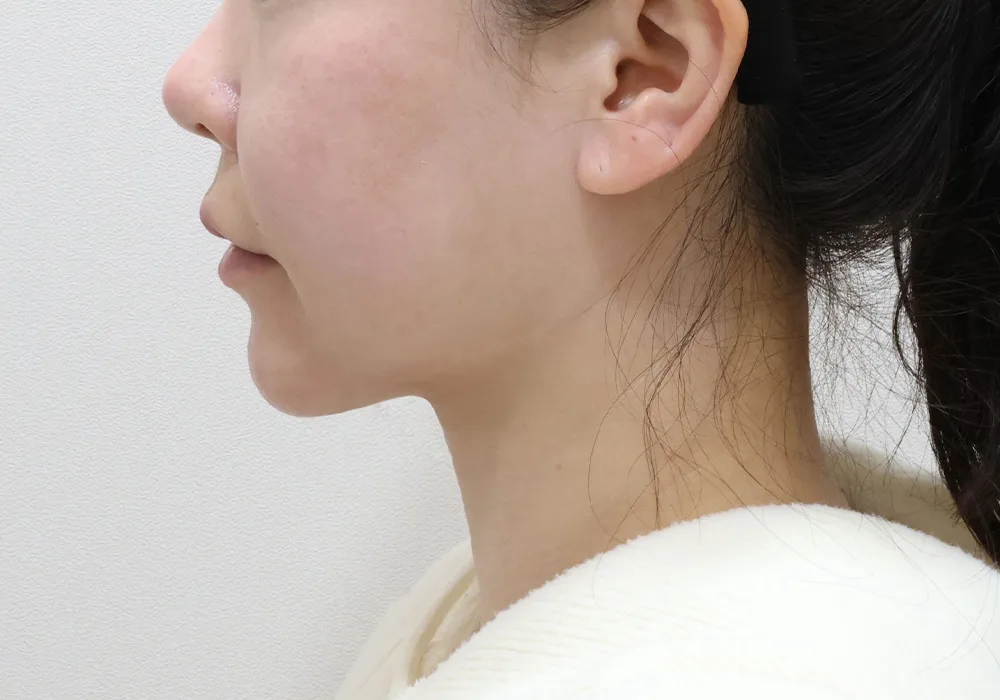
Both sessions below combined suction above the muscle with work underneath it. They are shown here for one reason: they make visible what a plan looks like when the deeper compartment is part of it, and neither profile would have changed in the same way from suction alone. Rewind names every operation performed in a photographed session.
BEFOREAFTER
BEFOREAFTERPhotographed at Rewind to one lighting and framing standard, unretouched, with the operations named. Neither case is a promise about a neck that has already been operated on, and none of these patients is being shown as a revision. Bleeding, infection, prolonged swelling and bruising, asymmetry between the two sides, altered sensation under the chin, injury to nerves near the jaw line and a scar that matures differently from the one you pictured are all possible. An outcome cannot be promised and results vary by individual.
Out of reach
Suction is a layer-specific instrument, and its territory stops at the muscle. If your profile is being held by something on this list, an operation confined to that territory was never going to change it.
A fifth explanation sits outside that list: skin that does not draw back once the fat beneath it has gone. Published series on liposuction after the age of forty treat retraction as the variable that decides how an emptied area settles. Where the examination finds laxity doing the visible work, the operation discussed is neck lift instead of further fat removal. Where the finding is the deep compartment, it is deep neck lift; where it is the layer above the muscle after all, double-chin liposuction with the muscle managed is the conversation.
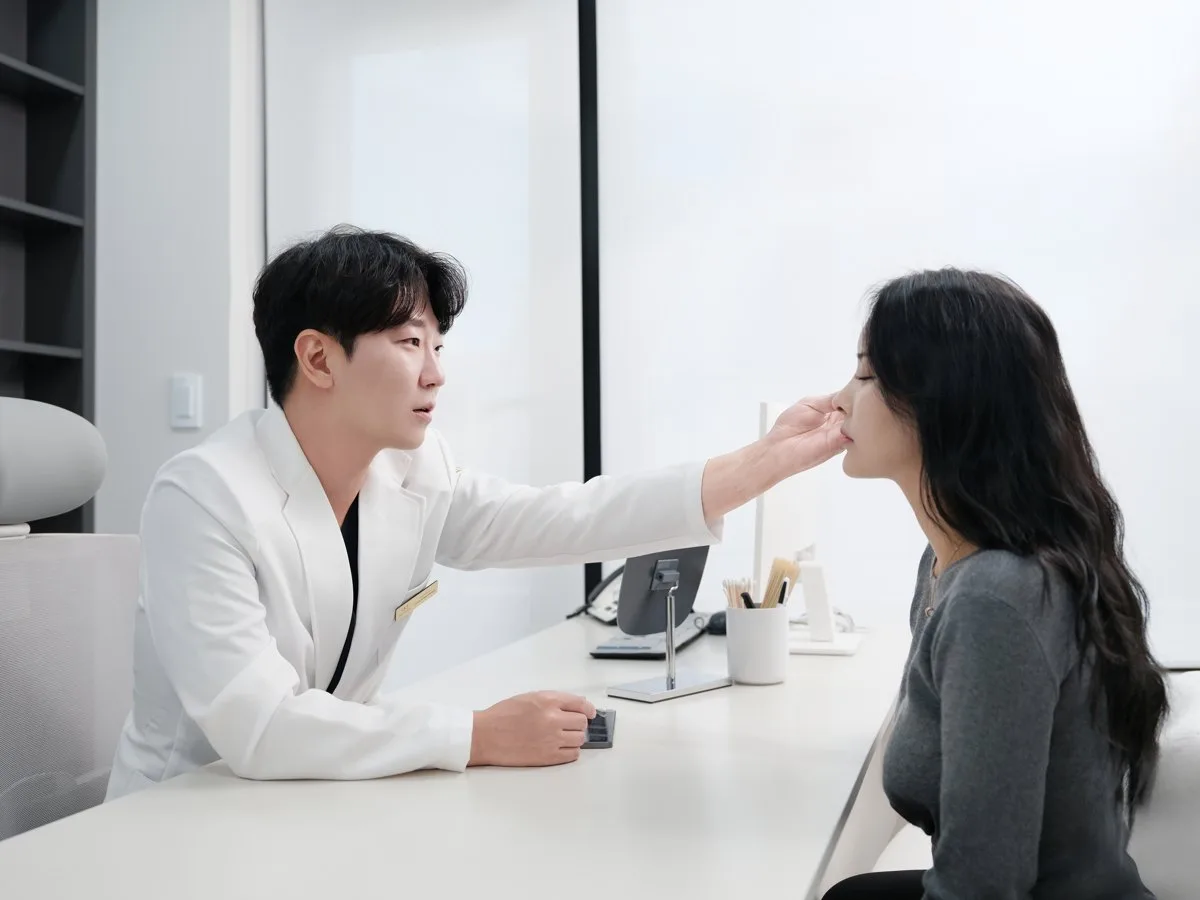
The second examination
A second assessment is a longer conversation than a first one, because the field already has a history in it. Six things are established, in this order, before anything is proposed.
Which layer was entered, whether the muscle was managed, whether the gland was discussed, where the incisions were placed. Bring any operative record or plan you were given. A marketing leaflet describes a service; only a record describes an operation, and the difference matters here.
Swelling and early scar make a neck feel fuller and firmer than it will remain, so an examination carried out too soon overstates what is left. Rewind publishes no fixed waiting period; what it can say is that a profile is judged once the tissue has quietened, and that this is confirmed in person.
Fullness that pinches is subcutaneous and still belongs to the layer suction reaches. Fullness that remains once that is accounted for is what puts the compartment beneath the muscle on the table, and that judgement is made by hand with the neck at rest and flexed.
Bands that spring forward on flexion point at the platysma instead of at anything a cannula could take. Where that is the finding, the answer is tightening the muscle, which Rewind carries on a combined listing with chin and jaw line suction.
A gland does not behave like fat under the examining hand. Where the examination traces the fullness to an enlarged submandibular gland, partial reduction is listed separately, and because it involves removing part of an organ it is discussed on its own terms before it goes on any plan.
Sometimes it is not. A neck whose visible problem is loose skin, a neck still settling, or a neck where the remaining fullness is small enough that opening it again buys little, is better served by a clear no. That answer is given at the examination, and a plan with no finding behind it does not get written.

Why come here for the second look
The useful question after a disappointing result is which layer was treated, and the useful answer is a finding and not a product. Rewind approaches a second consultation by mapping the neck layer by layer and pricing each layer apart, so whatever is proposed can be traced back to something the surgeon felt.
Each is capable of holding a profile on its own, and each has a different answer. Separating them is what stops a second operation from repeating the shape of the first one.
Where the examination finds too little left to justify opening the neck again, or finds skin laxity as the dominant problem, that is what is said. Reoperating on a field that already carries scar is a heavier undertaking than a first operation, and it earns a stricter threshold.
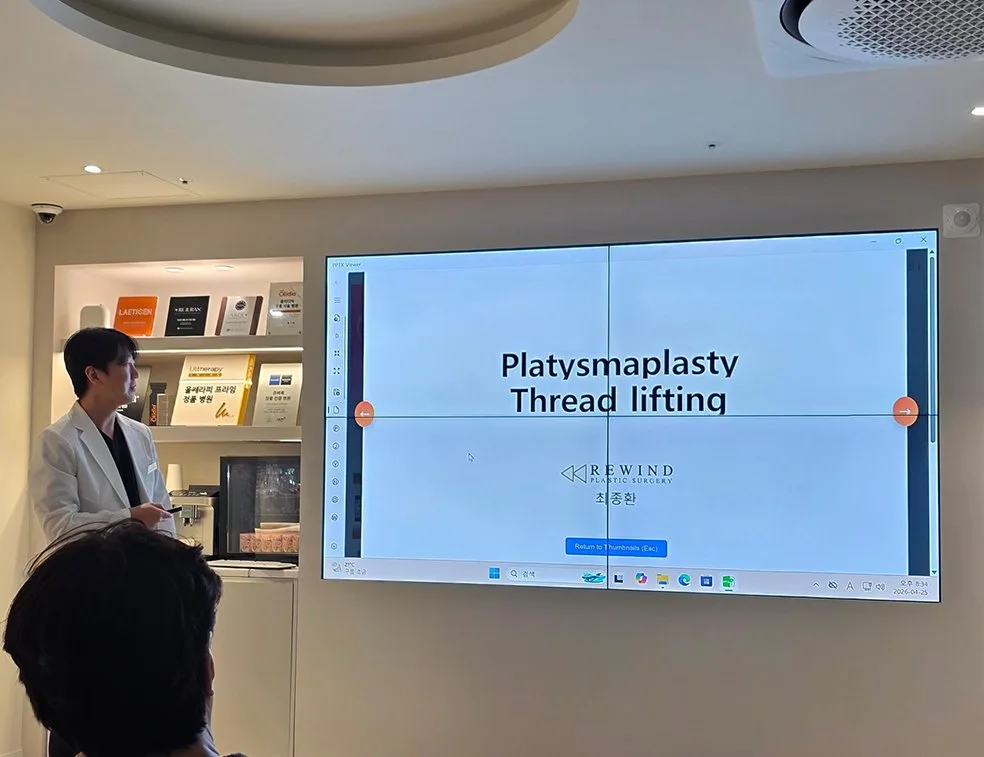
Rewind is a single-surgeon practice, so the hand that examined a previously operated neck is the hand that opens it and the one you see at every review. Someone travelling in for a second look is corresponded with in their own language from the outset, under this clinic's KHIDI registration for foreign patients.
If a second operation is agreed

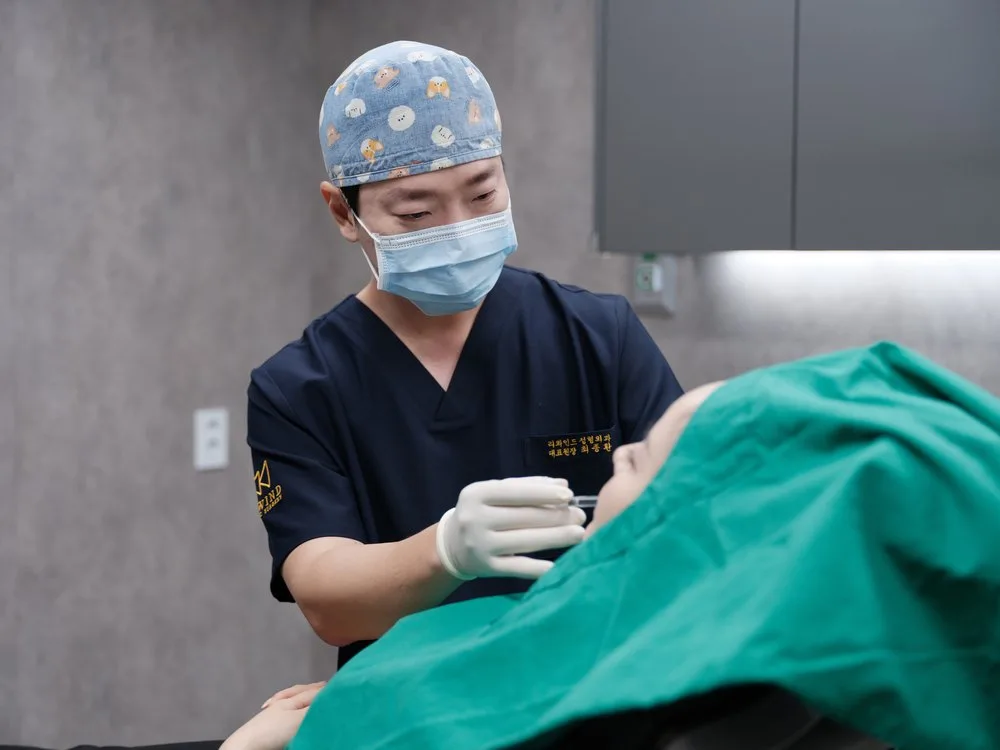
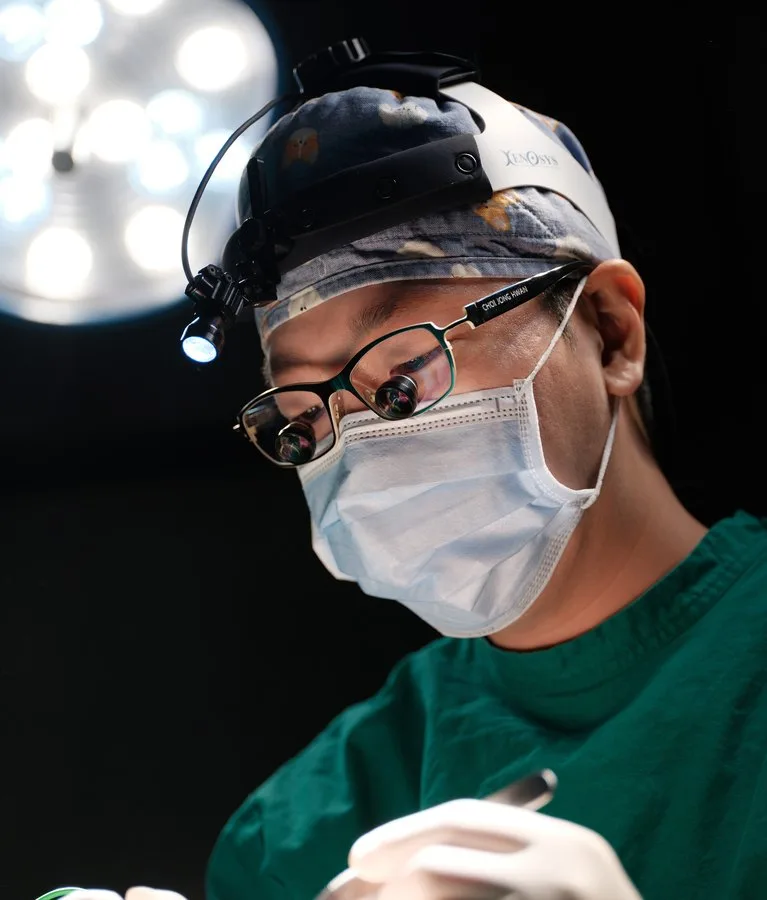
Fig. 04 — Preparation, before an already operated field is reopened

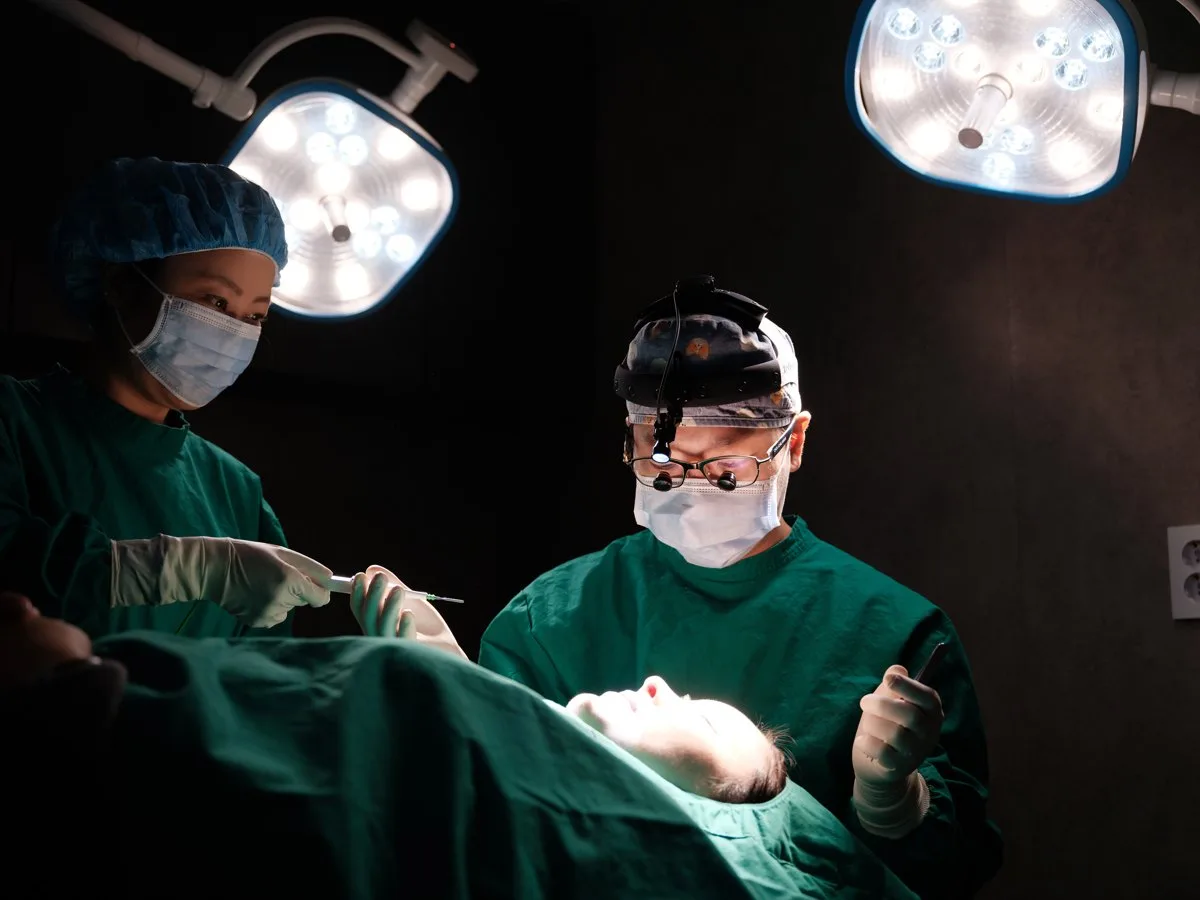
Fig. 05 — The clinic's own theatre, Richro Building, Apgujeong
Rewind occupies the fourth and fifth floors of the Richro Building in Apgujeong, and the theatre belongs to the clinic. The consultation, the operation and every review afterwards are carried out by the same medical director. Consulting hours fall on Monday, Tuesday, Wednesday and Friday from 10:00 to 19:00 and on Saturday from 10:00 to 16:00, all of it by prior booking. Where a second operation is agreed, this is what it involves.
Board-certified plastic surgeon
Korean specialist certification in plastic surgery, ten peer-reviewed papers and membership of the Korean Cleft Palate-Craniofacial Association. Patients travelling in for a second opinion are treated under KHIDI registration M-2025-01-08-09288.
Listed figures
A neck being corrected is quoted on a revision listing instead of the first-operation one, because scar tissue in the field changes the work. Where the examination decides the neck is effectively untouched at the depth being proposed, the first-operation listings apply instead. Which of the two governs is settled at the examination.
Standard listed figures with VAT charged separately; the anaesthetic fee for each operation is already counted inside it. No figure here is confirmed for a previously operated neck until the surgeon has examined what was done before and what is left to work with, which is why these quotations are given in person. A line you decline comes off the plan without the rest being repriced.
Whether to operate again
What a second operation asks
The instructions do not get shorter the second time. Rewind's post-operative sheets for facial liposuction and for muscle work both apply where both kinds of work are done, and where their windows differ the longer one governs. A field that already carries scar deserves the stricter reading of both.
Operating on a field that has been operated on before carries the same named risks as a first operation and manages them in less forgiving tissue: bleeding, infection, prolonged swelling and bruising, asymmetry between the two sides, altered sensation under the chin, injury to nerves running near the jaw line, and a scar that heals differently from the one you imagined. Where part of a gland is removed, that is removal of part of an organ and is discussed separately before it is agreed. An outcome cannot be promised and results vary by individual. Bring every record of previous surgery and a list of every medication you take to the consultation.
At Rewind, one board-certified plastic surgeon carries every case — from the first consultation to the final follow-up. Because a face is a story, and a story deserves a single author.
Rewind,
Rewind's Doctor
Dr. Jonghwan Choi Medical Director
One surgeon, from the first
consultation to the last follow-up.
A board-certified plastic surgeon devoted to anti-aging lifting — with the precision and restraint built through years of craniofacial practice.
Google Reviews
"Sample review card — at launch this section pulls the clinic's real Google reviews automatically, shown verbatim with the reviewer's initial and posting date."
"Sample review card — reviews are never written or edited by the clinic; only what patients posted on Google appears here."
"Sample review card — a 'See all reviews on Google' link takes visitors to the clinic's Business Profile."
Questions
Reservation
Tell us what you are considering — we reply within one business day, in your language.
Scientific evidence
These papers were chosen because each one addresses a reason a neck stays full: band deformity after suction alone and the case for managing the muscle, measurement of the deep compartment before it is opened, how skin behaves once fat has been taken from an older neck, reported outcomes after submental fat removal, and reduction of a neck across two planes. They report other surgeons' series and describe neither this clinic nor your neck; Rewind publishes no anaesthetic protocol, and that is confirmed at the examination. None of this research predicts an individual outcome.