Surgery · Two Depths
One line under the chin, two different operations
Gangnam, Seoul | Board-certified plastic surgeon, Dr. Jonghwan Choi
KHIDI-registered for international patients · Apgujeong Rewind
Deep neck lift vs chin liposuction
The short answer
Depth, and what the instrument can physically reach. Chin liposuction works in the fat between skin and the platysma, the muscle sheet across the front of the neck, and empties it through a cannula. A deep neck lift opens the compartment beneath that muscle, where fat clings to the platysma in clusters that a cannula cannot draw through, and lifts the deposit out by hand piece by piece before the slackened muscle is tied back. Both operations are performed through the same short line under the chin and neither removes skin. At Rewind the deeper work is listed as an addition to the suction plan, which is how the two most often appear together.
Both descriptions come from Rewind's own Korean surgical pages: one for chin liposuction with muscle tightening, one for grape-cluster fat removal. The clinic publishes neither theatre time nor the anaesthetic for either operation, so neither is described here.
A comparison of this kind is settled in the examination room, not in a browser. The question is which layer holds the fullness in your profile, and that is read by hand with the neck at rest and then flexed. Two necks that photograph identically can need entirely different operations, and a plan built on the wrong layer is the commonest reason a second one is discussed later.
Before & After
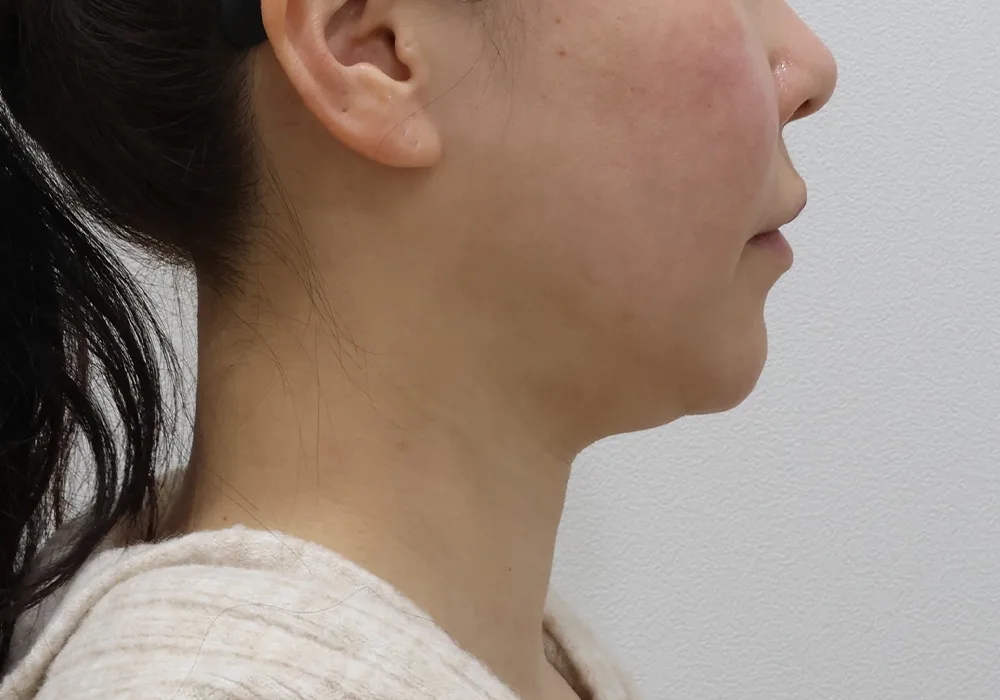
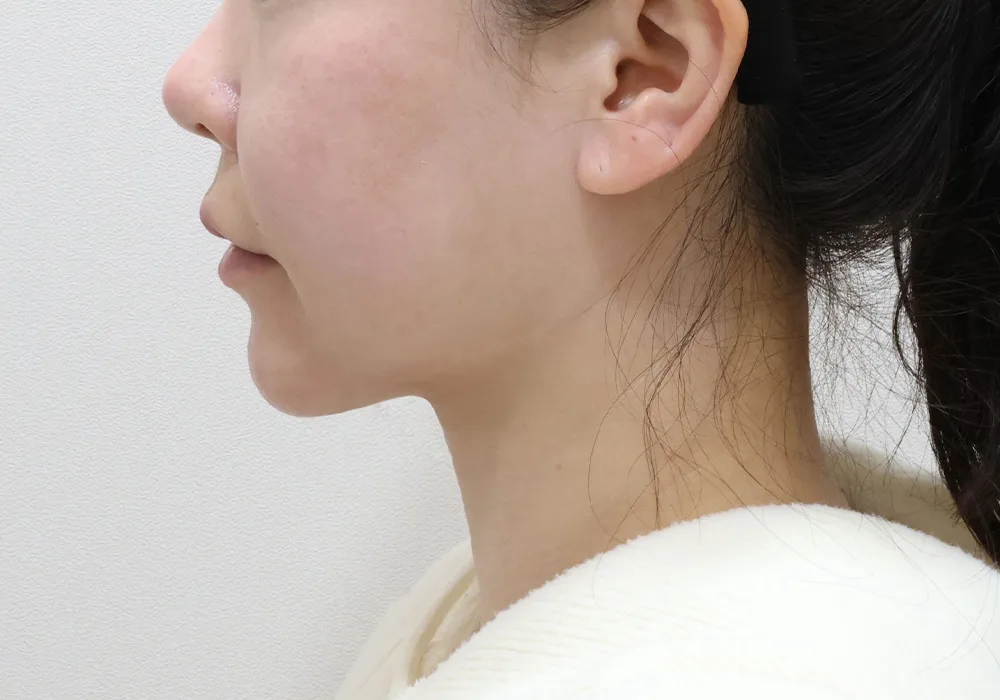
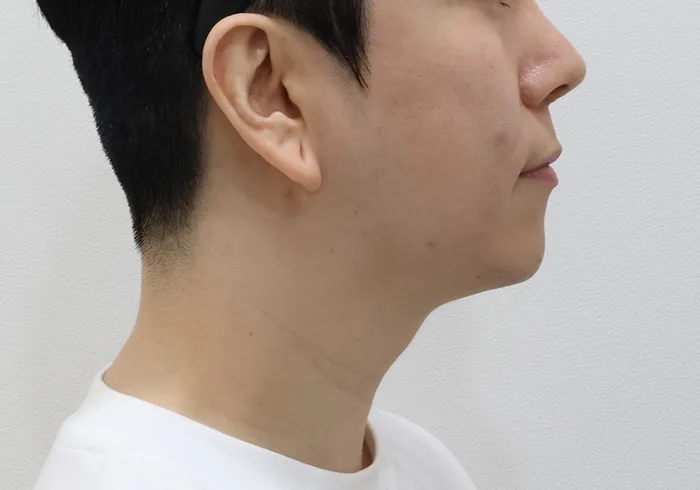
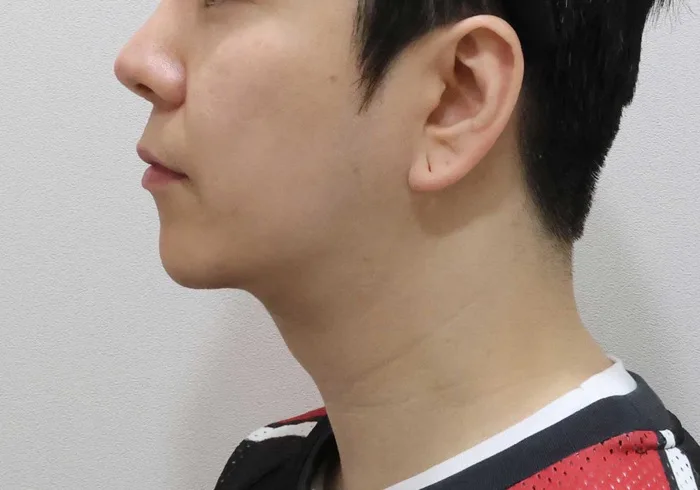
Rewind names every operation performed in a photographed session, and in both cases below the suction and the deep compartment appear together. That is the ordinary pattern: the layer above the muscle is emptied first, and only then can the surgeon judge what is left underneath. Cases where suction alone finished the profile exist too; they simply carry a shorter list.
BEFOREAFTER
BEFOREAFTERPhotographed at Rewind to one lighting and framing standard and published unretouched, with the operations named. A session that needed both depths tells you nothing about which depth your own neck needs. Bleeding, infection, prolonged swelling, asymmetry between the two sides, altered sensation under the chin and a scar that matures differently from the one you pictured are possible after either operation. An outcome cannot be promised and results vary by individual.
Four findings
A profile is built from four separate things, and only two of them answer to suction. Reading which one is doing the visible work is the whole of the comparison.
Two of those four have pages of their own. The subcutaneous layer and the muscle are set out under double-chin liposuction, and the compartment beneath the muscle under deep neck lift. Where none of the four is the answer and skin laxity is, the operation discussed is neck lift, which works on a different principle altogether.
Step by step
Follow a case from the first incision and the two operations look identical for a while. They separate at the moment the platysma is reached, and they rejoin at the dressing.
Both begin with a minimal incision beneath the chin; Rewind records the resulting scar at about two centimetres. Nothing is opened in front of or behind the ear, and no skin is excised in either operation. Where the ears and the hairline are involved, you are looking at a different procedure with a different name.
Surplus subcutaneous fat is softened and drawn off. In chin liposuction this step is most of the operation; a published five-incision method for the neck and jowls describes the same territory being approached from several small openings. At Rewind it is the opening move of either plan.
A cannula travels above the platysma and has no path beneath it. Where the examination finds a full compartment underneath, the deep operation continues: the muscle is passed and the granules clinging to its undersurface are separated and lifted out one by one. Quantitative work on neck contouring has measured that layer before surgery to predict how much of it will come out.
Rewind's operative sequence for the combined neck plan names a further deposit sitting inside the muscle layer, taken after the granular fat and before the muscle is closed. This is territory no suction plan enters.
Muscle tightening can be added to either plan and is listed with chin and jaw line suction as one combined operation. The reason it is rarely skipped in an older neck is old surgical news: band deformity appearing after submental suction alone is the classic argument for managing the muscle at the same sitting.
The line is sutured and a compression dressing goes on before you leave, worn for a week in either case. Where the deep compartment was opened and the muscle closed, the post-operative sheet for muscle work applies on top of the liposuction one, and the longer window governs.

Why it is decided at the chair
A neck can be photographed from any angle and still hide which layer is full. Rewind settles the question at the examination and prices the two depths apart, so the decision stays visible in the paperwork instead of disappearing into a package.
The neck is examined at rest and in flexion, and what can be pinched between the fingers is the subcutaneous layer. Fullness that remains once that is accounted for is what puts the deeper compartment on the table.
The deep compartment is an addition to the suction plan on Rewind's sheet, never an invisible component of it. You can therefore see what the deeper half of the operation costs and decline it while keeping the rest of the plan intact.
Rewind is a single-surgeon practice, so the hand that judged the depth is the hand at the table and at every review afterwards. Patients writing from abroad are answered in their own language throughout, at a clinic holding KHIDI registration to treat foreign patients.
On the day

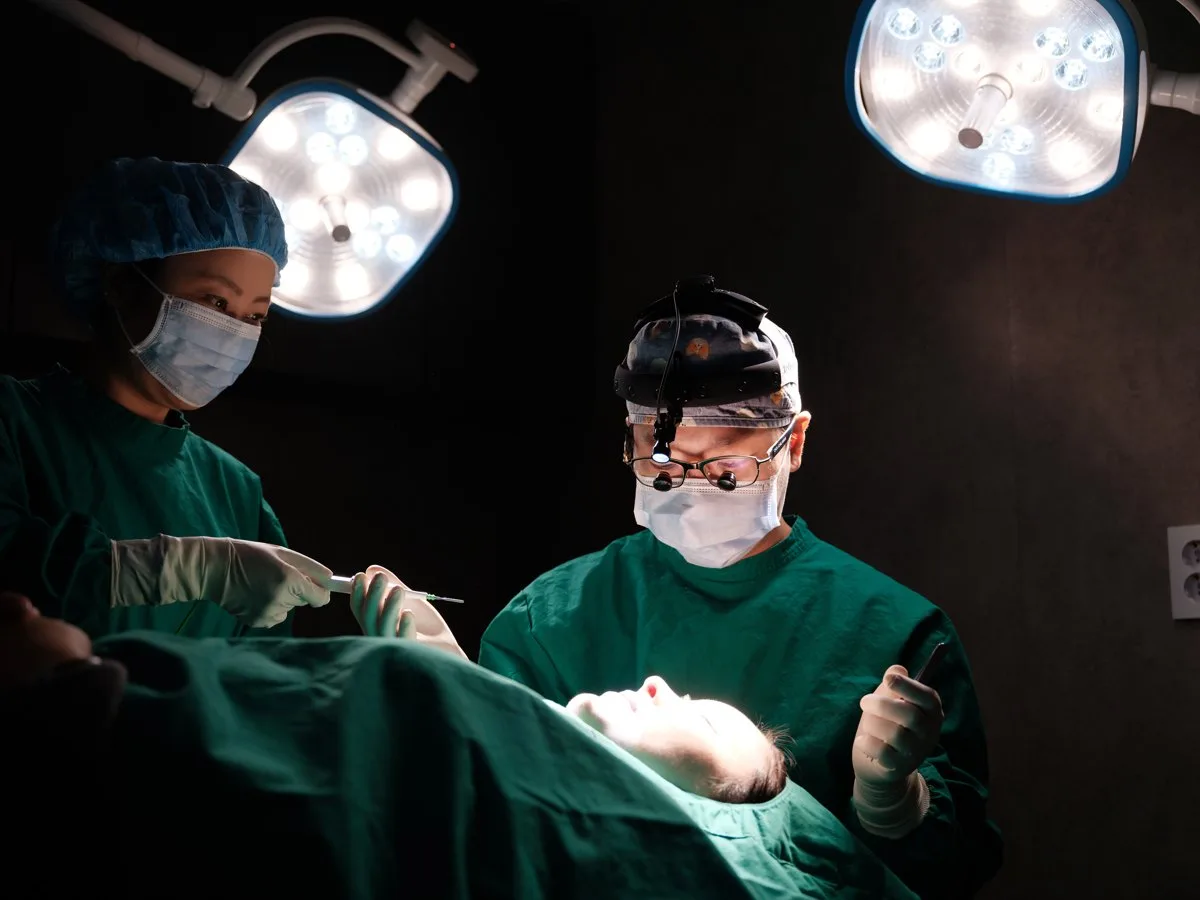
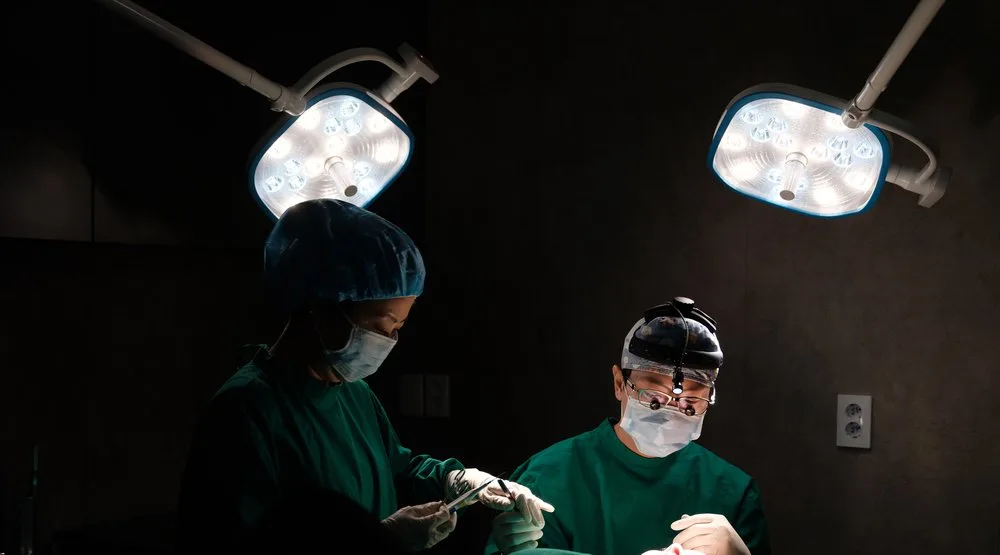
Fig. 04 — The same theatre serves either depth

Fig. 05 — Fourth and fifth floors, Richro Building, Apgujeong
Rewind occupies the fourth and fifth floors of the Richro Building, and the theatre is the clinic's own. The medical director takes the consultation, performs whichever operation was agreed and sees you at every review. Appointments are available Monday, Tuesday, Wednesday and Friday between 10:00 and 19:00, and on Saturday between 10:00 and 16:00; nothing here is seen without one. You leave with the compression dressing already fitted, so plan the journey home around it.
Board-certified plastic surgeon
Specialist certification in plastic surgery in Korea, ten peer-reviewed papers, and membership of the Korean Society for Aesthetic Plastic Surgery. International patients are treated under KHIDI registration M-2025-01-08-09288.
Listed apart
The comparison shows up on the fee sheet as clearly as it does in the operating room. Suction carries one figure, the deep compartment carries another as an addition, and the muscle work is listed with the suction as a combined operation. Read them as components of a plan, not as alternatives on a menu.
Standard listed figures, VAT charged separately, with the anaesthetic fee for each operation already counted inside it. Because the two depths are listed apart, a plan that opens the compartment can be seen for what it adds, and a plan that stops at the muscle can be seen for what it leaves out. The total for whichever combination applies is written in full at the consultation before a date is taken.
Which of the two
Afterwards
The compression week is common to both. What the deeper operation adds is the muscle, and Rewind's post-operative sheet for muscle work carries its own windows on top of the liposuction one. Where the two disagree, the longer window is the one to follow.
Both operations carry risk, and the names are the same for each: bleeding, infection, prolonged swelling and bruising, asymmetry between the two sides, altered sensation under the chin, injury to nerves running near the jaw line, and a scar that heals differently from the one you imagined. Opening the compartment and closing the muscle adds a second set of restrictions on top. An outcome cannot be promised and results vary by individual. Tell the surgeon about every previous operation on your face or neck and every medication you take before a date is agreed.
At Rewind, one board-certified plastic surgeon carries every case — from the first consultation to the final follow-up. Because a face is a story, and a story deserves a single author.
Rewind,
Rewind's Doctor
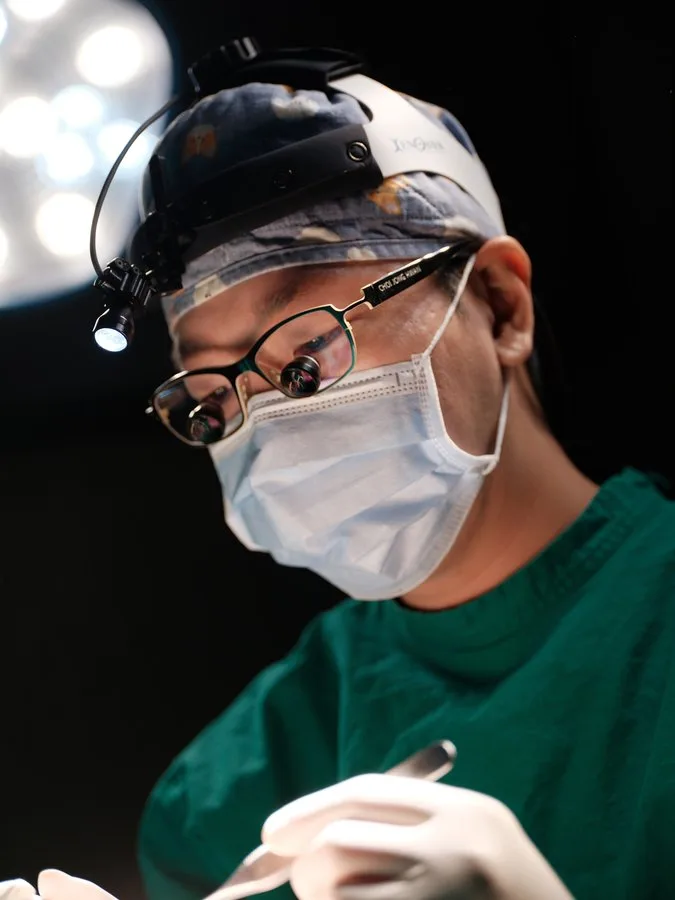
Dr. Jonghwan Choi Medical Director
One surgeon, from the first
consultation to the last follow-up.
A board-certified plastic surgeon devoted to anti-aging lifting — with the precision and restraint built through years of craniofacial practice.
Google Reviews
"Sample review card — at launch this section pulls the clinic's real Google reviews automatically, shown verbatim with the reviewer's initial and posting date."
"Sample review card — reviews are never written or edited by the clinic; only what patients posted on Google appears here."
"Sample review card — a 'See all reviews on Google' link takes visitors to the clinic's Business Profile."
Questions
Reservation
Tell us what you are considering — we reply within one business day, in your language.
Scientific evidence
Read in order, these papers cover the argument for managing the muscle instead of suctioning alone, measurement of the deep compartment before it is opened, reduction of a neck across two planes, a multi-opening method for the neck and jowls, and how skin behaves once fat is taken from an older neck. Their techniques, settings and anaesthetic choices belong to their authors and describe neither this clinic nor your neck; Rewind publishes no anaesthetic protocol, and that is confirmed at the examination. None of this research predicts an individual outcome.