Surgery · Eyelid Revision
Reworking a crease after a previous operation, in Seoul
Gangnam, Seoul | Board-certified plastic surgeon, Dr. Jonghwan Choi
KHIDI-registered for international patients · Apgujeong Rewind
Double eyelid revision surgery
The short answer
In many cases, yes, once the lid has been examined and has healed enough to be read. Rewind lists double eyelid revision on two published lines, a buried route and an incisional route, and which one applies depends on how the previous crease was made and what it left inside the lid. A straightforward buried revision is listed at the same level as a first buried crease, and Rewind names partial incision as an option for a buried crease that has come undone. A fold that sits too high or too heavy, or two folds that no longer match, are assessed for the incisional route. The clinic publishes no fixed waiting period; the timing is set at examination.
Revision facts here draw on Rewind's Korean pages for its three crease methods, its post-operative sheets and its published fee list. The clinic does not publish revision-specific recovery figures, anaesthesia or operating time, so this page states none.
People asking about revision have usually lived with the result for a while and know exactly what bothers them: a fold that has faded, one that sits too high, a pair that no longer match, or eyes that still look tired. That precision helps. What the examination adds is the part a mirror cannot show, which is what the first operation did beneath the skin and how much of it can still be changed.

Before and After
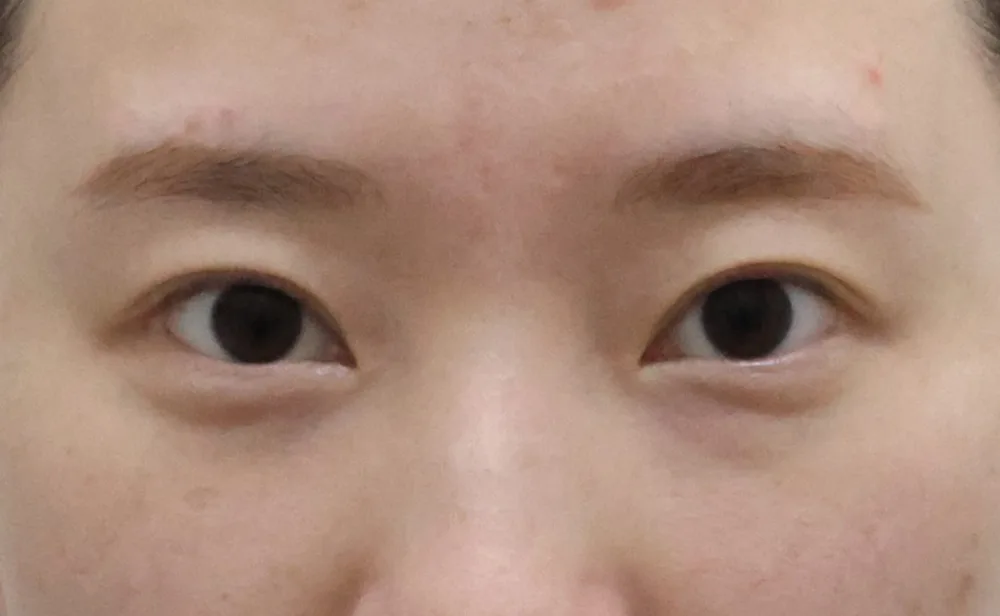
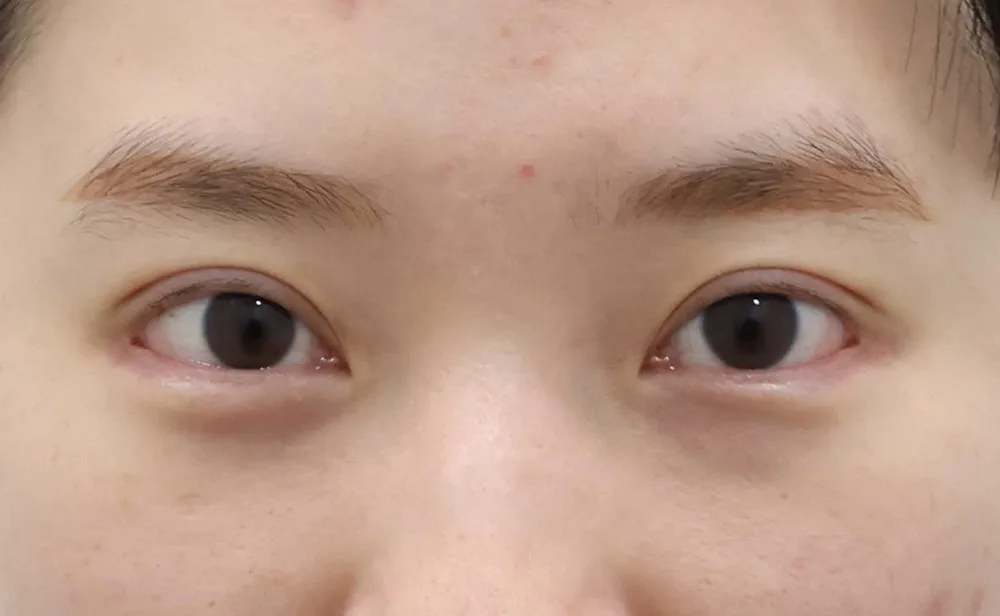
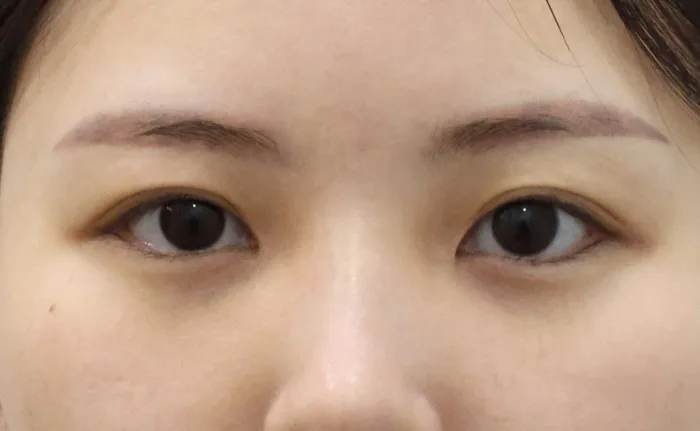
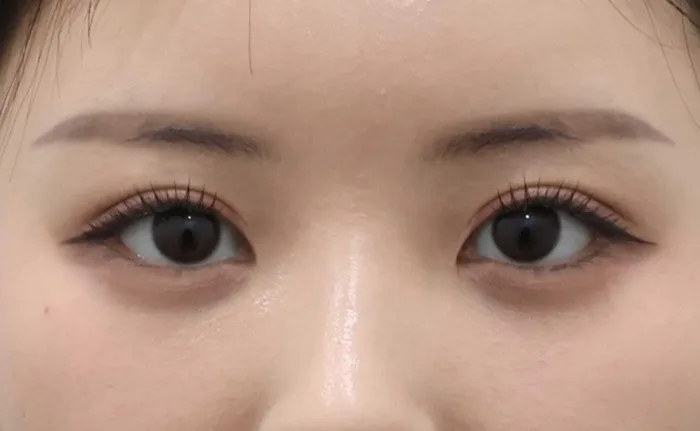
Rewind has not published photographs of double eyelid revisions, so none appear on this page. The two cases below are first operations performed at the clinic, included to show the kind of settled, proportionate fold that a revision plan aims for. They are not revision outcomes and should not be read as one.
BEFOREAFTER
BEFOREAFTERRewind's own patients, photographed in the clinic to one lighting and framing standard and shown unretouched. Individual results may vary. A revision works with tissue that has already healed once, so its outcome can be less predictable than a first operation's. Asymmetry, a fold settling higher or lower than intended, prolonged swelling, infection, haematoma and a visible line are possible after any eyelid operation, revisions included.
Why revision
Revision requests fall into a few recognisable patterns. Naming the pattern early is useful, because each one points the examination at a different part of the lid.
Some of these patterns lead beyond the crease. A low lid margin is treated under ptosis correction, and where the weight over the eye turns out to be skin that has descended with age, the plan moves toward upper blepharoplasty. The three first-time methods themselves are set out on the double eyelid surgery page.
Planning
A revision is planned in six steps. The first three establish what exists now; the last three decide what can reasonably be changed and at what cost.
Bring whatever you have: the method you were told was used, the approximate date, and any records or photographs from that period. The account does not need to be complete, since the lid is examined either way, but a known method narrows the options quickly.
A lid that is still swollen, or an incisional line that is still red, cannot be judged accurately for height or symmetry. Rewind publishes no fixed interval ahead of revision. Its records put the redness of an incisional line as recovering to a degree at around two months, and the examination decides whether more time is needed.
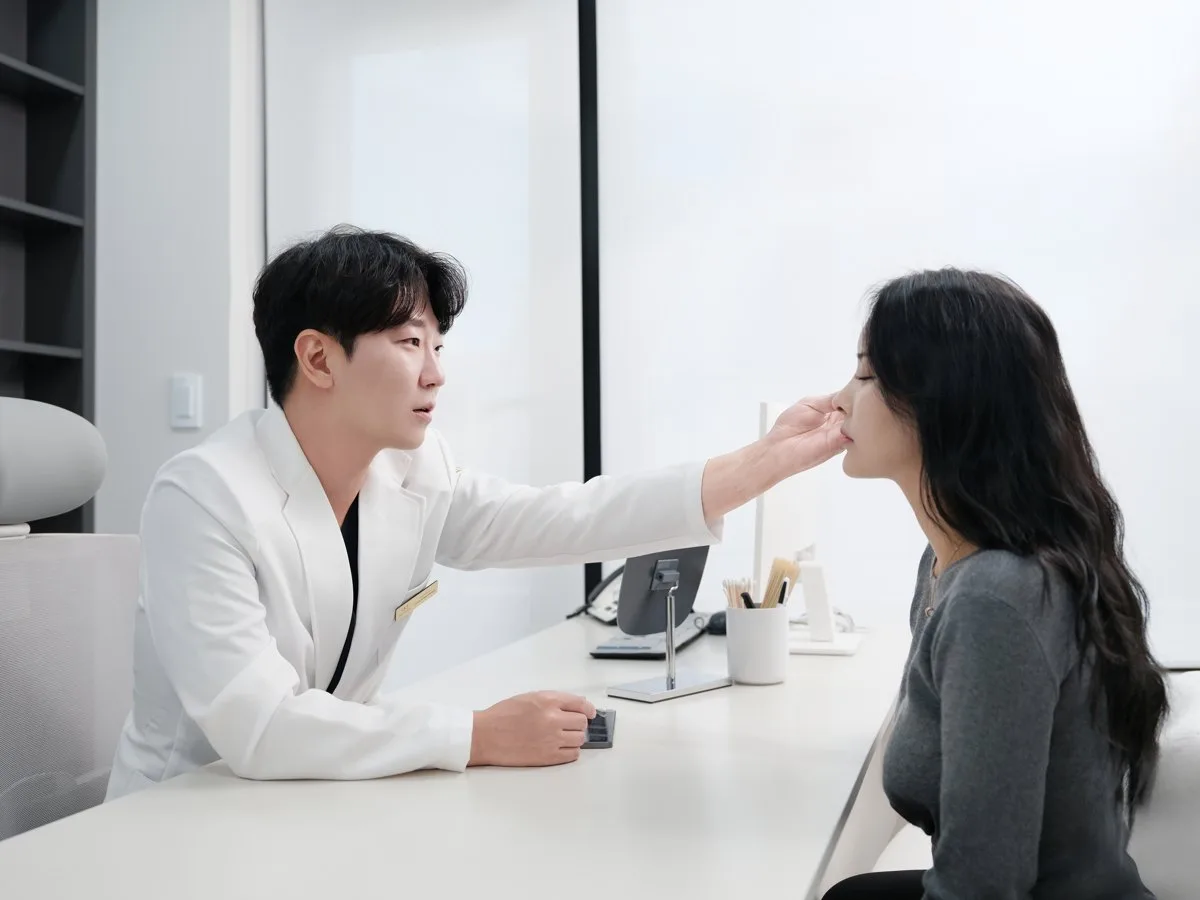
The surgeon checks where the current fold sits, how thick the skin is, how much fat remains above the eye, how much of the iris shows with the eyes open, and whether the brow is recruited to lift the lid. Those findings define what can still be changed.
A straightforward buried revision is listed at the same rate as a first buried crease. An earlier partial-incision crease is re-planned onto either the buried or the incisional revision line, while a previous full-incision line, or a fold that needs lowering or thinning, is assessed for the incisional line.
If the examination shows the lid margin sitting low over the iris, eyelid muscle correction can be added as its own line. A new fold built over an untreated low lid would bring back the tired look the patient came in about.
The plan states what is expected to change and what may stay as it is. Tissue that has healed once gives the surgeon fewer options than an untouched lid, and some difference between the two sides can remain. If the examination finds that a revision would not improve the lid, you are told so plainly.

Approach
A revision is a second operation on a lid that has already been operated on, and its margin for error is narrower. Rewind spends that time on the examination and on the timing, and it discusses the earlier surgery only in terms of what it left behind.
What matters to the plan is the method used, the tissue removed and where the fold now sits. Who performed the earlier operation plays no part in the discussion, and the consultation passes no judgement on it.
When a buried revision can hold, it is offered at the buried revision rate. When the lid needs reopening, that is said at the consultation together with the incisional figure, so the plan and the price arrive at the same moment.
Rewind is a single-surgeon practice. Dr. Jonghwan Choi examines the lid, performs the revision and sees it at every follow-up, and international patients are supported in their own language at an institution registered with KHIDI for foreign patients.
Where it happens

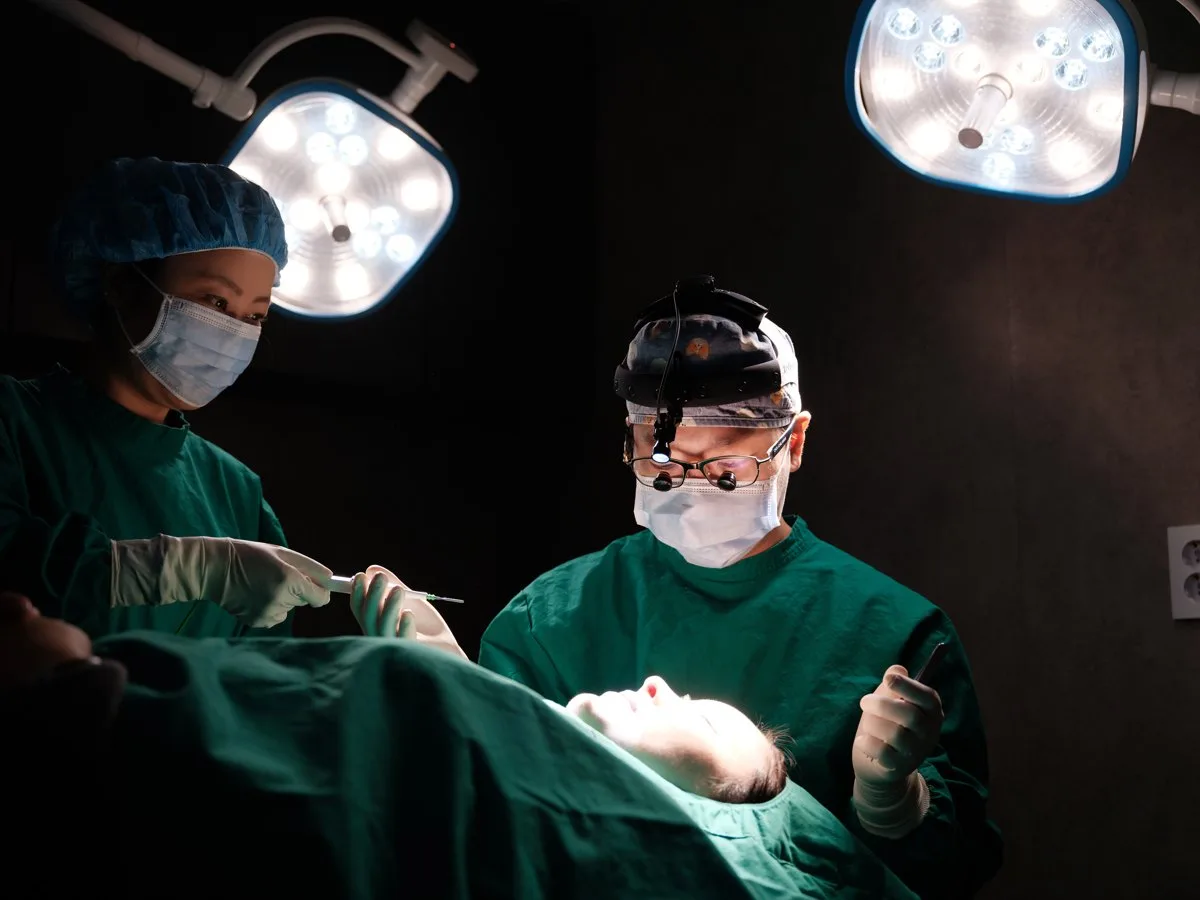
Fig. 04 · The operating room on Rewind's own floors

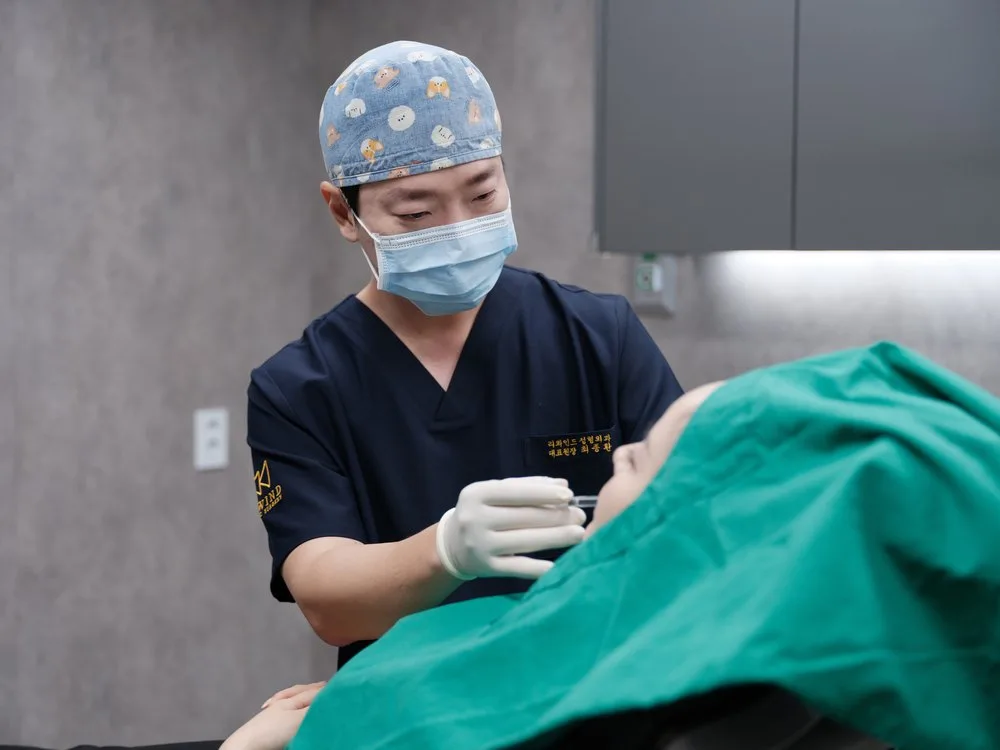
Fig. 05 · Preparation ahead of a revision
Revision surgery takes place in the same operating room, on the fourth and fifth floors of the Richro Building, as every other Rewind operation, and it is performed by the surgeon who planned it. The list below sets out what a revision plan contains.
Board-certified plastic surgeon
Dr. Jonghwan Choi is a member of the Korean Society of Plastic and Reconstructive Surgeons, the Korean Society for Aesthetic Plastic Surgery and the Korean Cleft Palate-Craniofacial Association. Patients who travel to Rewind are seen under its KHIDI registration, M-2025-01-08-09288.
Revision rates
Rewind lists revision separately from first-time surgery. The figure that applies depends on the route the examination selects, and correction for a low-sitting lid is added only when it is found.
Listed revision rates exclude VAT and already contain the anaesthetic fee. A straightforward buried revision sits at the same level as a first buried crease, and an earlier partial-incision crease is re-planned onto one of the two revision lines. Because the route depends on what the first operation left, the applicable figure is confirmed only after the lid has been examined in person.
Readiness
Healing after revision
Rewind publishes aftercare by operation, and a revision follows the sheet for the method it uses. No separate revision timetable is published, so the figures below are the baseline, and your surgeon states any expected difference at consultation.
Revision carries the same categories of risk as any eyelid operation: bleeding and haematoma, infection, prolonged swelling, asymmetry, a fold healing at an unplanned height, altered sensation and a visible line. A fold that loosens or changes shape during healing should be shown to the clinic promptly. Visitors should build their stay around the suture-removal visit, which is fixed at follow-up on a day the clinic is open.
At Rewind, one board-certified plastic surgeon carries every case — from the first consultation to the final follow-up. Because a face is a story, and a story deserves a single author.
Rewind,
Rewind's Doctor
Dr. Jonghwan Choi Medical Director
One surgeon, from the first
consultation to the last follow-up.
A board-certified plastic surgeon devoted to anti-aging lifting — with the precision and restraint built through years of craniofacial practice.
Google Reviews
"Sample review card — at launch this section pulls the clinic's real Google reviews automatically, shown verbatim with the reviewer's initial and posting date."
"Sample review card — reviews are never written or edited by the clinic; only what patients posted on Google appears here."
"Sample review card — a 'See all reviews on Google' link takes visitors to the clinic's Business Profile."
Questions
Reservation
Tell us what you are considering — we reply within one business day, in your language.
Scientific evidence
Each paper reports on other surgeons' patients and predicts nothing about an individual eyelid. They are listed because they speak to the questions a revision raises: how the complications of Asian double eyelid surgery are prevented and managed, why mild ptosis that goes unrecognised affects the outcome of cosmetic upper-lid surgery, and how a buried, non-incisional crease is constructed in the first place.