Surgery · Eyelid Pricing
What a Seoul quotation is made of, line by line
Gangnam, Seoul | Board-certified plastic surgeon, Dr. Jonghwan Choi
KHIDI-registered for international patients · Apgujeong Rewind
Double eyelid surgery cost
The short answer
Rewind publishes one rate for each crease method and bills everything else as its own line, so a double eyelid quotation in Apgujeong is an addition rather than a package price. It holds the method your lid can carry (buried, partial-incision or full-incision), plus eyelid muscle correction where the examination finds the lid margin sitting low, plus any neighbouring eyelid operation carried out in the same session. The anaesthetic fee is already counted inside each listed figure, VAT is added on top, and work on a previous crease is quoted on a revision line of its own. Every published item appears in the rate list further down this page.
Rates quoted here are taken from Rewind's own fee list for eye surgery; the surgical descriptions come from the clinic's Korean pages for the buried, partial-incision and full-incision methods. Operating time, the anaesthesia used and a fixed suture-removal day are unpublished by the clinic, so nothing on this page attaches a cost to them.
Behind the question there is usually a second one: will the cheaper method do? Of the three published crease rates the buried method sits at the bottom, partial incision in the middle and full incision at the top, and the distance between the ends of that list is wide enough to change a travel budget. Whether your eyelid can use the lower figure is settled by lid thickness, the volume of fat above the eye and how much of the iris is already covered. Those are findings read at the chair, and they are what a written quotation is built on.
Before & After
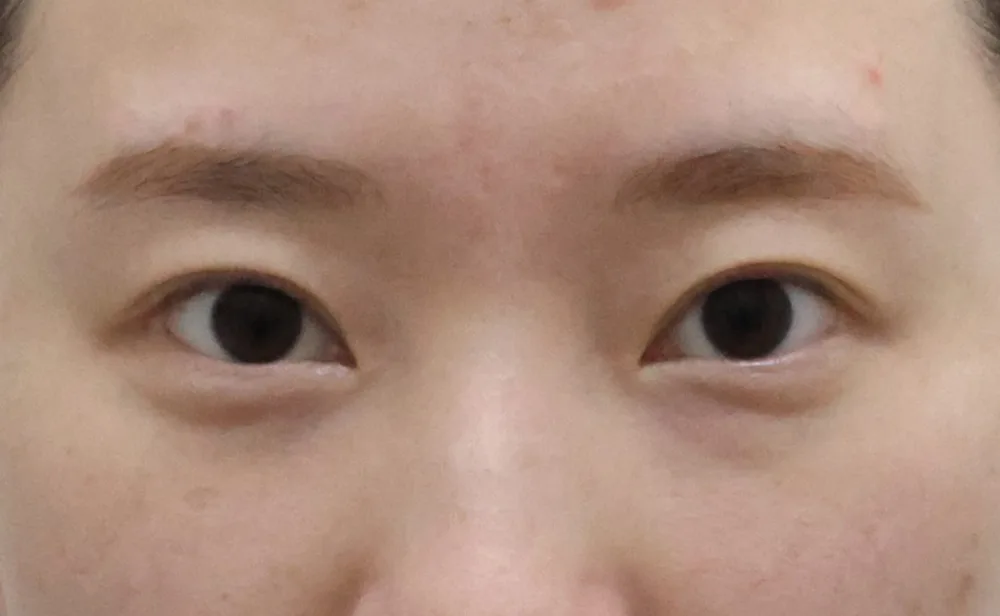
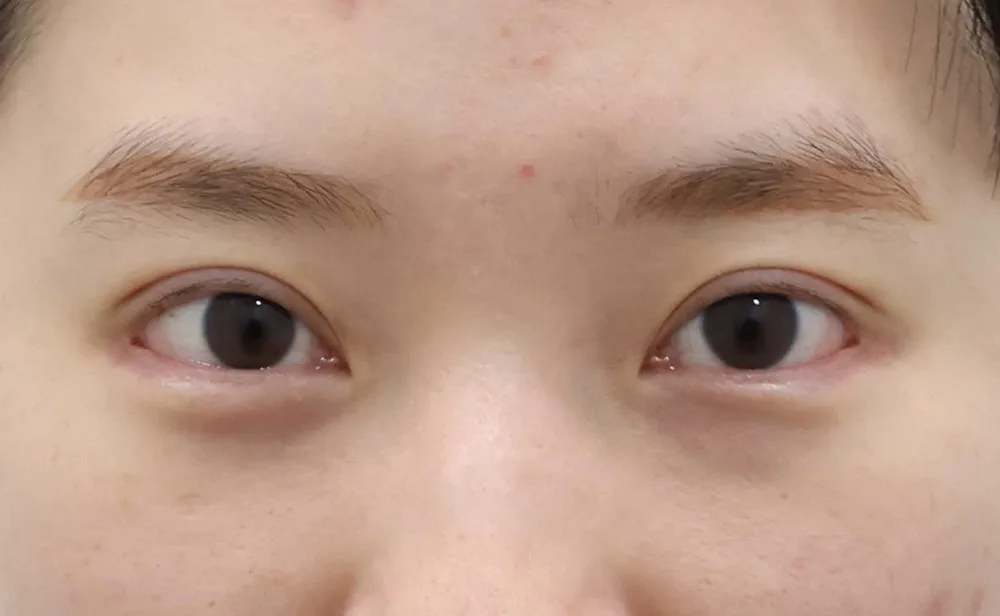
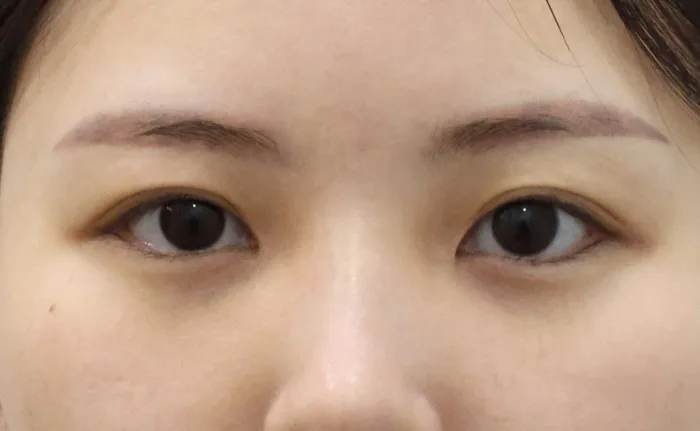
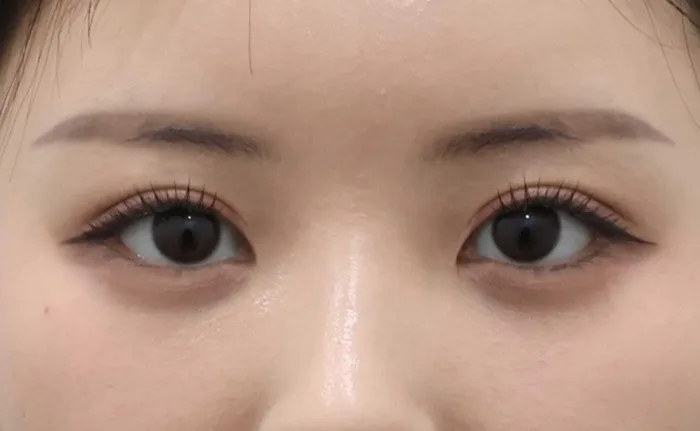
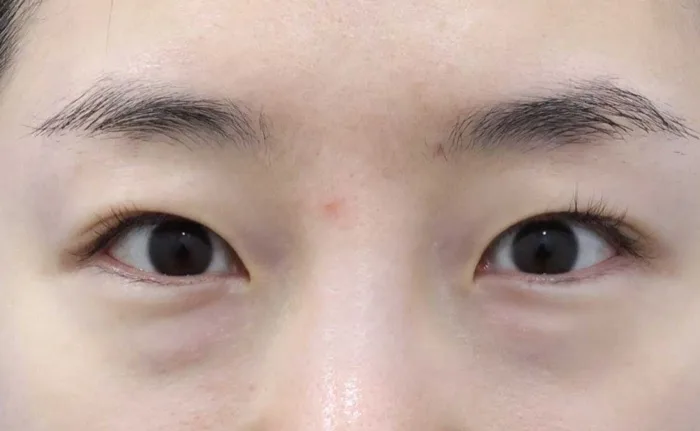
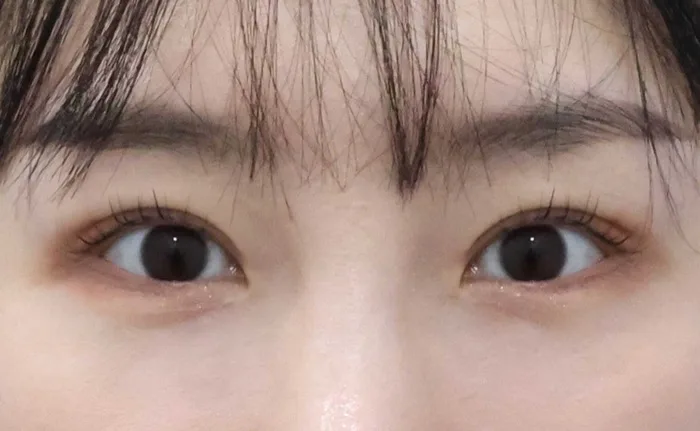
Rewind photographs its own eyelid patients and names every operation performed in that session. On a pricing page those lists do double duty, because each named operation is a separate line on the quotation. A crease on its own, a crease with the inner corner opened, a crease with the inner corner and the under-eye area addressed: three sessions, three different arithmetic.
BEFOREAFTER
BEFOREAFTER
BEFOREAFTERThese are Rewind's own patients, photographed in the clinic to one lighting and framing standard and shown unretouched. What a case was charged is not what you will be charged, and what a case looks like is not what your eyelid will look like. Bleeding and haematoma, infection, prolonged swelling, asymmetry between the two lids, altered sensation and a visible line after an incisional method are all possible. A figure follows an examination with the doctor, never a photograph.
Line items
Eye surgery at Rewind is listed as individual operations, so a quotation reads as a short itemised list with the examination deciding which lines belong on it. Four kinds of line can appear, and only the first is unavoidable.
Two of those lines have pages of their own. Muscle correction is set out under ptosis correction, and inner-corner surgery under epicanthoplasty. Where the examination finds descended skin sitting on the eye instead of a missing fold, the quotation changes shape altogether and moves to upper blepharoplasty.
From examination to figure
Six things happen between sitting down and leaving with a written plan. Only the first three change the size of the figure; the last three decide how legible it is.
Lid thickness, the volume of fat above the eye, how much of the iris shows when the eyes are open and whether the brow does the lifting are checked by hand. A buried crease bought for a thick, fatty lid is the classic expensive mistake, because the second operation costs more than choosing correctly the first time.
The buried version ties the fold at seven micro-anchor points with double fixation and opens nothing. Partial incision opens about five to seven millimetres so surplus fat and muscle tissue can leave the lid first. Full incision opens the designed line along its length, removes tissue and closes in layers. Each step up the list buys more work inside the lid, and the published rates follow that order.
An eye that opens narrowly, or a forehead called on every time the eye opens, points at the eye-opening muscle instead of the fold. Published work on Asian upper lids argues that mild, unrecognised ptosis has to be addressed during cosmetic lid surgery if the result is to hold, and Rewind carries that correction as an addition to the crease.
Inner-corner and under-eye operations are commonly planned in the same sitting as the crease. Sharing one visit to theatre does not merge their fees; the quotation names each operation and prices it, so you can see what the session would cost with the optional line removed.
A loosened buried crease is frequently converted to an incisional or partial-incision plan, while a previous incisional line is a heavier problem and carries a heavier figure. A revision number can only be confirmed once the examination has established what was done the first time, so these quotations are given in person.
The plan lists each operation with its own rate, states that the anaesthetic fee is inside those rates and shows VAT as a separate addition. Nothing on it is left as an estimate to be settled later, and if a proposed line has no examination finding behind it, it does not go on the list.

Why itemised
A single headline figure for double eyelid surgery hides the two decisions that actually move it: which method the lid needs, and whether the opening muscle has to be corrected as well. Splitting the quotation exposes both, and it lets a patient decline an optional line without renegotiating the whole plan.
Muscle correction, inner-corner surgery and under-eye surgery each carry their own published rate. A plan grows only where the examination produced a reason, and the reason is stated next to the line it justifies.
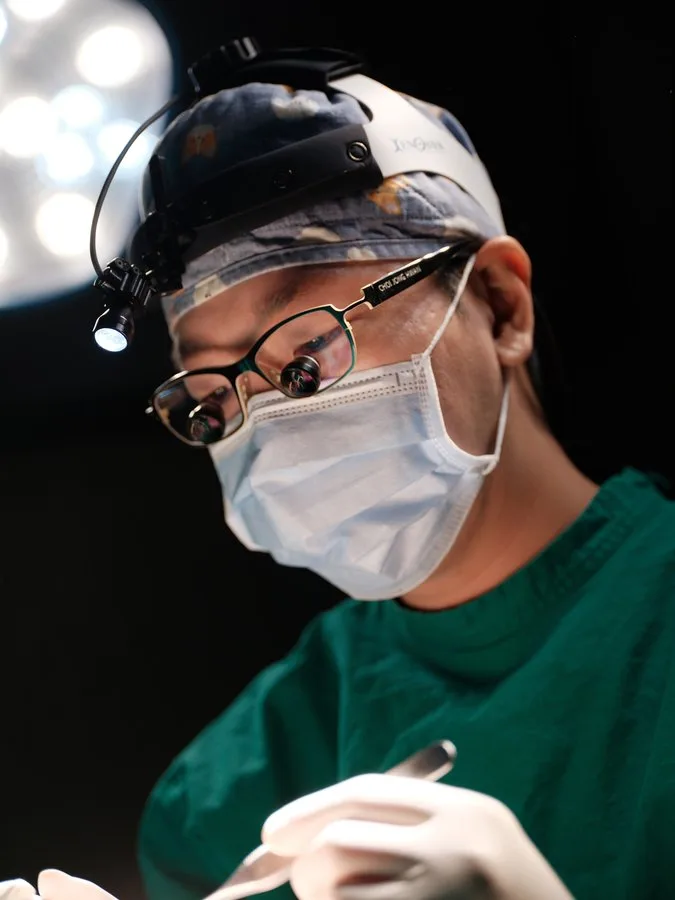
Rewind runs as a single-surgeon practice, so the examination that produced your figure and the hands that perform the operation belong to the same person. There is no second operator the case can be handed to once the plan is signed.
An eyelid keeps moving while swelling settles and the fold matures, so suture care and follow-up visits are arranged with the operating surgeon at the time the plan is written. International patients are looked after in their own language from the first message, at an institution registered with KHIDI for foreign patients.
What the fee covers

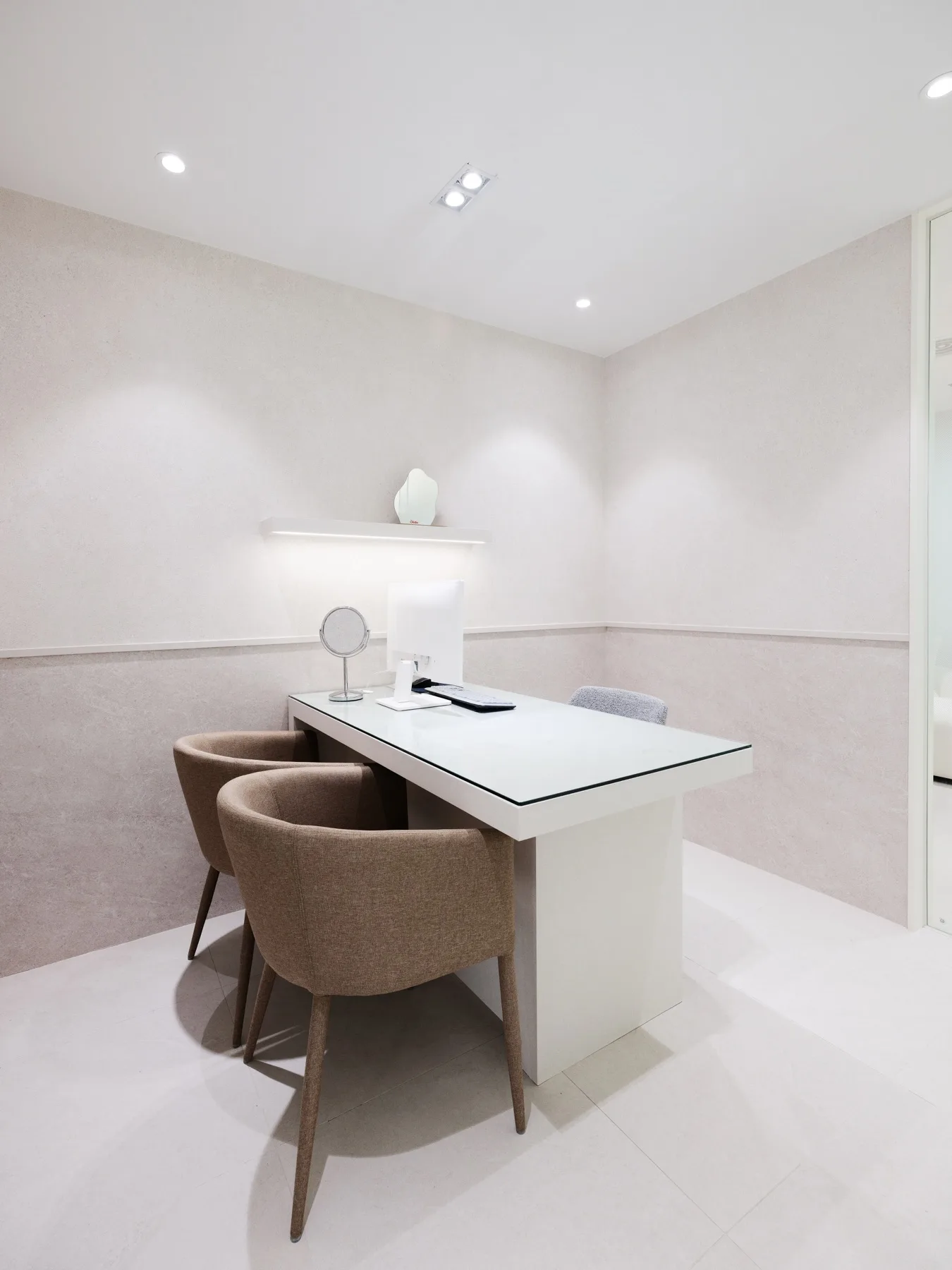
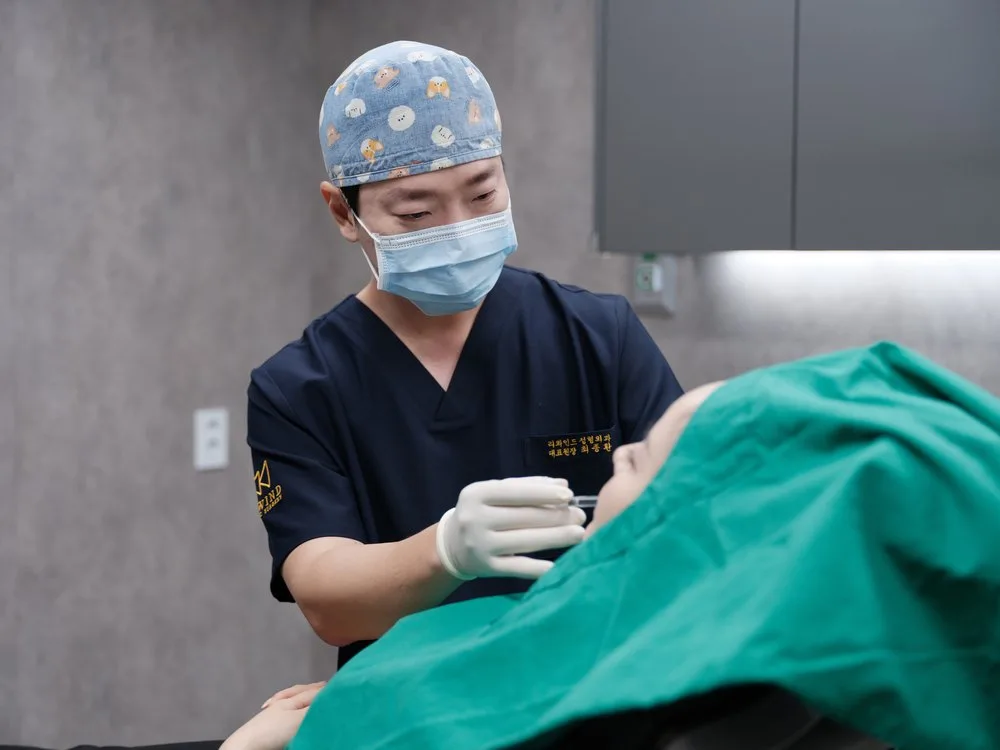
Fig. 04 — The clinic's own operating room, Richro Building

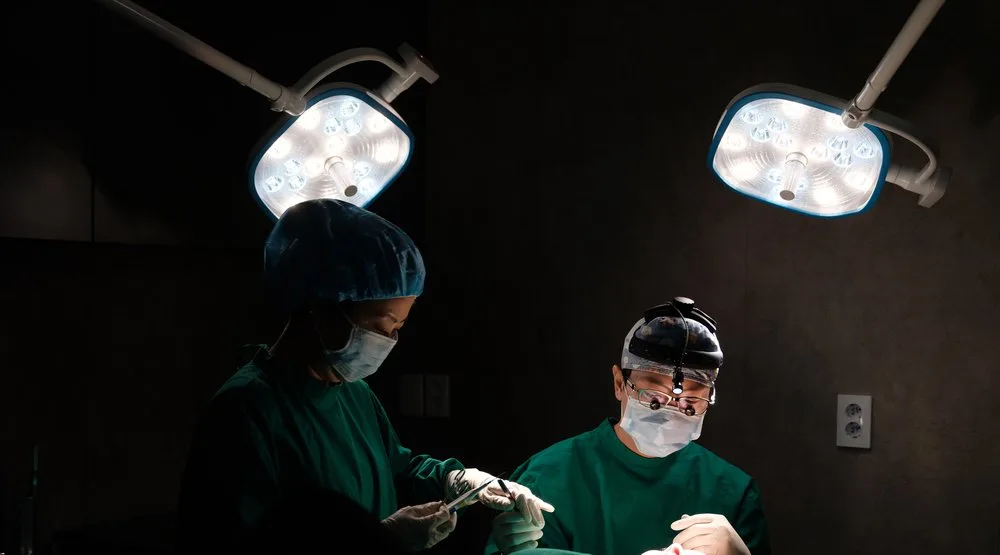
Fig. 05 — Preparation, before the first suture
Rewind occupies the fourth and fifth floors of the Richro Building in Apgujeong, and the operating room is the clinic's own. Because one surgeon carries every case, the fee on your quotation is not split between a consulting doctor and an operating doctor: it buys the same person at both ends of the process. The items below are what a listed crease rate already contains, and the two that it does not.
Board-certified plastic surgeon
Korean board certification in plastic surgery, with membership of the Korean Society of Plastic and Reconstructive Surgeons and the Korean Society for Aesthetic Plastic Surgery. Patients travelling from abroad are treated under KHIDI registration M-2025-01-08-09288.
Published rates
These are the clinic's standard published figures. Read them as components: your own quotation is the crease method the examination selected, plus any additional line it justified. The lowest figure on this list is no bargain and the highest no premium: they describe different amounts of work inside the lid.
Every figure above is a standard listed rate with VAT still to be added, and the anaesthetic fee for that operation is already counted inside it. Revision figures stand until the earlier surgery has been examined, since what can be rebuilt depends entirely on what was done before. Where a plan needs several lines, the total is written out in full at the consultation, before any date is taken.
Which figure applies
The cost in days
Two of Rewind's post-operative sheets apply to the crease operations, one for the buried method and one for the incisional versions, and where they disagree the stricter line is the one to follow. Between them they describe the part of the price nobody invoices: the days before the eye looks like an eye you would photograph.
Eyelid surgery carries risks worth naming before money changes hands: bleeding and haematoma, infection, prolonged swelling, asymmetry between the two lids, a fold that heals higher, lower or thicker than planned, a buried crease loosening after a knock or a hard rub, altered sensation, and a visible line after an incisional method. Any of those can turn into a second operation with a revision figure attached. Tell the surgeon about every previous eye operation and every medication you take before a date is agreed. Rewind publishes no fixed number of days for visitors to stay; budget around the one-to-two-week window for swelling and confirm the schedule at your consultation.
At Rewind, one board-certified plastic surgeon carries every case — from the first consultation to the final follow-up. Because a face is a story, and a story deserves a single author.
Rewind,
Rewind's Doctor
Dr. Jonghwan Choi Medical Director
One surgeon, from the first
consultation to the last follow-up.
A board-certified plastic surgeon devoted to anti-aging lifting — with the precision and restraint built through years of craniofacial practice.
Google Reviews
"Sample review card — at launch this section pulls the clinic's real Google reviews automatically, shown verbatim with the reviewer's initial and posting date."
"Sample review card — reviews are never written or edited by the clinic; only what patients posted on Google appears here."
"Sample review card — a 'See all reviews on Google' link takes visitors to the clinic's Business Profile."
Questions
Reservation
Tell us what you are considering — we reply within one business day, in your language.
Scientific evidence
None of these papers concerns fees. They are listed because each one describes a method that appears as a line on the rate list above: the small-incision and short-incision crease techniques, the muscle correction that so often has to be added in Asian upper lids, the complications that turn a first operation into a revision, and the inner-corner surgery commonly quoted alongside a crease. They report other surgeons' series, not Rewind's, and they predict nothing about an individual eyelid.