Surgery · Combined Eyelid Plan
One operation, two findings, two lines on the quotation
Gangnam, Seoul | Board-certified plastic surgeon, Dr. Jonghwan Choi
KHIDI-registered for international patients · Apgujeong Rewind
Crease and correction
The short answer
Yes, and at Rewind that is the only form in which ptosis correction is offered. The clinic's rate list carries eye-opening correction as an item added to a double eyelid operation, so the crease and the correction are carried out in the same sitting, by the same surgeon, and quoted as two separate lines. The crease decides where the upper lid folds. The correction deals with how far the lid rises when the eye opens. A plan needs the second line only when the examination finds the lid margin sitting low over the iris.
What this page states comes from Rewind's Korean pages for its buried, partial-incision and full-incision creases and from the clinic's own rate list, where eye-opening correction appears as an addition. Rewind does not publish a surgical description, an anaesthetic or a theatre time for the correction, so none of those is given here.
The second question people ask is how much more the combination costs. At Rewind the answer is exactly one extra item: the published add-on rate for eye-opening correction, sitting on top of the rate for whichever crease method the lid needs, with VAT added to both. Both figures are shown in the pricing section further down this page.
Doing the two together is also a subject of published surgical work. A five-year review from 2015 followed combined non-incisional creases and ptosis correction carried out in one stage, and a 2007 series described how double eyelid surgery can be planned in Asian patients whose lids were low from birth. Those papers report other surgeons' patients; they explain why the combination is a recognised plan, and they cannot predict an individual result.

Before & After
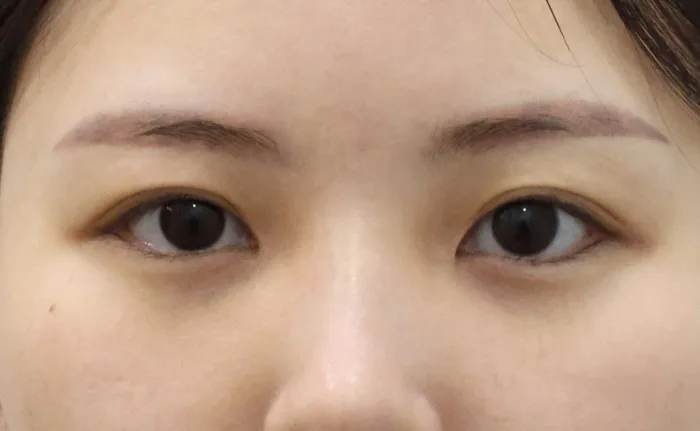
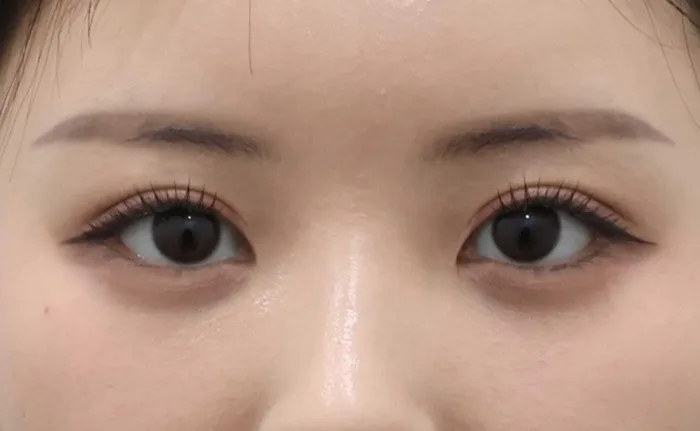
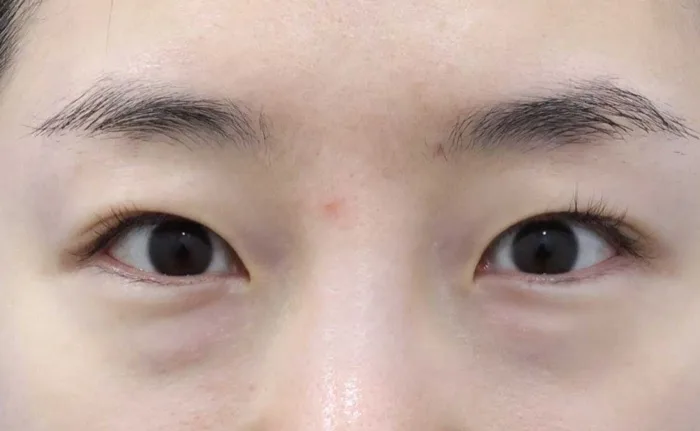
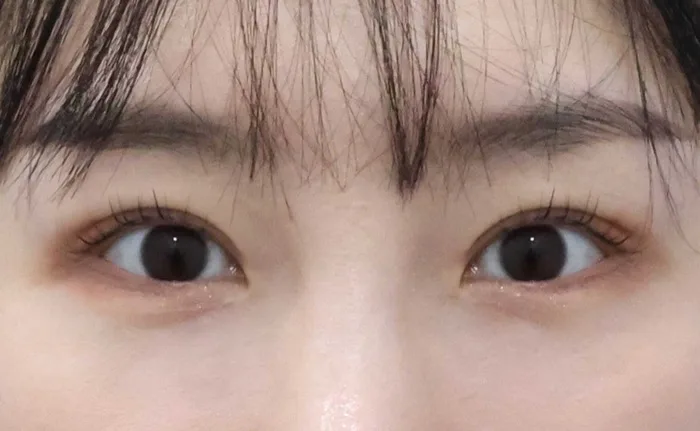
Rewind has not yet published photographs of a case that combined a crease with eye-opening correction. The two cases below show the other half of the comparison: crease plans that did not include the correction, with the neighbouring work in each session named in its caption. What was operated on in these eyes is the fold, the inner corner and, in the second case, the area under the eye; the lift of the lid itself was not part of either plan.
BEFOREAFTER
BEFOREAFTERThese are Rewind patients, photographed by the clinic and cropped to the eye region. Neither case included ptosis correction, and neither should be read as showing what a correction does. Eyelid surgery can bring bleeding, infection, prolonged swelling, asymmetry between the lids and altered sensation, and when the opening is corrected the lid can finish higher or lower than planned.
Two jobs in one operation
The combined operation is easier to judge when its two halves are held apart. Each answers a different complaint, and each has limits the other cannot make up for.
For the correction on its own terms, including the findings that put it on a plan, see ptosis correction. The methods available for the crease half are laid out on the double eyelid surgery page.
From finding to plan
The combination is never chosen from a menu. It builds up from one examination, in five stages, and a plan can stop at the crease at any of them.
The surgeon asks where a crease should sit and, separately, whether the lid rises far enough. The second question is easy to miss when a patient arrives asking only about the first, so it is checked in every double eyelid consultation.
Rewind's material names eyes showing under about 80% of the iris, and people who recruit the forehead to open their eyes. With the brow relaxed, a low lid margin shows itself, and each eye is noted on its own because the two often differ.
Lid thickness and the fat above the eye decide between the buried, partial-incision and full-incision creases. The correction is then added to that method, so two people with the same low lid can end up with different combinations.
Because the correction is priced as an addition, the plan names the crease method with its rate and the correction with its own. A patient can see precisely what the eye-opening half adds and ask why it is there.
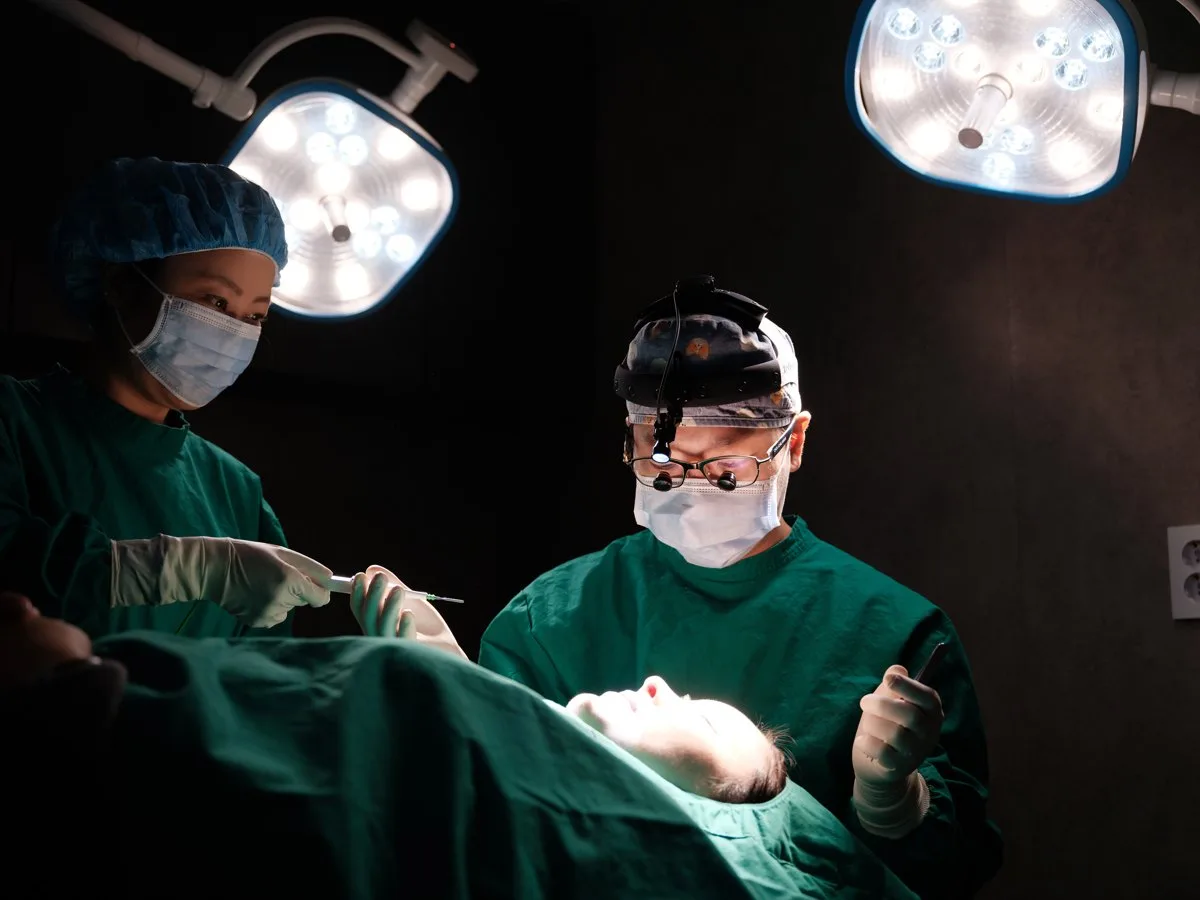
Both halves are carried out in the same operation by the medical director. For someone travelling to Seoul, that means one set of stitches to be removed and one stretch of swelling to budget for, set out in the plan before a date is fixed.

Why combine
A crease built over a lid that rises too little can look clean on the operating table and still leave the eye heavy. Planning the two together, when the examination calls for both, keeps the fold and the lid height in step.
Published work on Asian upper lids argues that a mild, unrecognised lid droop has to be addressed during cosmetic lid surgery if the outcome is to hold up. When both are planned in one operation, the surgeon sets the fold against the lid height it will actually sit on.
Nobody is sold the correction because a crease is being done anyway. It is proposed when the lid margin sits low, explained with the measurement behind it, and left off the plan when the lift is adequate.
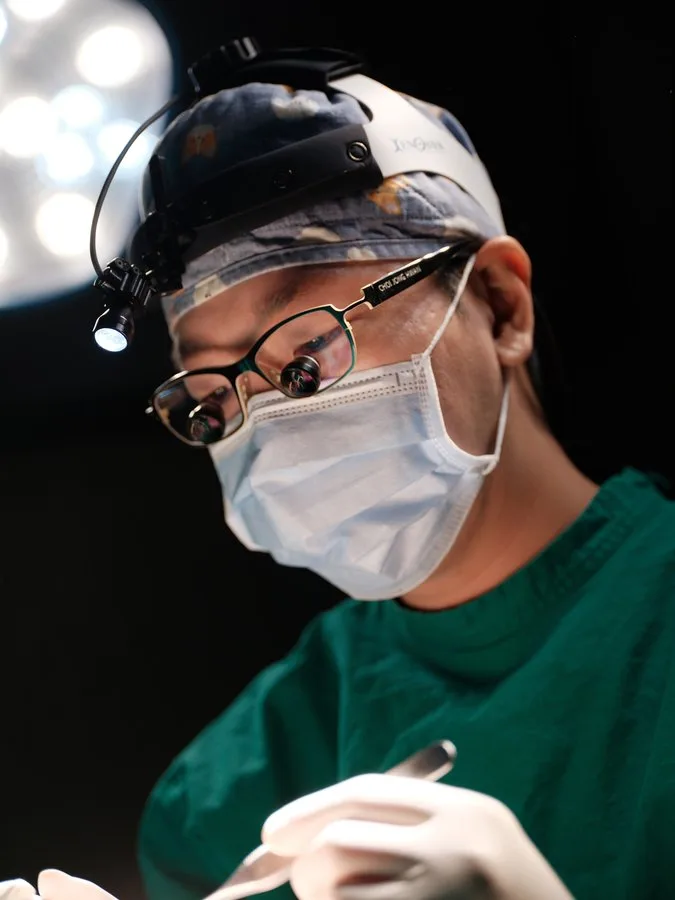
At a single-surgeon practice the judgement made at the desk and the adjustment made in theatre come from one person, and the follow-up visits afterwards are his as well. Patients from abroad are supported in their own language at a KHIDI-registered institution.
On the day

Fig. 04 — One operation covers both the crease and the correction

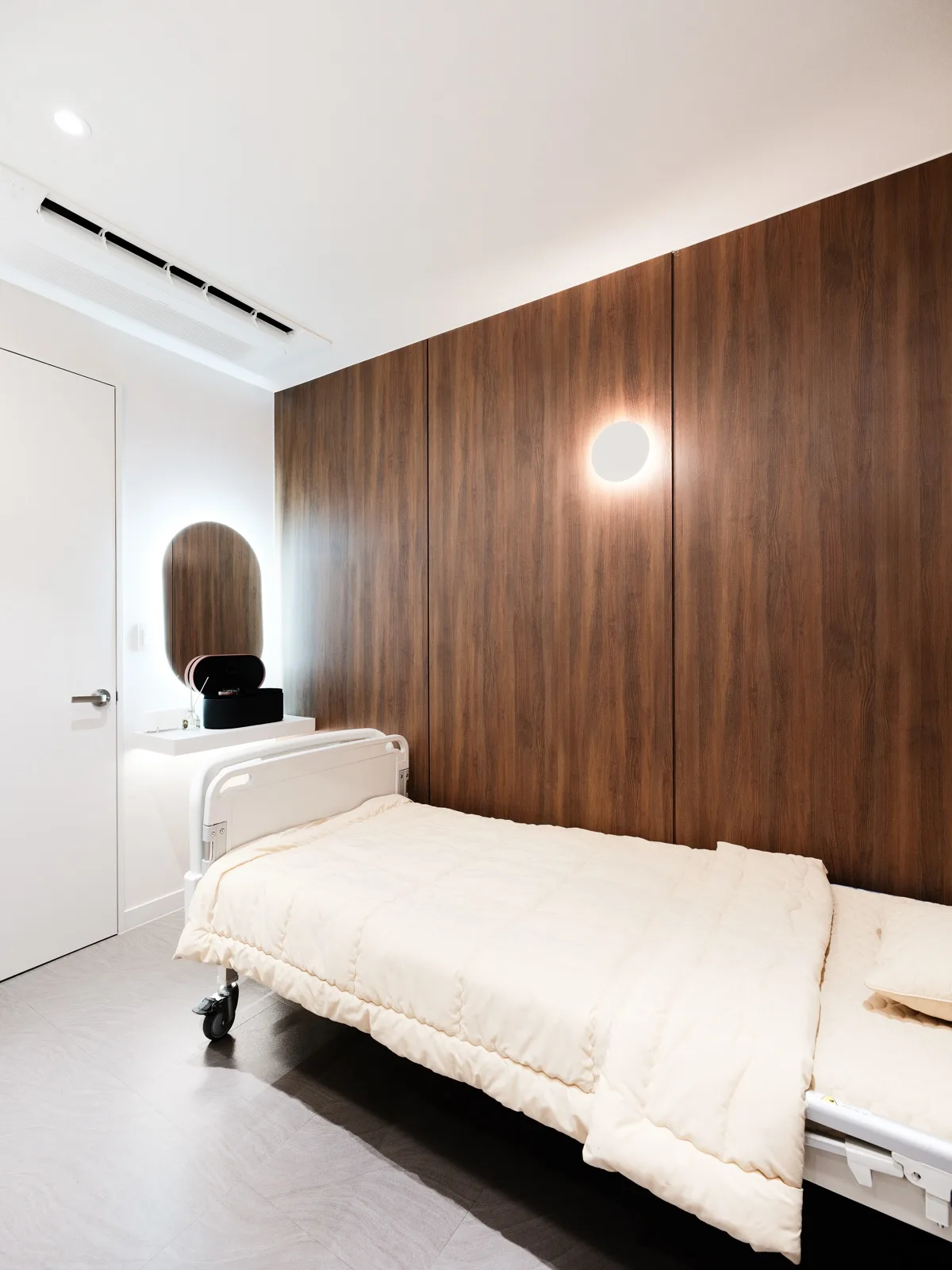
Fig. 05 — The clinic's recovery room, where the first cold compress is applied
The operation takes place in Rewind's own theatre on the fourth and fifth floors of the Richro Building in Apgujeong, Gangnam. Consultations for eyelid surgery run by appointment on Monday, Tuesday, Wednesday and Friday until 19:00 and on Saturday until 16:00. The list below separates what the clinic publishes about the combined session from what it leaves to the examination.
Board-certified plastic surgeon
Korean board certification in plastic surgery; member of the Korean Society of Plastic and Reconstructive Surgeons and the Korean Cleft Palate-Craniofacial Association. Rewind treats patients from abroad as a KHIDI-registered institution, Reg. M-2025-01-08-09288.
Adding the correction
A combined plan is priced as a sum of two lines: the crease method your lid needs, plus the eye-opening correction. The first row below is the difference the correction makes; the other three are the crease rates it can be added to.
A combined plan equals one crease rate plus the correction rate, with VAT added on top of both; the anaesthetic fee is already inside each listed figure. When the lid has had surgery before, the correction and any crease revision are quoted only after the earlier operation has been examined, because the scope depends on what was done.
Who it is planned for
Recovery
Rewind publishes aftercare sheets for its crease operations and none that is specific to the correction, so the combined recovery follows the sheet for the crease method used. The surgeon confirms at the examination whether your plan needs anything beyond it.
Adding a correction adds its own risks to those of the crease: a lid that finishes higher or lower than intended (over- or under-correction), a height difference between the two eyes, and dryness or irritation of the eye surface. Bleeding and haematoma, infection, prolonged swelling, altered sensation and scarring along any incision apply as they do to any eyelid operation. Severe pain, fever or a sudden change in vision means returning to the clinic promptly. Rewind publishes no fixed length of stay for this combination; ask for one in writing at consultation.
At Rewind, one board-certified plastic surgeon carries every case — from the first consultation to the final follow-up. Because a face is a story, and a story deserves a single author.
Rewind,
Rewind's Doctor
Dr. Jonghwan Choi Medical Director
One surgeon, from the first
consultation to the last follow-up.
A board-certified plastic surgeon devoted to anti-aging lifting — with the precision and restraint built through years of craniofacial practice.
Google Reviews
"Sample review card — at launch this section pulls the clinic's real Google reviews automatically, shown verbatim with the reviewer's initial and posting date."
"Sample review card — reviews are never written or edited by the clinic; only what patients posted on Google appears here."
"Sample review card — a 'See all reviews on Google' link takes visitors to the clinic's Business Profile."
Questions
Reservation
Tell us what you are considering — we reply within one business day, in your language.
Scientific evidence
These four papers bear directly on the combined plan: a five-year review of a crease and a correction done together without an incision, a series on planning a crease when the lid has been low from birth, a paper arguing that a mild droop is often missed in cosmetic eyelid surgery, and a review of how complications of Asian double eyelid surgery are prevented and handled. They report other surgeons' cases and describe no Rewind patient.