★★★★★
Came to REWIND to get my facial treatment and i'm absolutely obsessed about it💞 the doctor is so kind and is an expert! Everyone must visit!
 YunHee Hong2 weeks ago
Surgery · Inner-Corner Pricing
One fee line for the inner corner, read before it is added
Gangnam, Seoul | Board-certified plastic surgeon, Dr. Jonghwan Choi
Itemised eye-surgery fee list · KHIDI-registered for international patients
Epicanthoplasty cost
The short answer
At Rewind, medial epicanthoplasty is one line on the clinic's eye-surgery fee list, priced as an operation in its own right and never folded into a crease package. The anaesthetic fee is already inside the listed figure, and VAT is charged on top of it. When the inner corner is booked alongside double eyelid surgery, it raises the crease quotation by its own listed amount, and that amount stays the same whether the crease is buried, partial-incision or full-incision. The published figure appears in the rate section further down this page.
Figures on this page are taken from Rewind's fee schedule for eye surgery. The description of the operation comes from the clinic's Korean page on eye-opening procedures. The clinic does not publish the anaesthesia used, the operating time or the day stitches come out, so no cost is attached to any of them here.
People pricing this operation are usually pricing two things at once: the corner itself, and the crease they expect to have with it. The corner is one of the smaller figures on the eye list, and that is precisely why the first question on a quotation is whether the line belongs there. A release that the eye did not need costs more than its fee. It leaves a line at the most noticeable point of the face, and restoring a fold is a much harder operation than releasing one.

Before & After
The first patient had her inner corners opened and nothing else, so her plan held a single fee line. The second had a non-incisional crease with the corners released during the same visit, and her plan held two lines, with the corner priced exactly as it would have been on its own. In the first pair the corner is the only change to look for. In the second it is one of two, and the crease accounts for most of what you notice first.
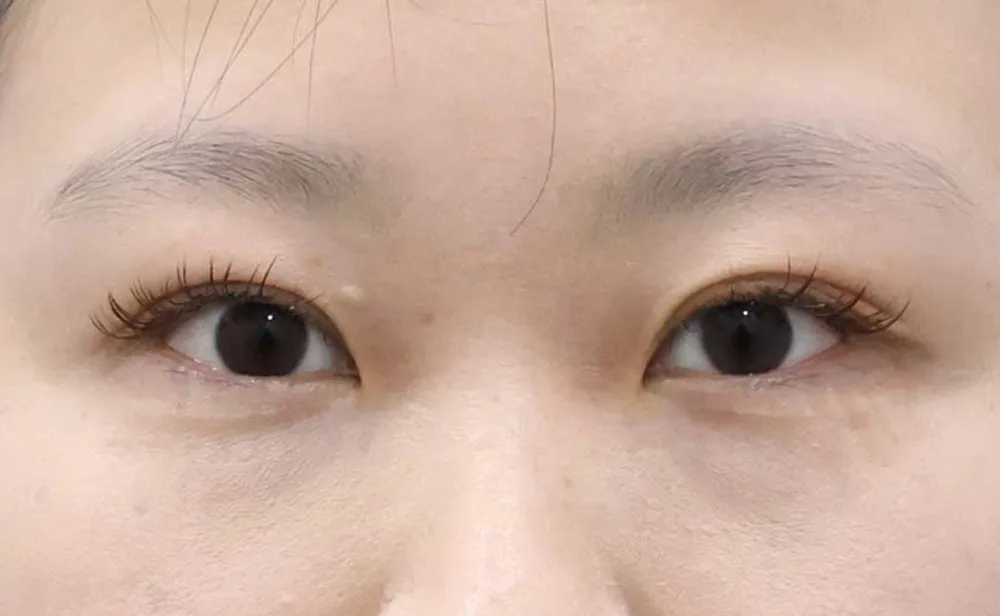
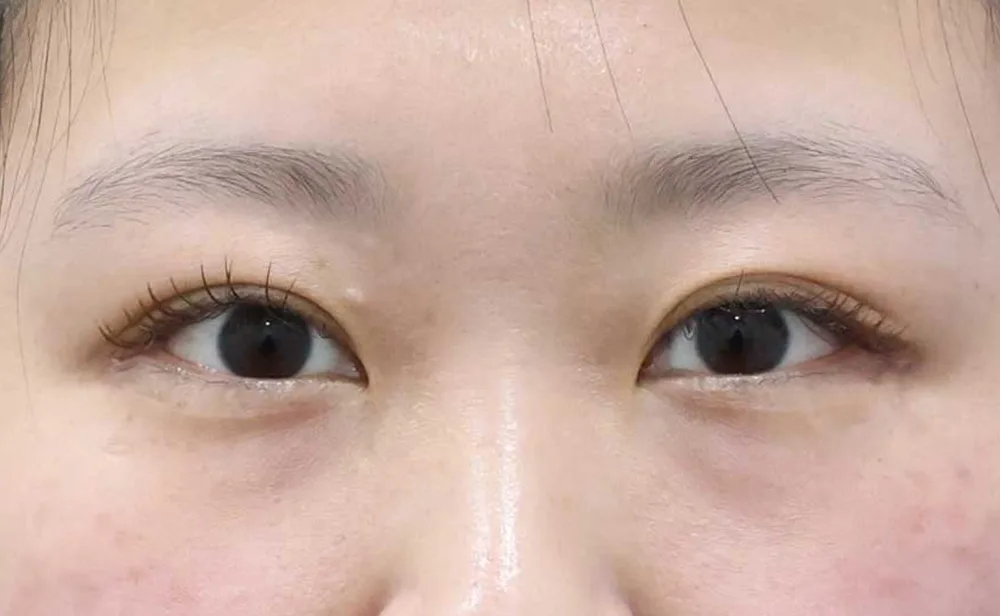 BEFOREAFTER
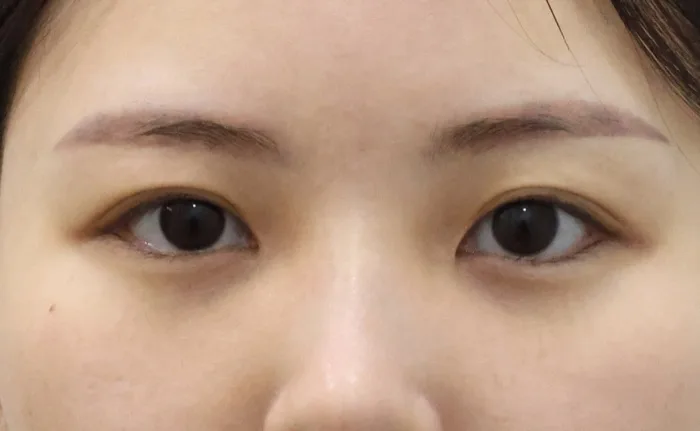
 BEFOREAFTER
Both patients were treated and photographed at Rewind. The fee a case carried says nothing about the fee your own examination will produce, and neither photograph predicts how your corner will heal. Bleeding, infection, swelling, a difference between the two corners, a line that thickens or stays visible, and a corner opened further than intended are all possible after this operation.
The fee line
A fee line is only useful if you know where its edges are. The inner-corner line pays for one defined operation and two fixed conditions; everything around it sits on lines of its own.
The operation itself, and the reasons Rewind declines it for some eyes, are set out on the main epicanthoplasty page. The crease it is most often priced beside has its own page under double eyelid surgery, where the three crease methods and their differences in tissue work are explained.
From measurement to figure
Six decisions stand between a request for the inner corner and a written figure. The first two can remove the line altogether, which makes them the cheapest part of the process to get right.
How much of the inner corner the fold covers, how far apart the two corners already sit, and how much pink tissue shows at the corner are read at the chair. Eyes that already sit close together, or a corner where that tissue is prominent and sharply exposed, are not offered the operation, and the line never reaches the quotation.
Rewind describes this operation for a wide space between the brows combined with a fold that covers much of the inner corner, leaving the eye looking short and closed. If the eye reads small because the lid sits low or no crease has formed, the plan moves to a different operation with a different figure.
The extent of the release is drawn for each eye against the medial canthus. The fee schedule lists a single medial figure and has no grades for a shorter or longer release, so the design is argued on anatomy alone and never on price.
A crease, eyelid muscle correction or under-eye work planned for the same visit is quoted separately. The corner contributes the same amount to the total whichever of them it joins, and removing it from the plan removes that amount and nothing else.
Rewind's fee schedule carries a revision figure for the inner corner, and it is listed at the same level as a first operation. Whether revision is possible at all depends on what was done before, so that figure is confirmed only after the earlier surgery has been examined.
Each agreed operation appears with its own figure, the anaesthetic fee is stated as included, and VAT is shown as an addition. A proposed line without an examination finding behind it does not go on the paper.
Why a separate line
A corner bundled into an eyelid package is hard to question: it arrives with the crease and leaves with it. Listing it alone makes the corner a decision of its own, which is what an operation with a visible line and a difficult reversal ought to be.
Because the corner has its own figure, a patient who decides against it drops one line. The crease method, any muscle correction and the date all stay as they were, and the total falls by exactly the corner's listed amount.
Low-cost add-ons are the ones most easily performed on eyes that did not need them. Rewind holds the request against the distance between the corners and the tissue exposed at them, and a refused corner costs the patient nothing at all.
A single board-certified plastic surgeon measures, designs, operates and holds the reviews, and the corner is only final six months to a year later. International patients are looked after in their own language, at a clinic registered with KHIDI for treating patients from abroad.
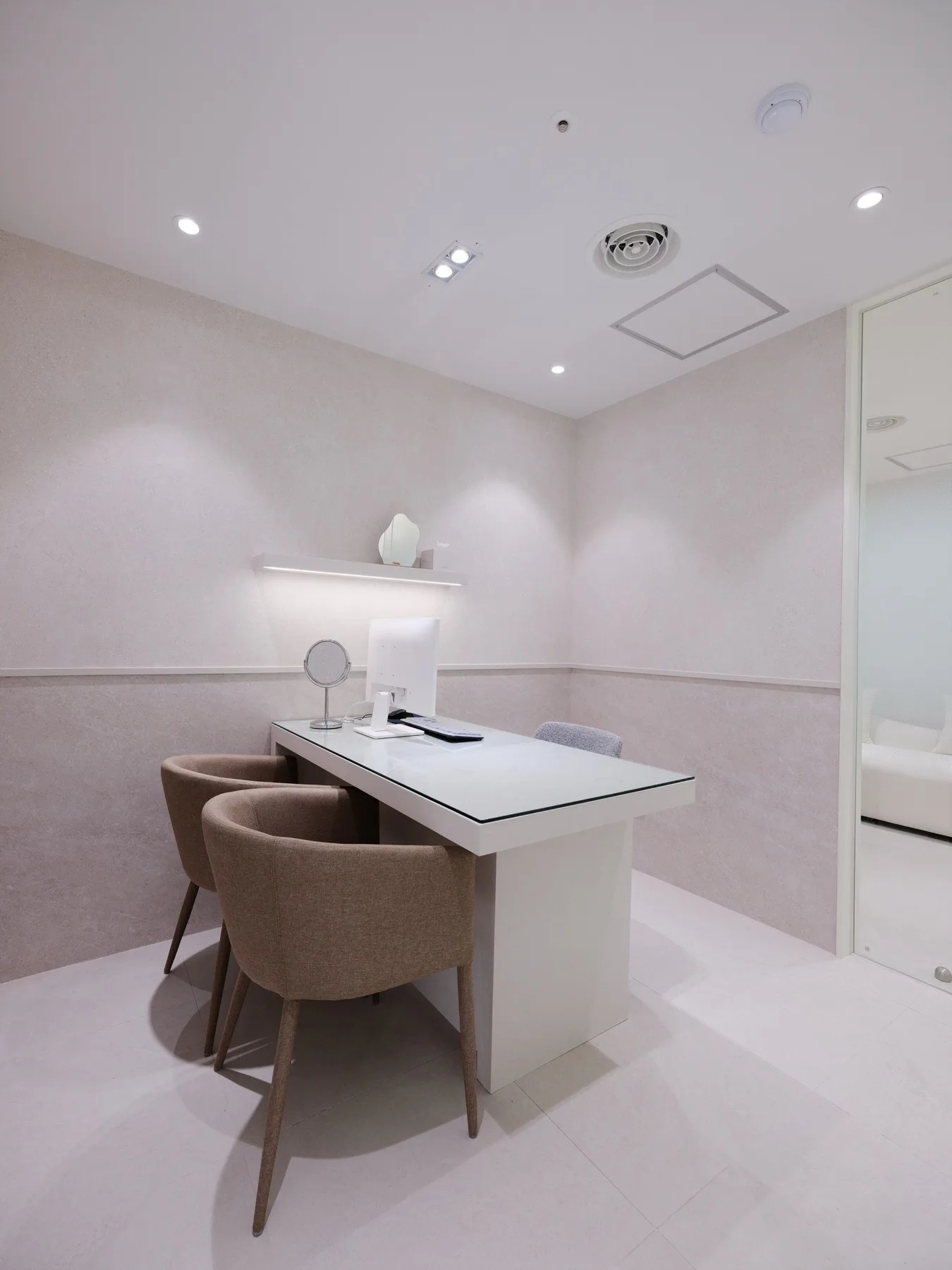
What the figure buys
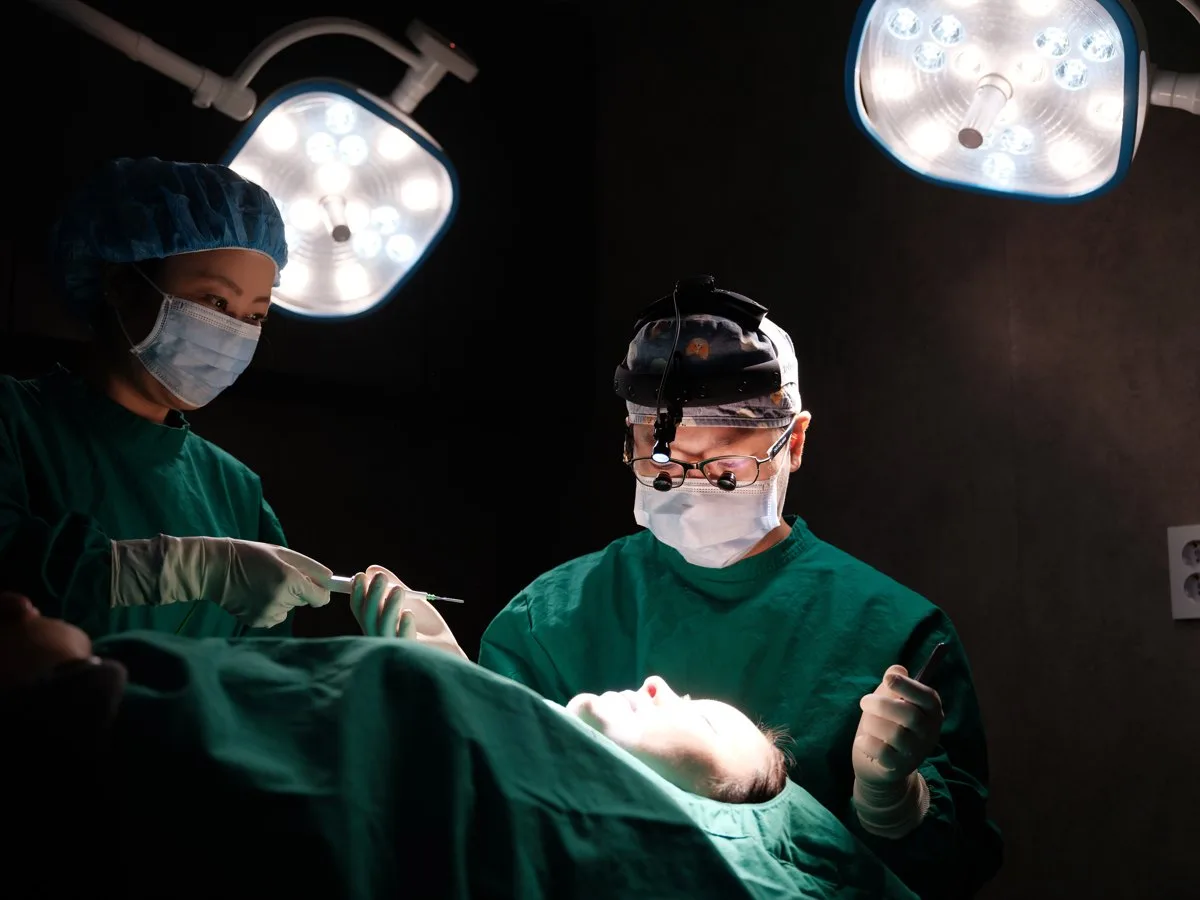
Fig. 04 — The team the corner line is operated with
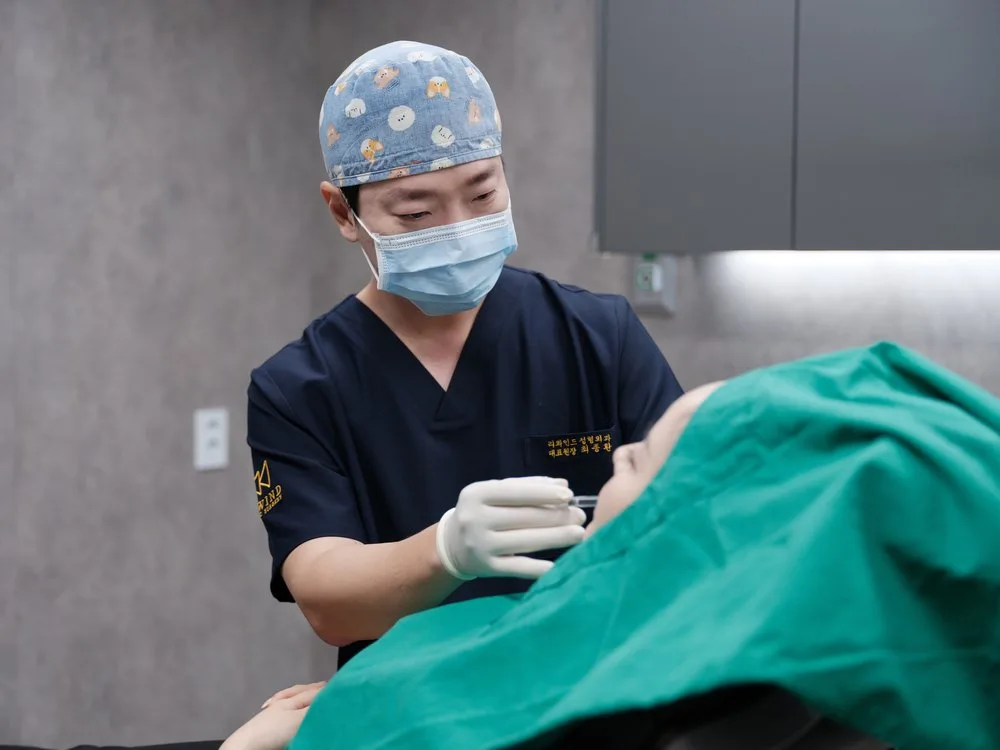
Fig. 05 — Preparation before the design is marked
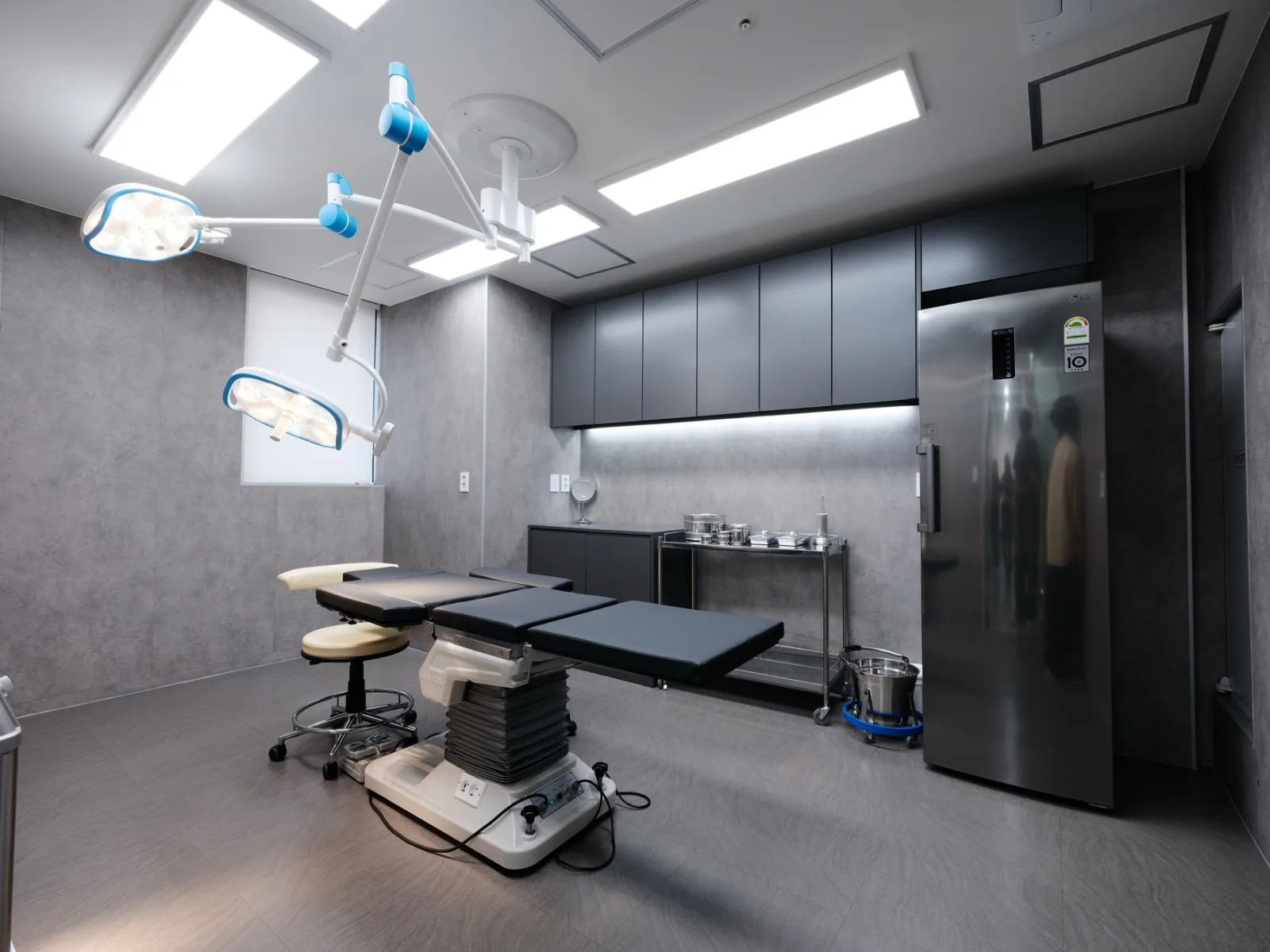
Rewind is on the fourth and fifth floors of the Richro Building in Apgujeong, Gangnam, and the operating room belongs to the clinic. Surgical consultations run on Monday, Tuesday, Wednesday and Friday until 19:00 and on Saturday until 16:00, by appointment. The corner fee is not divided between a consulting doctor and an operating one, because the same surgeon is both. These are the things the medial figure already contains, and the two it does not.

Board-certified plastic surgeon
Dr. Jonghwan Choi holds Korean board certification in plastic surgery and performs every inner-corner release at Rewind himself. The clinic treats patients from abroad under its KHIDI registration, M-2025-01-08-09288.
Published rates
The first figure below is the inner corner. The rest are the operations it is most often weighed against or booked with, listed so that you can see where the corner sits among them. Your own quotation holds only the lines the examination agreed, each at its listed figure.
Standard listed figures, VAT excluded; the anaesthetic fee for each operation is counted inside its figure. A combined plan is the sum of its agreed lines, and the total is written out in full at the consultation before any surgical date is offered.
Does the line belong
The cost in time
The fee is settled at the consultation; the time is spent over the following year. Rewind publishes one instruction and one period for the inner corner, and a travel budget should be built around both instead of around the operating day alone.
Any operation carries risk, and this one has specific risks worth weighing against its modest figure: bleeding, infection, swelling, asymmetry between the two corners, a line that thickens or stays visible, and a corner opened further than intended. Reversing a release is far harder than performing one. Tell the surgeon about every earlier eye operation and every medication you take before a date is agreed.
At Rewind, one board-certified plastic surgeon carries every case — from the first consultation to the final follow-up. Because a face is a story, and a story deserves a single author.
 Rewind,
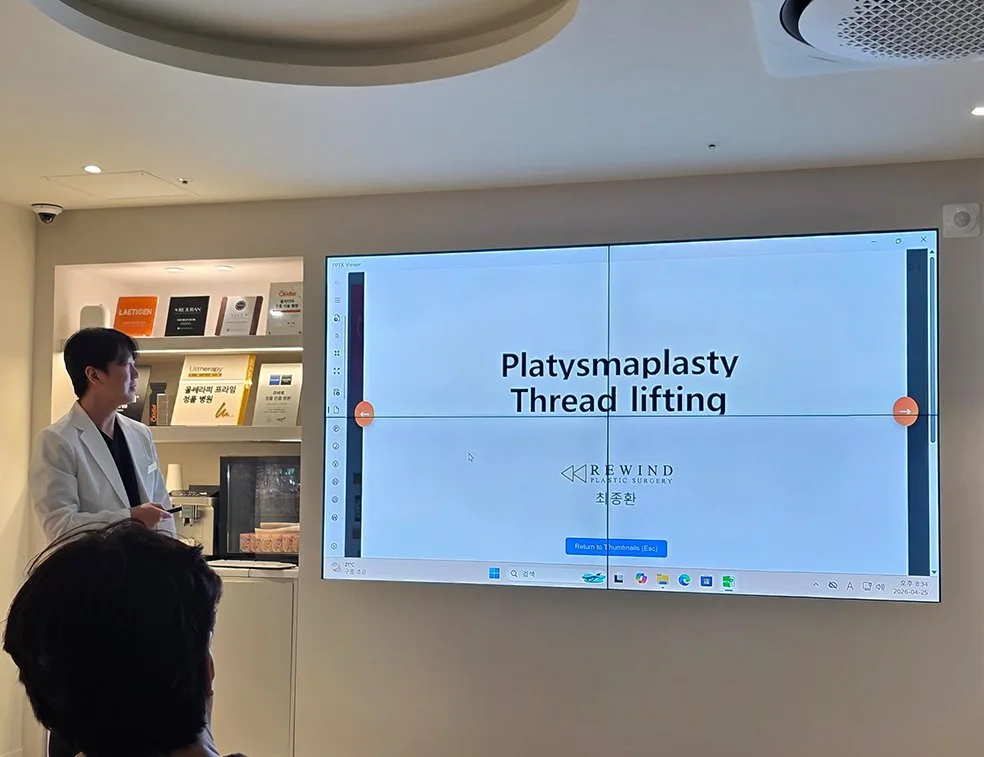
Rewind's Doctor
Dr. Jonghwan Choi Medical Director
One surgeon, from the first
consultation to the last follow-up.
A board-certified plastic surgeon devoted to anti-aging lifting — with the precision and restraint built through years of craniofacial practice.
Questions
Google Reviews
Came to REWIND to get my facial treatment and i'm absolutely obsessed about it💞 the doctor is so kind and is an expert! Everyone must visit!
YunHee Hong2 weeks agoThere are just way too many cosmetic clinics in Korea and I'm so happy I found Rewind Clinic in Gangnam. Dr. Choi was so kind and patient while explaining the different face-lifting options, from threads to mini-lifts to deep-plane lifts…
 J. S.5 months ago
I found Rewind clinic through a Korean chat forum and many local clients highly recommended it. The clinic is brand new, featuring large, clean rooms and many private waiting areas so it doesn't give off that "factory" clinic vibe. All the…
 J. Siou5 months ago
Really nice environment. Doctor is easy to communicate and understands my visions. Waited two weeks to make a review and I confirm the results exceeded my expectations and I am super happy with it. Can't wait to come back!! :))
 Kristie Chu5 months ago
I received a thread lift at Rewind Plastic Surgery. The clinic was clean and the atmosphere was comfortable. The consultation was thorough, and I felt confident because they kindly explained everything tailored to my facial condition. They…
Reservation
Tell us what you are considering — we reply as soon as possible, in your language.
For international patients — interpreter-assisted, from your first message to your follow-up.
Scientific evidence
None of these papers discusses fees. Two describe how the medial release can be designed to limit its scar, which is the main thing a patient buys beyond the widened corner, and the third covers the buried crease technique the corner is often priced beside. They report other surgeons' series and cannot predict how an individual corner will heal.