Surgery · Inner-Corner Recovery

Epicanthoplasty Recovery Time

A short daily recovery, and a long settling one

Apgujeong, Seoul | Board-certified plastic surgeon, Dr. Jonghwan Choi
Follow-up with the operating surgeon · KHIDI-registered for international patients

Recovery Time Recovery Time Recovery Time Recovery Time 
Heal

Epicanthoplasty recovery time

How long is recovery after epicanthoplasty?

The short answer

Recovery from a medial epicanthoplasty runs on two clocks. The daily one is short: the operated corner must not be touched or rubbed in the period after surgery, and the stitches come out at a follow-up visit whose day Rewind sets for each patient instead of publishing a fixed figure. The visual one is long: the clinic states that a natural, settled inner corner takes at least six months and can take up to a year. If a crease or under-eye operation was performed in the same visit, that operation's own instructions run alongside and usually decide how soon you look ready to be photographed.

Recovery facts on this page come from Rewind's Korean page on eye-opening procedures and from its post-operative instruction sheets for eyelid surgery. The clinic does not publish swelling or bruising durations, a stitch-removal day or a fixed length of stay for the inner corner, so none is given here.

Most recovery questions about this operation come from people who have to fly home. For them the useful answer is less "how many days" and more "which visits". The stitch-removal appointment is the one that fixes a travel date, and it is arranged when the plan is written. Everything after it can be done from home, provided the corner is left alone and the final judgement waits for the months the clinic asks for.
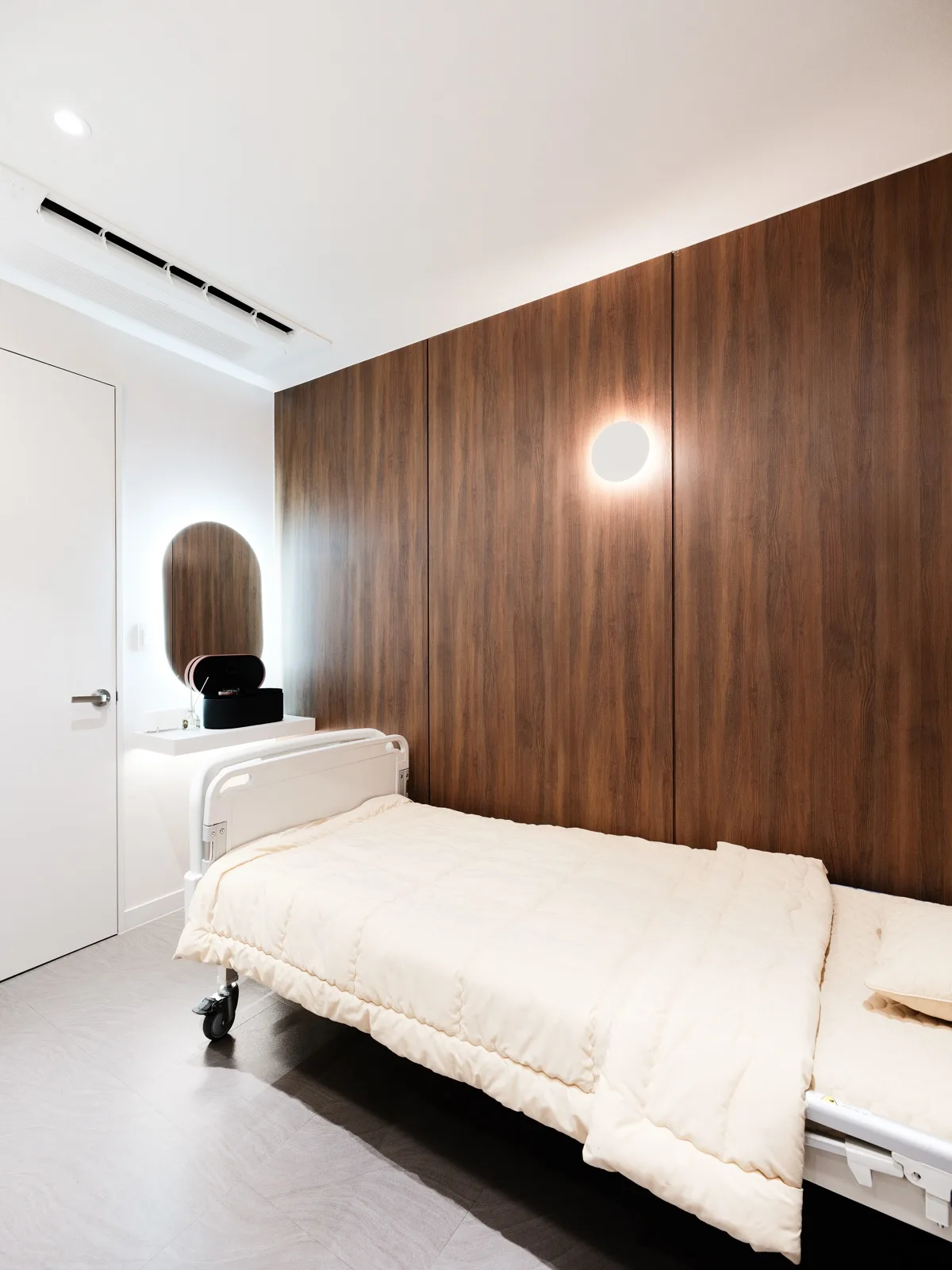
Private recovery room with a bed at Rewind Plastic Surgery, Apgujeong
Fig. 01 — A private room for the first rest after surgery
Cases

Before & After

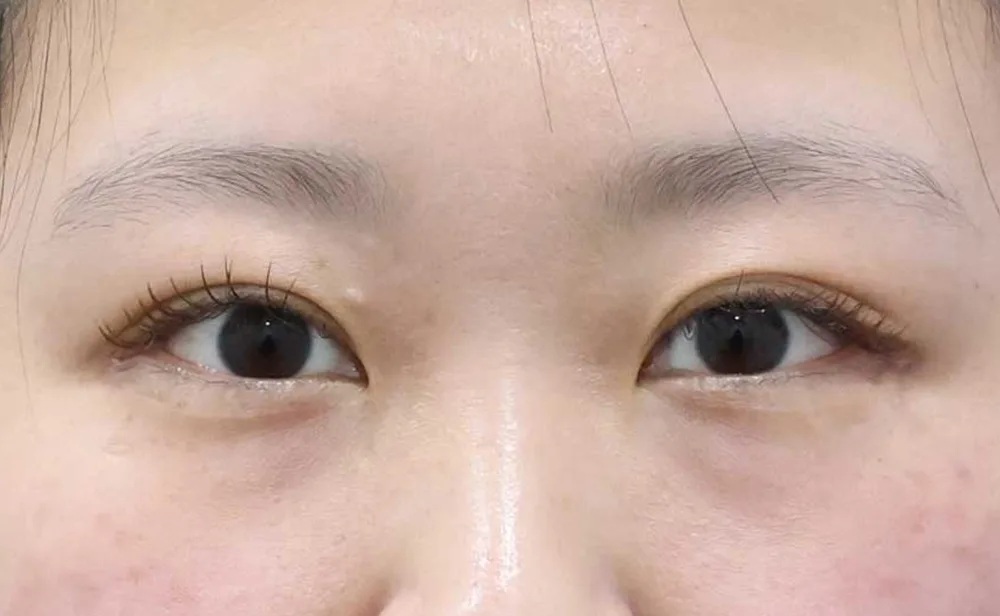
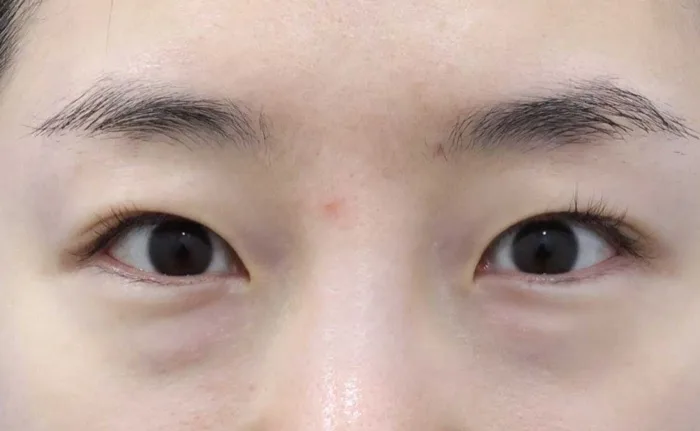
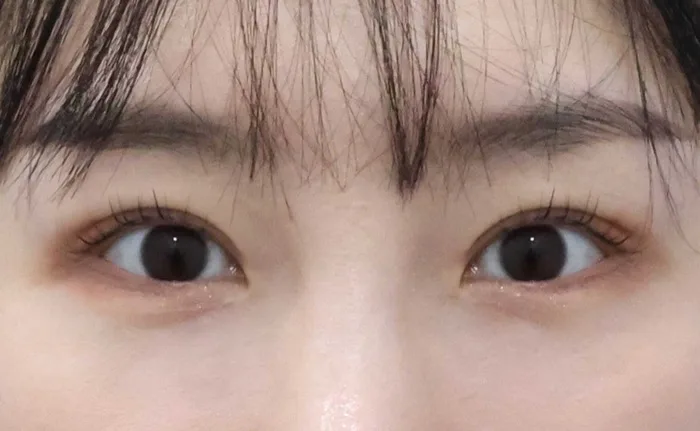
Two epicanthoplasty cases with very different recoveries behind them

These two patients reached their after photographs by different routes. The first had only the inner corner operated, so her recovery followed one instruction and one settling period. The second had the corner, a non-incisional crease and under-eye fat repositioning in one visit, which meant three sets of instructions at once; the under-eye sheet alone asks for a dressing to stay in place for three days. The photographs look alike in kind; the weeks behind them did not.

Rewind patients — operations of the visit named

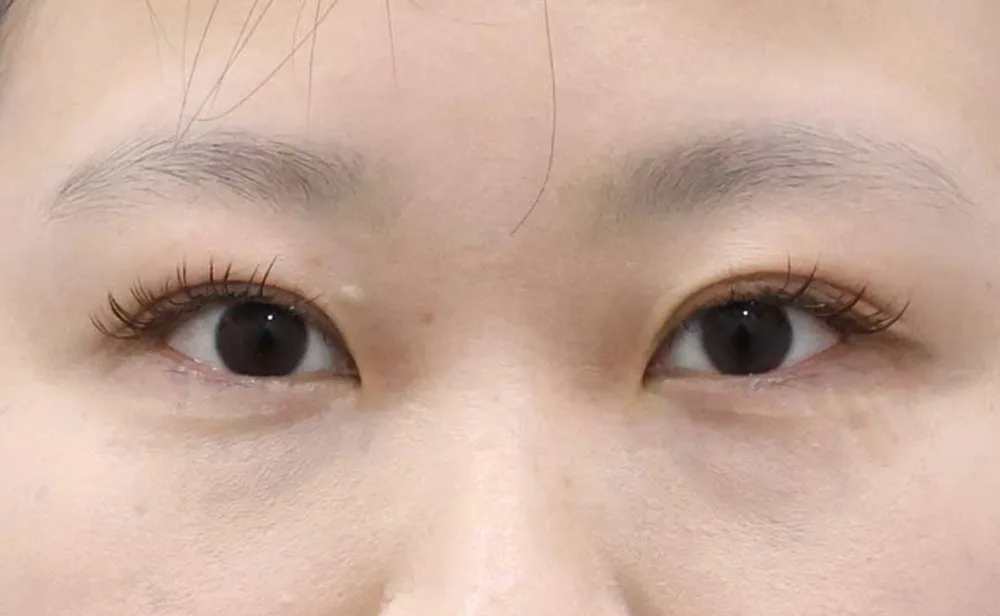
Before medial epicanthoplasty performed without any other operation After medial epicanthoplasty performed without any other operation BEFOREAFTER
corner only
Medial epicanthoplasty alone: one set of recovery instructions
Individual results may vary.
Before medial epicanthoplasty with a non-incisional crease and under-eye fat repositioning After medial epicanthoplasty with a non-incisional crease and under-eye fat repositioning BEFOREAFTER
three operations
Medial epicanthoplasty with a non-incisional crease and under-eye fat repositioning: three sets of instructions
Individual results may vary.

Both patients were operated and photographed at Rewind. How long either took to heal is not a guide to your own recovery, and results vary between individuals. Bleeding, infection, swelling, a difference between the two corners, a line that thickens or stays visible and a corner opened further than intended are all possible; a combined visit adds the risks of each other operation.

Layers

What is healing

What heals after an epicanthoplasty, and on which timescale

Recovery is easier to plan once it is split into the things that are actually healing. Each one moves at its own pace, and only some of them have published figures.

days
The incision
The fold is incised inward and closed inward, so a short line sits at the inner corner with stitches in it. Its protection in the early period is the one daily rule the clinic publishes: no touching, no rubbing.
one visit
The stitches
They come out at a follow-up appointment. Rewind does not publish a fixed day; the surgeon sets it, and it is the appointment around which an international patient's stay is built.
months
The line
A new line at the inner corner reads pinker and more obvious than it will later. Scar design dominates the published work on this operation because the corner is where a line is most easily seen.
up to a year
The shape of the corner
At least six months and up to a year for a natural, stable result. The corner's final position is judged here, and any discussion of adjustment waits until this period has run.

The operation itself is described on the epicanthoplasty page. If a crease is part of your plan, its recovery instructions are set out under double eyelid surgery, and under-eye work has its own sheet on the lower blepharoplasty and fat repositioning page.

Sequence

In order

The epicanthoplasty recovery sequence, from the operating day to the final review

Rewind's instructions for the inner corner are brief, and the gaps between them are where patients go wrong. The sequence below keeps the clinic's published points and marks plainly where the surgeon decides at follow-up.

01Day one

Leaving the clinic with the corner untouched

From the operating day the corner is left alone. The commonest way this rule breaks is not an injury but a habit: rubbing tired eyes, pressing a towel into the corner after washing, or pulling at it while removing make-up. The anaesthesia used is not published by the clinic and is explained before surgery.

02Early period

Protecting the stitched line

Rewind does not publish day-by-day figures for swelling or bruising at the inner corner. If a crease or under-eye operation was done in the same visit, that operation's sheet gives figures of its own, and those decide how the first days look in the mirror.

03Follow-up

When are the inner corner stitches removed?

At a follow-up visit on a day the surgeon sets. Rewind does not publish a fixed number of days for inner-corner stitches, so the appointment is agreed when the plan is written. For anyone travelling, that date is the fixed point of the trip.

04Weeks

A line that looks worse before it looks better

Once the stitches are out, the line matures slowly. Rewind's instruction sheets for its incisional eyelid operations ask for sunscreen to keep a healing line from darkening; ask at your review whether the same applies to your corner.

05Six months

The earliest point to judge the corner

The clinic gives six months as the floor for a natural, settled result. Comparing the two corners for symmetry before this point usually produces worry about a shape that is still moving.

06One year

The final review, and where revision talk begins

Up to a year for stabilisation. If the corners differ at this point, the conversation about adjustment starts here, with the surgeon who operated. Reversing a release is harder than performing one, which is one reason the clinic measures carefully first.

Dr. Jonghwan Choi reviewing a patient at a follow-up consultation
Fig. 02 — Follow-up is held by the surgeon who operated
Rewind

Why follow-up matters here

Why epicanthoplasty recovery at Rewind stays with one surgeon for the year

An inner corner is operated in one day and finished over many months. The person who drew the design is the only one who knows exactly what it was meant to become, so follow-up belongs with that surgeon.

01Continuity

The design and the review share one author

Dr. Jonghwan Choi, a board-certified plastic surgeon, designs the release, performs it and holds the reviews. A corner judged at six months is judged against the plan that produced it.

02Scheduling

Visits are fixed when the plan is written

Because the clinic sets stitch removal for each patient, the date is agreed at the consultation. International patients can book travel around a known appointment and receive instructions in their own language.

03Patience

No adjustment is offered while the corner is settling

Rewind places any revision discussion after the settling period, so a corner is never re-operated while it is still changing. The clinic is registered with KHIDI for treating patients from abroad.

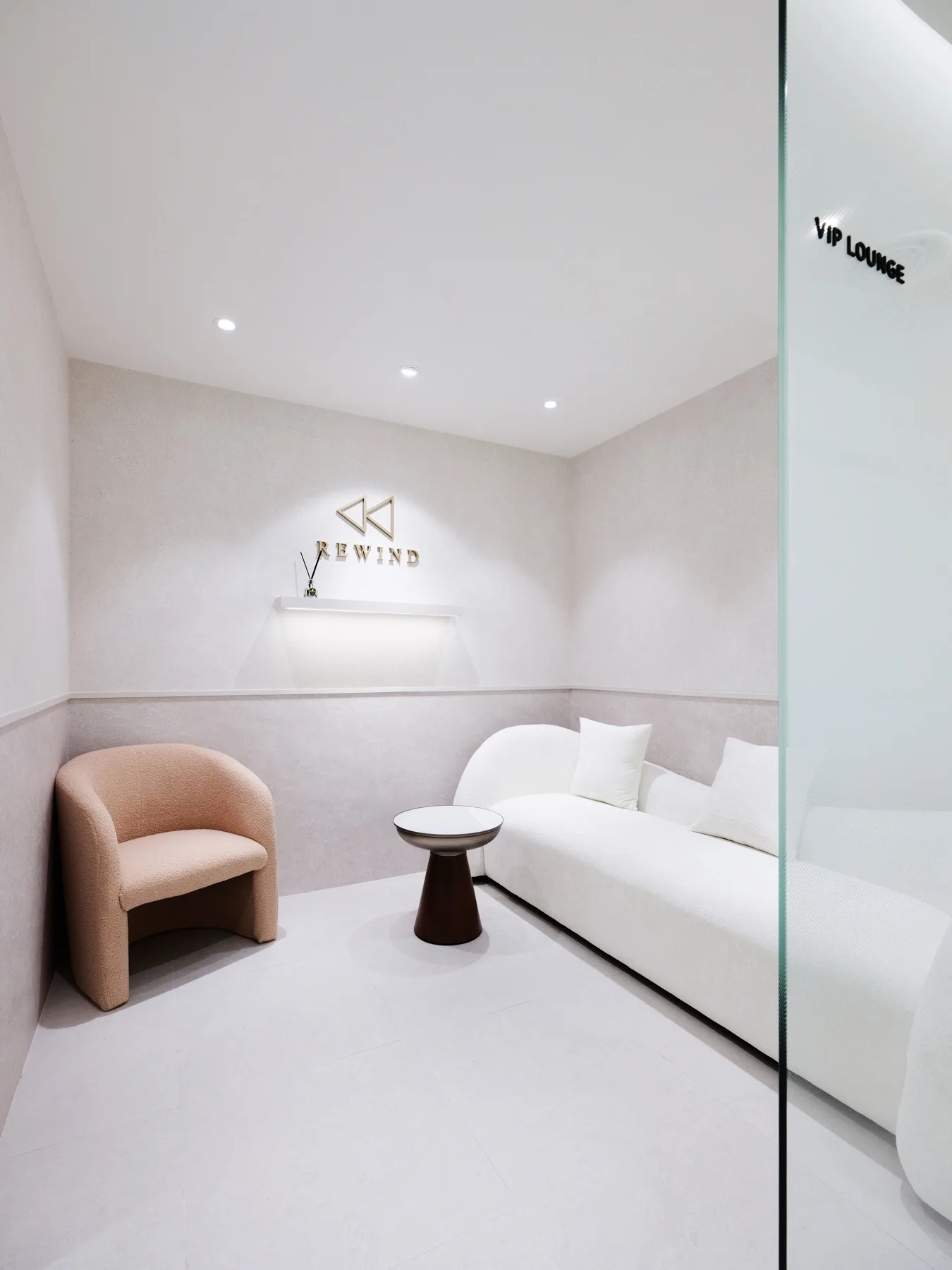
Quiet private room at Rewind Plastic Surgery, Apgujeong
Fig. 03 — A private room for post-operative reviews
Day

Where recovery starts

Where epicanthoplasty recovery begins on the operating day

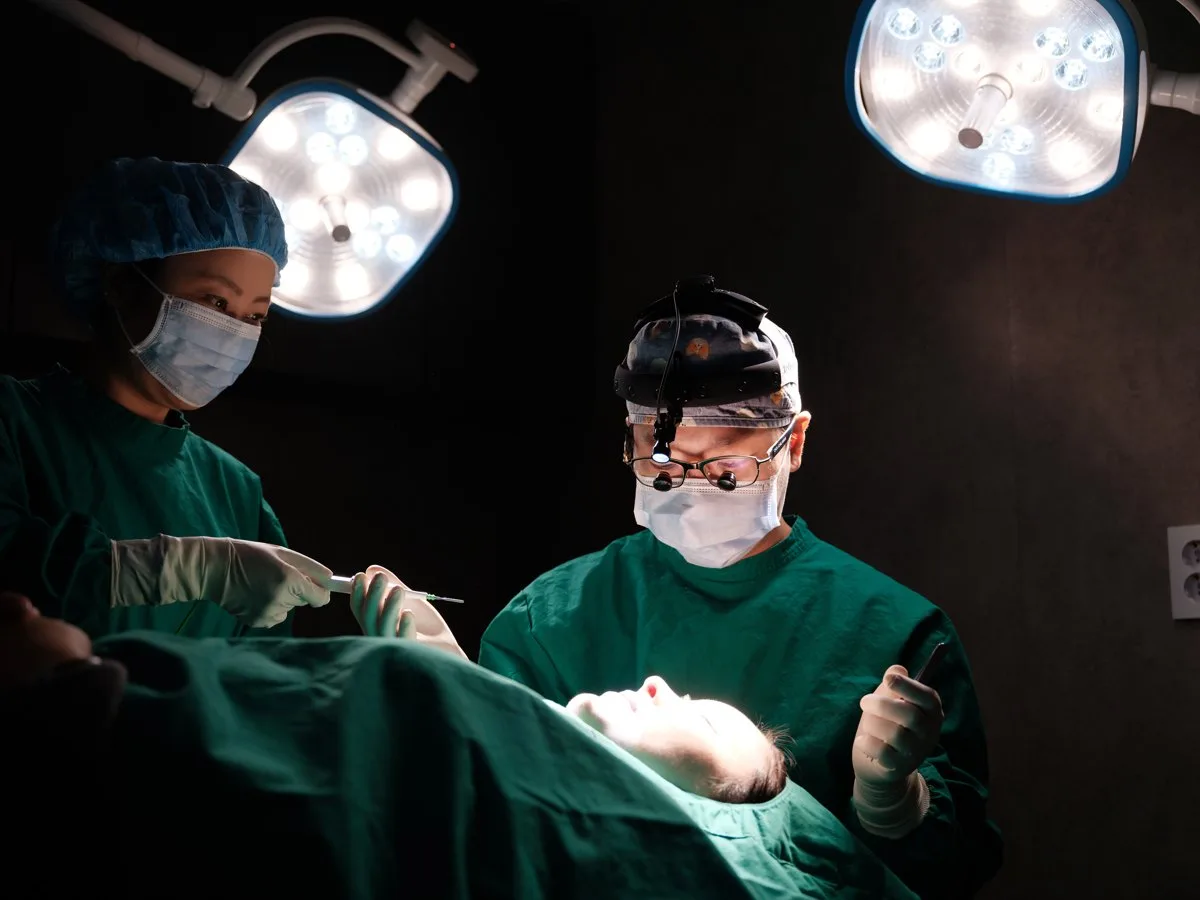
Rewind's surgical team at the operating table

Fig. 04 — The operation, performed on the clinic's own floors

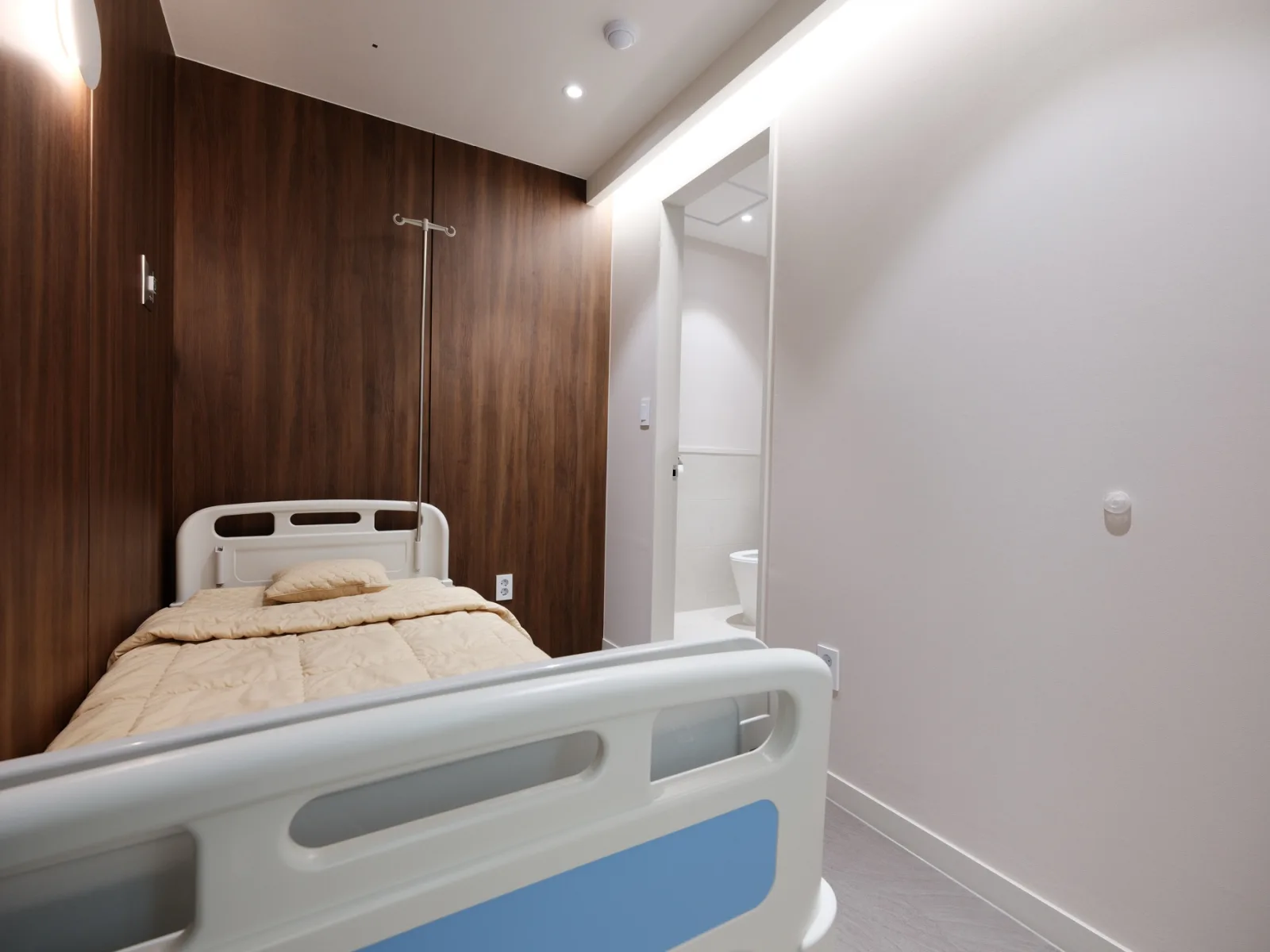
Private room with a bed for resting after surgery at Rewind

Fig. 05 — Resting before going home

Surgery and every follow-up take place on the fourth and fifth floors of the Richro Building in Apgujeong, Gangnam. The stitch-removal visit and later reviews are booked into the clinic's hours: Monday, Tuesday, Wednesday and Friday until 19:00 and Saturday until 16:00, by appointment, with Thursday and Sunday closed. Keep those closed days in mind when you plan a flight around the stitch visit.

Corner left untouched from day one
Stitch removal on a surgeon-set day
Visit date agreed when the plan is written
Crease or under-eye sheets if combined
Reviews held by Dr. Jonghwan Choi
Six months before judging the corner
Up to a year for a stable shape
Revision talk only after that period
Dr. Jonghwan Choi, board-certified plastic surgeon

Board-certified plastic surgeon

Dr. Jonghwan Choi is certified in plastic surgery in Korea and follows each inner corner he operates through its recovery in person. Rewind treats patients from overseas under KHIDI registration M-2025-01-08-09288.

Rates

Published rates

Epicanthoplasty rates, and the operations that change the recovery plan

Recovery is not sold as a separate item on Rewind's rate list; the list prices operations. Each extra operation in a visit adds its own figure and its own recovery sheet, which is worth weighing alongside the fee when you decide what to combine.

Medial epicanthoplastyOne instruction, and six to twelve months to settle
₩1,200,000
Non-incisional (buried) double eyelidAdds roughly 48 hours of swelling and bruising, and a week without saunas
₩1,200,000
Under-eye fat repositioningAdds a dressing for three days and one to two weeks of swelling
₩1,600,000

Standard listed figures, VAT excluded, with the anaesthetic fee counted inside each. Ask for follow-up visits, including stitch removal, to be written into the plan at the consultation so that nothing about recovery is left to be arranged later.

Fit

Planning around recovery

Whose schedule suits an epicanthoplasty recovery, and whose does not

Circumstances that make recovery straightforward

  • Time in Seoul that reaches past the stitch-removal visit, agreed when the plan is written
  • The ability to keep hands, towels and make-up pads away from the inner corner in the early period
  • Readiness to wait six months before judging the corner, and up to a year before discussing any change
  • A plan that keeps combined operations to the ones the examination actually supports
  • Flexibility to return for an extra review if the surgeon asks to see the corner again

Circumstances that argue for waiting

  • A trip too short to include the stitch-removal visit
  • A habit of rubbing the eyes that you cannot control, or an allergy season that provokes it
  • An event where you will be photographed at close range in the weeks after surgery
  • A history of scars that thicken or stay red, since the inner corner is where that would show
  • Corners that already sit close together, or prominent pink tissue at the corner, where the operation is declined
  • Pregnancy, breastfeeding, infection near the eye, or medication and conditions that affect bleeding or healing
After

When combined

Epicanthoplasty recovery when other eyelid operations share the visit

When an inner corner shares the visit with a crease or under-eye work, the companion operation's published sheet adds its own figures to the recovery, and the strictest instruction applies wherever they overlap.

With a buried crease
About 48 hours of swelling
Rewind records swelling and bruising for roughly 48 hours after a buried crease, varying between individuals. Saunas, steam rooms and strenuous exercise wait a week, and a gentle cleanser is used without scrubbing.
After crease stitches
Washing, then eye make-up
For the buried crease, face washing resumes the day after its stitches come out, and eye make-up waits a further one to two weeks. If the crease loosens or alters its shape, book a visit.
With under-eye work
A dressing for three days
After under-eye fat repositioning, the dressing beneath the eyes stays on for three days. Swelling and bruising ease over one to two weeks, and saunas and hard exercise wait at least a week.
Whatever was combined
The corner keeps its own clock
Companion operations can look settled within weeks. The inner corner still takes six months to a year, and it is still left untouched in the early period.

Every operation carries risk. After an inner-corner release the named risks are bleeding, infection, swelling, asymmetry between the two corners, a line that thickens or stays visible and a corner opened further than intended; a combined visit adds haematoma, a crease that loosens after a knock or hard rubbing, and the lower-lid risks of under-eye surgery. Contact the clinic promptly about severe pain or bleeding, and tell the surgeon about earlier eye operations and current medication before a date is set.

Doctor

Professional

At Rewind, one board-certified plastic surgeon carries every case — from the first consultation to the final follow-up. Because a face is a story, and a story deserves a single author.

Dr. Jonghwan Choi, board-certified plastic surgeonRewind,
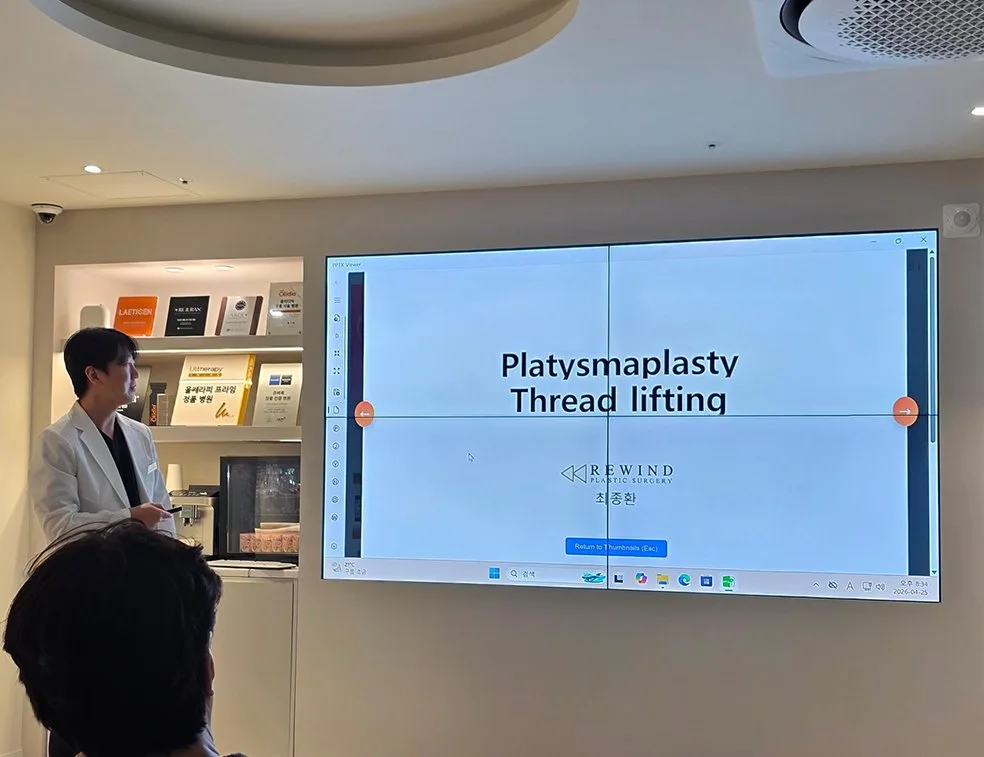
Dr. Jonghwan Choi presenting at an academic session
Fig. 06 — Academic presentation, thread-lifting session

Rewind's Doctor

Dr. Jonghwan Choi Medical Director

One surgeon, from the first
consultation to the last follow-up.

A board-certified plastic surgeon devoted to anti-aging lifting — with the precision and restraint built through years of craniofacial practice.

Board-certified plastic surgeon (Plastic Surgery)
10 peer-reviewed publications
Medical Director, Rewind Plastic Surgery
Korean Society of Plastic & Reconstructive Surgeons
Former chief director, Apgujeong Y&T Plastic Surgery
Korean Society for Aesthetic Plastic Surgery
J Craniofac Surg · JKMS · Arch Craniofac Surg
Korean Cleft Palate-Craniofacial Association
Voices

Google Reviews

What our patients say.

G 5.0 ★★★★★ 12 Google reviews · Rewind Plastic Surgery, Apgujeong — live-synced from Google Business Profile

"Sample review card — at launch this section pulls the clinic's real Google reviews automatically, shown verbatim with the reviewer's initial and posting date."

AReviewer namePOSTED ON GOOGLE

"Sample review card — reviews are never written or edited by the clinic; only what patients posted on Google appears here."

BReviewer namePOSTED ON GOOGLE

"Sample review card — a 'See all reviews on Google' link takes visitors to the clinic's Business Profile."

CReviewer namePOSTED ON GOOGLE
Ask

Questions

Epicanthoplasty recovery: questions asked before booking travel

How long is recovery after epicanthoplasty?
Day to day it is short: the corner is left untouched in the early period and the stitches come out at a follow-up visit. The settling period is long: the clinic allows at least six months, and as long as a year, before the inner corner is natural and stable.
When are the inner corner stitches removed?
At a follow-up visit on a day the surgeon sets for you. Rewind does not publish a fixed number of days for inner-corner stitches, so the appointment is agreed when the plan is written. Travellers should book their flight home around that date.
How soon can I wash my face and wear eye make-up?
The clinic publishes no separate figure for the corner alone, so confirm it at your review. If a buried crease was done in the same visit, its sheet applies: washing from the day after its stitches come out, and eye make-up one to two weeks after that. Keep make-up removal away from the corner.
How long will the inner corner look swollen or bruised?
Rewind does not publish a swelling or bruising figure for the inner corner itself. Companion operations have their own: roughly 48 hours after a buried crease, and one to two weeks after under-eye fat repositioning. Individual variation is wide, so plan photographs and events with a margin.
Can I fly home soon after epicanthoplasty?
Rewind publishes no fixed length of stay. The practical minimum is set by the stitch-removal visit, which the surgeon schedules and which should be agreed before you book travel. Remember the clinic is closed on Thursdays and Sundays when you choose dates.
When can I go back to the gym or the sauna?
No separate figure is published for the corner alone, so ask at follow-up. When a buried crease is part of the plan, saunas, steam rooms and strenuous exercise wait about a week; after under-eye fat repositioning they wait at least a week. Nothing should press on or rub the corner.
Why does the inner corner line look red or raised in the first months?
A new line matures slowly, and at the inner corner it is easy to see. Published work on this operation concentrates on limiting that scar, including thickened scarring. Rewind asks for the corner to be left alone early on; a line that seems to be thickening should be shown to the surgeon at review.
When is it too early to judge the result or ask about revision?
Before six months, almost always. That is the earliest point the clinic gives for a settled corner, and up to a year is allowed for stabilisation. Revision is discussed after that period and after a re-examination, since reversing a release is harder than making one.
Booking

Reservation

REWIND,booking

Tell us what you are considering — we reply within one business day, in your language.

Scientific evidence

Published work on healing after epicanthoplasty and eyelid surgery

The first paper addresses the thickened scarring that can follow medial epicanthoplasty, the part of recovery that lasts longest. The other two cover complications and recovery considerations in Asian crease surgery, relevant when a crease shares the visit. They describe other surgeons' patients, and none predicts how a particular corner will heal.