★★★★★
Came to REWIND to get my facial treatment and i'm absolutely obsessed about it💞 the doctor is so kind and is an expert! Everyone must visit!
 YunHee Hong2 weeks ago
Surgery · Recovery Timeline
The dressing, the hair and the weeks after
Apgujeong, Gangnam, Seoul | Board-certified plastic surgeon, Dr. Jonghwan Choi
Compression dressing for one to two days · Absorbable fixation · KHIDI-registered for international patients
Forehead reduction recovery time
The short answer
The part that takes over your days is short. Rewind asks for a compression dressing for one to two days, after which daily life comes back gradually and fairly soon, with strenuous exercise put off for a while. The longer part runs quietly in the background: sauna, strong massage, alcohol, smoking and hair dye stay off for a period, the hairline is never pulled against the direction it was fixed in, and the scar keeps maturing for months. The clinic does not publish a suture-removal day or a set number of days before work, so those are given to you by the surgeon.
Recovery facts on this page come from Rewind's Korean surgical page and its answers for forehead reduction. Items the clinic does not publish for this operation, including how long swelling lasts, when sutures come out and when hair can first be washed, are left to the surgeon and are never estimated here.
Hair is the question most people ask about next, and it is where this operation differs from surgery on other parts of the face. The incision sits right at the hairline, the scalp behind it has been advanced and fixed, and the way you wash, brush and tie your hair all act on that line. Washing starts on the day the surgeon gives you in writing. Styling that pulls the hair backwards waits, because pulling against the direction of fixation is on Rewind's list of things to avoid. Colouring waits too, since hair dye is restricted for a period.
None of this makes forehead reduction a long recovery. It makes it a specific one, and most of the questions on this page come down to one idea: while the advanced scalp settles, nothing should tug it back towards where it started.

What is healing
Downtime is easier to plan when you know what is actually recovering. After this operation four separate processes run side by side, each on its own clock.
Hair care, step by step
Rewind's instructions for this operation include two rules that are specifically about hair. The rest follows from them. Here is the order in which hair care usually comes back, with the timing each time set by the surgeon.
For the first one to two days the compression dressing stays in place. Do not lift it to look at the line, and do not try to wash around it. Sleep and rest as the written instructions describe.
The clinic does not publish a hair-washing day for this operation, so ask for it in writing before you leave. When it comes, follow the written method and keep fingernails off the incision.
Rewind asks you not to pull the tissue against the direction in which it was fixed. In practice that rules out tight ponytails and buns, hard backward brushing and headbands pressing on the line while it settles.
Hair dye is on the clinic's list of things to avoid for a period after this operation. Confirm the date at your review; the line has to be fully closed first.
The published instructions do not cover hair dryers, styling products or hats. Bring these questions to the review, where the surgeon can look at the line and answer for your own healing.
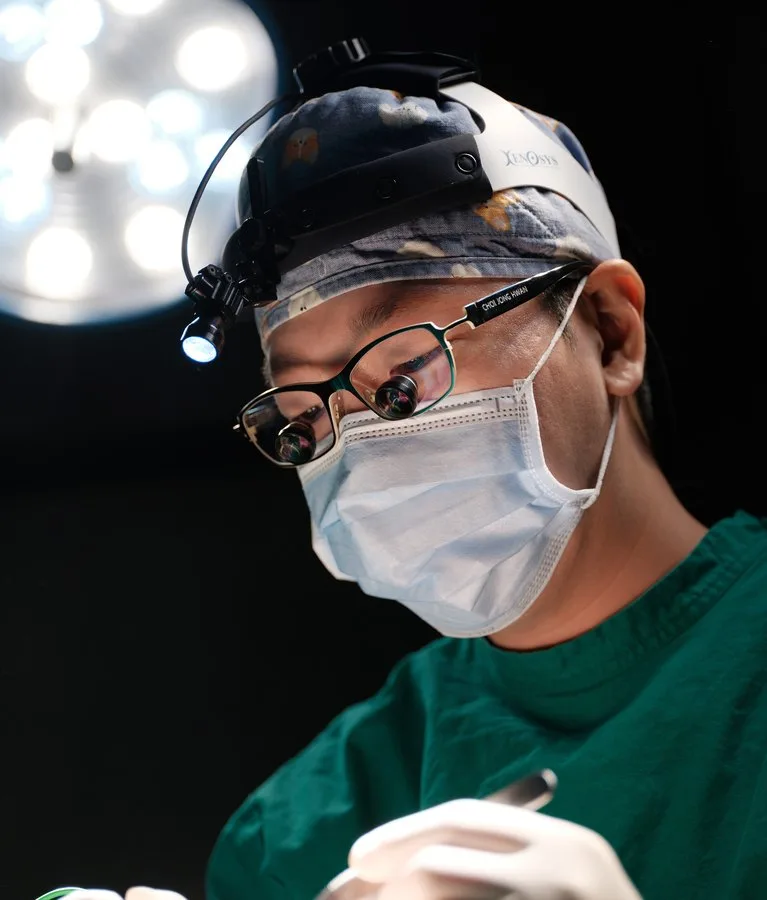
Why these instructions
Each of Rewind's instructions for this operation protects something particular. Knowing what each one protects makes them easier to keep when you are back home and nobody is checking.
Endotine holds the advanced scalp so that the closure is not carrying the load while it heals. A paper on the same device in endoscopic brow surgery, listed below, reports on its efficacy and safety.
Pulling against the direction of fixation works directly against the advance. The same caution applies to strong massage, and it is why hair is worn loose for a while after surgery.
Dr. Jonghwan Choi sees each follow-up himself. Suture removal, the first wash, exercise and colouring are all dated at those visits by the person who knows exactly how the line was closed.
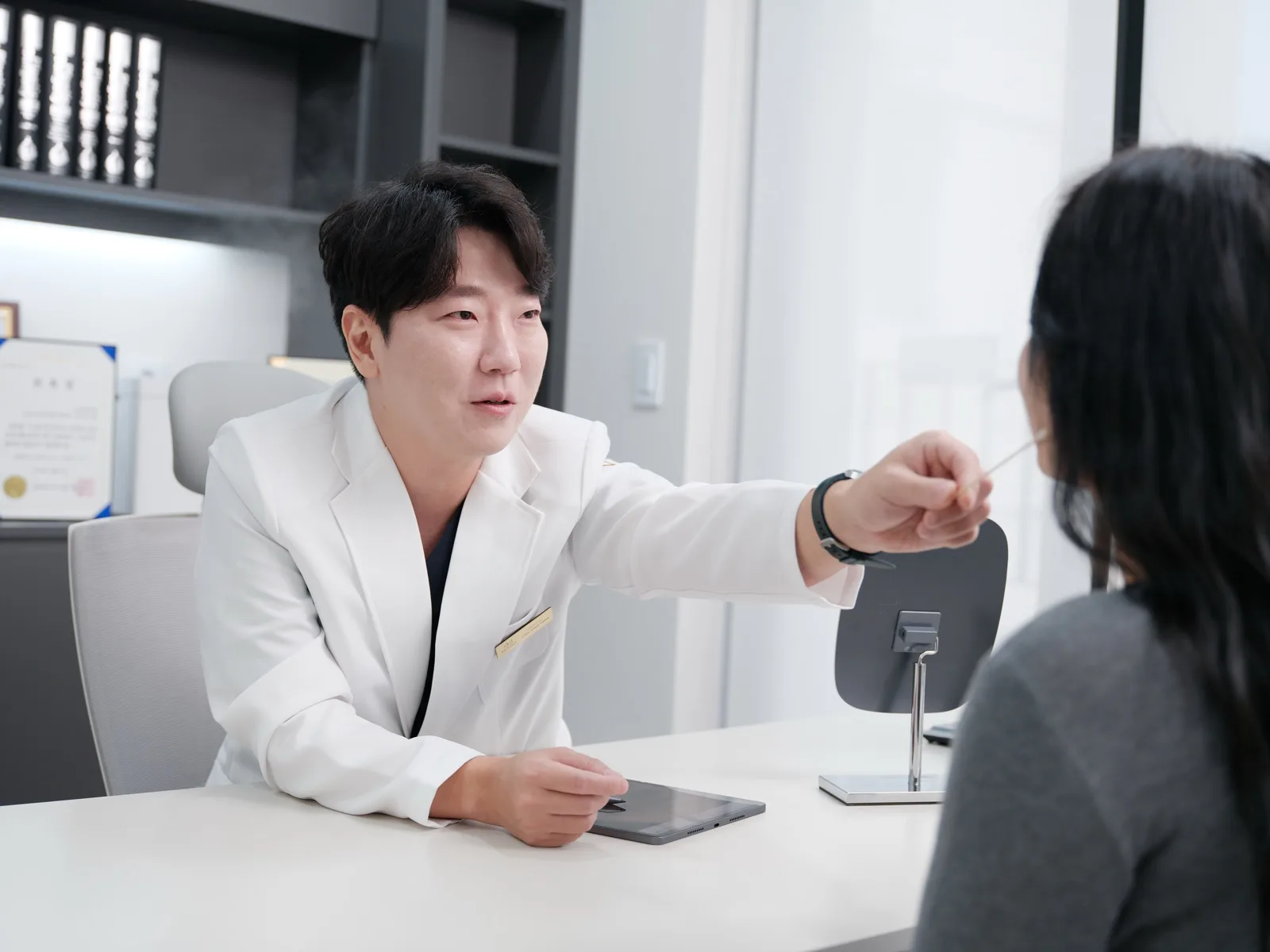
Leaving the clinic
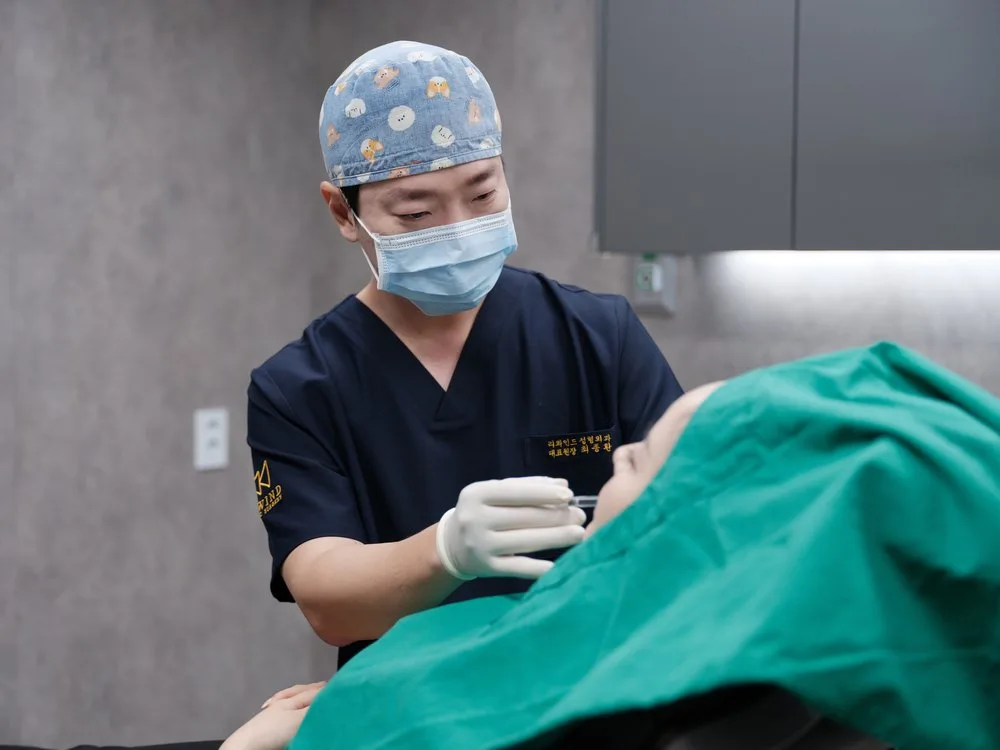
Fig. 04 · Where the line is closed and checked before the dressing
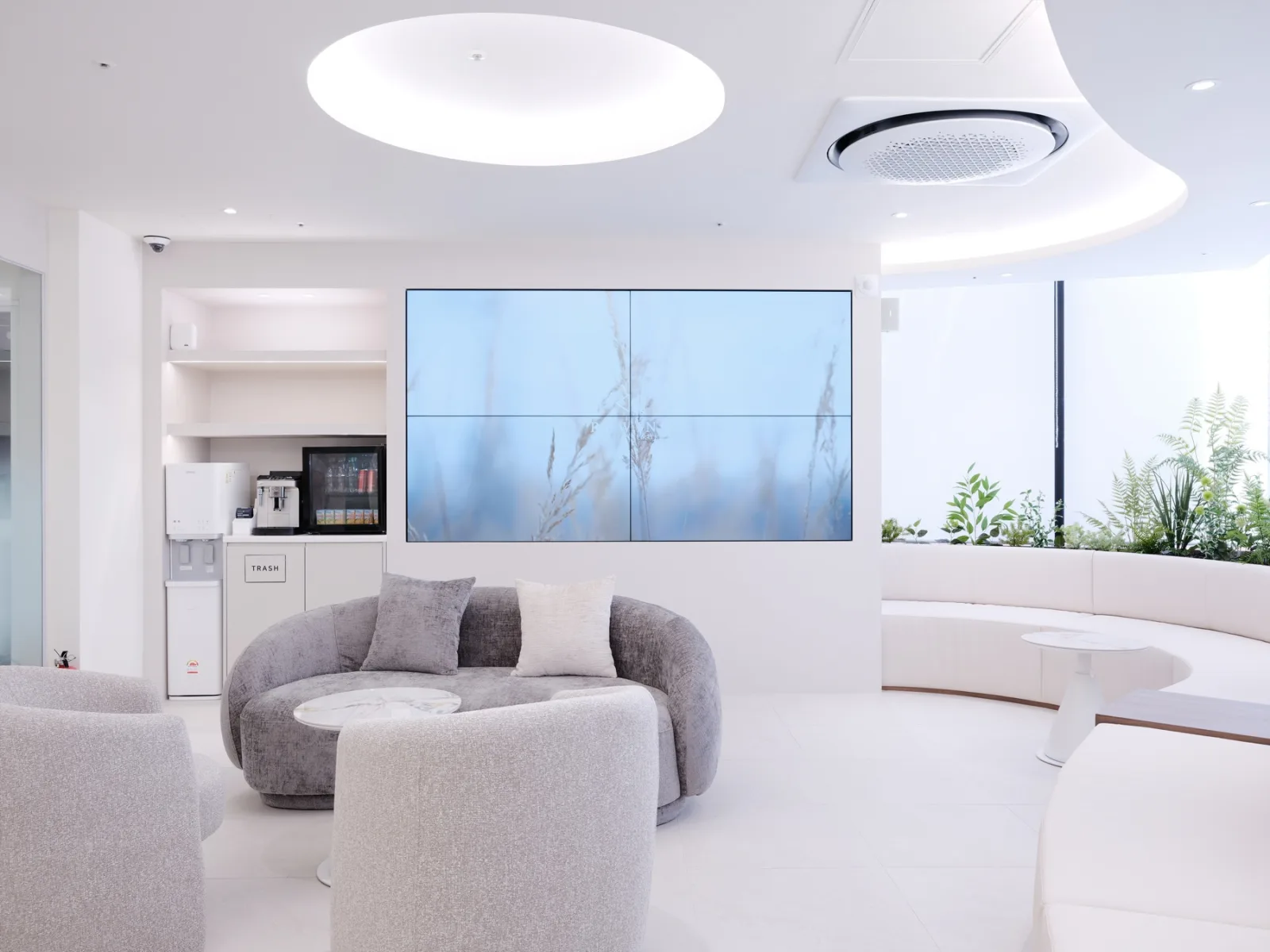
Fig. 05 · The clinic floor you return to for review
Rewind is on the fourth and fifth floors of the Richro Building on Nonhyeon-ro in Apgujeong, Gangnam-gu, Seoul. You leave on the day of surgery in a compression dressing, with the written instructions you need for the next days. Reviews are booked within the clinic's hours: Monday, Tuesday, Wednesday and Friday from 10:00 to 19:00 and Saturday from 10:00 to 16:00, with Thursday and Sunday closed. If you are staying nearby, plan the dressing days and the review into one trip before booking the flight home.

Board-certified plastic surgeon
Dr. Jonghwan Choi is certified in Korea as a specialist in Plastic Surgery, operates on every forehead reduction himself and sees each review in person. Registered with KHIDI to treat international patients, Reg. M-2025-01-08-09288.
Pricing
Recovery is not billed as its own line. The operation is listed on its own and combined with a forehead lift; what the recovery period adds is time in Seoul, which you plan around the dressing days and the review.
Figures are listed before VAT and already carry the anaesthetic fee. The applicable line is written into your plan at consultation, before any surgery date.
Planning the downtime
Timeline
The stages below follow Rewind's own instructions; where the clinic gives no number, none is added. Knowing the risks belongs to recovery too: bleeding, infection, a scar that widens or stays visible, numbness or altered scalp sensation that may last months or occasionally persist, shedding of hair near the line, unevenness between the two sides and the possibility of revision.
No outcome can be promised and recovery varies between individuals. Severe or worsening pain, fever, bleeding that does not settle or a wound that opens should be reported to the clinic straight away. The date you can fly is set by the surgeon after reviewing the wound.
At Rewind, one board-certified plastic surgeon carries every case — from the first consultation to the final follow-up. Because a face is a story, and a story deserves a single author.
 Rewind,
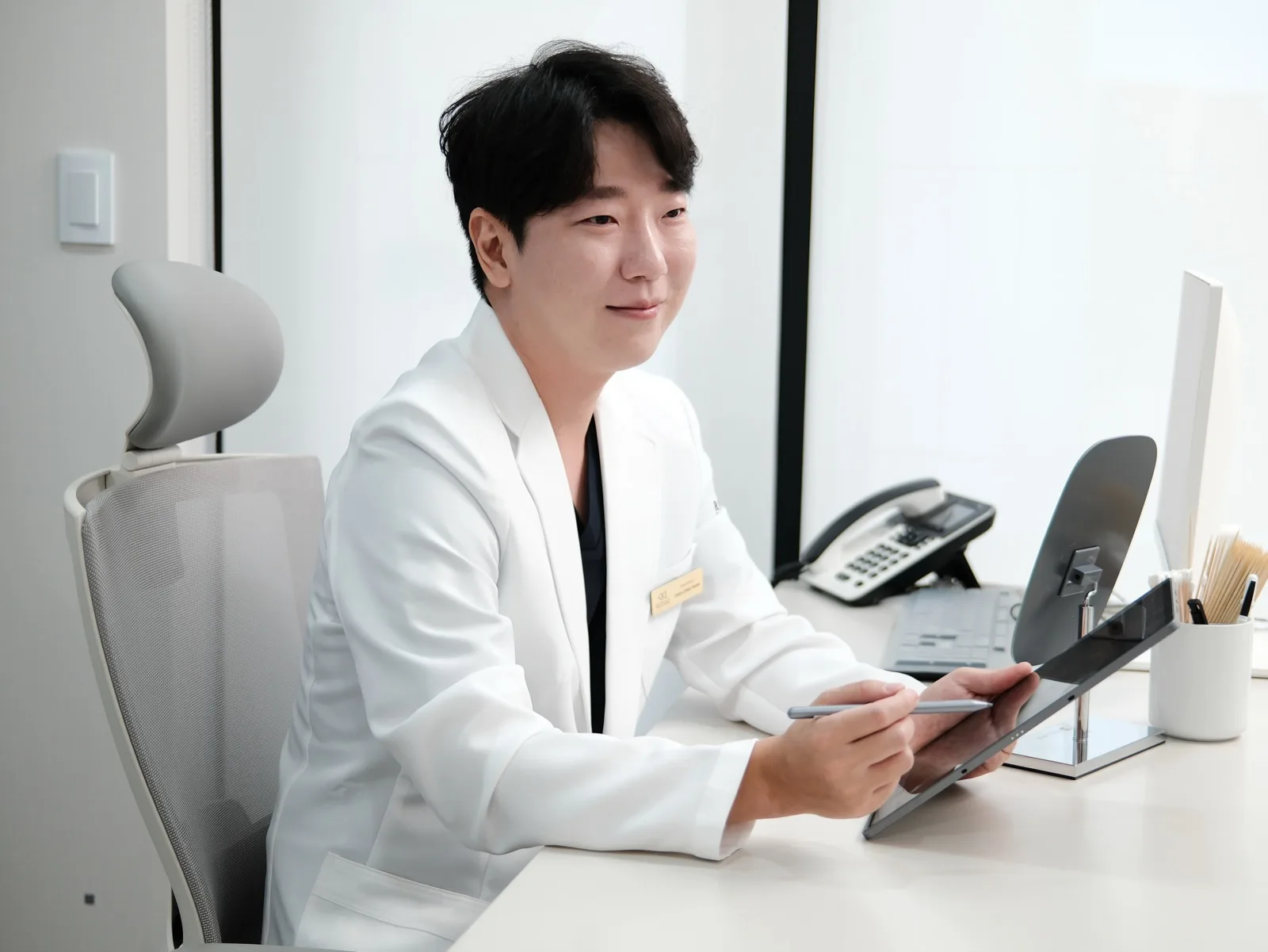
Rewind's Doctor
Dr. Jonghwan Choi Medical Director
One surgeon, from the first
consultation to the last follow-up.
A board-certified plastic surgeon devoted to anti-aging lifting — with the precision and restraint built through years of craniofacial practice.
Questions
Google Reviews
Came to REWIND to get my facial treatment and i'm absolutely obsessed about it💞 the doctor is so kind and is an expert! Everyone must visit!
YunHee Hong2 weeks agoThere are just way too many cosmetic clinics in Korea and I'm so happy I found Rewind Clinic in Gangnam. Dr. Choi was so kind and patient while explaining the different face-lifting options, from threads to mini-lifts to deep-plane lifts…
 J. S.5 months ago
I found Rewind clinic through a Korean chat forum and many local clients highly recommended it. The clinic is brand new, featuring large, clean rooms and many private waiting areas so it doesn't give off that "factory" clinic vibe. All the…
 J. Siou5 months ago
Really nice environment. Doctor is easy to communicate and understands my visions. Waited two weeks to make a review and I confirm the results exceeded my expectations and I am super happy with it. Can't wait to come back!! :))
 Kristie Chu5 months ago
I received a thread lift at Rewind Plastic Surgery. The clinic was clean and the atmosphere was comfortable. The consultation was thorough, and I felt confident because they kindly explained everything tailored to my facial condition. They…
Reservation
Tell us what you are considering — we reply as soon as possible, in your language.
For international patients — interpreter-assisted, from your first message to your follow-up.
Scientific evidence
The first paper reports on the efficacy and safety of the same absorbable fixation device in endoscopic brow surgery, a neighbouring operation. The second reviews safety data from outpatient surgical facilities. The third is a systematic review of how professional interpreting affects care for patients who do not share a language with their clinician, relevant to understanding aftercare instructions. None of them sets a recovery timetable for this clinic or predicts how your own recovery will run.