★★★★★
Came to REWIND to get my facial treatment and i'm absolutely obsessed about it💞 the doctor is so kind and is an expert! Everyone must visit!
 YunHee Hong2 weeks ago
Surgery · Hairline Comparison
Moving a border, or building one
Apgujeong, Seoul | Board-certified plastic surgeon, Dr. Jonghwan Choi
One-stage hairline advancement · Endotine fixation · KHIDI-registered for international patients
Forehead reduction vs hair transplant
The short answer
Neither wins on distance in every case, because each is limited by something different. Forehead reduction brings the whole hair-bearing border forward in one operation, and how far it travels depends on how much the scalp behind it will stretch. A hair transplant places follicles taken from a donor area into forehead skin, and how low a convincing line can be built depends on how much donor hair there is and how densely it can be placed. If your hairline is dense and the forehead is simply long, moving the border is the direct answer. If the hairline is thinning or receding, the question is density, and moving a sparse border forward only relocates it.
Rewind performs forehead reduction; hair transplantation is not among its operations. The transplant side of this page is a general description of the concept, offered so the two ideas can be told apart. Facts about the operation Rewind does perform come from its Korean surgical page for forehead reduction.
The two approaches are often weighed against each other as if they did the same job. They answer two different findings. Forehead reduction changes the position of a hairline that is already full. Grafting changes the density of skin that has too little hair, and it is the usual conversation for a receding or thinning front. Once you know which finding you have, most of the comparison falls away.
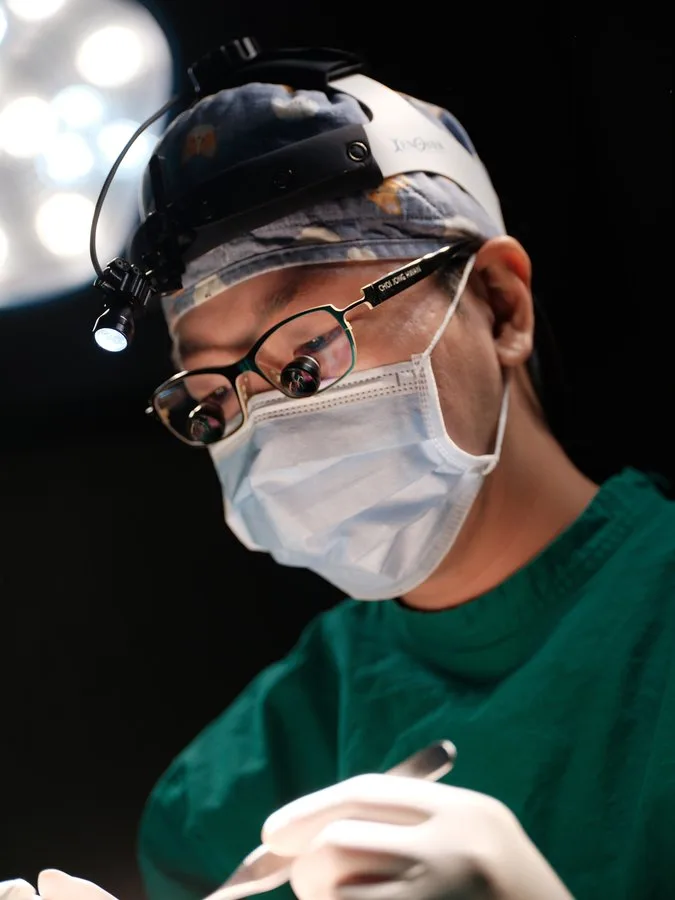
Time is the other axis people ask about. Forehead reduction is a single operation: at Rewind the hairline is opened on a 45-degree oblique line, the scalp is freed and advanced, surplus forehead skin is removed and the advanced tissue is held with Endotine. The new line is in place when the dressing comes off after a day or two. Grafted hair, by contrast, has to grow in over the following months, and building density across a broad area can take more than one session.
Side by side
These are conceptual differences, and they hold regardless of who performs either treatment. Read them against the question you actually have about your own forehead.
Position or density
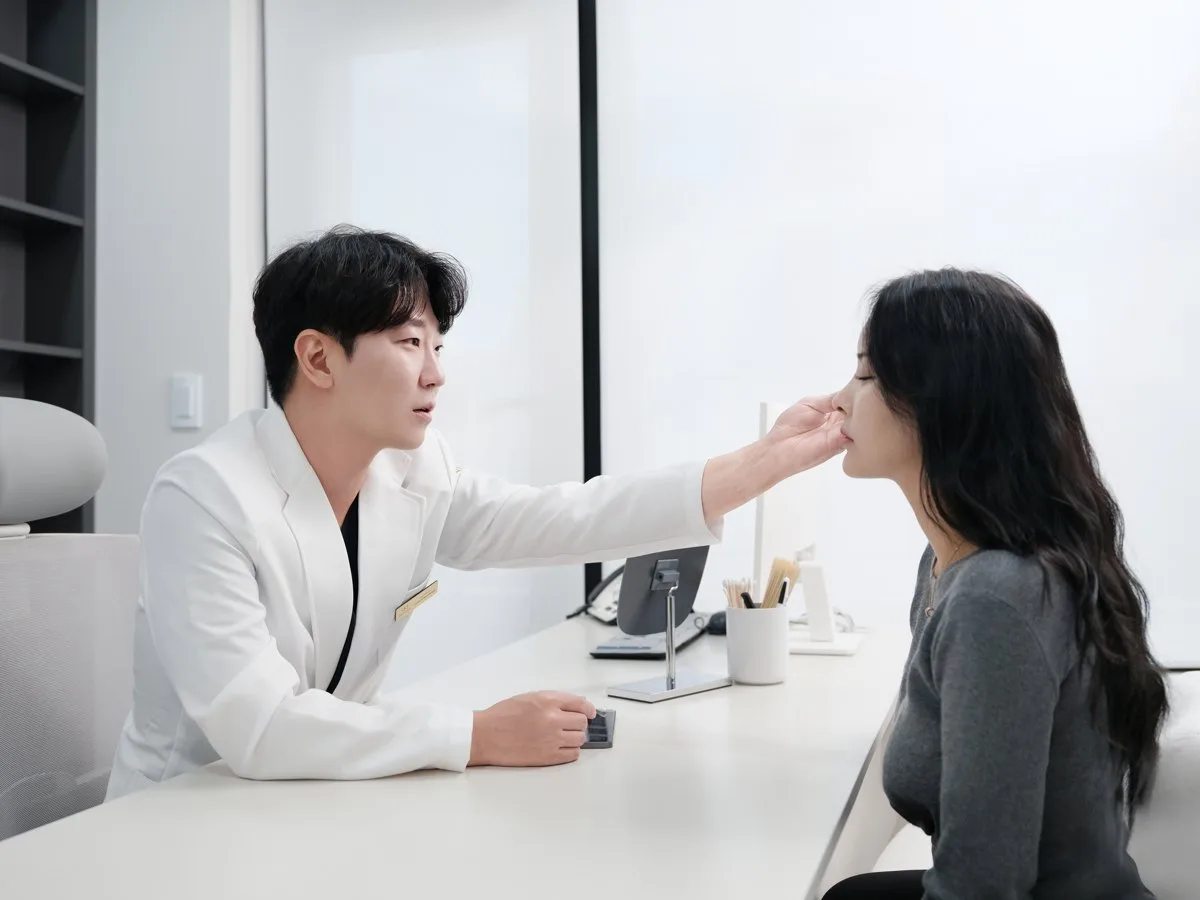
At Rewind the consultation answers one question first: is forehead reduction the right approach for this forehead? These five checks decide it, and they also show plainly when the answer is no.
A full, even hairline sitting high on the forehead is the pattern forehead reduction was designed for. Fine or scattered hair at the front suggests a density problem, which moving the border forward would not solve.
A straight, high hairline and a line that has pulled back at the corners look similar in a mirror and are different findings. Advancing the central border does not add hair to receded corners.
Moving a border that is still receding can leave the scar exposed later as the hair around it thins. A stable hairline is a stronger basis for a surgical advance, and ongoing loss is discussed openly at the examination.
The distance a reduction can achieve is set by scalp laxity, judged by hand. When the scalp is tight, the achievable change may be too small to justify a scar at the front of the head.
A descended brow adds to the sense of a heavy upper face. If it is present, the combined forehead lift and forehead reduction is weighed, since neither a reduction alone nor any change in hair would raise it.
Why this comparison
Many people arrive asking for a lower hairline without knowing which kind of problem they have. Explaining the difference up front saves a wasted trip for those whose answer lies in density.
Forehead reduction with Endotine fixation is on Rewind's list of operations; hair transplantation is not. The examination here can tell you whether surgical advancement suits your forehead, and it will say so when the finding is density.
Rewind fixes the advanced tissue with Endotine, which the clinic states carries Korean and US FDA approval as a forehead reduction material and is absorbed over roughly nine months. Dissection is done under a Full HD endoscope.
Where a long forehead sits over a descended brow, the reduction and a forehead lift can be performed in one operation. A Korean report listed below describes that same pairing.
The one-stage option
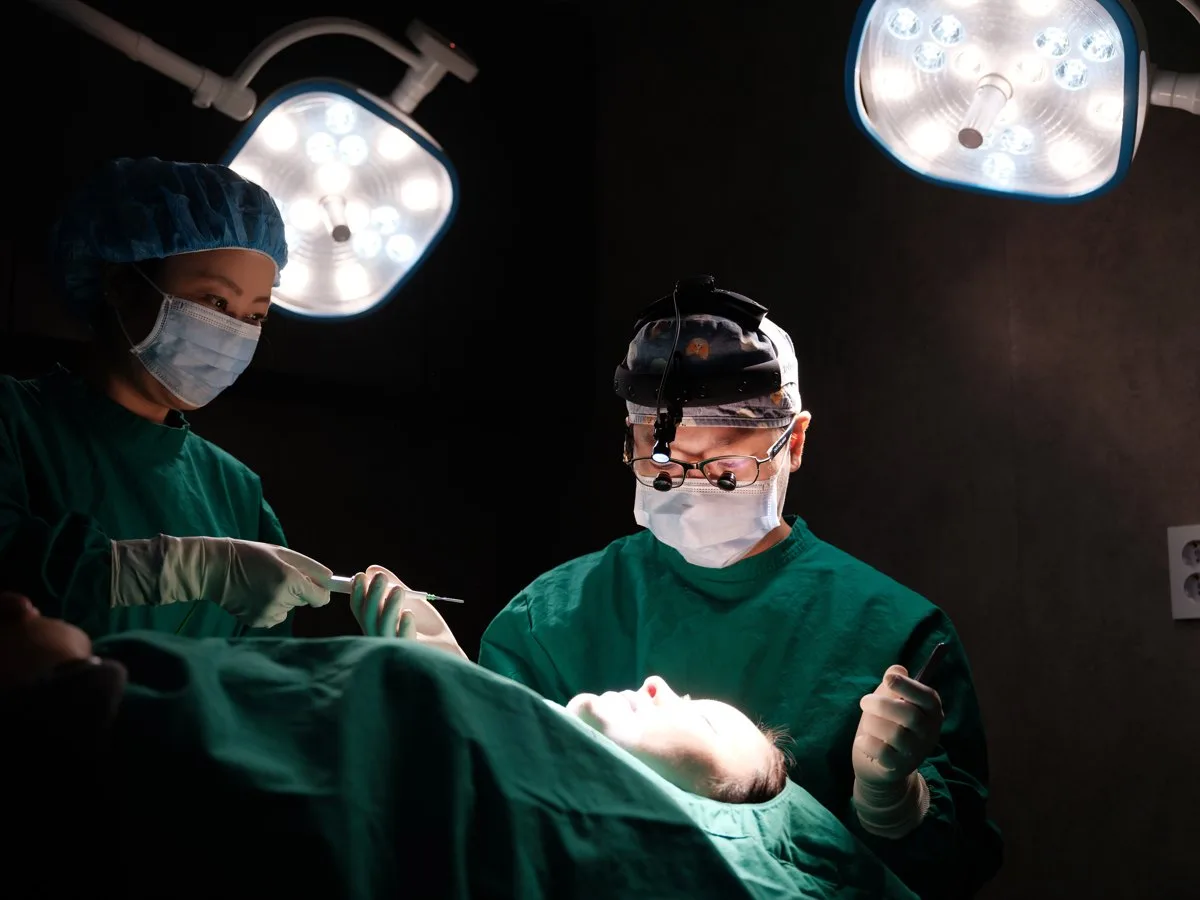
Fig. 04 · One sitting, one operating surgeon
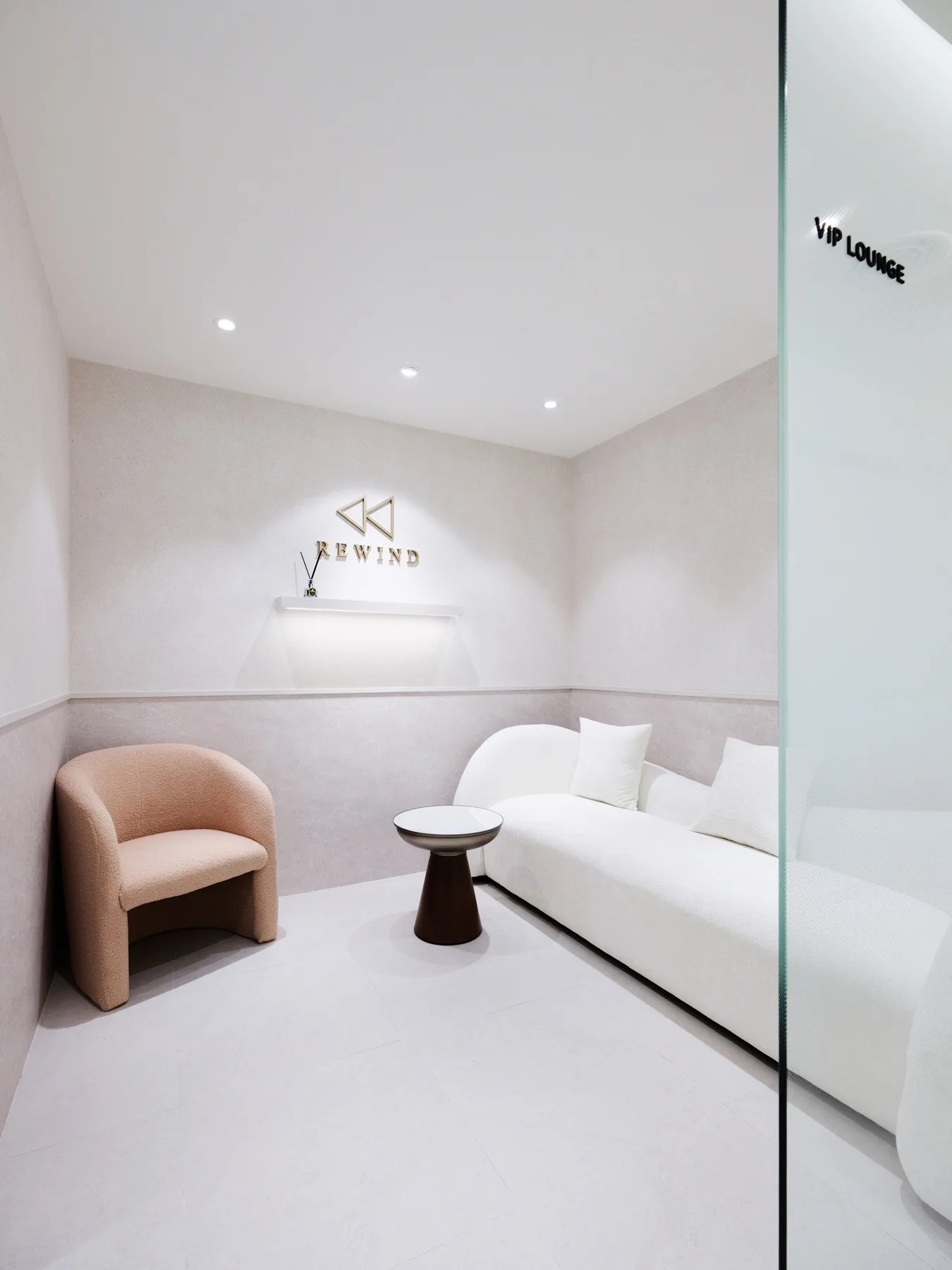
Fig. 05 · A waiting room on the clinic floor
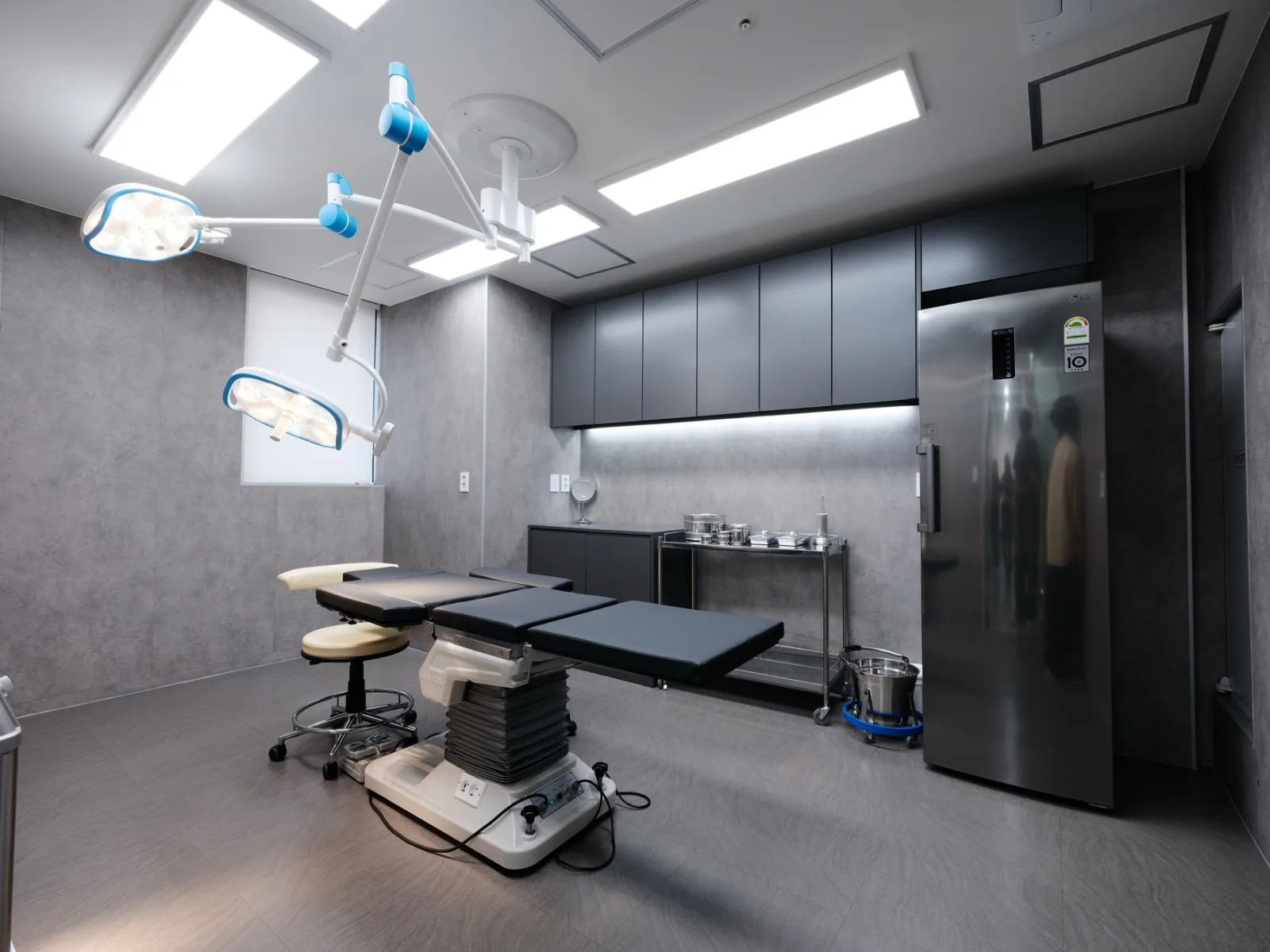
Rewind is on the fourth and fifth floors of the Richro Building on Nonhyeon-ro, Apgujeong, in Gangnam-gu, Seoul. Consultations are booked ahead on Monday, Tuesday, Wednesday and Friday from 10:00 to 19:00 and on Saturday from 10:00 to 16:00. On the operating day the line is marked, the scalp is advanced and fixed, and you go home wearing a compression dressing, kept on for one to two days afterwards. There is no second stage to schedule afterwards; what remains is healing and review.
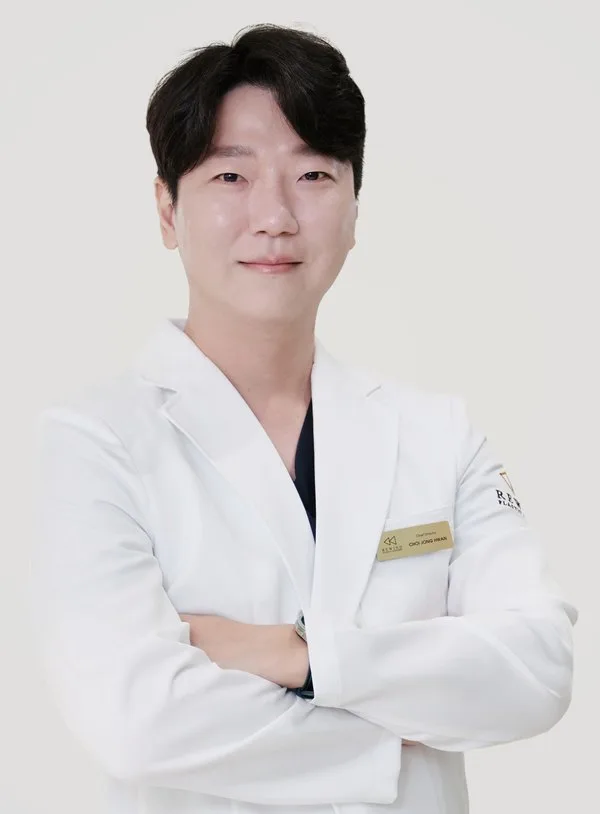
Board-certified plastic surgeon
Dr. Jonghwan Choi holds Korean specialist certification in Plastic Surgery and carries out each forehead reduction personally. Rewind is a KHIDI-registered institution for international patients, Reg. M-2025-01-08-09288.
Pricing
Only the operation Rewind performs has a figure here. The clinic does not publish a price for hair grafting because it does not offer it, and this page does not estimate one.
Both are list prices before VAT, each with the anaesthetic fee already inside it. Which line, if either, applies is decided at the examination and written into your plan before a surgery date.
Suitability
Time on the surgical route
Measured in calendar time, the surgical route is one operation followed by healing. Rewind's instructions describe that healing briefly, and the risks come with it: bleeding, infection, a scar that widens or remains visible along the hairline, numbness or changed sensation in the scalp behind the incision, shedding of hair close to the line, a border that is uneven between the sides, and the chance that a further operation is needed.
Results vary from one person to the next and no outcome is promised. The durability figure depends on tissue elasticity and the extent of surgery. Rewind gives no published suture-removal day for this operation; your surgeon names it at review.
At Rewind, one board-certified plastic surgeon carries every case — from the first consultation to the final follow-up. Because a face is a story, and a story deserves a single author.
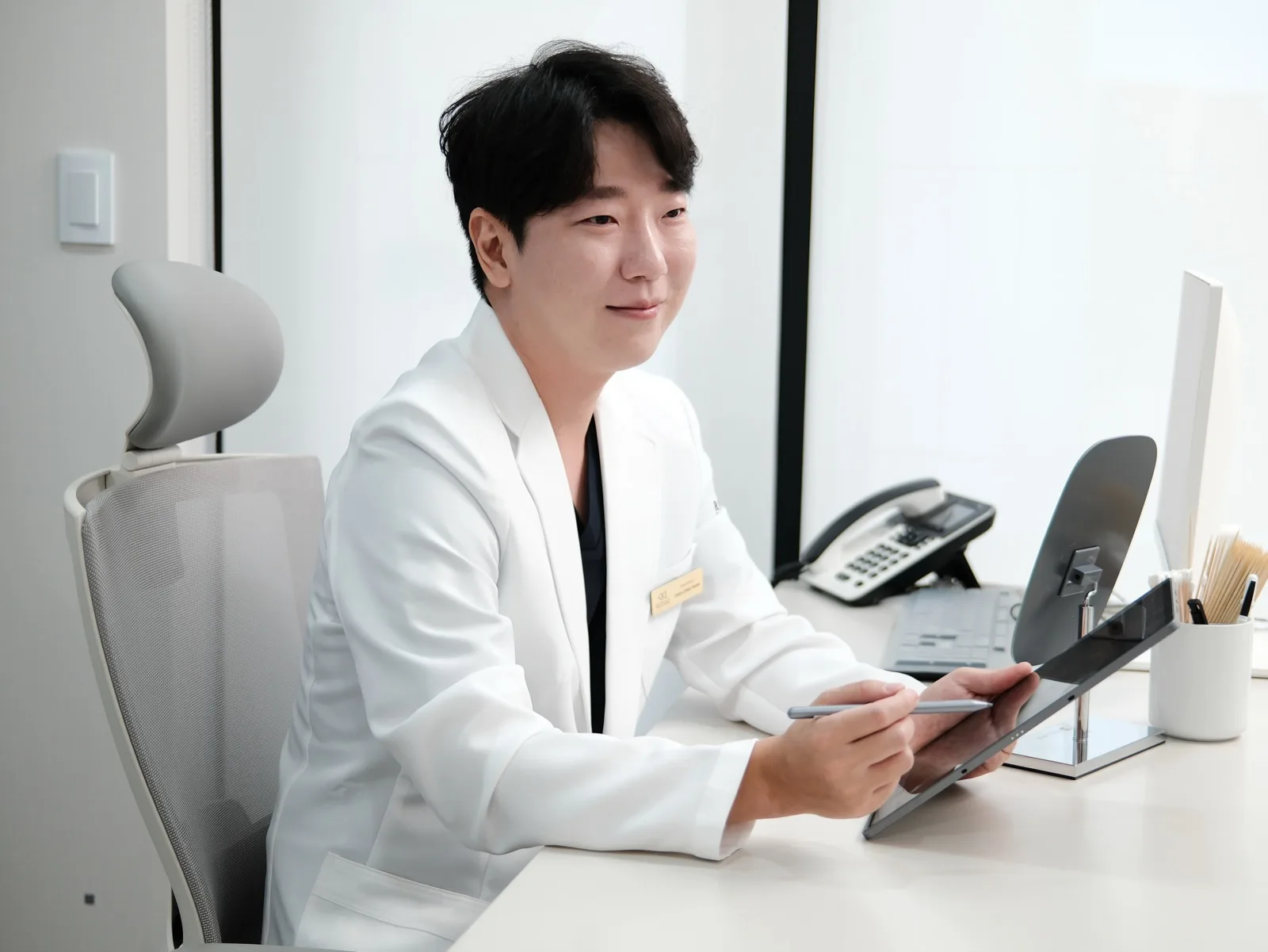 Rewind,
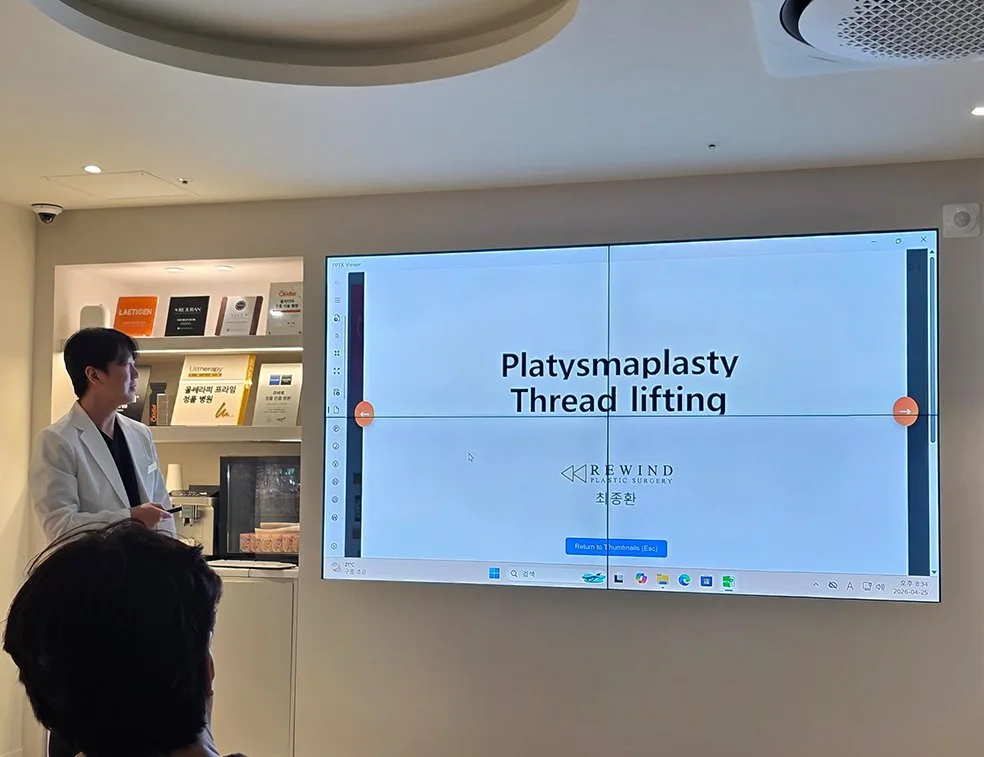
Rewind's Doctor
Dr. Jonghwan Choi Medical Director
One surgeon, from the first
consultation to the last follow-up.
A board-certified plastic surgeon devoted to anti-aging lifting — with the precision and restraint built through years of craniofacial practice.
Questions
Google Reviews
Came to REWIND to get my facial treatment and i'm absolutely obsessed about it💞 the doctor is so kind and is an expert! Everyone must visit!
YunHee Hong2 weeks agoThere are just way too many cosmetic clinics in Korea and I'm so happy I found Rewind Clinic in Gangnam. Dr. Choi was so kind and patient while explaining the different face-lifting options, from threads to mini-lifts to deep-plane lifts…
 J. S.5 months ago
I found Rewind clinic through a Korean chat forum and many local clients highly recommended it. The clinic is brand new, featuring large, clean rooms and many private waiting areas so it doesn't give off that "factory" clinic vibe. All the…
 J. Siou5 months ago
Really nice environment. Doctor is easy to communicate and understands my visions. Waited two weeks to make a review and I confirm the results exceeded my expectations and I am super happy with it. Can't wait to come back!! :))
 Kristie Chu5 months ago
I received a thread lift at Rewind Plastic Surgery. The clinic was clean and the atmosphere was comfortable. The consultation was thorough, and I felt confident because they kindly explained everything tailored to my facial condition. They…
Reservation
Tell us what you are considering — we reply as soon as possible, in your language.
For international patients — interpreter-assisted, from your first message to your follow-up.
Scientific evidence
The first paper is a large Asian series of hairline lowering through an incision in front of the hair, and the second reports that operation performed during an endoscopic forehead lift. The third reviews safety data from outpatient surgical facilities, the setting in which a single-stage operation of this kind is carried out. No hair transplantation paper is listed because this clinic does not perform that treatment and this page makes no clinical claim about it. None of these papers predicts an individual outcome.