Surgery · Facelift Durability
Recorded years, and the ageing that continues around them
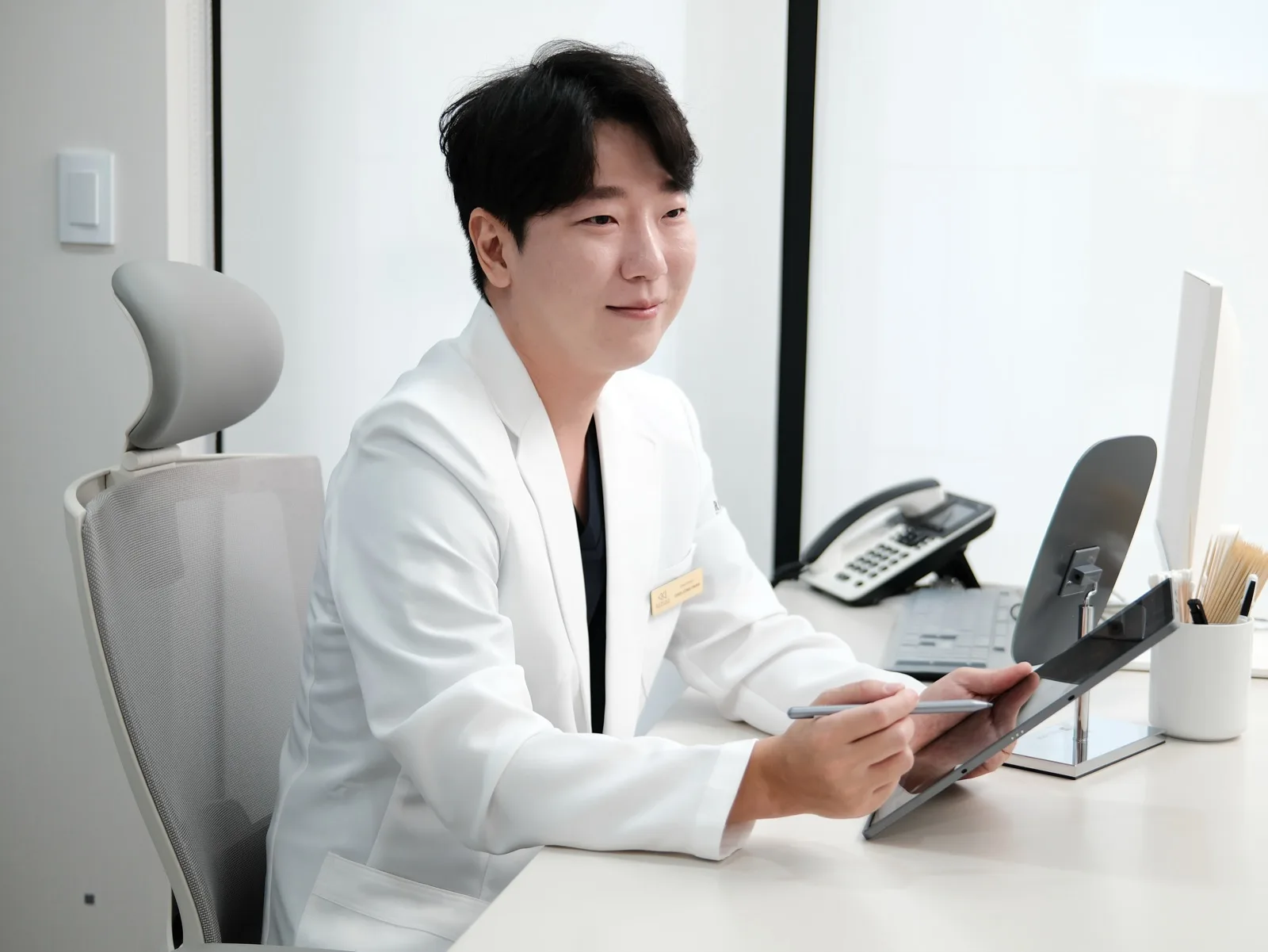
Apgujeong, Gangnam, Seoul | Board-certified plastic surgeon, Dr. Jonghwan Choi
Durability recorded per operation · KHIDI-registered for overseas patients
Facelift longevity
The short answer
Rewind records more than ten years for its full facelift, with variation between individuals. Its smaller lifting operations sit lower on the same scale: more than five years for the mini facelift and more than three for the partial lift. Those figures describe how long the repositioned SMAS layer holds its new position. Ageing does not pause on the day of surgery, so a face ten years after a lift is still ten years older, only starting from a higher point. On the second question patients ask, a 2025 meta-analysis comparing deep plane and SMAS lifts reported long-term results and high satisfaction for both and did not name either as the more durable.
Each span quoted here is the one the clinic publishes for that lifting operation, together with its own note that individuals differ. Rewind does not publish a deep plane operation and makes no durability claim for one.
The question of how long a facelift lasts hides two separate clocks. One measures the repair itself: the fascia that was drawn up and fixed, and the skin that was trimmed to fit over it. The other is the ageing that continues around that repair, as skin thins, fat shifts and gravity keeps working. Surgery resets the first clock. The second keeps running.
That explains why two people who had the same operation can look quite different five years later. The sections below set out the spans Rewind records for each of its lifting operations, the mechanics that put the full lift at the top of that list, and the habits that tend to pull a result down early.
Recorded durability
Every lifting operation on Rewind's list carries a recorded span. Read side by side, they form a ladder on which the amount of tissue moved rises with the number of years recorded.
The apple-cheek midface lift and the endoscopic forehead lift share the five-year rung with the mini operation. Each span is a recorded expectation, and every one of them carries the same caveat about individual variation.
Why the repair holds
Durability depends on what is anchored and where. The published steps of Rewind's full lift account for its place at the top of the ladder.
The SMAS is the fibrous sheet that ties the facial muscles to the skin, set out in anatomical detail in a 1976 paper. Once that sheet is drawn up and fixed, the lifted position rests on tissue that tolerates tension, and the skin above it simply lies in place.
Retaining ligaments tether the soft tissue of the cheek to deeper structures, as a 1989 anatomical study of the cheek described. In the full lift they are released beneath the fascia, so the flap can travel further and settle without being drawn straight back.
Surplus skin comes off only after the fascia has been secured. Skin stretched to carry a lift tends to relax early; skin that merely drapes over a repositioned layer has far less work to do.
The full lift treats the cheek, jaw line and neck border in one field. The mini and partial lifts work a shorter stretch of the line, and their lower recorded spans reflect that narrower field.

How durability is discussed
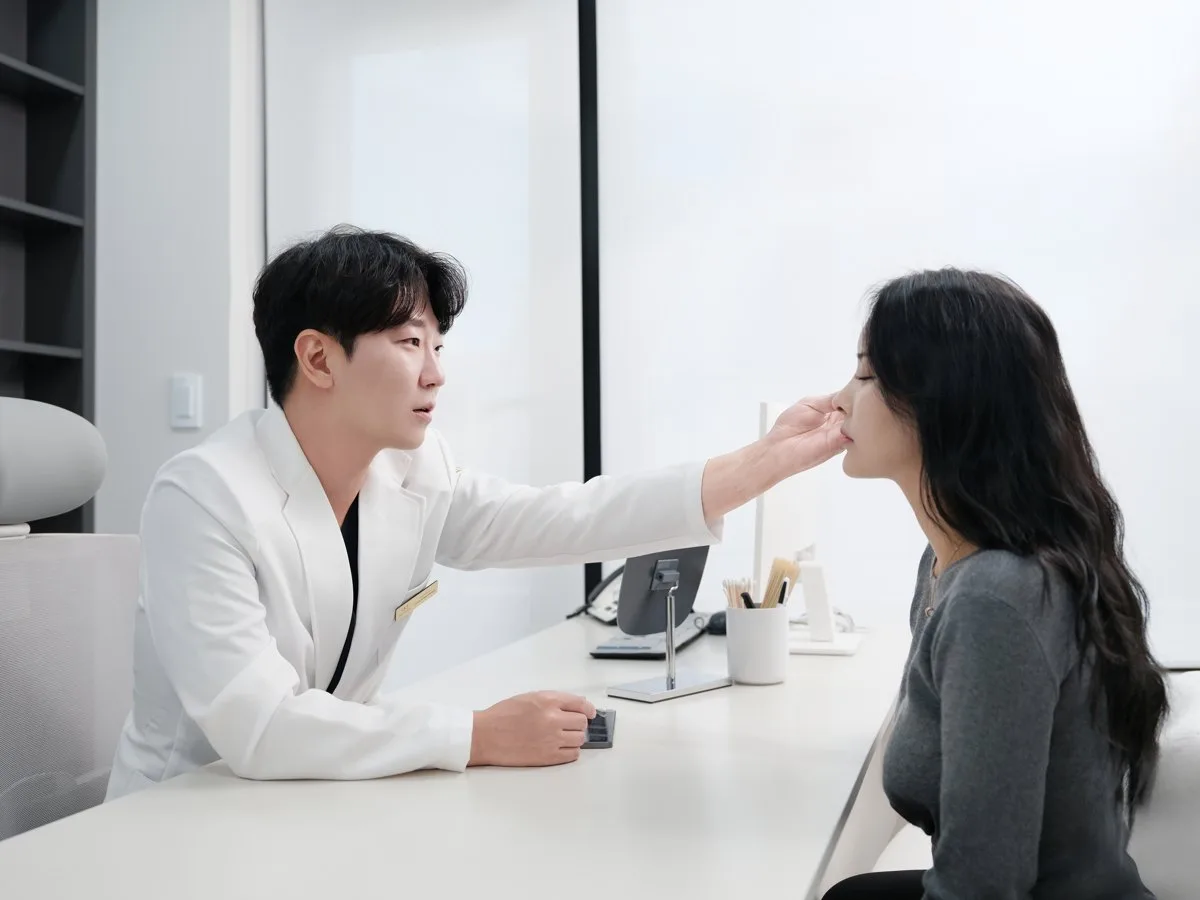
A durability figure is only useful when it is attached to the right operation. The span you hear at Rewind is the one recorded for the lift your examination points to, stated together with its caveat.
If the examination points to the mini operation, the five-year figure that belongs to it is the one you are given. The span of the full lift is never lent to a smaller procedure.
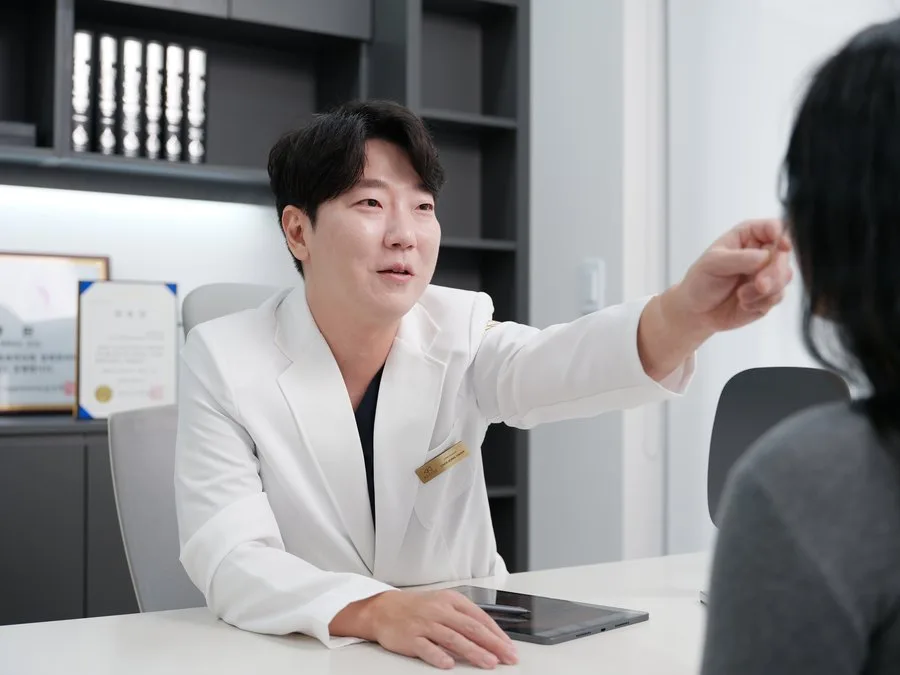
Dr. Choi explains what the lift will reposition and what it leaves untouched, such as fine surface lines, pigment and lost volume, so that later changes are not mistaken for the lift giving way.
Follow-up visits are seen by the surgeon who operated. The person assessing a result years on knows exactly which tissue was moved and how far.
Where it is done

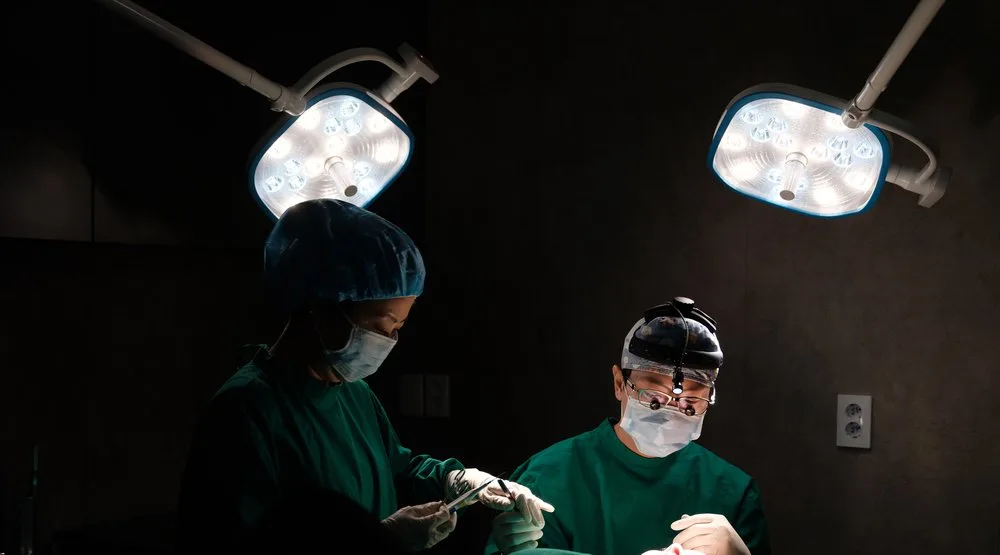
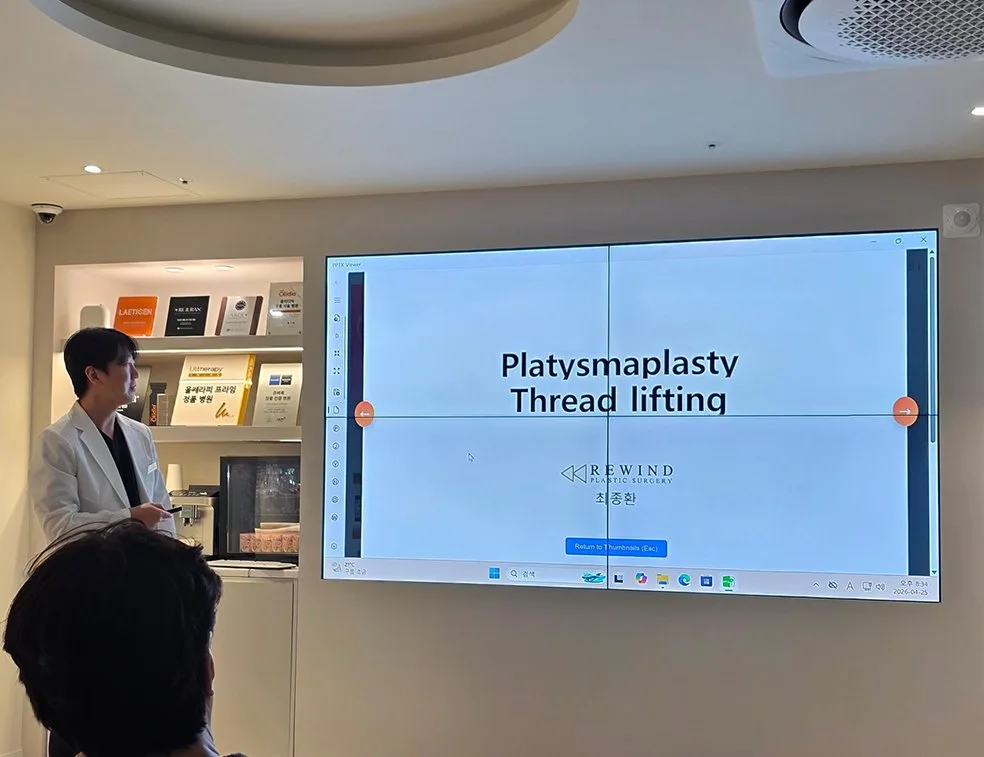
Fig. 04 · Theatre on the Richro Building floors, Apgujeong

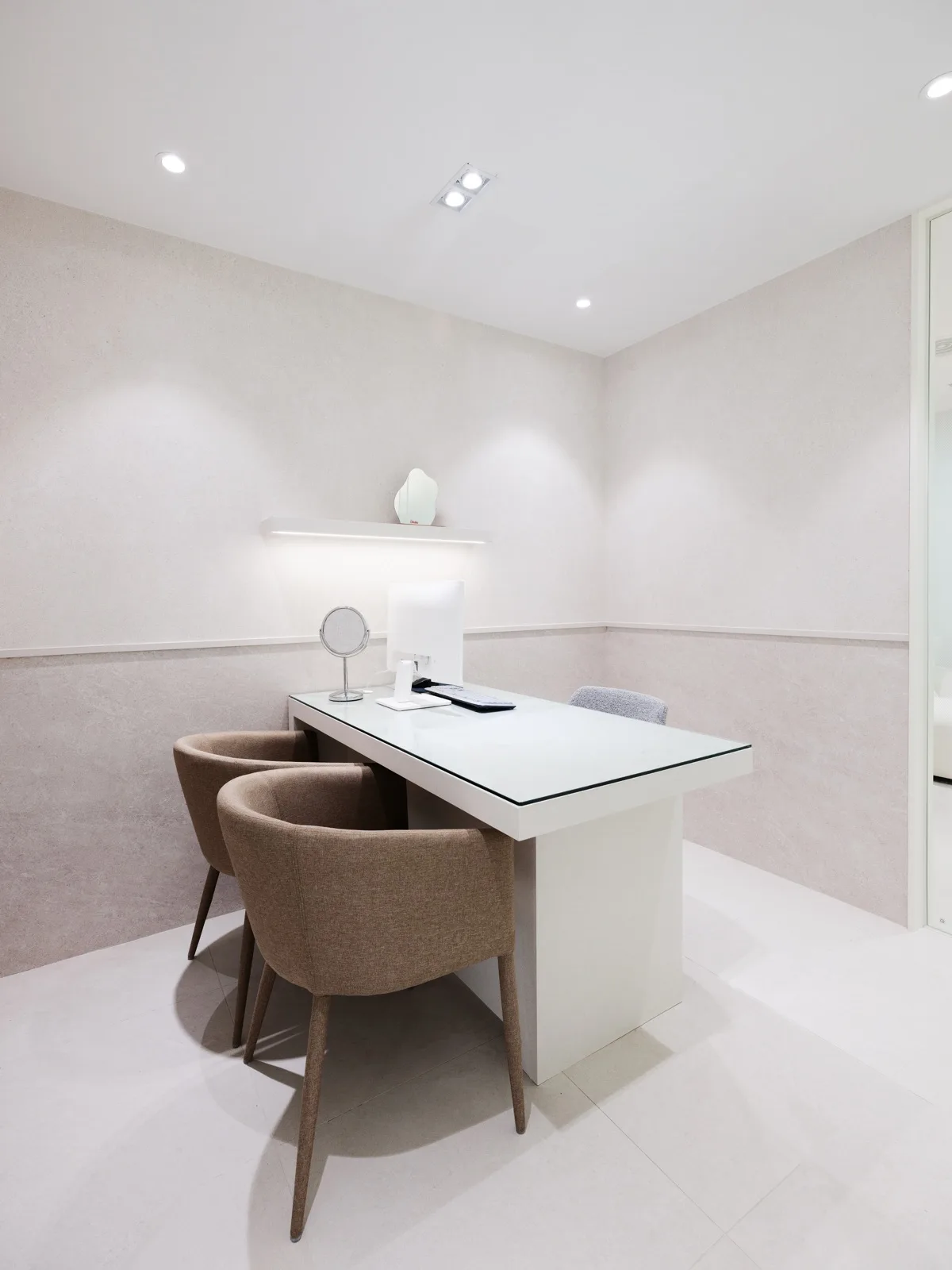
Fig. 05 · Where recorded spans are explained before any date is set
Rewind occupies the fourth and fifth floors of the Richro Building in Apgujeong, Gangnam-gu, Seoul. Consultations are by reservation on Monday, Tuesday, Wednesday and Friday from 10:00 to 19:00 and on Saturday from 10:00 to 16:00, with Thursday and Sunday closed. The medical director who examines the face is the surgeon who operates and the one who reviews it later, which counts for a great deal when the question is how a result holds over years.
Board-certified plastic surgeon
Dr. Jonghwan Choi holds Korean specialist certification in Plastic Surgery and quotes each durability figure against the operation he will perform himself. Rewind is registered with KHIDI to receive international patients, Reg. M-2025-01-08-09288.
Listed figures
On Rewind's list, fee and recorded span rise together. Each line below pairs a listed figure with the span recorded for that operation.
Standard listed fees with the anaesthetic fee included and VAT charged on top. The partial lift and LL lifting are quoted at consultation.
Dividing a fee by its recorded years is tempting and misleading, because every span is a minimum with individual variation. Scope is the fairer comparison: the full lift at ₩9,000,000 moves more tissue than the mini lift at ₩3,000,000 and carries the longer recorded span.
Who keeps a result longer
Protecting the result
The first month after surgery is when the repositioned layer settles. Rewind's instructions for this period are about leaving it undisturbed.
Every facelift carries risk, including bleeding, haematoma, infection, prolonged swelling, asymmetry, altered sensation, facial nerve injury and scarring that heals poorly. A result that holds for many years in one person may soften sooner in the next; the recorded spans describe typical expectations with individual variation.
At Rewind, one board-certified plastic surgeon carries every case — from the first consultation to the final follow-up. Because a face is a story, and a story deserves a single author.
Rewind,
Rewind's Doctor
Dr. Jonghwan Choi Medical Director
One surgeon, from the first
consultation to the last follow-up.
A board-certified plastic surgeon devoted to anti-aging lifting — with the precision and restraint built through years of craniofacial practice.
Google Reviews
"Sample review card — at launch this section pulls the clinic's real Google reviews automatically, shown verbatim with the reviewer's initial and posting date."
"Sample review card — reviews are never written or edited by the clinic; only what patients posted on Google appears here."
"Sample review card — a 'See all reviews on Google' link takes visitors to the clinic's Business Profile."
Questions
Reservation
Tell us what you are considering — we reply within one business day, in your language.
Scientific evidence
The long-term satisfaction survey and the 2025 comparison of techniques bear on how results hold over time; the two anatomical papers explain why a repair made in the fascia can last; the limited-access paper describes the shorter-scar family of lifts nearer the mini rung. None concerns this clinic, and none predicts how long an individual result will last.