Surgery · Jaw Line Results
Early jaw line descent, and how its correction is shown
Apgujeong, Gangnam, Seoul | Board-certified plastic surgeon, Dr. Jonghwan Choi
Selective SMAS lift for the lower face · KHIDI-registered for overseas patients
Jowls and the mini lift
The short answer
Early jowls fall within what Rewind's mini facelift is designed to treat. The clinic lists sagging that has started along the jaw line among its reasons for the operation, and gives the field as the middle and lower face. Through one selected stretch of the hairline and ear line, the SMAS layer is drawn upward and fixed and the loose skin is trimmed. How much the jaw line changes depends on your own anatomy, so the likely result is discussed at examination and cannot be promised in advance.
Based on Rewind's Korean-language page for its New Age mini lift, which lists nasolabial, cheek, jaw line and neck sagging among the concerns it addresses. The clinic publishes no percentage of improvement, and none is given here.
Jowls form where tissue from the lower cheek descends over the line of the jaw. What shows is skin, while the layer that has loosened lies beneath it. Rewind's mini lift is built around that deeper layer: the SMAS is drawn up and fixed first, and only then is the loose skin trimmed to fit.
This page stays with the jaw line: what the mini lift does there, how its result develops over the following months, and what to look for in before and after photographs, including Rewind's own, which are not yet published for this operation.

Case photographs
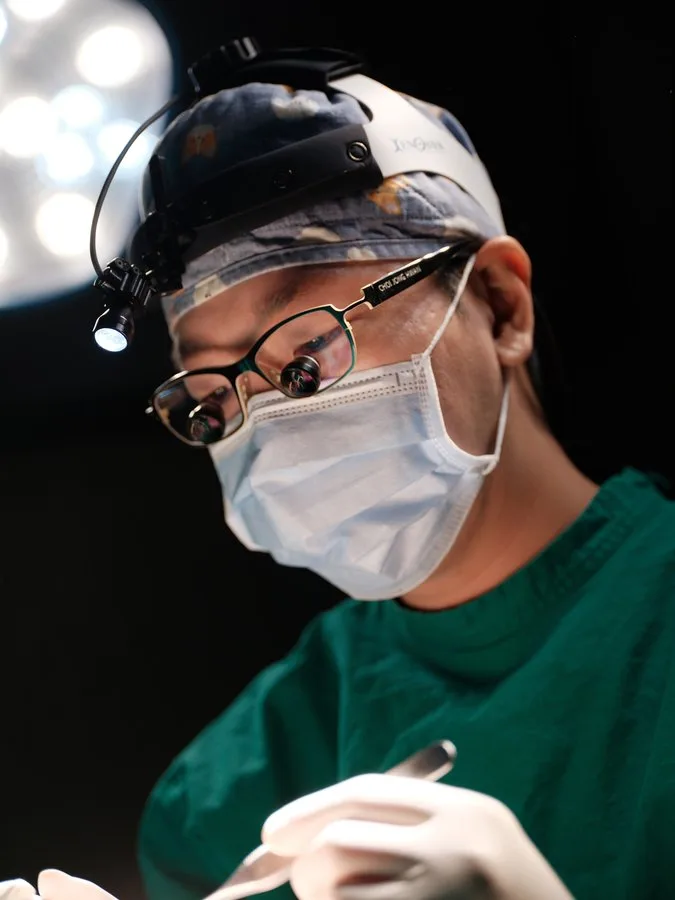
Rewind has not yet published photographs from its own mini facelift patients, and cases borrowed from a different operation would say nothing about this one. The frames below are held for Rewind patients who have had a mini lift for jaw line descent, each with a caption that names every procedure performed in that session.
When pairs are added they will be shown unretouched, and each caption will list every procedure carried out in the same session, since a second operation changes what a jaw line photograph shows. A mini facelift can bring bleeding, haematoma, infection, asymmetry, numbness, prolonged swelling, injury to facial nerve branches and scarring. One patient's photographs record that patient's anatomy and healing and cannot serve as a forecast for anyone else.
Reading a jaw line
A jowl is a matter of outline, and outlines change with angle, posture and time. Four details decide whether a pair of jaw line photographs tells you anything useful.
At the jaw line
Rewind's published sequence is short. Read with the jaw line in mind, each step has a specific job.
The incision follows the part of the route chosen at examination, from the hairline to the ear or from the ear into the hairline behind it. The skin flap is raised and the fascia beneath it is opened.
The loosened tissue is drawn upward and fixed in its new position. For jowls, this is the step that moves the tissue lying over the jaw line, since the field of the operation includes the lower face.
The surplus skin is trimmed only after the fascia has taken the tension. The outline of the jaw depends on the layer beneath, and the skin is fitted to it.
Suturing finishes the operation. The clinic places the route where hair and the shape of the ear make it hard to see once healed, though it remains a surgical scar.
About one week of compression dressing follows. Rewind also asks patients not to tug the face in the direction opposite to the lift while it settles.

How a result develops
Rewind does not publish a month-by-month description of a mini facelift result. Its instructions still mark the stages a jaw line passes through, and they explain why an early photograph is a poor guide to the final outline.
Compression stays on for about a week. Swelling and tightness belong to normal healing at this stage, so the outline of the jaw is hidden by both the dressing and the swelling.
Pain and swelling improve gradually. The facial lifting sheet keeps strenuous exercise, saunas and steam rooms out for at least four weeks, and the face is not massaged or pulled against the lift.
How settled the jaw line looks at about three months differs between people, and the clinic gives no standard picture for that point. The surgeon reviews the result in person, and any photograph from that stage should say how long after surgery it was taken.
Surgery and review

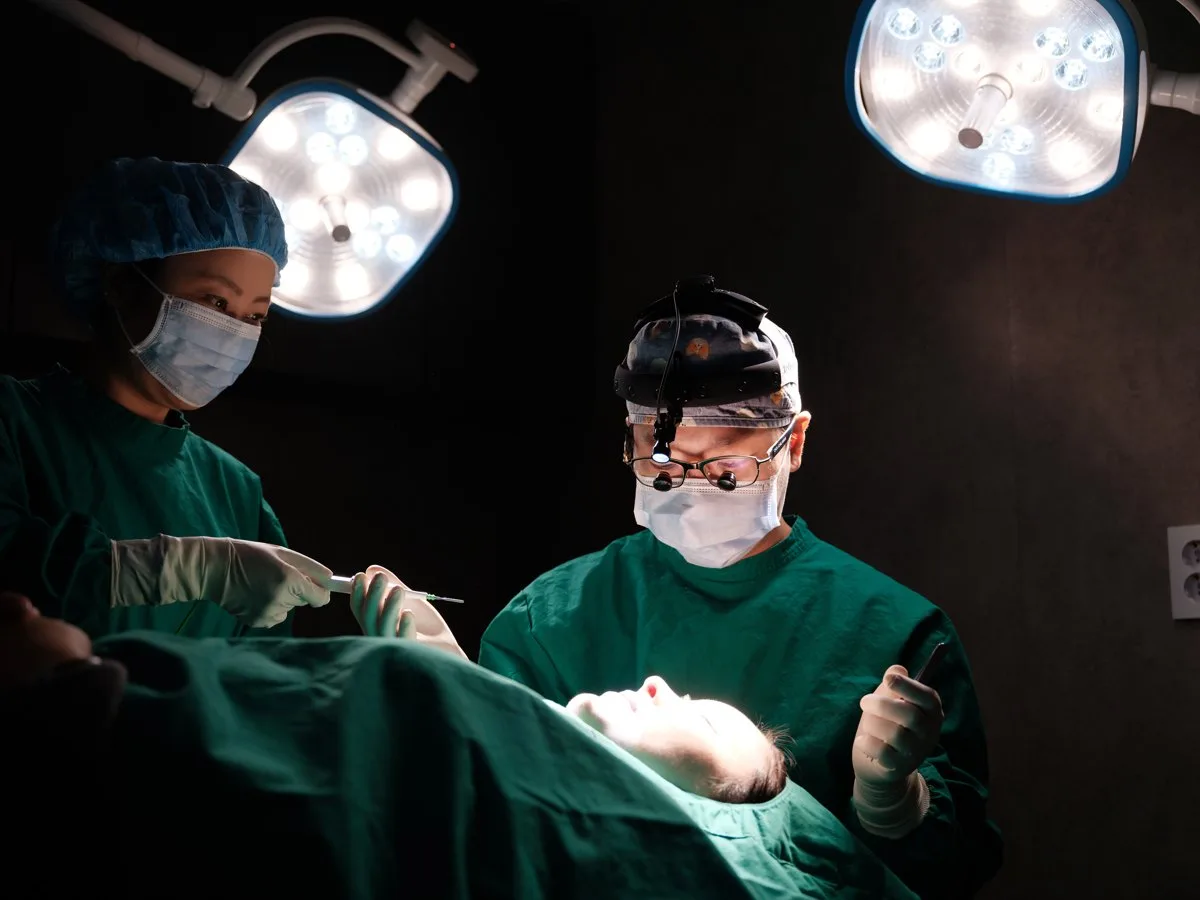
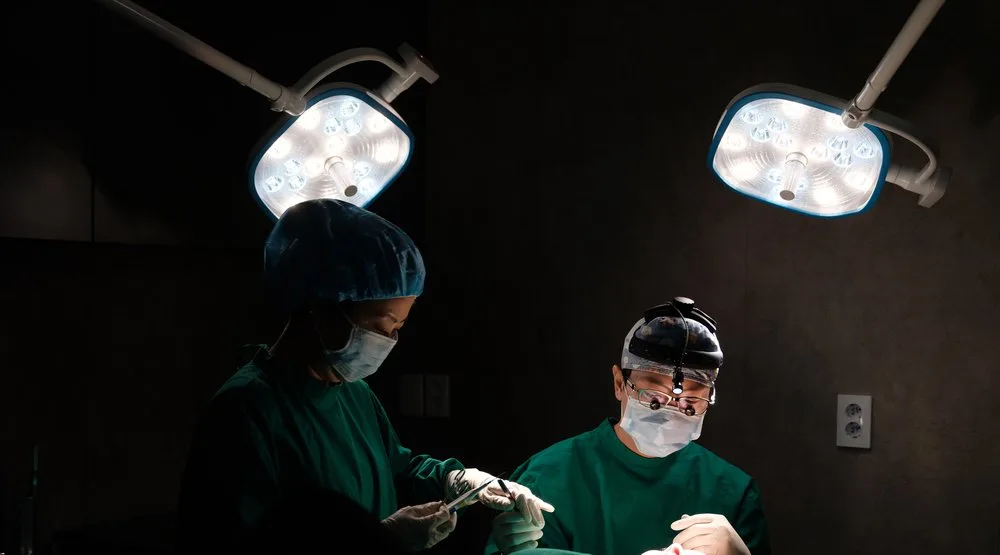
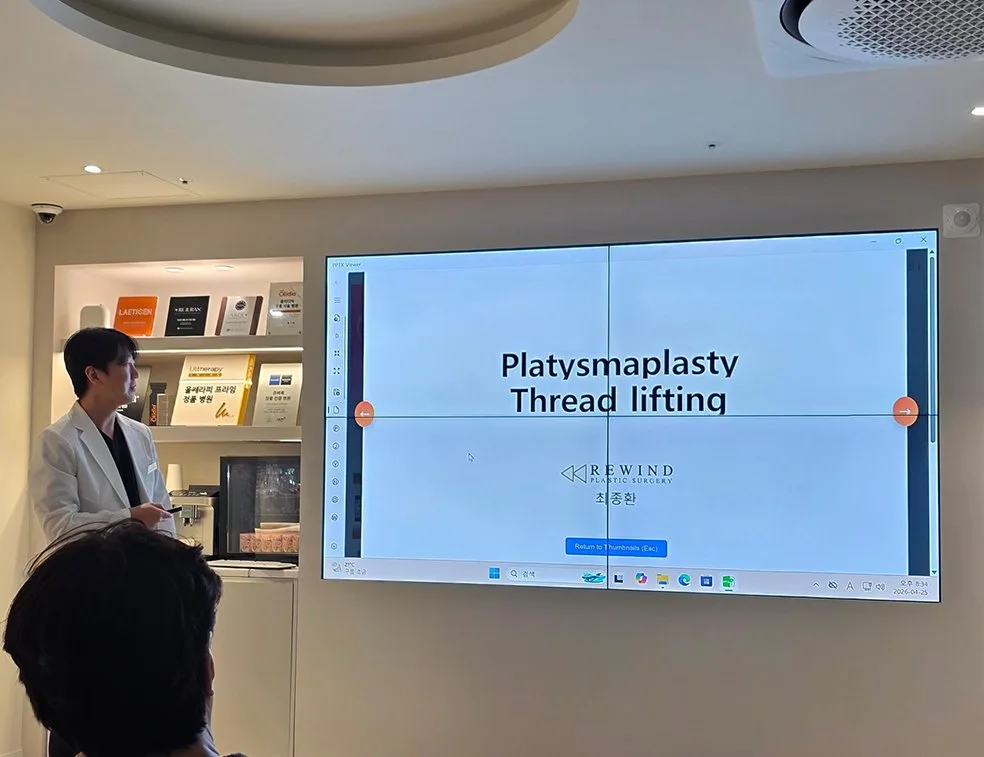
Fig. 04 · Where a mini lift for jowls is performed

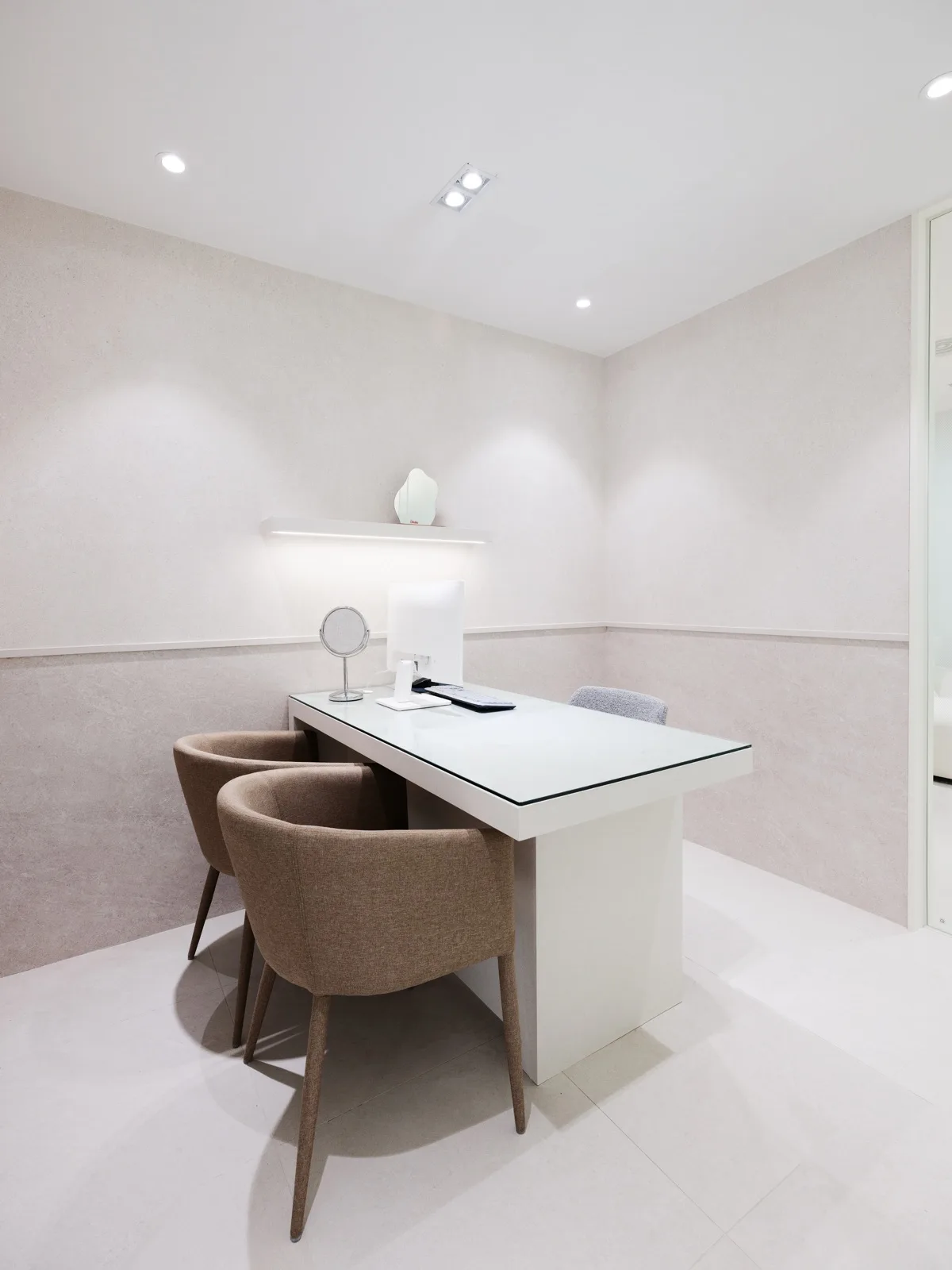
Fig. 05 · A consultation room on the clinic floors
Consultation, surgery and every review take place on the fourth and fifth floors of the Richro Building in Apgujeong, Gangnam. The surgeon who assesses your jowls at the first visit is the one who operates and the one who judges the result afterwards, so the starting point and the outcome are read by the same eyes.
Board-certified plastic surgeon
Dr. Jonghwan Choi holds the Korean specialist qualification in plastic surgery and performs every mini facelift at Rewind, from the first assessment of the jaw line to the final review. Patients from abroad are treated under the clinic's KHIDI registration, M-2025-01-08-09288.
Fees
Jowls treated within the field of the mini lift are priced on the mini listing. When the examination finds that the descent continues into the neck or spreads across the face, the quote moves to one of the lines below it.
Listed fees before VAT, with the anaesthetic fee included in each. The listing that applies is named in writing after the examination.
A plan limited to the jaw line within the mini field reads as a single line, ₩3,000,000. If the neck needs work of its own, the neck lift at ₩5,000,000 is discussed at the same consultation.
Suitability
Protecting the result
The weeks after surgery affect how the jaw line settles. Rewind's instructions for the mini lift and its sheet for facial lifting are brief, and every item on them concerns the lifted tissue or the healing line.
Contact the clinic the same day about swelling that increases on one side, worsening pain, fever or bleeding from the line. Numbness around the ear and cheek, a difference between the two sides and a widened scar are among the complications discussed at consultation.
At Rewind one board-certified plastic surgeon holds every mini facelift case, from the first look at the jaw line to the review that judges the result. The person who assesses your jowls before surgery is the person who assesses them afterwards.
Rewind,
Rewind's Doctor
Dr. Jonghwan Choi Medical Director
The jaw line is judged
by the surgeon who lifted it.
Dr. Jonghwan Choi, board-certified plastic surgeon, medical director and author of ten peer-reviewed papers.
Google Reviews
"There are just way too many cosmetic clinics in Korea and I'm so happy I found Rewind Clinic in Gangnam. Dr. Choi was so kind and patient while explaining the different face-lifting options, from threads to mini-lifts to deep-plane lifts. I've had procedures in Taiwan and the US and now m…"
"Really nice environment. Doctor is easy to communicate and understands my visions. Waited two weeks to make a review and I confirm the results exceeded my expectations and I am super happy with it. Can't wait to come back!! :))"
"I found Rewind clinic through a Korean chat forum and many local clients highly recommended it. The clinic is brand new, featuring large, clean rooms and many private waiting areas so it doesn't give off that "factory" clinic vibe. All the staff, including the receptionists, nurses, a…"
"You know how you get self-conscious about your facial contours before going on vacation? I was wondering what I could do to see quick results, and a friend recommended Apgujeong Rewind Plastic Surgery. All the staff were friendly, and the facilities were incredibly pleasant—it felt like a hotel! Val…"
"I went for a consultation for lip fillers and am leaving this review because I am so satisfied with the results. I told them about the lip line I had always wanted, and they carefully examined my face shape and features to naturally recreate a shape that suited me well. The director definitely has …"
Questions
Reservation
Send a front view and both side views of your jaw line, and we reply within one business day, in your language.
Scientific evidence
The first paper sets out how facial photographs are standardised so that a before and after pair can be compared fairly. The second reports on a limited-access lifting technique from the same family as the mini facelift. The third describes the retaining ligaments that hold the cheek in place. None of them studies Rewind's patients or predicts an individual result.