Surgery · Eyelid Results
How a fold is judged natural, case by case
Gangnam, Seoul | Board-certified plastic surgeon, Dr. Jonghwan Choi
KHIDI-registered for international patients · Apgujeong Rewind
What natural means
The short answer
A natural double eyelid is a fold that looks as though the eye could have grown it. In a pair of photographs taken before and after surgery, the after picture shows a crease sitting at a height the lid can carry, a band of lid skin below the fold that is neither thick nor puffy, a line that follows the curve of the eye, and two sides that read as a pair. What gives a result away is usually excess: a fold set too high for the lid, or too much skin and fat left bunched above it, which produces the heavy, sausage-like look the clinic warns against.
Descriptions on this page come from Rewind's Korean surgical pages for its buried, partial-incision and full-incision creases and from its post-operative sheets. The clinic does not publish a crease height in millimetres, an anaesthetic or a theatre time, and none is given here.
How wide should a natural-looking crease be? There is no single number that fits everyone, and Rewind does not publish one. The crease is designed from the shape and height of each eye, and its width is limited by how thick the lid skin is and how much fat sits above the eye. On a thin lid a fairly defined fold can still look quiet; on a thick, full lid the same height produces bulk. The practical rule the clinic applies is to lower the design, or change the method, until lid and fold agree.
Width also depends on where the line runs at the inner corner. Rewind offers four line designs with every method, and they differ mainly in whether the fold tucks into the inner corner or travels above it. Those four are laid out further down this page.
Before & After
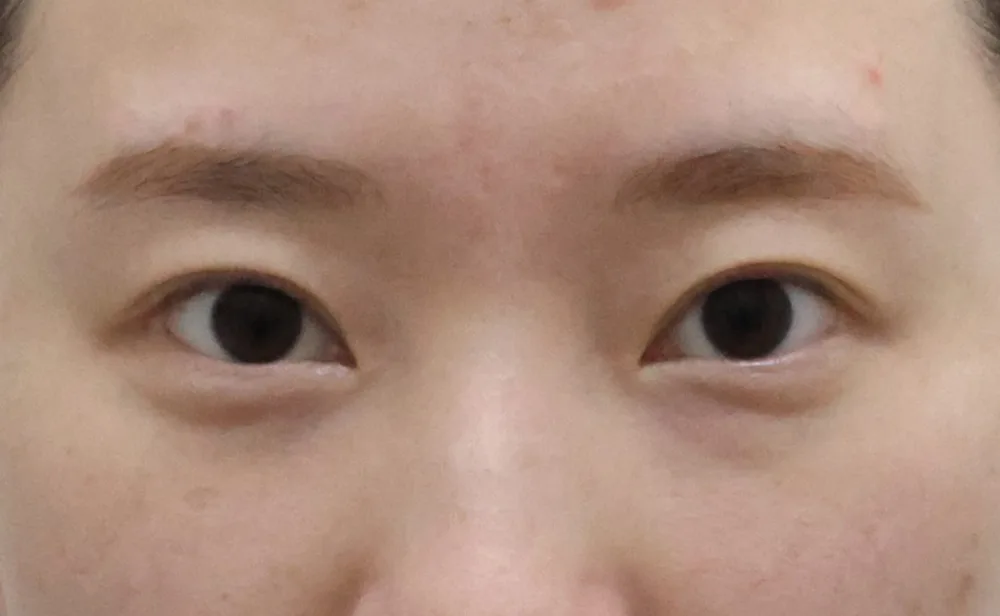
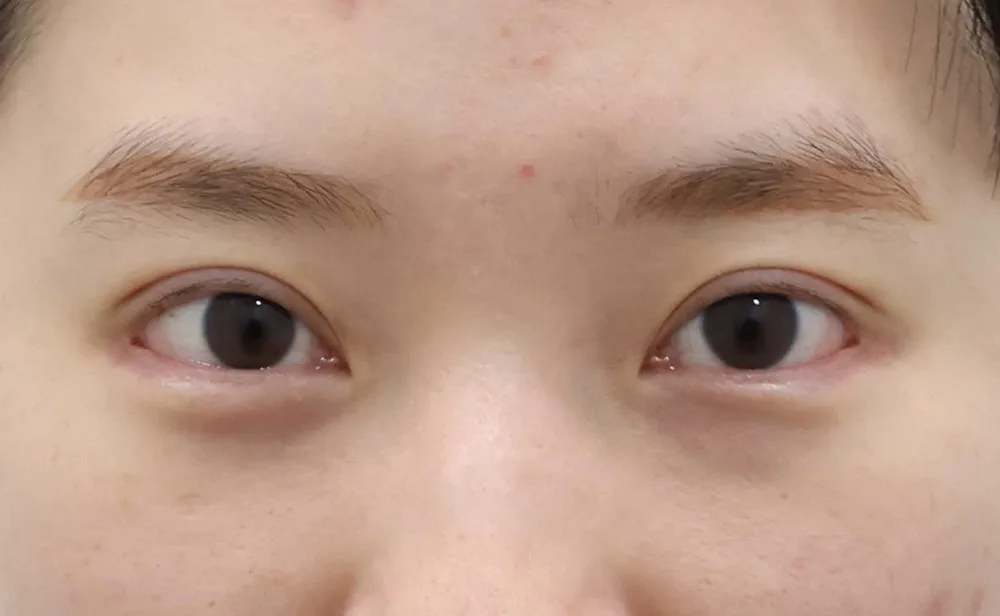
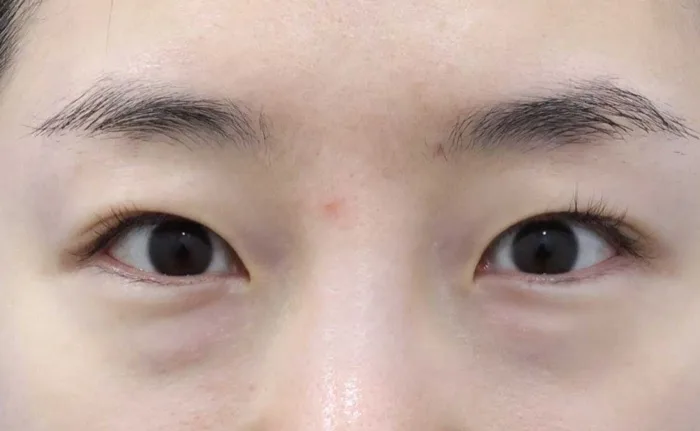
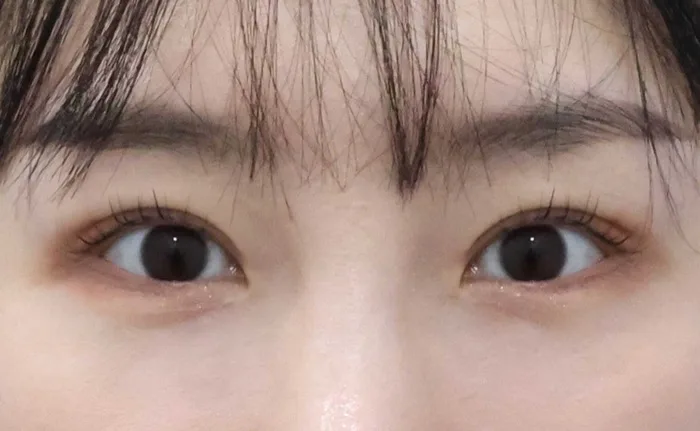
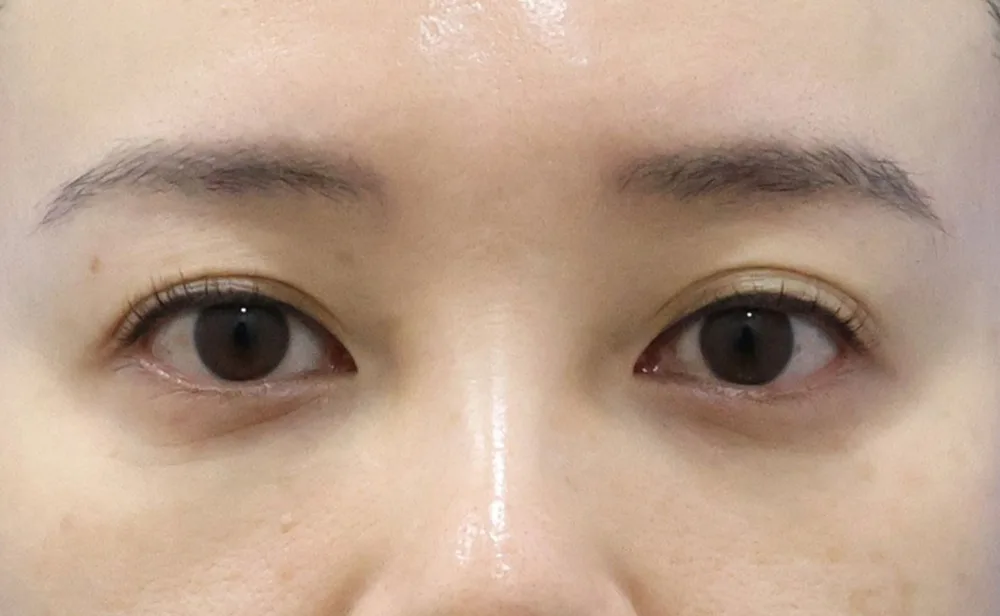
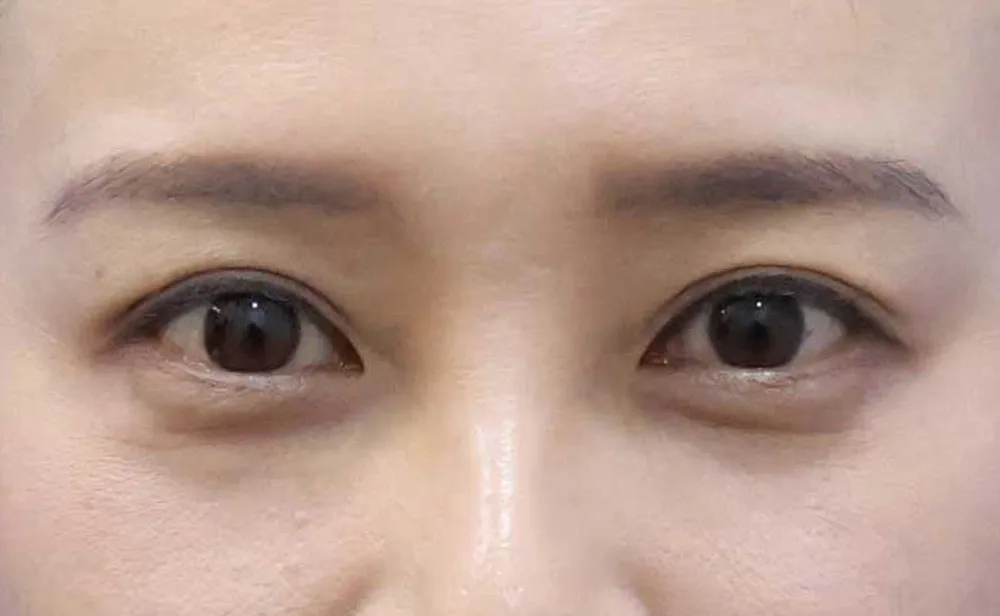
Each pair below is one Rewind patient, and each caption lists everything done in that session. When you look at them, check four things: whether the fold height suits the size of the eye, whether the skin below the fold looks thin and even, whether the line follows the curve of the lid, and how closely the two sides match. Where another procedure was performed at the same time, part of the change belongs to it.
BEFOREAFTER
BEFOREAFTER
BEFOREAFTERThese are Rewind's own patients, photographed by the clinic and cropped to the eye region for this page. A result that looks natural on one face is not a forecast for another. Swelling, bruising, a fold that heals higher, lower or thicker than planned, asymmetry between the lids, altered sensation and, after an incision, a visible line can all follow eyelid surgery.
Line design
Rewind offers the same four designs with the buried, partial-incision and full-incision methods. In general terms they differ in how the fold meets the inner corner, and that single choice changes how wide the finished crease looks.
Where the inner corner itself limits the design, the discussion extends to epicanthoplasty, performed alongside the crease in one of the cases above. Each method behind these designs is described on the double eyelid surgery page.
Setting the fold
A natural result is mostly decided before surgery starts. The five steps below are how Rewind keeps the design within what a lid can carry.
The line is drawn from the proportions of the eye in front of the surgeon. A crease copied from another face ignores those proportions. A reference photo can show the mood a patient likes; the lid itself decides the measurements.
The thicker the lid and the more fat above the eye, the lower a fold must sit to look light. Rewind lists thick, fatty lids under its partial-incision and full-incision methods so that tissue can be removed and a moderate fold can sit cleanly.
In-line, semi-outline, in-out-line or outline is chosen by how the eye meets the inner corner. A design that fights the inner corner is the usual reason a crease looks drawn on.
A crease placed over a lid that rises too little leaves the eye heavy whatever the design. Where the lid margin sits low, eye-opening correction is discussed as an additional line, because no fold height can make up for it.
Most faces start with two slightly different lids. The last step in Rewind's description of every crease method is finishing both lines so that they sit naturally and symmetrically with each other.

Why restraint
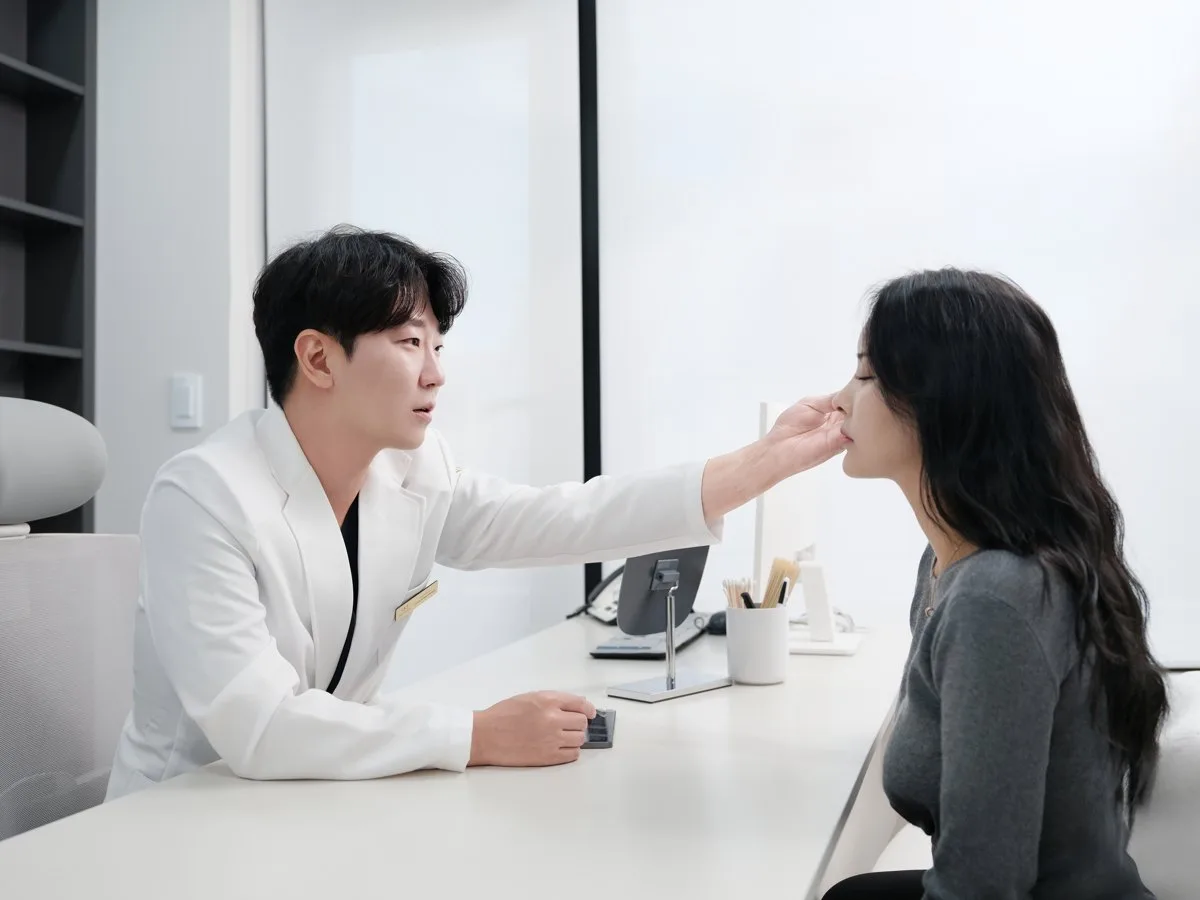
Most unnatural folds are the product of a request that went unchallenged. A single operating surgeon who designs, operates and follows up is in a position to say no to a height the lid will not carry.
Rewind attributes the thick, sausage-like fold to a line set too high or to over-correction for the skin and fat present. When a requested design would do that, the consultation lowers it and explains why, with the patient's own lid as the reference.
A natural fold on a full lid often depends on what is taken out underneath. Because partial and full incision are both offered, surplus fat and muscle tissue can be removed so the crease sits in a thinner lid.
An eyelid changes shape for months as swelling leaves. Follow-up visits are with the operating surgeon, and patients who travelled for surgery are supported in their own language through a KHIDI-registered institution.
Where the cases were done

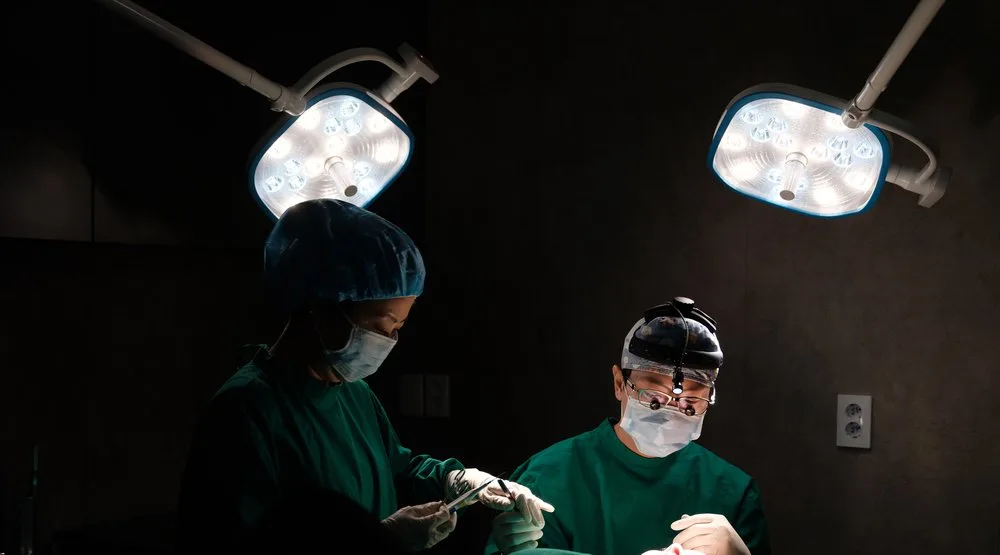
Fig. 04 — Rewind's own operating theatre, Richro Building

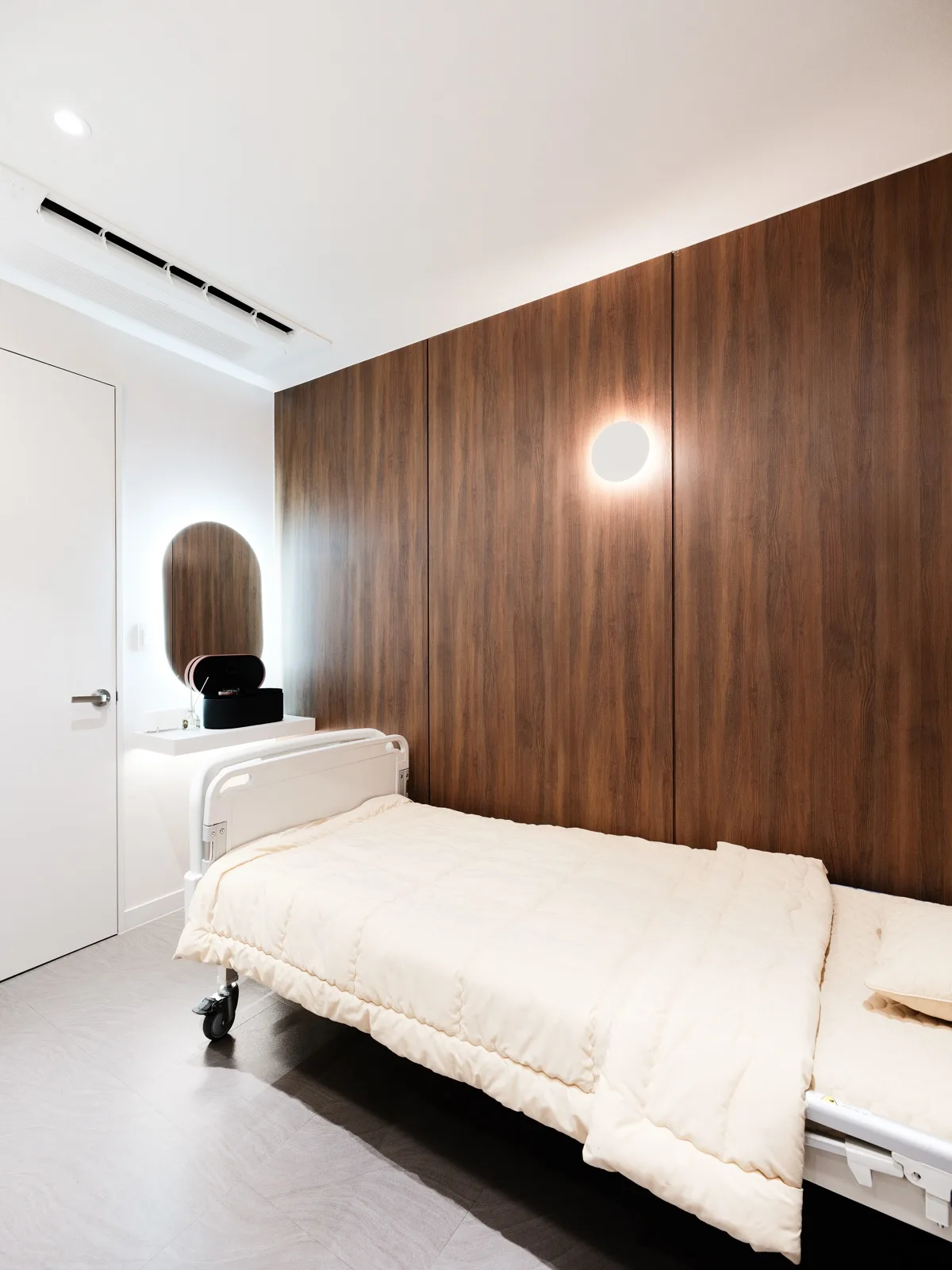
Fig. 05 — Recovery, where the first swelling is managed
Rewind's eyelid operations take place in its own theatre on the fourth and fifth floors of the Richro Building in Apgujeong, Gangnam, and the case photographs on this page were taken by the clinic. Eyelid consultations are held by appointment on Monday, Tuesday, Wednesday and Friday until 19:00 and on Saturday until 16:00. The points below are what shapes a natural result on the day.
Board-certified plastic surgeon
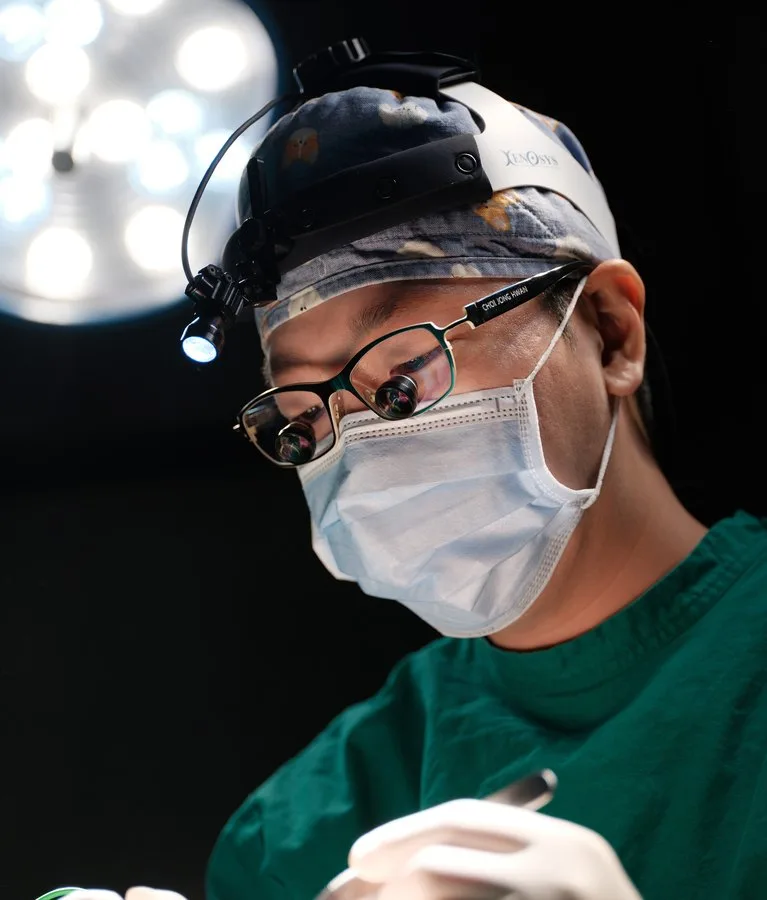
Rewind's eyelid operations are designed and performed by Dr. Jonghwan Choi, who holds Korean board certification in plastic surgery and is a member of the Korean Society of Plastic and Reconstructive Surgeons. Rewind treats international patients under KHIDI registration M-2025-01-08-09288.
Rates behind the cases
The cases above used three different crease plans, and two of them added a neighbouring eyelid operation. The rows below cover the crease methods and the eyelid operations named in those captions; a natural result is not a separate item and carries no extra charge.
These are standard listed rates with VAT to be added; the anaesthetic fee is already included in each. A session combining several operations is quoted line by line at consultation, and a crease that needs correcting after earlier surgery is priced only once that surgery has been examined.
Realistic or not
When it looks natural
Almost every fold looks too high and too full at first, because swelling lifts and thickens the lid. The stages below come from Rewind's records and post-operative sheets; the clinic does not publish a date by which a fold is fully settled, and that point differs between people.
A fold that looks higher or thicker than expected in the first weeks is common and is reviewed at follow-up before any conclusion is drawn. Real complications include bleeding and haematoma, infection, prolonged swelling, asymmetry between the lids, a buried fold loosening after a hard rub or a knock, altered sensation, and a raised scar after an incision in people prone to one. Any of these can mean a revision.
At Rewind, one board-certified plastic surgeon carries every case — from the first consultation to the final follow-up. Because a face is a story, and a story deserves a single author.
Rewind,
Rewind's Doctor
Dr. Jonghwan Choi Medical Director
One surgeon, from the first
consultation to the last follow-up.
A board-certified plastic surgeon devoted to anti-aging lifting — with the precision and restraint built through years of craniofacial practice.
Google Reviews
"Sample review card — at launch this section pulls the clinic's real Google reviews automatically, shown verbatim with the reviewer's initial and posting date."
"Sample review card — reviews are never written or edited by the clinic; only what patients posted on Google appears here."
"Sample review card — a 'See all reviews on Google' link takes visitors to the clinic's Business Profile."
Questions
Reservation
Tell us what you are considering — we reply within one business day, in your language.
Scientific evidence
Two of these papers describe the crease techniques shown in the cases above, one buried and one short incisional. The third reviews how complications of Asian double eyelid surgery are prevented and managed. The fourth is a systematic review of how aesthetic outcomes of upper eyelid surgery are measured and reported. None reports Rewind's patients or predicts a single result.