Surgery · Results
What a lifted neck can add to the border of the jaw, and how to judge it in profile
Apgujeong, Seoul | Board-certified plastic surgeon, Dr. Jonghwan Choi
Skin and platysma below the jaw · Frames held for Rewind patients · KHIDI-registered for international patients
Jawline definition
It depends on what is blurring the jaw
A neck lift sharpens the jaw line only as far as the blur comes from the two tissues it works on: skin below the jaw that no longer retracts, and a slackened platysma, the thin muscle sheet across the front of the neck. When those are the cause, tightening the muscle and redraping the skin can bring back a visible border where the jaw meets the neck. When the softness comes from fat beneath the muscle, an enlarged gland, jowls sitting above the jaw, or the shape of the jawbone and chin, a neck lift on its own changes less. Rewind Plastic Surgery in Apgujeong has not yet released neck lift photographs or any measured figure for the change, so this page gives no number.
What this page rests on: Rewind's fee schedule, which lists a neck lift alone and a facelift combined with a neck lift; the clinic's Korean surgical text for its double-chin muscle operation, which names a blurred border between jaw and neck as the reason the platysma is bound; and three published papers on facial photography and facial anatomy. No photograph from a different operation is used as a stand-in.
Jawline definition is also a matter of angle. The same neck can look soft in a photograph taken with the chin dropped and crisp in one taken with the chin slightly raised, so a neck lift result is read in profile first and with some suspicion. Here the photograph gets as much attention as the surgery: what a profile pair should show, what can fake a change, and which parts of a jaw line sit outside the reach of this operation.
If you arrive with a softened jaw and a loose neck, the useful outcome of a consultation is a finding that names the tissue responsible. That finding decides whether a neck lift is the right tool at all, and it is the only fair basis for predicting what your own profile could look like afterwards.

Before & After
No neck lift pair from Rewind's own patients has been released for publication yet. Images from double-chin or facelift cases would show a different operation working on different tissue, so none are placed here. Each frame below is held for a Rewind neck lift patient, and its caption will name every listed operation performed in the same session.
When a pair is released, a neck lift performed alone and one combined with a facelift will be labelled apart, because the jowl and the cheek change only in the second. Neck surgery can cause bleeding and a haematoma, infection, prolonged swelling, asymmetry between the two sides, thickened scars, numbness of the neck skin and injury to the facial nerve branch near the jaw line. A photograph records one person's anatomy and healing, and the same change cannot be promised to anyone else.
Limits of the operation
A neck lift works below the jaw. The outline you see in profile is drawn by more than skin and muscle, and four structures set the ceiling on what the operation can add.
Fullness that sits in the fat layers has its own operations at Rewind: the deep neck lift for fat beneath the muscle and double-chin liposuction for the layer above it.
Reading a profile
A neck lift pair is mostly a pair of side views. A 1999 paper on standardised photography in facial plastic surgery set out how head position, lighting and camera distance can each change how a face appears. The checks below apply that principle to the jaw and the neck.
Dropping the chin folds the skin under the jaw and softens the border; raising it stretches the neck and sharpens the line with no surgery at all. Compare the tilt first, using the line from the top of the ear opening to the lower edge of the eye socket as a level.
Shoulders drawn back and a neck pushed forward change the throat angle on their own. A comparable pair shows the same posture, with the neck neither stretched upward nor slumped.
Platysma bands stand out when the neck is tensed and fade at rest. A first frame taken tensed and a second taken relaxed will exaggerate any change, so check that the mouth and the neck are held the same way.
Light from above draws a dark band beneath the jaw that can suggest a border the tissue does not have. Soft, even light shows the outline more plainly. Compare the direction of the shadows, and read a dramatic one with care.
Swelling blurs a new jaw line and settles at a pace that differs between people. A useful second frame states how long after surgery it was taken, and its caption names every operation in the session, since a facelift or fat removal performed alongside changes the profile too.

Why here
A photograph shows an outcome. The examination explains what produced the softness in the first place, and at Rewind that explanation comes first.
Skin is lifted and released to judge its elasticity, the neck is tensed to show the muscle, and the profile is read for fat and for bone. A neck lift is proposed where skin and muscle account for the softness, and something else is proposed where they do not.
Double-chin and facelift results change different tissues. Showing them under a neck lift heading would misstate what this operation does, so the gallery waits for the clinic's own neck lift cases.
Rewind is a single-surgeon practice. The board-certified plastic surgeon who assesses your profile performs the operation and reviews the result, so one pair of eyes judges your neck at the first visit and again once it has healed.
The clinic

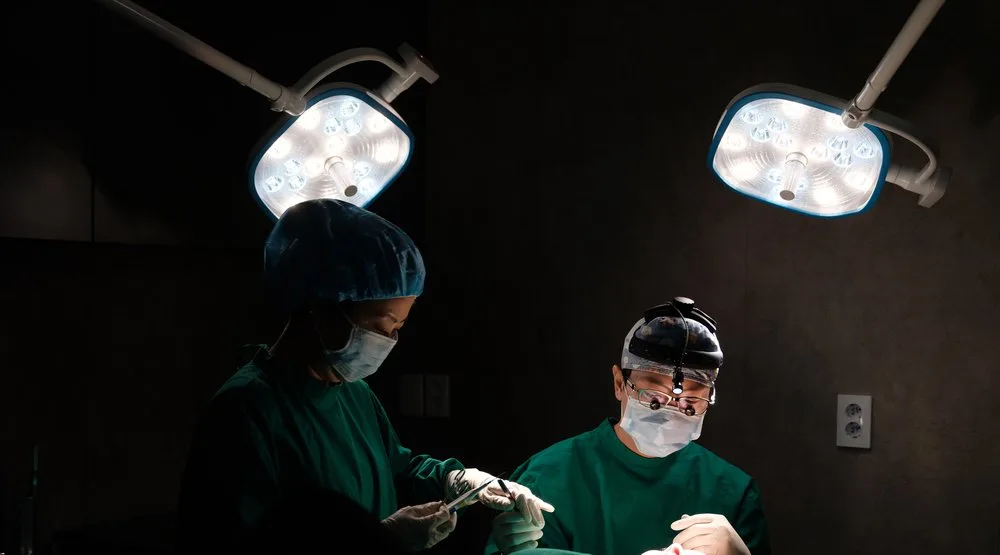
Fig. 04 · The operating room on the clinic floors

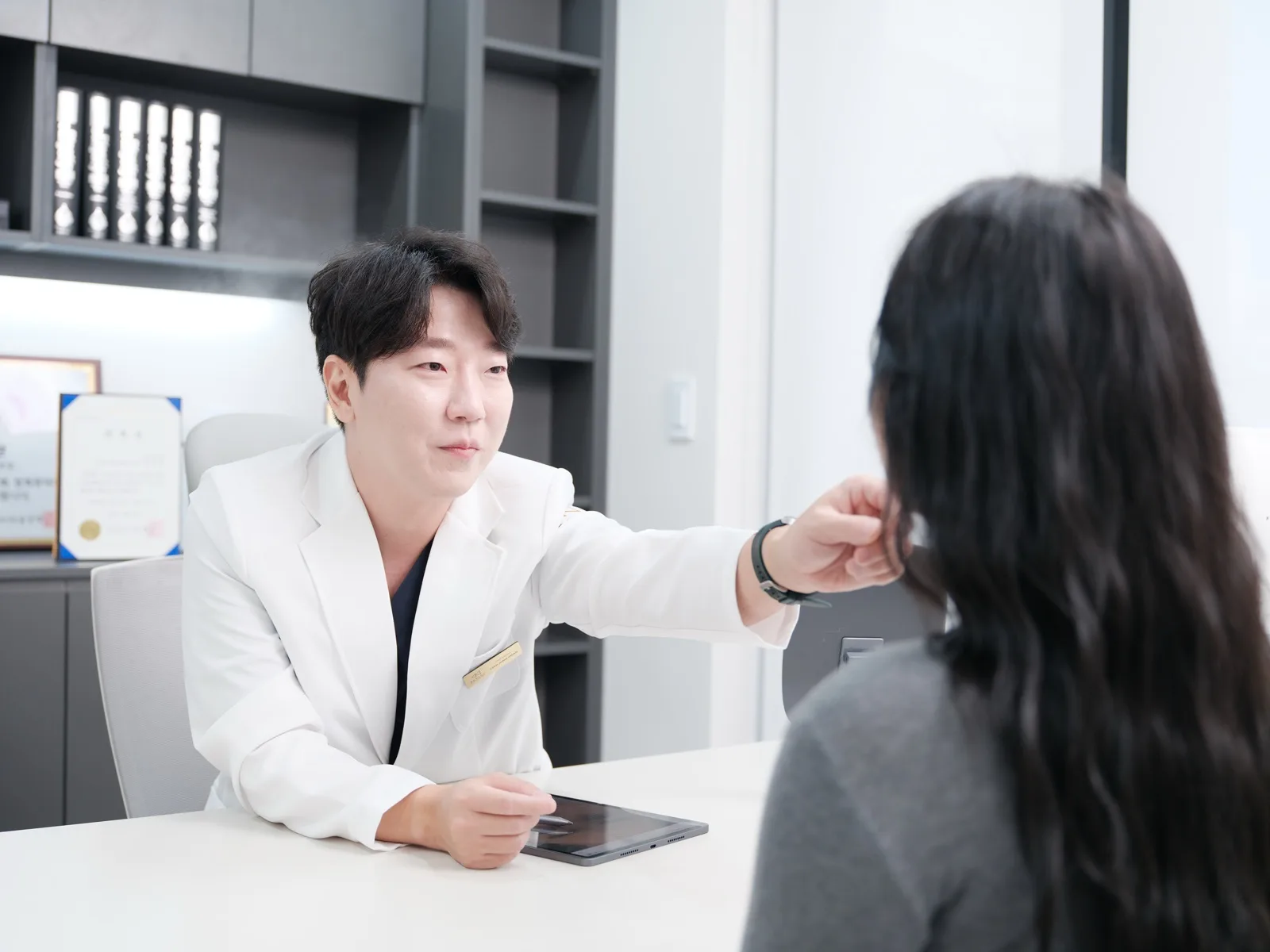
Fig. 05 · The room where a profile is first assessed
The clinic sits on floors four and five of the Richro Building, Apgujeong, in Gangnam, Seoul. The jaw line is assessed, operated on and reviewed there by the medical director himself. Appointments are offered Monday to Wednesday and on Friday, 10:00 to 19:00, and on Saturday, 10:00 to 16:00; the clinic does not open on Thursday or Sunday.
Board-certified plastic surgeon
Dr. Jonghwan Choi is certified in Korea as a specialist in plastic surgery, has written ten peer-reviewed papers and assesses every neck he operates on. Rewind treats patients from abroad under KHIDI registration M-2025-01-08-09288.
Fees
A jaw line plan draws on different lines of the fee schedule depending on where the softness sits. These are the listings a neck lift profile could fall under.
Every figure is a list price that already carries the anaesthetic fee, and VAT is added to the bill. The line your jaw line plan uses is named in writing after the examination, with any addition shown beside the finding that justifies it.
Suitability
Settling
Rewind publishes no timetable for how a neck lift result settles, and none is invented here. What can be said is why an early photograph of the jaw line misleads, and what keeps shaping the outline afterwards.
Named risks that can affect the jaw line itself include asymmetry between the sides, a contour irregularity under the chin, bands that persist or return, a thickened scar and weakness of the lower lip from injury to the facial nerve branch near the jaw. Bleeding, haematoma, infection and prolonged numbness are also discussed before a date is set. Results vary by individual and cannot be promised.
At Rewind a neck is assessed, operated on and reviewed by one board-certified plastic surgeon, so the profile you compare afterwards is judged by the person who read it first.
Rewind,
Rewind's Doctor
Dr. Jonghwan Choi Medical Director
The jaw line is read
before it is operated on.
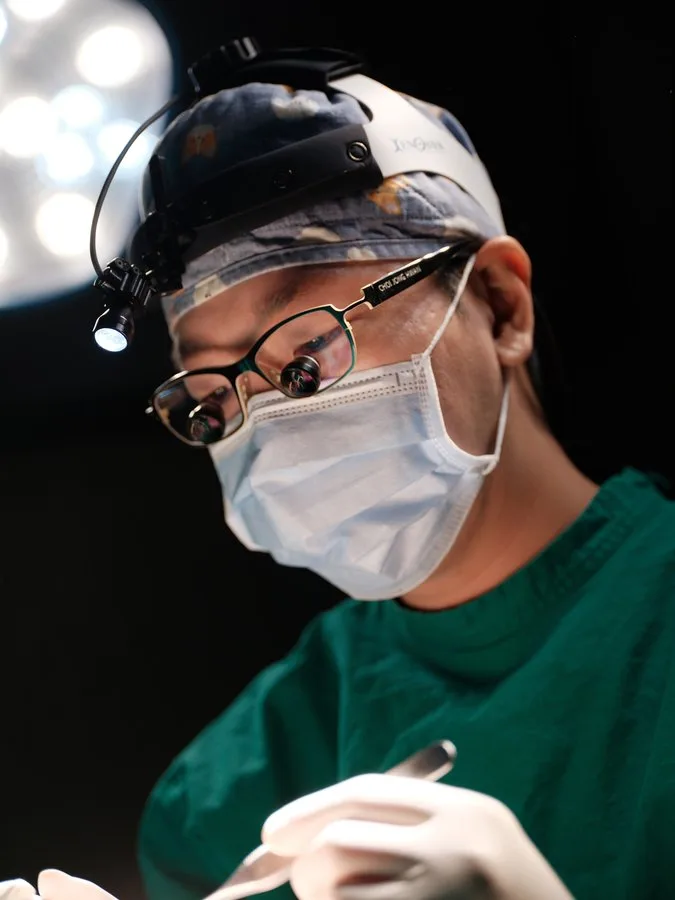
Dr. Jonghwan Choi, board-certified plastic surgeon and medical director, with ten peer-reviewed papers and a practice focused on facial lifting.
Google Reviews
"Sample review card — at launch this section pulls the clinic's real Google reviews automatically, shown verbatim with the reviewer's initial and posting date."
"Sample review card — reviews are never written or edited by the clinic; only what patients posted on Google appears here."
"Sample review card — a 'See all reviews on Google' link takes visitors to the clinic's Business Profile."
Questions
Reservation
Send a side view of your neck with the head level, and we reply within one business day, in your language.
Scientific evidence
The first paper explains how photographs in facial plastic surgery are standardised so that a pair can be compared fairly. The second describes the retaining ligaments that hold the soft tissue of the cheek, the region where jowls form above the jaw. The third is the original description of the superficial musculo-aponeurotic system, the fascial layer of the face that continues down into the platysma. None of them studies Rewind patients or predicts how your own jaw line will look.