Surgery · Method Comparison
Buried, partial-incision and full-incision creases, set side by side
Gangnam, Seoul | Board-certified plastic surgeon, Dr. Jonghwan Choi
KHIDI-registered for international patients · Apgujeong Rewind
Incisional or not
The short answer
The difference is whether the lid is opened. A non-incisional, or buried, crease is made without cutting the skin: at Rewind the fold is formed by inducing adhesion between skin and muscle along a drawn line and securing it at seven micro-anchor points with double fixation. An incisional crease opens the lid, either through a short opening of about five to seven millimetres (partial incision) or along the whole designed line (full incision), so that surplus fat and muscle tissue can come out before the fold is fixed. Opening the lid is what makes removal possible, and removal is what a thick or fatty eyelid needs before it will fold cleanly.
This comparison draws on Rewind's Korean surgical pages for its buried, partial-incision and full-incision methods and on the clinic's post-operative sheets. Those pages do not state the anaesthetic used, the time spent in theatre or a fixed day for suture removal, and so neither does this one.
Which technique suits thick eyelids? On Rewind's own candidacy lists, thick lid skin and a large volume of fat above the eye appear under the partial-incision and full-incision methods, and they do not appear under the buried one. That is the practical answer to the question most people bring: a buried stitch can hold a fold in a lid with little to take out, while a heavy lid usually has to be thinned before any fold can sit in it. The examination measures how heavy your lid really is.
Neither route is the upgrade of the other. The buried method spares the skin a wound and asks the patient to accept that a fold held by sutures alone can loosen after a hard rub or a knock. The incisional methods accept a healing line in exchange for removing tissue and fixing the fold more firmly. Which trade makes sense depends on the lid, and occasionally on how a patient's skin scars.
Before & After
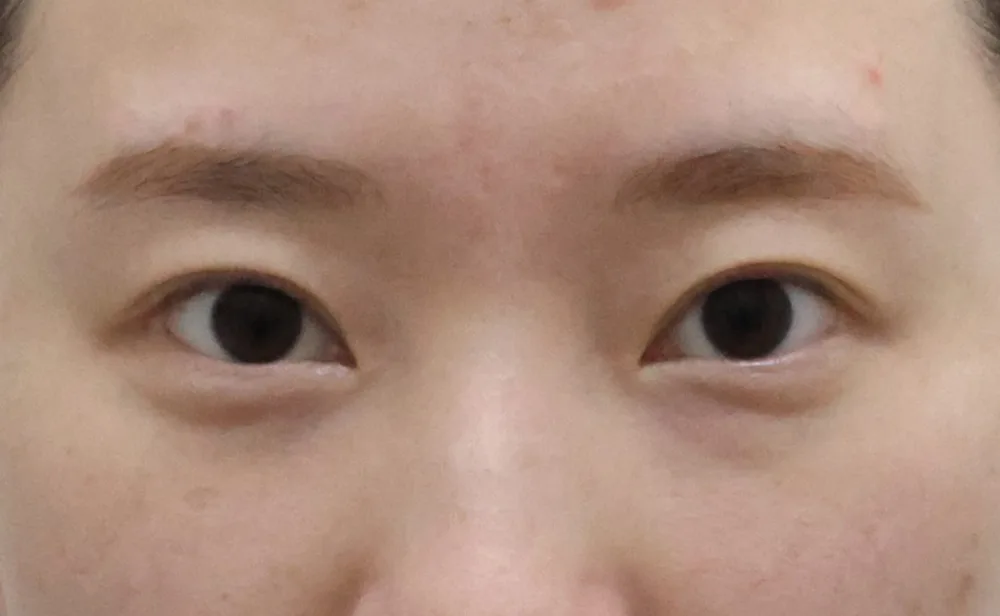
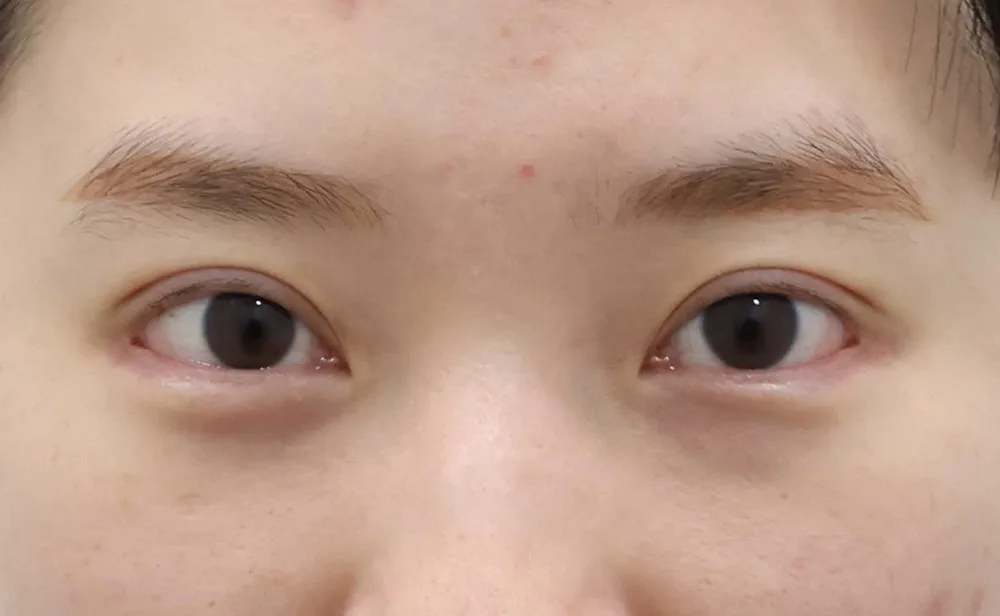
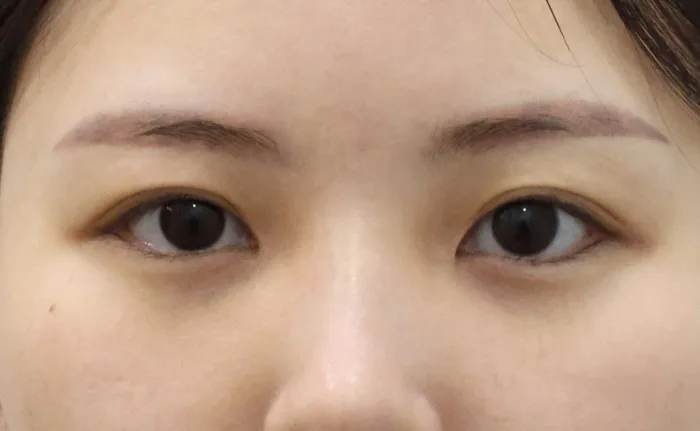
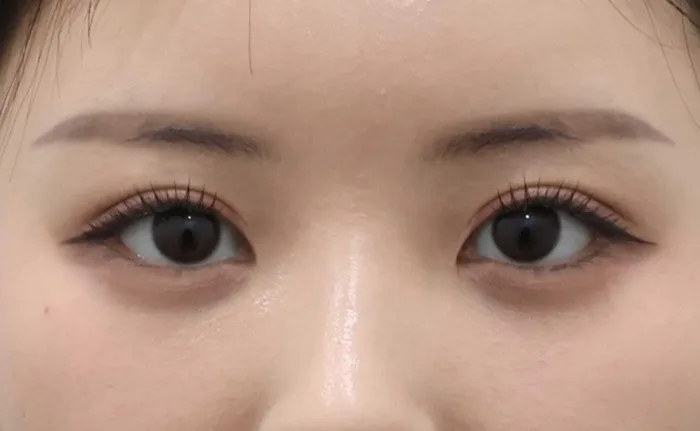
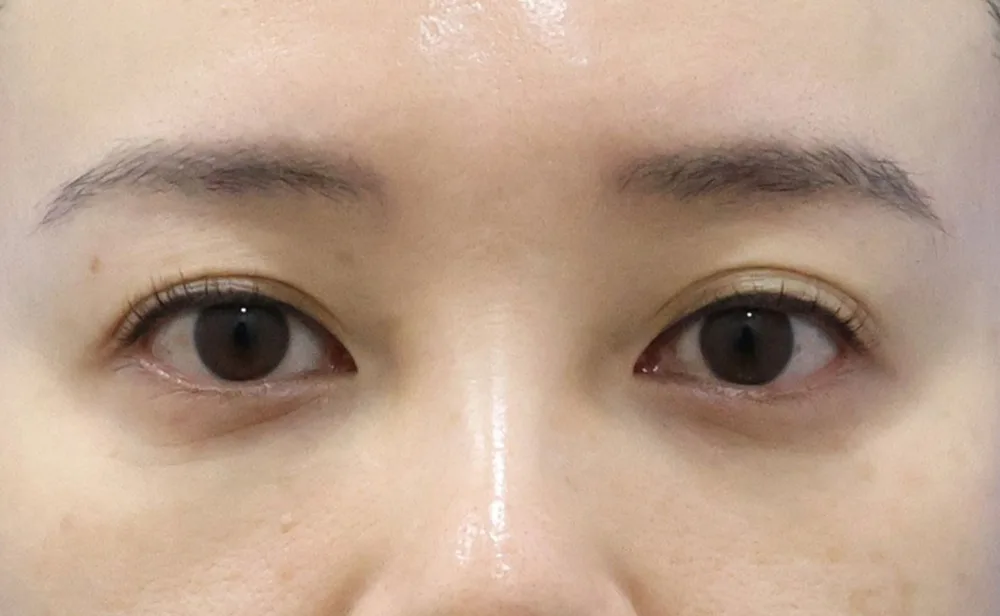
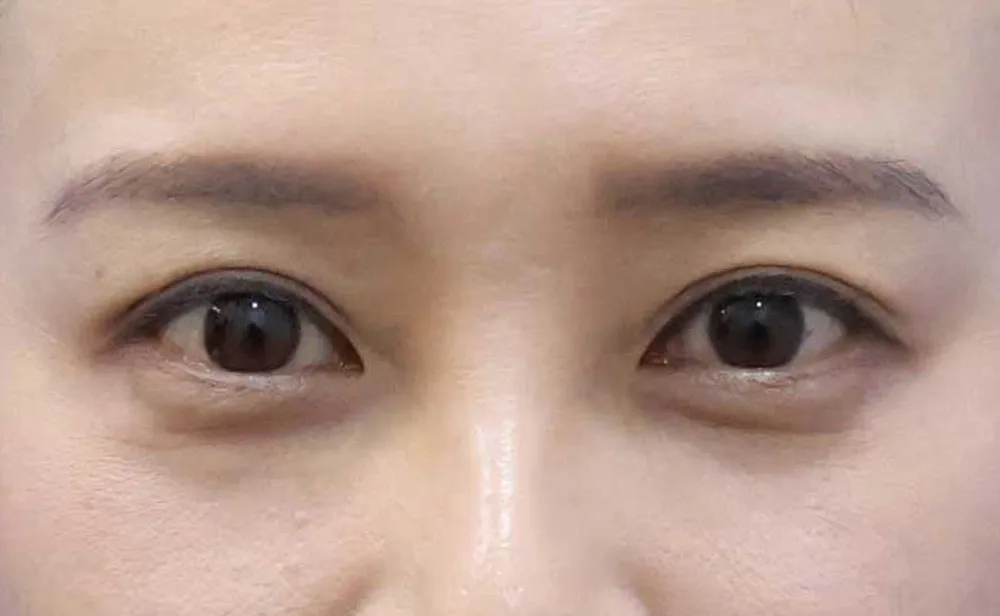
The first case below was treated with the full-incision method and nothing else. The other two kept the skin closed and used the buried method, each alongside a second procedure performed in the same sitting. Looking at them together shows what the comparison on this page is about in practice: how much the lid itself was reshaped, and how much of the change belongs to the fold.
BEFOREAFTER
BEFOREAFTER
BEFOREAFTERAll three are Rewind patients, photographed by the clinic and cropped to the eye region for this page. Where a second procedure was performed in the same session it is named, because part of the visible change belongs to it. A photograph cannot tell you which method your own lid can hold. Swelling, bruising, asymmetry between the two sides, altered sensation and, after an incisional method, a healing line are all possible.
Point by point
The three methods share the same design stage and the same four line designs: in-line, semi-outline, in-out-line and outline. They part company at the lid itself, on the four points below.
The same comparison sits inside a wider one. The parent page on double eyelid surgery sets out each method in full; where the lid opens narrowly because of the muscle, the plan adds ptosis correction; and where the weight on the eye is loose skin from ageing, the question becomes one of upper blepharoplasty.
How the method is chosen
A patient's preference is heard first and then tested against six findings. Most of the time the lid gives a clear answer by the third.
The skin between lashes and brow is assessed by hand. Thin skin folds easily around a buried stitch; thick skin resists folding and tends to bunch above a stitched line, and Rewind lists thick lid skin under both incisional methods.
A full upper lid carries fat that a buried crease cannot remove. When there is a lot of it, the partial-incision method takes it out through its short opening, and the full-incision method takes it out along the whole line.
The buried method is listed for eyes showing less than about 80% of the iris and for people who lift the brow to open the eye. A lid that droops heavily across the iris, or one weighed down by a weak opening muscle, appears on the full-incision list, and the muscle question is examined separately.
A buried fold that has loosened is named specifically under the partial-incision method. A second buried attempt on a lid that has already let one go is weighed carefully, because the reason it loosened is usually still there.
People who form raised scars ask whether an incision is safe for them. Rewind's answer is that an incisional crease can be performed, that the line tends to rise early on and that it softens as the months pass. The decision is made knowing that.
A tall fold on a thick, full lid is the classic source of the thick, sausage-like eyelid, which the clinic attributes to a line set too high or to over-correction for the skin and fat present. The design is lowered, or the method changed, until the two agree.

Why this matters here
Rewind lists buried, partial-incision and full-incision creases side by side on one rate list, all three performed by the same operating surgeon. That arrangement lets the recommendation follow the eyelid in front of him, whatever route the patient had in mind on arrival.
The surgeon who recommends a buried crease for one patient and a full incision for the next operates on both. The method recommended to you is chosen from all three, and the person recommending it performs whichever one it is.
Many visitors arrive set on a non-incisional crease because it sounds smaller. If the lid is thick and full, the consultation says so, explains what a buried fold on that lid is likely to do, and puts the incisional options on the table with their healing line described plainly.
Because the partial-incision method is listed for a buried crease that has come undone, a patient who chooses the buried route knows in advance what the next step would be. Follow-up is held by the same surgeon, and international patients are supported in their own language under KHIDI registration.
Where it happens

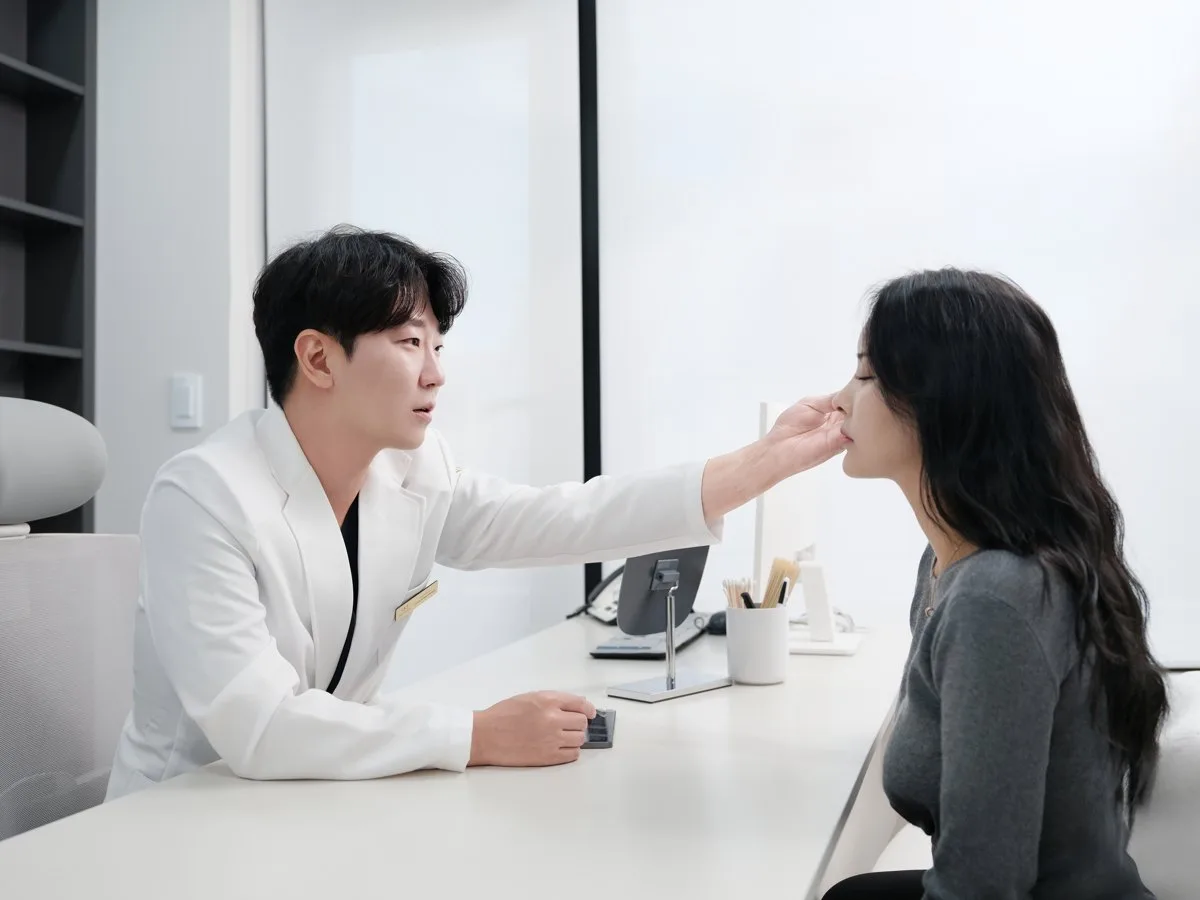
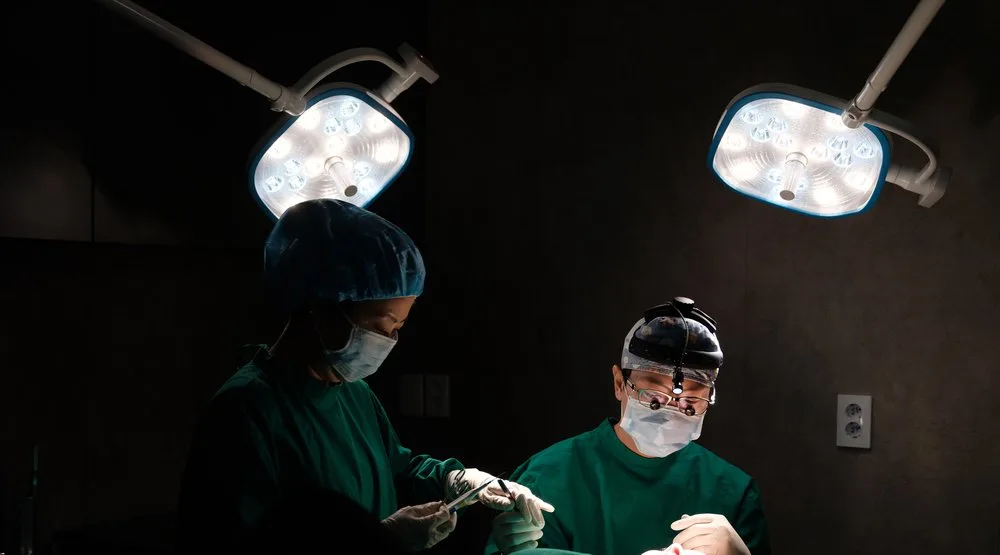
Fig. 04 — The same theatre serves the buried and the incisional routes

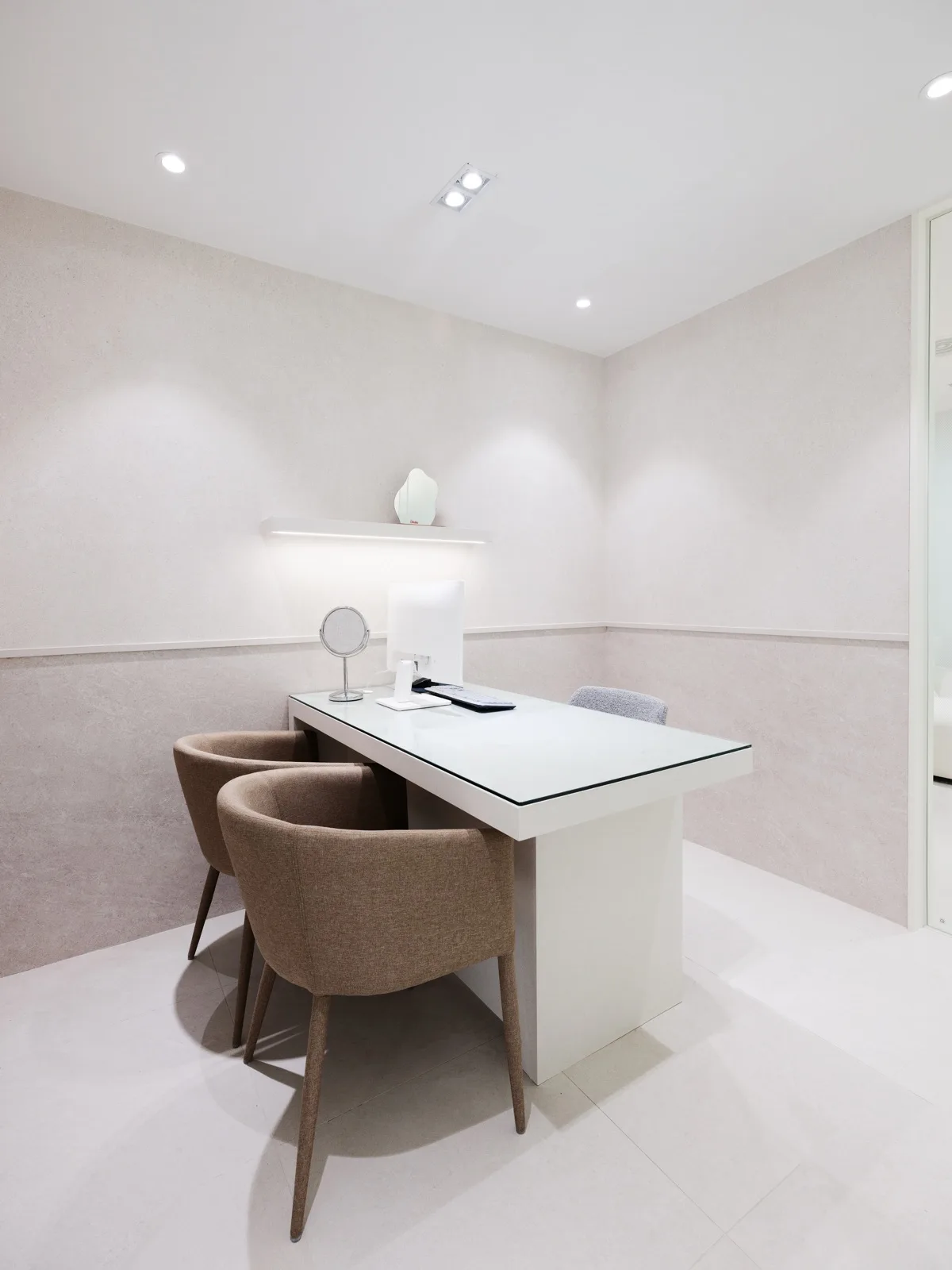
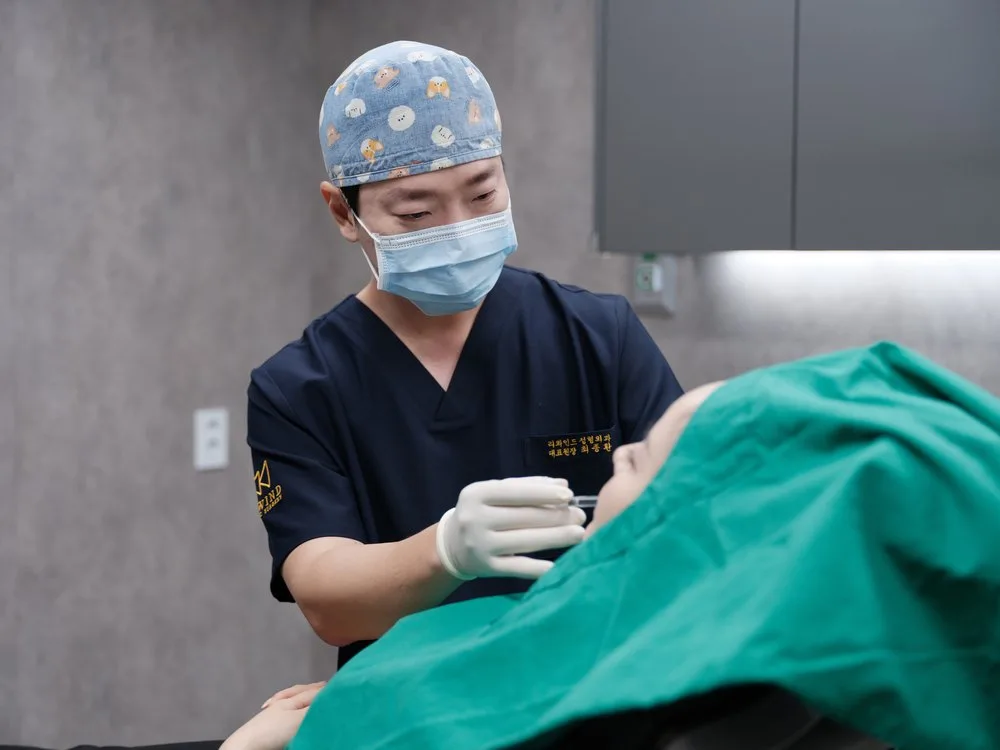
Fig. 05 — Draping and preparation for eyelid work
Rewind occupies the fourth and fifth floors of the Richro Building in Apgujeong, Gangnam, and every eyelid method on this page is performed in the clinic's own operating room. Surgical consultations run by appointment on Monday, Tuesday, Wednesday and Friday until 19:00 and on Saturday until 16:00. What differs between the methods is the work inside the lid, summarised below.
Board-certified plastic surgeon
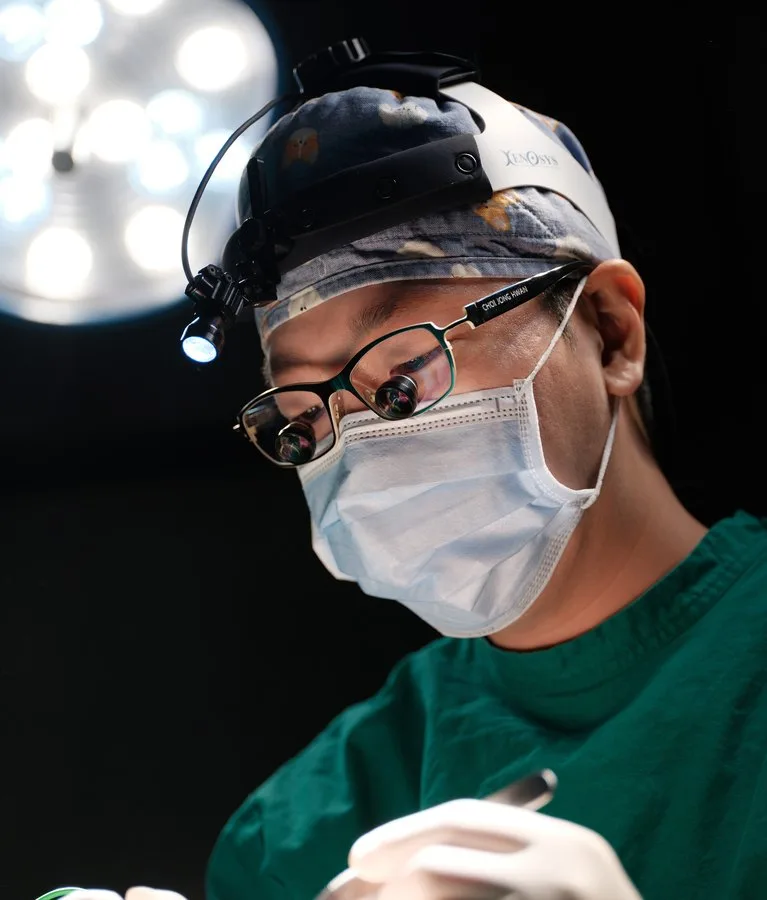
Dr. Jonghwan Choi holds Korean board certification in plastic surgery and belongs to the Korean Society for Aesthetic Plastic Surgery. International patients at Rewind are treated under KHIDI registration M-2025-01-08-09288, whichever crease method is chosen.
Method by method
The published rates rise in the same order as the work inside the lid. The comparison that matters for a budget is between the method your lid can hold and the one you hoped for, and the revision lines show what a mismatch can cost later.
Figures are Rewind's standard listed rates. VAT is charged on top of each one; the anaesthetic fee for the operation is already inside it. Which revision line applies is decided after the earlier surgery has been examined, and a plan combining the crease with any other operation is written out in full at consultation.
Which lid, which method
Recovery, compared
Recovery is where the two routes feel most different. Rewind's own records give a shorter visible recovery for the buried crease and a longer one, ending in a line that fades, for the incisional versions.
Each route carries its own risks. With the buried method the main one is a fold that loosens, most often after the eye is rubbed hard or struck. With either incisional method they are a visible line, a raised scar in people prone to one, and a fold that heals thicker or higher than planned. Common to all three are bleeding and haematoma, infection, prolonged swelling, asymmetry between the lids and altered sensation. A fold that changes shape early is a reason to be seen promptly.
At Rewind, one board-certified plastic surgeon carries every case — from the first consultation to the final follow-up. Because a face is a story, and a story deserves a single author.
Rewind,
Rewind's Doctor
Dr. Jonghwan Choi Medical Director
One surgeon, from the first
consultation to the last follow-up.
A board-certified plastic surgeon devoted to anti-aging lifting — with the precision and restraint built through years of craniofacial practice.
Google Reviews
"Sample review card — at launch this section pulls the clinic's real Google reviews automatically, shown verbatim with the reviewer's initial and posting date."
"Sample review card — reviews are never written or edited by the clinic; only what patients posted on Google appears here."
"Sample review card — a 'See all reviews on Google' link takes visitors to the clinic's Business Profile."
Questions
Reservation
Tell us what you are considering — we reply within one business day, in your language.
Scientific evidence
The four papers follow the comparison on this page: a Korean series on a buried, non-incisional crease; a systematic review and an earlier series on small and short incisional techniques; and a review of complications across Asian double eyelid surgery and how they are prevented and managed. They describe other surgeons' patients, not Rewind's, and none of them can say which method suits a particular eyelid.