Non-Surgical · Picosecond Laser
Ink broken up over a series, and what decides how many
Gangnam, Seoul | Board-certified plastic surgeon, Dr. Jonghwan Choi
KHIDI-registered for international patients · Apgujeong Rewind
Tattoo removal
The short answer
Tattoo ink sits in the dermis in particles too large for the body to carry away. A picosecond laser delivers energy in pulses short enough to shatter those particles mechanically instead of cooking the skin around them, and the fragments are then cleared by the immune system over the weeks that follow. Rewind runs this on its Pico K device, whose published figures the clinic gives as 300 picoseconds and 2.9 W, with the stated aim of keeping skin damage down while the body does the clearing.
Two things this page will not do. It will not put a session number on your tattoo, because the number depends on ink that nobody has looked at yet. And it will not promise clearance, because complete clearance is not something any laser or clinic can undertake in advance. What it will do is set out what decides the answer, and what the rates are.
The same device treats pigment problems, and the two uses get confused constantly at the booking stage. Melasma, freckling and sun damage are a different intent with a different endpoint, treated at low fluence across broad areas, and they are written up on the clinic's pico laser toning page. If what you want gone is something a tattooist put there, this is the right page.
Ink removal is slower and less predictable than most patients expect from the marketing that surrounds it. Published reviews of laser tattoo removal describe the same handful of variables deciding the course every time, and a scoring scale built from those variables is the standard tool for estimating how many visits a tattoo will take. The scale exists precisely because the truthful answer to the question is a range.
What the assessment looks at
The published scoring work on tattoo removal turns the estimate into arithmetic, and the inputs are the same ones your consultation will go through. None of them is a judgement about the tattoo. They are physical facts about ink, skin and where the two meet.
One case is set apart from all of these. Cosmetic tattooing on the brow or lip line can contain iron oxide or titanium-based pigments that darken on the first pass, and that reaction is not reversible by carrying on. Anything of that kind is test-spotted before a full pass, and you should say so at the consultation even if it was years ago.
Mechanism
Nothing is removed in the room. The laser only breaks the ink into pieces small enough to be carried off, and everything visible happens afterwards, so the interval between visits matters as much as the visit itself.
A pulse measured in picoseconds reaches the ink particle faster than heat can spread into the tissue holding it. The particle fractures under pressure. Comparative trials of picosecond and nanosecond devices on split tattoos have been run precisely to measure what that shorter pulse buys, and the difference is the reason this class of device replaced the older one for ink.
The clinic's device note lists Pico K with figures of 300 picoseconds and 2.9 W, described as strong energy applied with skin damage kept low so that the body can carry the fragments away naturally. The same unit is used for pigment work, acne scarring and pores. No other laser is presented here as a tattoo device.
Fragmented pigment is taken up by immune cells and drained through the lymphatics. That process runs for weeks after a pass, and fading continues long after you have left. Treating again before it has finished adds energy to skin that is still working and raises the risk of a mark without speeding anything up.
Removal is a course, and the course is read from photographs taken at the same distance each visit. Rewind publishes no fixed number of sessions and no fixed interval for it, and none is invented here. What the assessment does give you is a realistic range and the reasons behind it, before you pay for the first pass.

Judgement
Tattoo removal is sold in a lot of places as a commodity: fixed price, fixed count, book online. The reason it sits in a plastic surgery clinic instead is that the things which go wrong with it are skin injuries, and the person who should be setting the energy is the person who would have to manage a scar.
Colour, density, skin type, site and treatment history are read off the tattoo in front of you, and they produce a range. A clinic that quotes a session count before looking has either guessed or decided the number in advance. You are entitled to hear which variables in your own case are the awkward ones.
Clearance can be chased by raising fluence and shortening intervals, and skin pays for both. The choice made here is the slower one: settings that the skin tolerates, intervals long enough for the fragments to clear, and a willingness to say that a particular tattoo will take longer than the patient hoped.
Dr. Choi works on scars as part of a craniofacial and aesthetic practice, so raised, keloid-prone or previously injured skin over a tattoo is recognised at the assessment and not discovered after a pass. Where the skin makes laser removal a poor bet, that is said in the consultation.
On the day
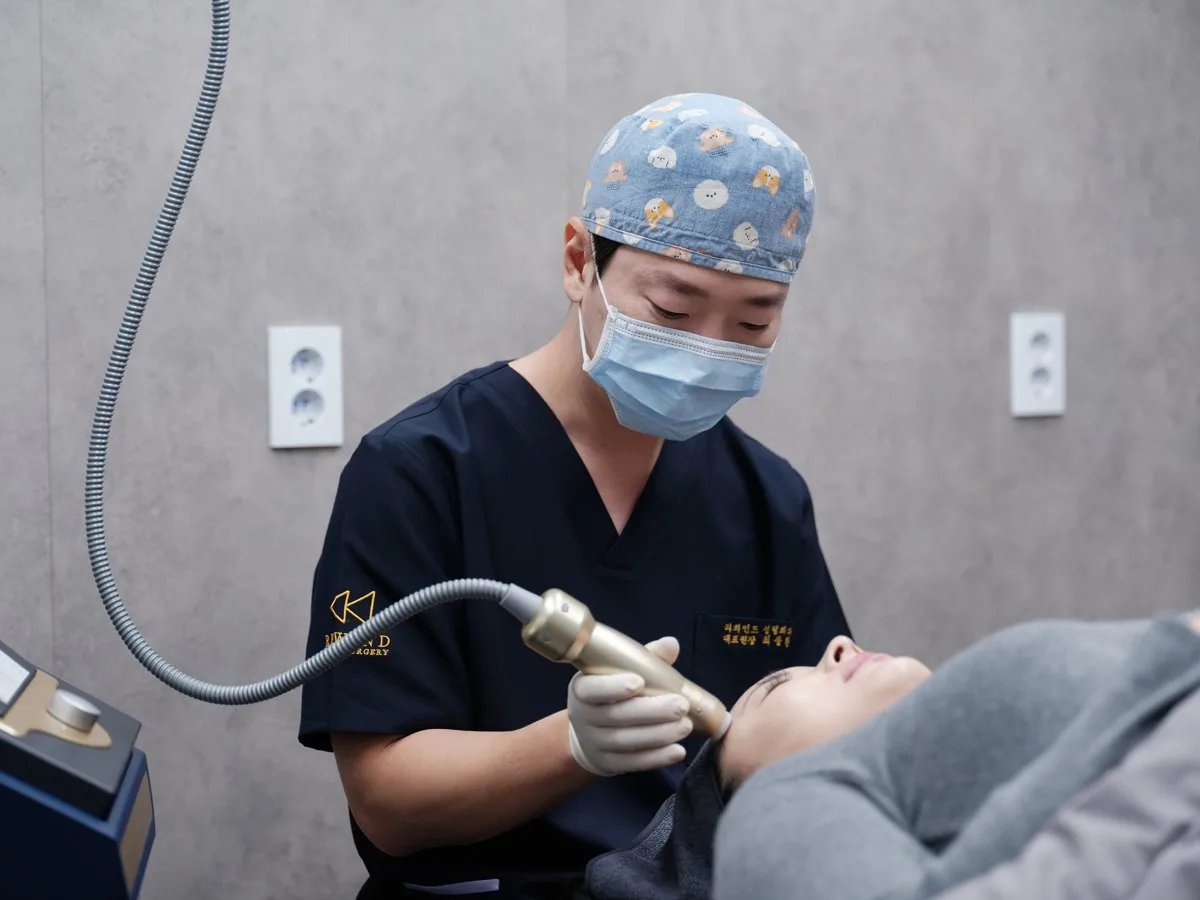
Fig. 04 — Treatment floor, Richro Building, Gangnam

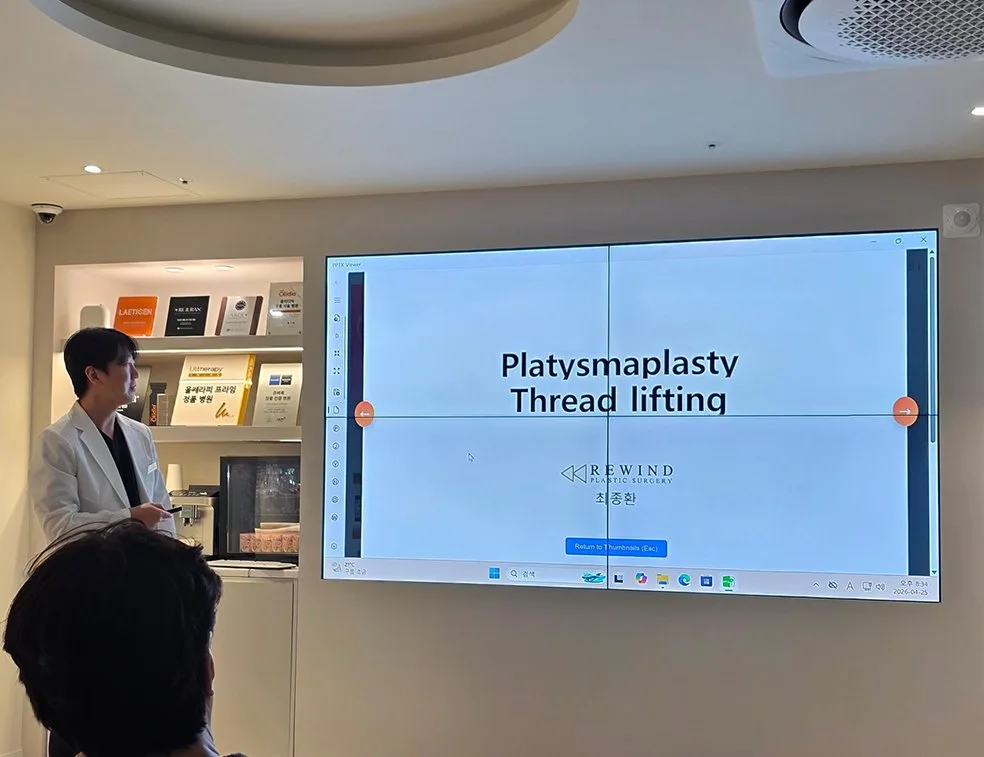
Fig. 05 — Where patients wait before and after a pass
The tattoo is examined, measured and photographed, and the quote follows the area it covers. Eye protection goes on before anything fires. A pass feels like repeated snapping against the skin and the area goes white for a short while afterwards, which is expected and settles. The work happens on the fourth and fifth floors of the Richro Building in Gangnam, Seoul, on a booked appointment, Monday, Tuesday, Wednesday and Friday from 10:00 to 19:00 and Saturday from 10:00 to 16:00.
Rewind's Korean material records no anaesthesia note and no appointment length for this treatment, so neither appears here. Ask both at the consultation and take the answer from the room. A figure copied off a competitor's page would read as confidence and function as a guess, and you would be the one holding it when the day came.
Case photography
The case pairs Rewind has released are surgical ones. No ink series has been photographed and consented yet, so the cards below carry nothing. Tattoo removal is the single easiest treatment in aesthetics to illustrate with someone else's work, since a stock pair of a fading black outline is indistinguishable from any clinic's own.
When this clinic does publish ink pairs, the card will carry the number of passes behind the second frame and the weeks since the last one, because a photograph without those two numbers tells a patient nothing useful. Both frames will be the same distance, the same light and the same body position, uncropped, with consent on file. No particular degree of clearance can be promised from anybody's photographs, and individual results may vary.
Pricing
Ink is quoted by how much skin it covers, and the clinic's rate matrix uses everyday objects as its bands in place of centimetres. The three size rows below are per pass. The fourth line is the session rate carried on the clinic's main price sheet, and which of the two applies to your piece is settled when it is measured.
VAT is excluded from all four figures, so your receipt will read higher than this page does. Because removal runs as a course, the number that actually matters is a rate multiplied by a count nobody can give you before seeing the ink, and a clinic offering a flat all-in package for an unseen tattoo is pricing a guess. Anything larger than the bands above is measured and quoted at consultation.
Suitability
Recovery
The aftercare here is the clinic's standard device instruction, and it is short. What makes ink work different from the rest of the device list is that the weeks of quiet afterwards are the part doing the job, so the instructions matter longer than the marks do.
The risks of laser ink removal are skin risks and they are worth knowing before the first pass. Blistering, crusting, swelling and pinpoint bleeding are common in the days afterwards. Loss of pigment in the treated skin, darkening of the surrounding skin, and textural or raised scarring are the outcomes that do not simply settle, and their likelihood rises with higher energy, shorter intervals and darker skin types. Paradoxical darkening of cosmetic pigments is a recognised reaction and the reason for test spots. Incomplete clearance is a real possibility for any tattoo and cannot be promised away; residual shadow or a colour that will not shift is something the consultation should raise with you, not something you should discover on the sixth visit.
At Rewind, one board-certified plastic surgeon carries every case — from the first consultation to the final follow-up. Because a face is a story, and a story deserves a single author.
Rewind,
Rewind's Doctor
Dr. Jonghwan Choi Medical Director
One surgeon, from the first
consultation to the last follow-up.
A board-certified plastic surgeon devoted to anti-aging lifting — with the precision and restraint built through years of craniofacial practice.
Google Reviews
"Sample review card — at launch this section pulls the clinic's real Google reviews automatically, shown verbatim with the reviewer's initial and posting date."
"Sample review card — reviews are never written or edited by the clinic; only what patients posted on Google appears here."
"Sample review card — a 'See all reviews on Google' link takes visitors to the clinic's Business Profile."
Questions
Reservation
Tell us what you are considering — we reply within one business day, in your language.
Scientific evidence
Five papers underpin what this page claims: how laser removal of ink works and what governs it, what a picosecond pulse changes against the older nanosecond devices when the two are compared on one tattoo, how fractional delivery has been combined with a full pass, and how a published scoring scale has been used to predict the number of visits a given tattoo needs. None of the work was carried out at Rewind Plastic Surgery or on patients treated here, none of it was funded by this clinic, and none of it forecasts what your own tattoo will do.