Surgery · Nose base healing
Where the line is put, and how it behaves
Gangnam, Seoul | Board-certified plastic surgeon, Dr. Jonghwan Choi
KHIDI-registered for international patients · Apgujeong Rewind
Alarplasty scar
The short answer
Cutting skin leaves a line, and the incisional method cuts skin. What Rewind controls is where that line lands. The clinic puts it in two positions: inside the nostril, on the floor, and along the natural fold the ala makes against the cheek. Its stated reason is that a line sitting in those places is hard to pick out, because one is out of sight and the other falls into an existing shadow. That is a real advantage and it is not invisibility. The non-incisional route avoids a closure altogether, since it works through a needle opening on the outer alar wall, though it is chosen for its findings and not for its marks.
Everything described here about incision placement comes from Rewind's Korean page for alar reduction. That page gives no suture-removal date, no swelling duration, no anaesthesia and no operating time, so this page carries none of those numbers either. What a line looks like after a year is individual, and no page can preview it for you.
The question behind the question is usually about trade. A wide base is visible to everyone who looks at you; a fine line in the alar crease is visible to you, in a mirror, at close range. For most people that exchange is worth making, and for some it is not. Skin that has thrown keloid or hypertrophic scars before turns the trade sharply the wrong way. That history is therefore asked about early, and it can end the conversation before a date is ever discussed.

Four positions
Three of them are deliberate and one is a complication. Knowing which is which makes a consultation easier to follow, and it separates a question about skin from a question about contour, the latter belonging with rhinoplasty and the structural work that surrounds it.
A nose already carrying an implant has a second scar conversation that has nothing to do with skin, since scar tissue forms around implanted material inside the nose. That belongs to revision rhinoplasty, where the problem is read and quoted on separate terms from a first operation at the base.
From closure to settled line
Five stages, of which only the first two are in the surgeon's hands on the day. The rest belongs to your skin and to what you do with your face for the following weeks.
The amount of alar tissue to remove and the path the closure will take are settled together at the examination, against the proportions the clinic publishes for base width. Skin thickness is recorded in the same sitting, because thick alar skin closes differently from thin skin and that affects both the plan and the expectation.
Rewind's second published step is the excision of leftover skin, followed by precise suturing that follows the line the ala makes against the cheek. Precision here is the whole game: a closure that wanders out of the fold sits on flat skin, where nothing conceals it.
A freshly closed alar base is swollen, and swelling changes how the crease sits. Judging a line in this window tells you little. The clinic publishes no duration for this phase in alar surgery, so the only reliable schedule is the one the surgeon gives you at your follow-up visit.
Published series on alar base reduction treat visible after-effects as the measure of a technique rather than an afterthought; one review follows three approaches across 35 years with that as its subject. Those papers describe other surgeons' patients. What they establish is that scar visibility is a legitimate question to ask a surgeon, and a reasonable one to be answered carefully.
This is a single-surgeon practice, so every review of a maturing alar closure is carried out by whoever placed it. A line that thickens, reddens beyond the usual, or pulls at the rim is a reason to come in early, and the response is decided in person.

Why placement
Creams, lasers and patches all arrive after the fact. The one decision that determines how visible an alar line will be was taken in the operating room, when somebody chose where to put it. That is the part worth interrogating at a consultation, and the part that cannot be repeated later.
Inside the nostril and inside the alar fold are the two stated positions, chosen because a line there is hard to make out. Naming them in advance is also what allows you to check afterwards whether the closure went where it was supposed to go.
Where the findings suit it, the non-incisional route narrows the base through a needle opening and leaves no excision behind. A practice holding only one method would have to cut every base it treats. Rewind prices the two separately and selects between them on what the examination shows.
A keloid or hypertrophic history changes the arithmetic of trading width for a line, and the answer at this desk can be no. Overseas enquiries are handled in the enquirer's own language from the outset, the clinic holding KHIDI registration for foreign patients, so that conversation happens before anybody buys a flight.
Where the closure is made

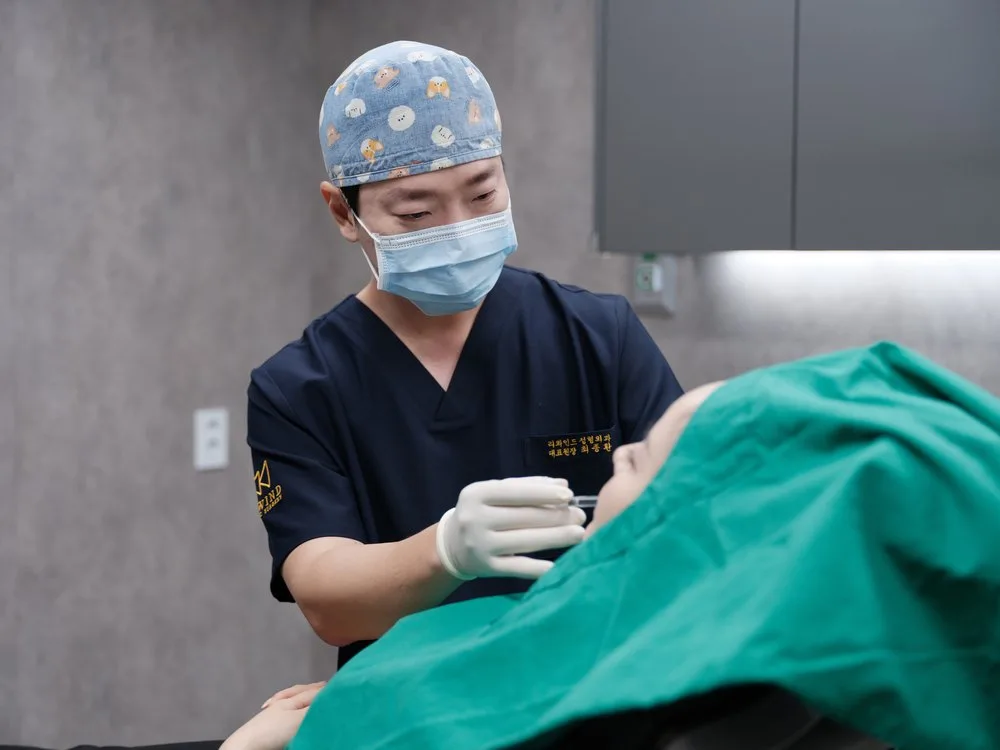
Fig. 04 — Preparation, in the clinic's own procedure room

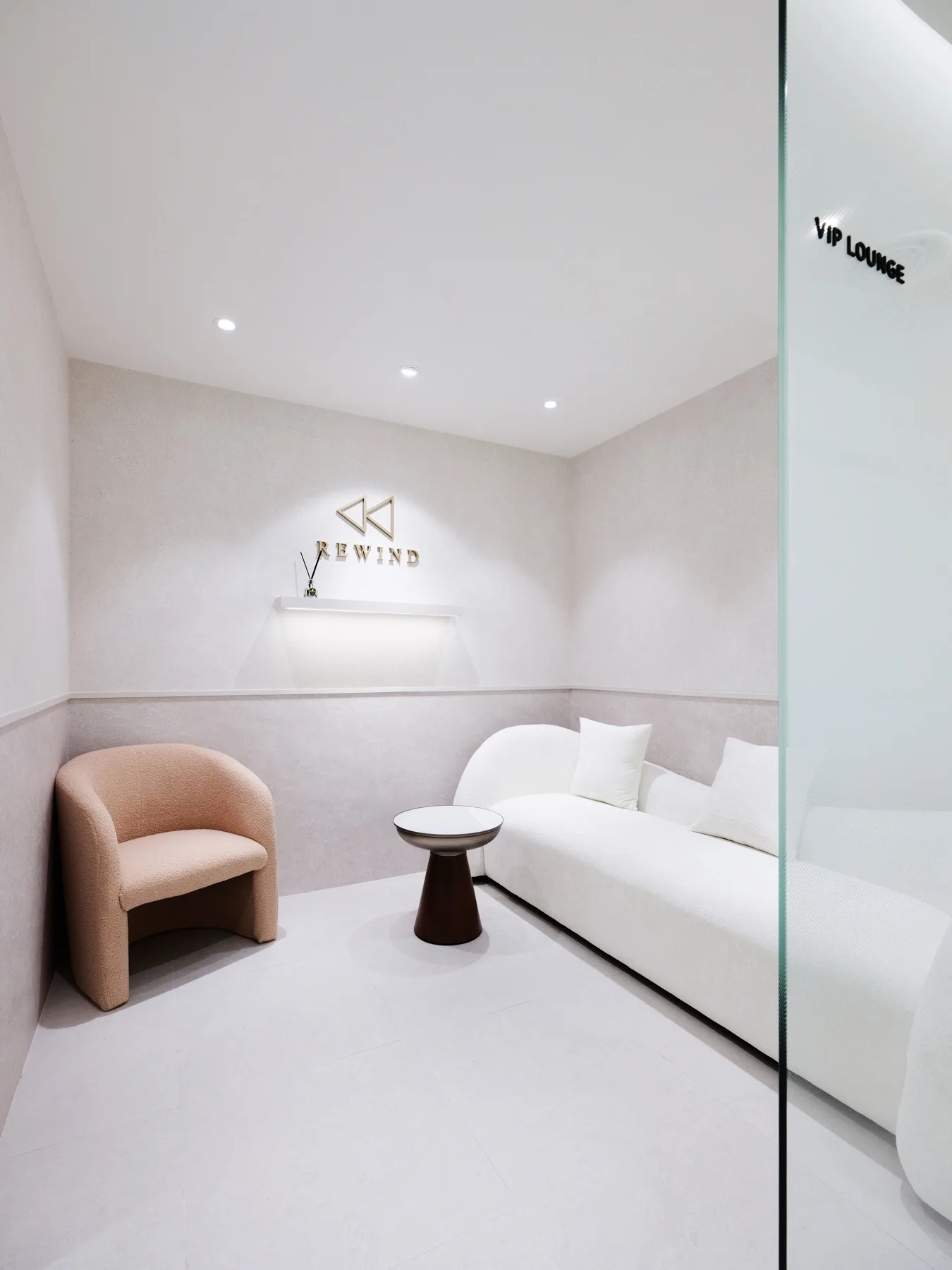
Fig. 05 — The floor where follow-up visits are taken
The clinic sits on two floors of the Richro Building in Apgujeong and works by appointment, opening for consultations at 10:00 and closing at 19:00 on Monday, Tuesday, Wednesday and Friday, with a shorter Saturday that ends at 16:00. Because one surgeon carries every case, the hand that closes an alar base is the hand that reviews the line it left.
Board-certified plastic surgeon
The closure at your nose base is placed by a surgeon certified by the Korean board in plastic surgery, and reviewed afterwards by the same person. Patients from abroad are treated under KHIDI registration M-2025-01-08-09288.
The two routes
Since one route leaves a closure and the other does not, the two published figures belong on a page about marks. They are list prices for a first operation at the base.
VAT is added to both figures and the anaesthetic fee is already inside them. Neither figure is a scar policy: the route is chosen on alar skin thickness, on how much width has to leave and on whether the nostril opening needs resizing, and the marks follow from that choice. A base carrying earlier surgery leaves this list altogether for the revision rates, which run higher, and revising a line that healed badly is assessed on those same terms.
Skin and scarring
Aftercare
Rewind's published instructions for this operation are short and every one of them is really about leaving the closure undisturbed. Read in that light they stop sounding arbitrary.
Alar surgery carries risks worth stating plainly next to a page about marks: infection, bleeding into the tissues, swelling that lingers, alae that settle unevenly, reduced feeling in the nostril skin, a closure that stays legible in the crease, and a notched rim. A poor line can lead to further surgery, and that is quoted from the revision rates. Outcomes differ between individuals and cannot be promised. Tell the surgeon about every previous nose operation, every scar you have had trouble with and every daily medicine before a date is agreed.
A scar is the one part of an operation that keeps reporting on the surgeon for years afterwards. In this clinic the person who placed it is also the person who sits opposite you at every review, which tends to concentrate the mind at the moment the line is drawn.
Rewind,
Rewind's Doctor
Dr. Jonghwan Choi Medical Director
Where you put the line is
the decision you only get once.
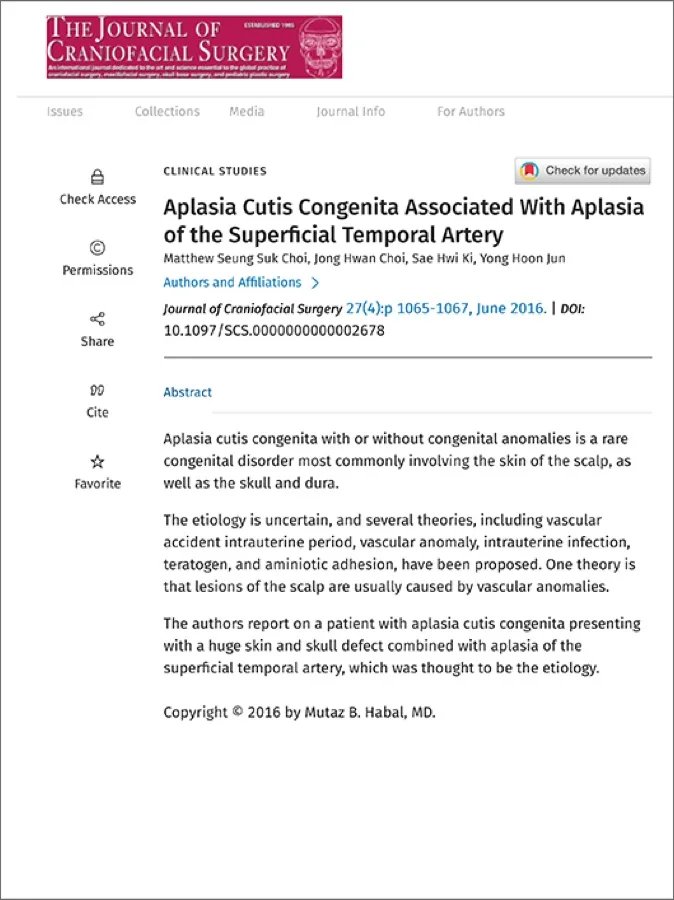
A board-certified plastic surgeon in plastic surgery, with ten peer-reviewed papers indexed under his name and published work in craniofacial and nasal reconstruction.
Google Reviews
"There are just way too many cosmetic clinics in Korea and I'm so happy I found Rewind Clinic in Gangnam. Dr. Choi was so kind and patient while explaining the different face-lifting options, from threads to mini-lifts to deep-plane lifts. I've had procedures in Taiwan and the US and now m…"
"Really nice environment. Doctor is easy to communicate and understands my visions. Waited two weeks to make a review and I confirm the results exceeded my expectations and I am super happy with it. Can't wait to come back!! :))"
"I found Rewind clinic through a Korean chat forum and many local clients highly recommended it. The clinic is brand new, featuring large, clean rooms and many private waiting areas so it doesn't give off that "factory" clinic vibe. All the staff, including the receptionists, nurses, a…"
"You know how you get self-conscious about your facial contours before going on vacation? I was wondering what I could do to see quick results, and a friend recommended Apgujeong Rewind Plastic Surgery. All the staff were friendly, and the facilities were incredibly pleasant—it felt like a hotel! Val…"
"I went for a consultation for lip fillers and am leaving this review because I am so satisfied with the results. I told them about the lip line I had always wanted, and they carefully examined my face shape and features to naturally recreate a shape that suited me well. The director definitely has …"
Questions
Reservation
Tell us how your skin has healed in the past and we reply within one business day, in your language.
Scientific evidence
The first paper takes visible after-effects as its explicit subject across three base reduction techniques followed over three and a half decades, and the second is a technique review of the same operation. The third is here for a different reason: it examines the scar capsule that forms around silicone placed inside a nose, which is the second, internal sense in which a nose can scar and the reason an implanted nose is assessed as revision work. None of the three studies this clinic, and none forecasts how one person's skin will behave.