Non-Surgical · Sessions
Why a course takes months, and how to plan it around trips to Seoul
Gangnam, Seoul | Board-certified plastic surgeon, Dr. Jonghwan Choi
KHIDI-registered for international patients · Apgujeong Rewind
Sessions
The short answer
No single number fits everyone, and Rewind publishes none for its hair removal menu: your count is confirmed at consultation. What the clinic does publish is the unit it plans in, a course of five sessions per field. Published trials used courses of three to eight sessions, spaced roughly four to six weeks apart, and even after a full course they report a reduction in hair count. None of them describes hair that stops growing altogether.
Session counts and intervals quoted here come from the protocols of the studies cited below. They describe research settings; your own plan is set by the doctor after examining the field.
The reason for a course is the hair cycle. At any moment, part of the hair in a field is growing, part is regressing and part is resting. The laser damages follicles that are actively growing, so each visit reaches one share of the field and leaves the rest for later. Spacing the visits lets a new share enter the growth phase before the next session.
Body site matters a great deal. A 2022 systematic review of long-term hair reduction found that growth cycles differ, around six months on the face, seven in the underarm and a year on the leg, and that long-term reduction was greatest on leg hair and smallest on facial hair. A beard line and a calf can need quite different plans.
What sets the count
The doctor weighs four factors when estimating a course for your field. None of them can be judged reliably from a photograph sent before the trip.
The course of five on the sheet is a planning unit and a price. Five visits may be enough for some fields and some patients, and more may be needed for others; that is confirmed at consultation and reviewed as the course goes on.
Spacing
Spacing is where many courses go wrong. Visits placed too close together meet the same growing follicles twice, and visits placed far apart simply stretch the course out.
A 2004 study of a 1064 nm laser across all skin types gave three treatments at four- to six-week intervals. A 2012 randomised trial in darker skin used five sessions at four- to six-week intervals, and a 2022 comparison of 755 nm and 1064 nm lasers used five sessions a month apart.
The face cycles faster than the leg, so the interval set for an upper lip may differ from the one set for a thigh. Your own spacing is decided at the clinic for each field.
Trials judge results well after a course ends. In the 2004 study, hair counts six months after three treatments were 41 to 46 percent lower on the face and 48 to 53 percent lower on the body. In the 2012 trial, the Nd:YAG side showed a 79.4 percent fall in hair count six months after the final session.
Long-term reduction in the 2022 review ranged widely between devices and sites, from about 30 percent to about 84 percent. In the 2022 comparison, treated hair also became thinner. Occasional maintenance visits are how regrowth is usually handled.

Planning
Most international patients cannot come to Gangnam every four to six weeks. The plan has to fit the travel as well as the hair.
The doctor looks at the field, the hair and the skin, and says how many visits are realistic before you buy one visit or five. If the hair is too fair to respond, that is said at the start.
Each stay in Seoul can hold one session per field, because a second session a few days later would reach the same follicles again. Across two trips that makes two sessions, so whether a course of five bought in Seoul suits you depends on how often you expect to return.
Whether unused sessions in a course of five can be carried over to a later trip is a question to settle before paying. The answer depends on the terms that apply when you buy.
Each visit

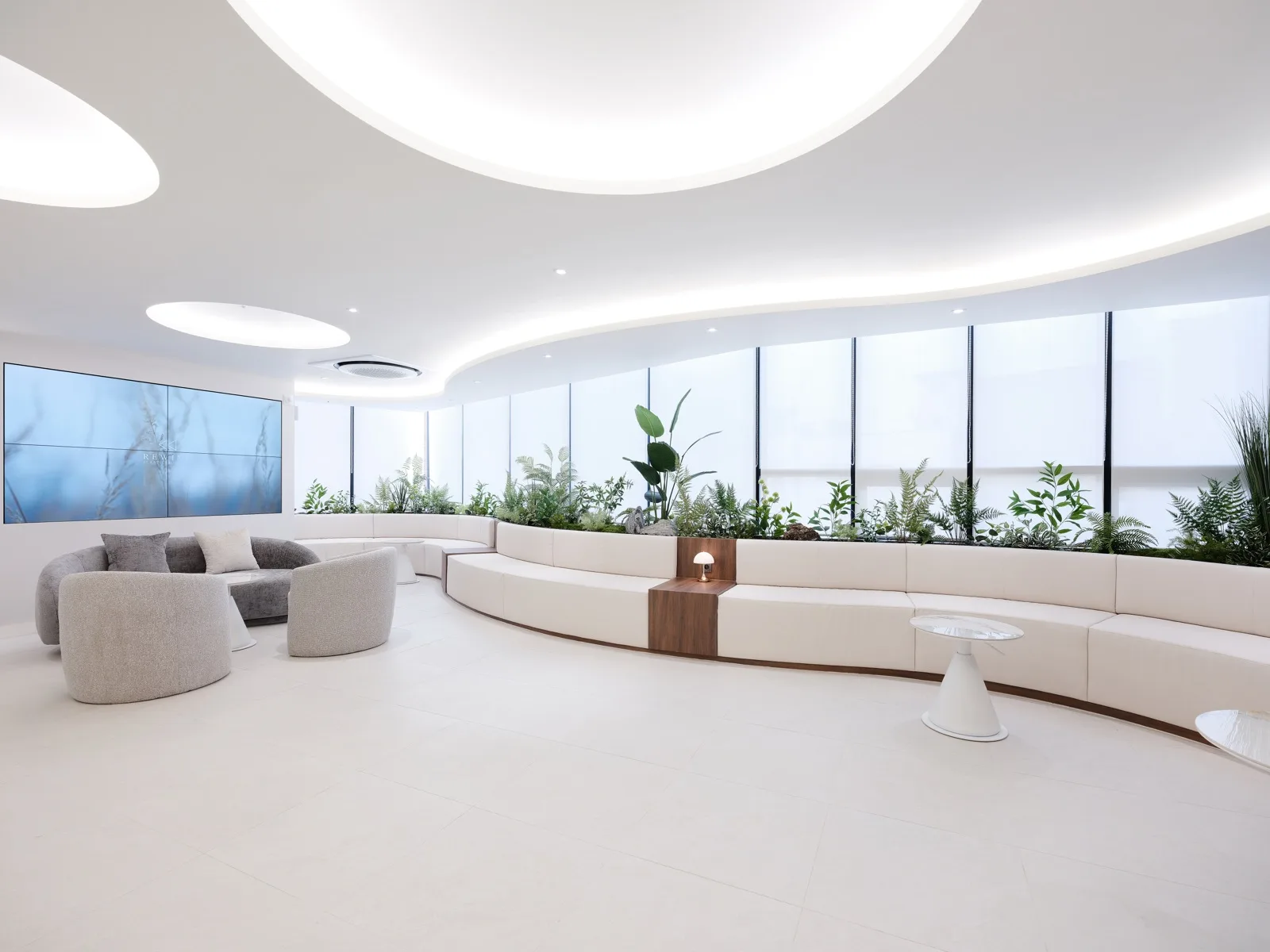
Fig. 04 — The lounge on the clinic floor

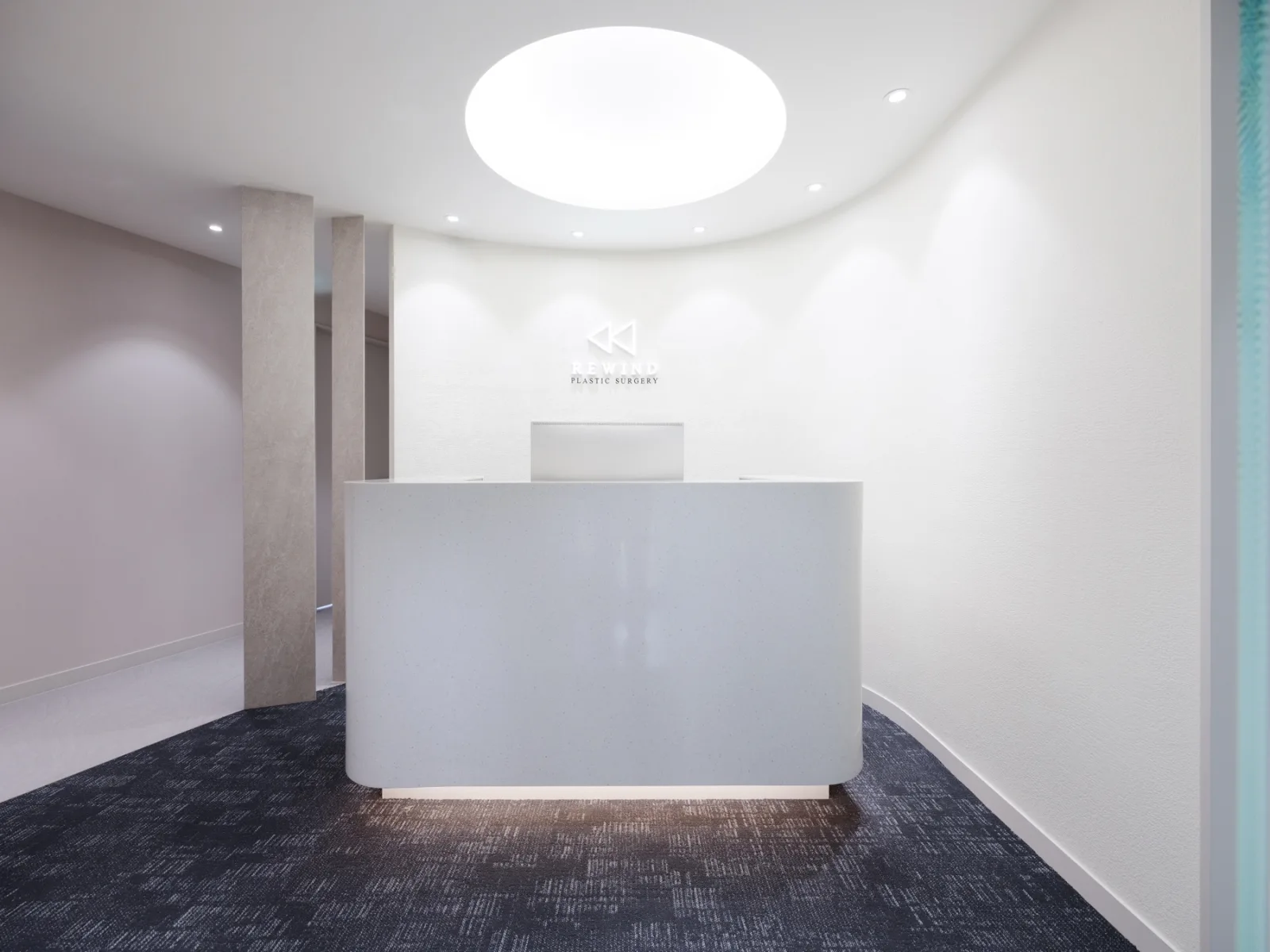
Fig. 05 — The front desk, where the next session is booked
The first visit includes the consultation that sets the plan. Later visits start with a look at how the field responded last time: how much hair has returned, whether the skin reacted, and whether you have tanned or waxed since. Settings are adjusted from there, eyewear goes on for everyone in the room, and the field is treated. Sessions take place on the fourth and fifth floors of the Richro Building in Gangnam, Seoul, by appointment; the clinic is open Monday, Tuesday, Wednesday and Friday 10:00 to 19:00, and Saturday 10:00 to 16:00.
Bring notes if you have had laser hair removal with a previous provider: which area, roughly how many sessions, and when the last one took place. Earlier treatment changes where a new course starts, and the doctor can only work from what you share.
Pricing
Because the sheet sells every field in two units, the session question and the price question are linked. The rows below show both units for three fields.
All rates are before VAT. For the underarm and calf in the women's column, the course of five costs the same as four single visits; for the men's upper lip, the course is set slightly above four visits. A course only saves money if all five sessions are used.
Shorter or longer
Aftercare
After each session, Rewind's laser instructions apply: some redness right afterwards is possible, sauna, jjimjilbang and sweaty exercise are put off, massage and strong friction are kept away from the field, and sunscreen is worn outside. Between sessions, a few further habits keep the course on track.
Each session carries the same risks as the first: redness and swelling, occasional folliculitis, blistering or superficial burns (more likely on tanned skin), and temporary darkening or lightening of the skin. The 2004 study reported mild to moderate pain, short-term redness and rare temporary pigment change without scarring. Paradoxical growth of finer hair near a treated area is uncommon. Report blistering or increasing pain promptly.
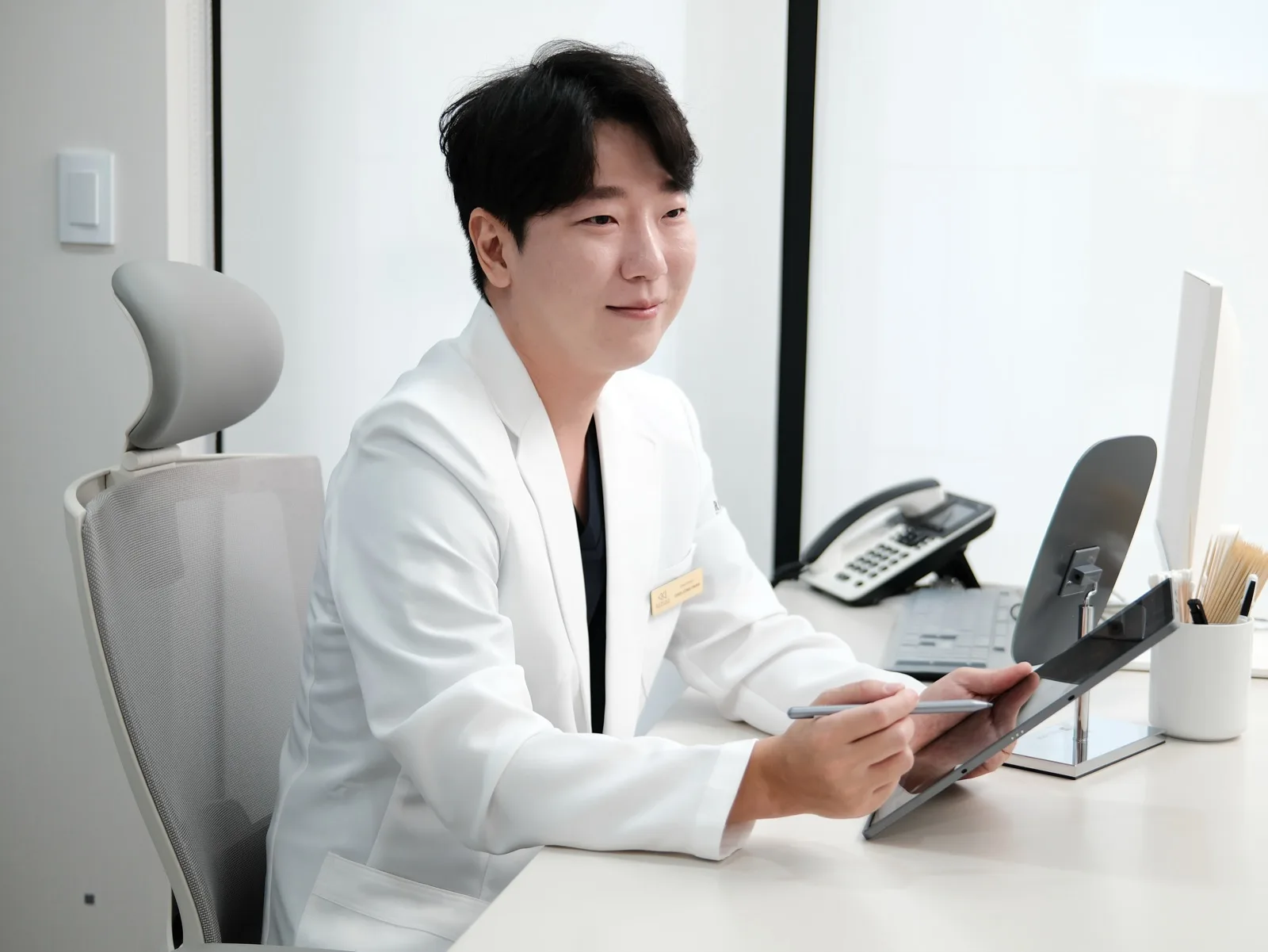
At Rewind, one board-certified plastic surgeon carries every case — from the first consultation to the final follow-up. Because a face is a story, and a story deserves a single author.
Rewind,
Rewind's Doctor
Dr. Jonghwan Choi Medical Director
One surgeon, from the first
consultation to the last follow-up.
A board-certified plastic surgeon devoted to anti-aging lifting — with the precision and restraint built through years of craniofacial practice.
Google Reviews
"Sample review card — at launch this section pulls the clinic's real Google reviews automatically, shown verbatim with the reviewer's initial and posting date."
"Sample review card — reviews are never written or edited by the clinic; only what patients posted on Google appears here."
"Sample review card — a 'See all reviews on Google' link takes visitors to the clinic's Business Profile."
Questions
Reservation
Tell us which areas you want treated and how often you expect to be in Seoul, and we will reply with a realistic way to plan the sessions.
Scientific evidence
The session numbers and intervals on this page are taken from these five papers: four clinical studies whose protocols ran from three to eight sessions, and one systematic review of long-term reduction by body site. They were chosen because they report how courses were structured, and each was run by an independent research group. None involved Rewind Plastic Surgery, and none predicts the number of sessions a particular patient will need.