★★★★★
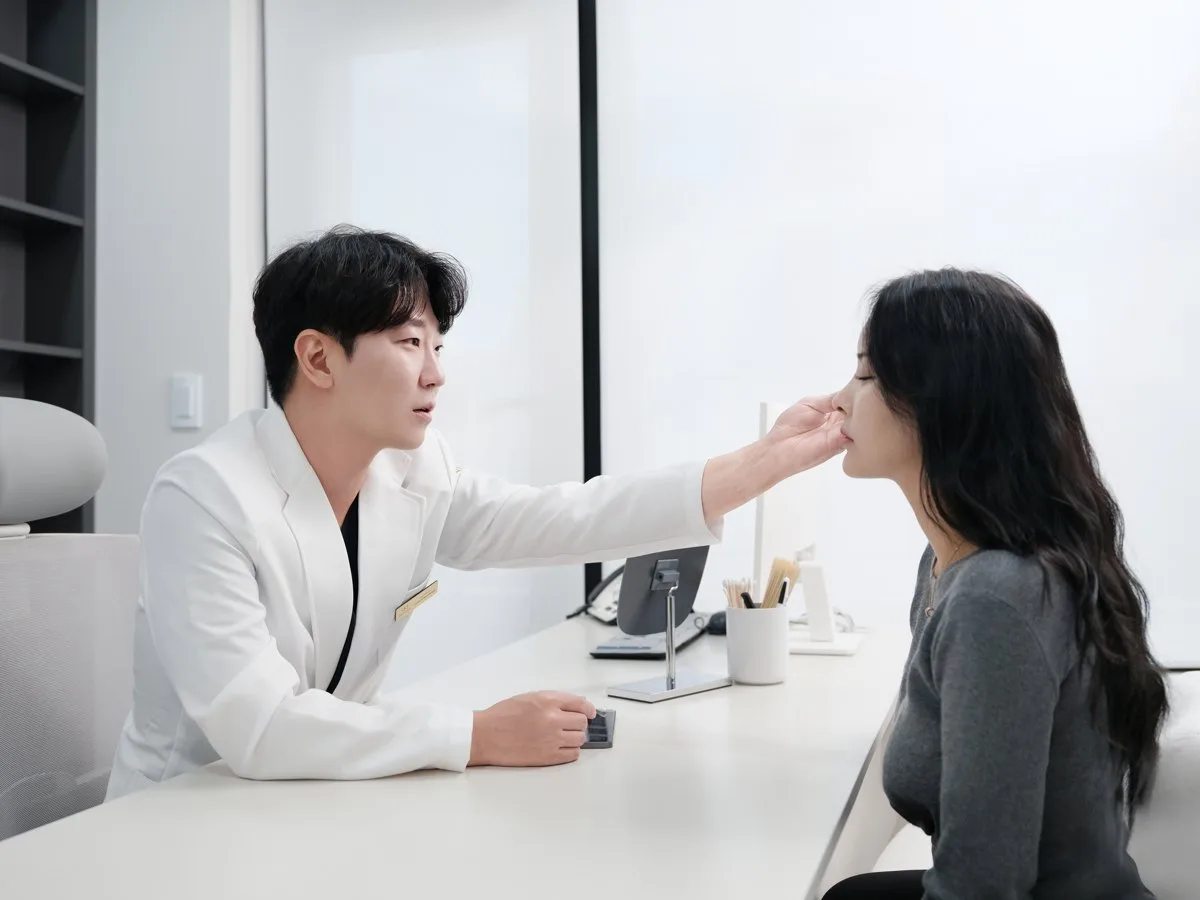
Came to REWIND to get my facial treatment and i'm absolutely obsessed about it💞 the doctor is so kind and is an expert! Everyone must visit!
 YunHee Hong2 weeks ago
Surgery · Combined Operation
Under-eye bags and a descended cheek, treated in one operation
Apgujeong, Gangnam, Seoul | Board-certified plastic surgeon, Dr. Jonghwan Choi
Two fats moved in one session · Endotine fixation
Combined operation
The direct answer
Yes. Rewind Plastic Surgery in Apgujeong, Seoul lists the apple-cheek midface lift combined with under-eye fat repositioning as one operation with its own fee. The two parts move different tissue. Fat repositioning takes the under-eye fat that bulges forward and carries it into the hollow of the tear trough. The midface lift raises the cheek tissue below, fascial layer included, fixes the fat that has descended to the periosteum, and holds the lift with an absorbable Endotine device. Done together, they deal with a bulge and a descent in a single session. Whether your face needs both is decided at the examination.
Sources: Rewind's Korean surgical pages for the apple-cheek midface lift and for septum-reinforced under-eye fat repositioning, and the clinic's fee sheet, which lists the combined operation as a single item.
Does combining them fix both eye bags and flat cheeks at once? It treats both findings in the same operation, which is the reason to combine them at all. What a lift cannot do is add volume that a cheek never had, and the degree of change differs from one face to the next. Rewind records the midface lift as lasting more than five years, with variation between individuals.
This page is about the pairing: what each half moves, how the two sequences fit into one operation, which listing applies, and how the recovery instructions stack. Each operation on its own is covered on its main page.
Patient photographs
Rewind has released one midface case for publication, and it is a combination. In it the midface was raised by thread anchoring and the under-eye fat was repositioned surgically in the same session. The transconjunctival Endotine operation described on this page has not yet been photographed for release, so its frames are marked as pending.
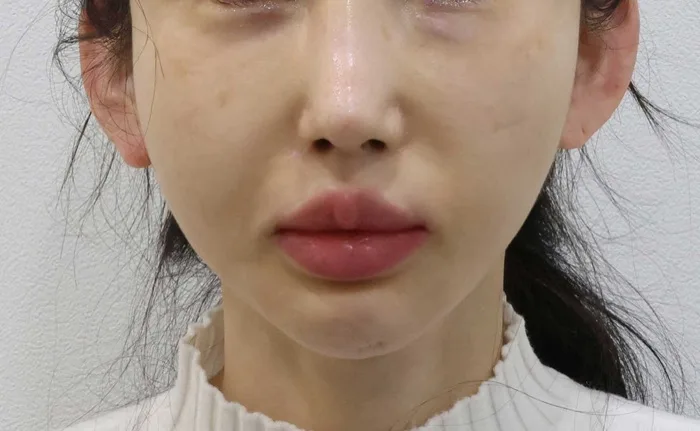
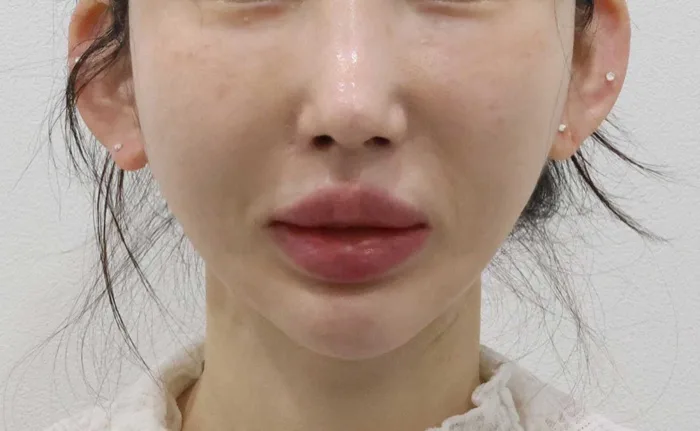 BEFOREAFTER
The released frames show Rewind Plastic Surgery's own patient and are unretouched. Individual results may vary. Bruising, swelling, asymmetry, altered sensation, a change in lower-lid position and scarring can follow a combined lower-lid and midface operation. Any decision follows a face-to-face assessment by the surgeon.
Two fats, two directions
The under-eye and the cheek below it are neighbours, but the fat in each changes differently with age. Rewind's two surgical pages describe four findings, and the combined operation exists because they so often turn up on the same face.
In one session
Rewind publishes each operation as its own three steps. In a combined case both sequences are completed within one operation. The order below follows the two pages, and the exact plan for your lids is set at the examination.
Before surgery the problem under each eye is analysed, and a one-to-one design is drawn for the midface. Together they decide how much fat moves and how far the cheek has to travel.
The ligament adhesion at the tear trough is freed, and the under-eye fat is carried down into the hollow it used to overhang.
Through a small incision below the eye, on the inner lining of the lid or through the lid skin, the midface tissue is drawn upward together with the fascial layer.
The fat that slid down the cheek is fixed to the periosteum. Endotine holds the lifted tissue at five points and is absorbed by the body over about nine months.
Where septal reinforcement is in the plan, the septum is fixed to the orbital bone. The incision is then closed with care.
Why combine
The combination is listed because two neighbouring problems often share one face. It is quoted only when both are actually found.
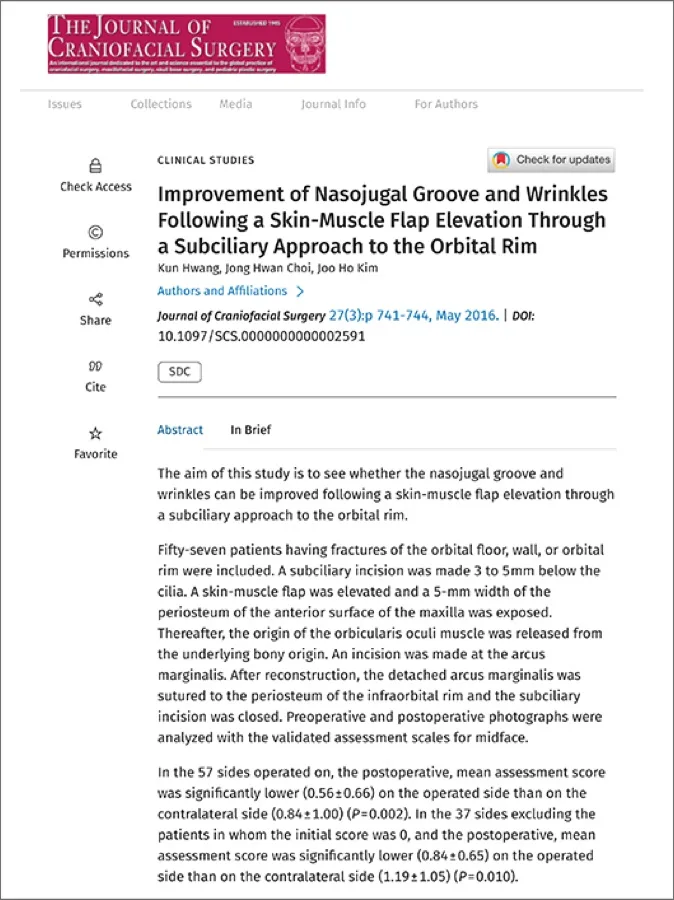
The nasojugal groove is the line where a bulging under-eye pad and a descending cheek meet. Dr. Choi co-authored a 2016 paper on improving that groove and its wrinkles after skin-muscle flap elevation through a subciliary approach to the orbital rim.
Doing both in a single session means one visit to theatre and one stretch of swelling. The trade-off is a larger operation than either part, and aftercare that follows both instruction sets.
Some faces need only repositioning, and some only the lift. Rewind lists each part on its own, and the combined line is used only when the bulge and the descent are both present.
On the day
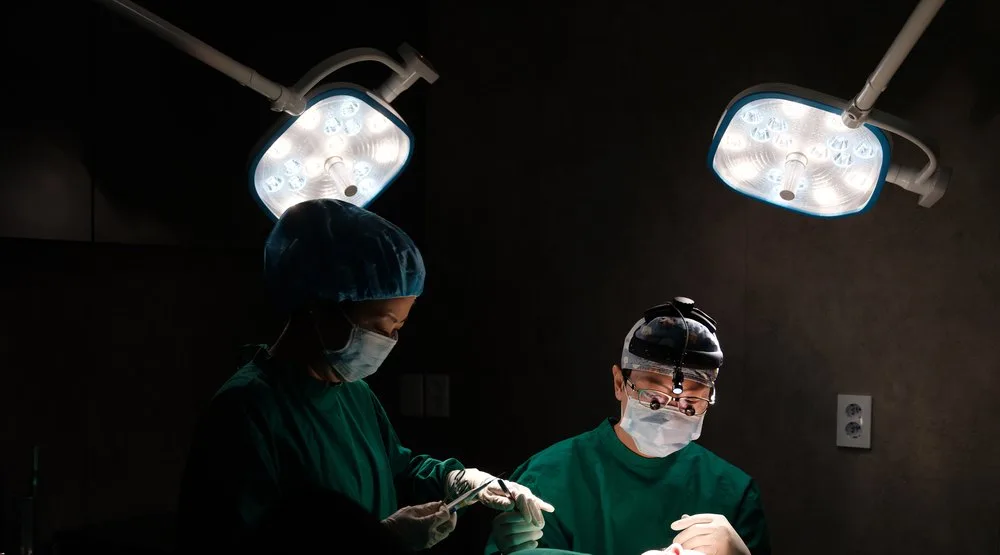
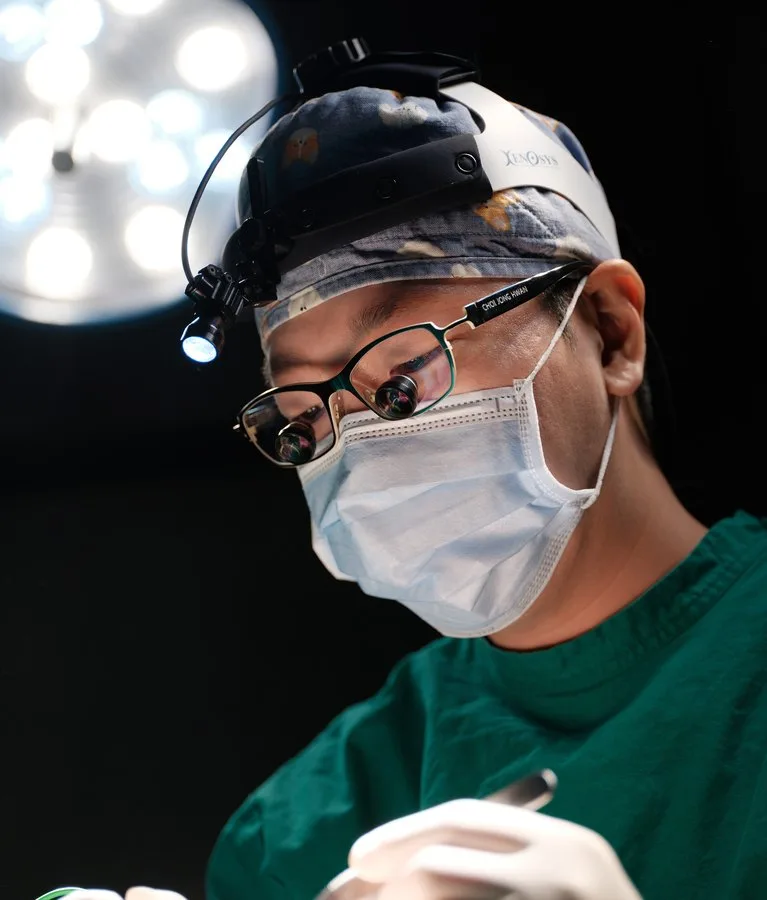
Fig. 04 · The theatre where both halves are done in one sitting
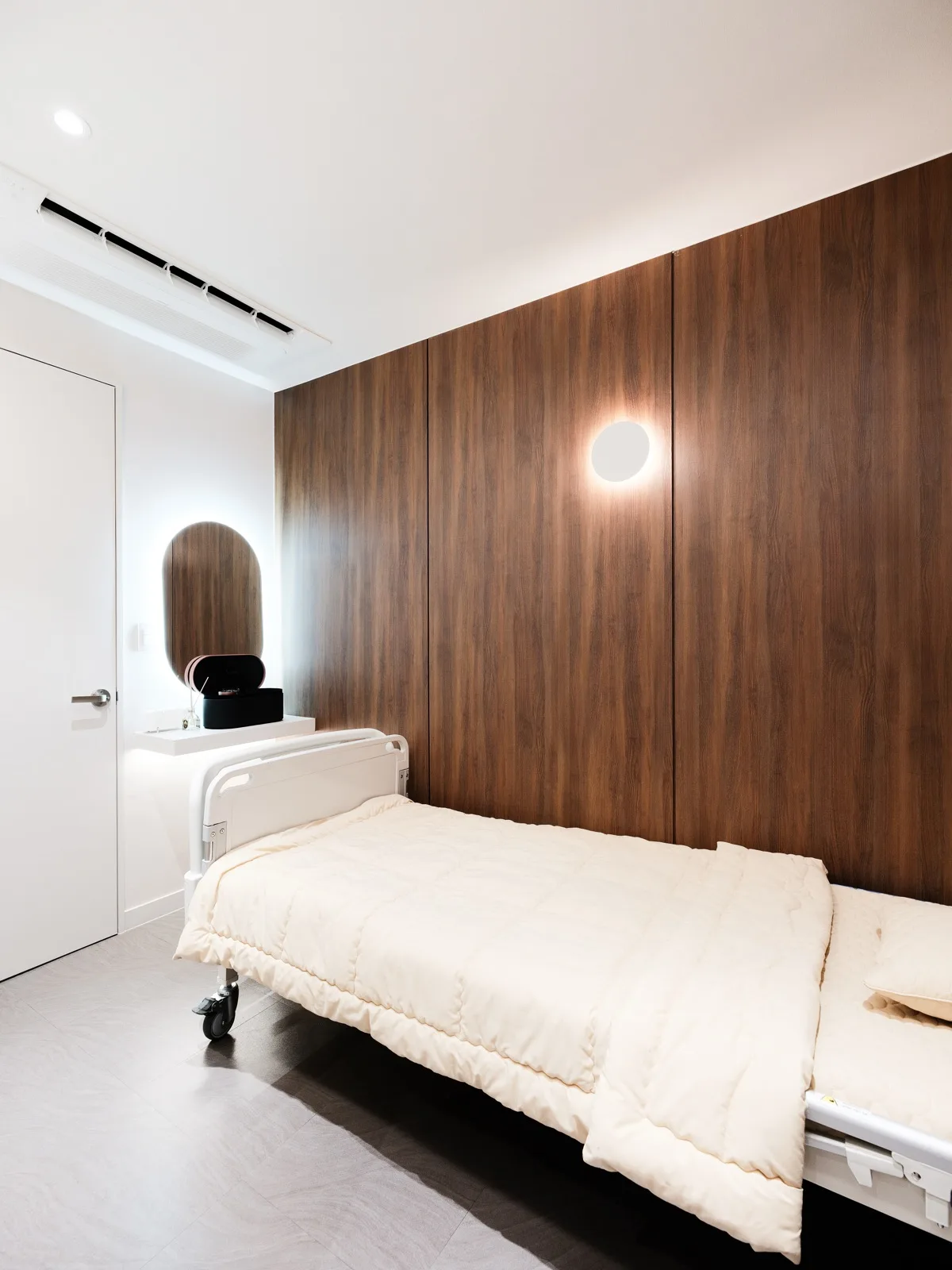
Fig. 05 · A private room to rest in after the operation
For a combined case the examination, the operation and every follow-up visit are with Dr. Choi, on the fourth and fifth floors of the Richro Building. Weekday appointments end at 19:00 on Mondays, Tuesdays, Wednesdays and Fridays, Saturday appointments end at 16:00, and Thursdays and Sundays are closed days.

Board-certified plastic surgeon
Dr. Jonghwan Choi is certified in Korea as a specialist in plastic surgery and carries both parts of a combined case himself. Rewind holds KHIDI registration M-2025-01-08-09288 as an institution for international patients.
Pricing
Rewind's fee sheet has a line for the combination, listed beside the lines for each part on its own. Reading them together shows what the single figure replaces.
Listed figures, VAT excluded, each including the anaesthetic fee. The combined line and the add-on line cover different scopes; which one applies is written into your plan at consultation.
Suitability
Recovery
Two instruction sets apply. Rewind's sheet for under-eye fat repositioning governs the early days, and its midface lift page adds a month-long rule on top. No combined recovery timeline is published, so the day you can fly is set by the surgeon.
A combined operation on the lower lid and midface carries risk, among them infection, bleeding, swelling that lingers, scarring, a lower lid that sits differently, altered feeling in the cheek and differences between the two sides. Where the skin route is used, Rewind states that a line can show below the lashes depending on skin elasticity. Severe pain or a fever after surgery is a reason to contact the clinic at once.
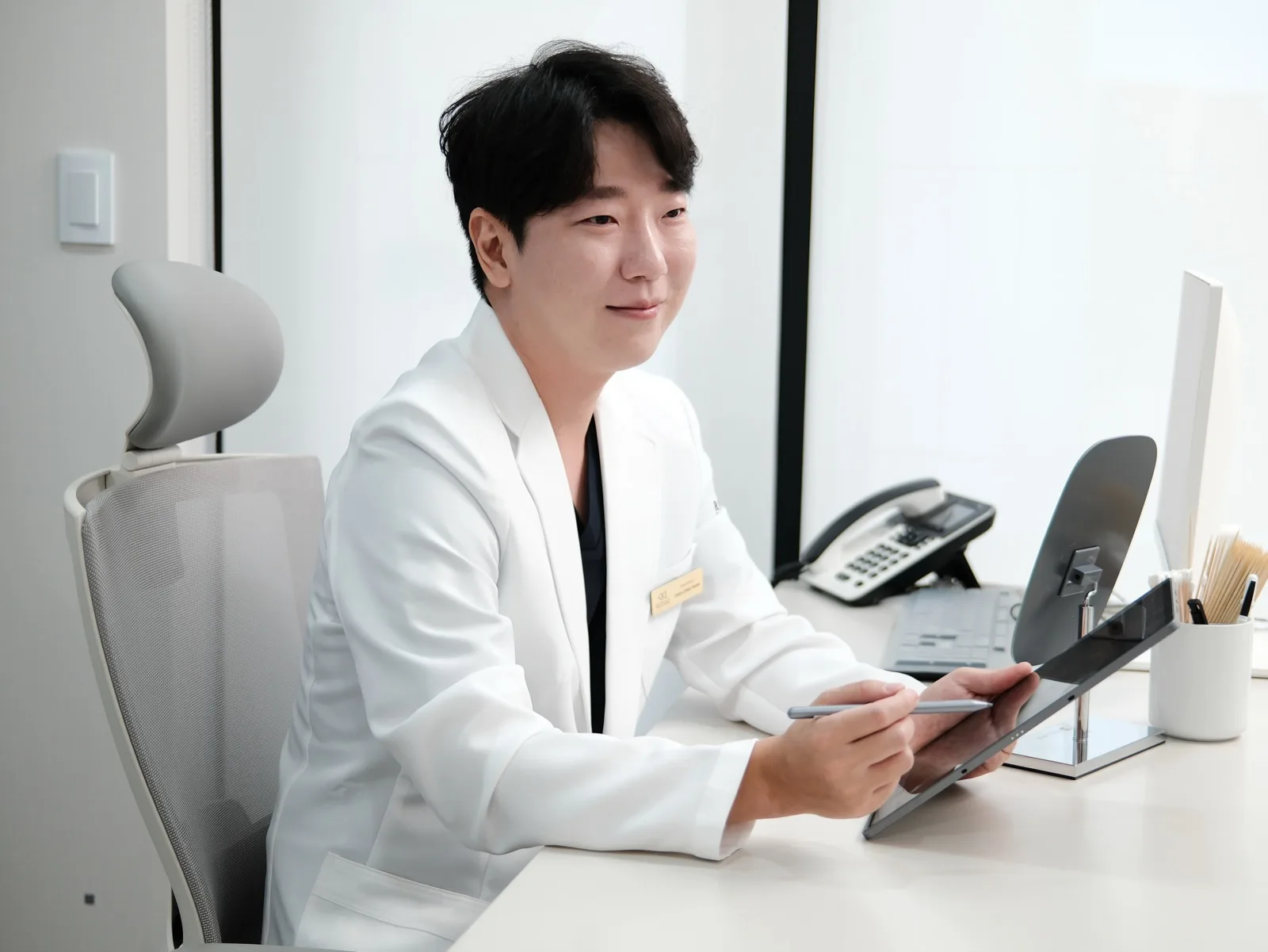
At Rewind, one board-certified plastic surgeon carries every case — from the first consultation to the final follow-up. Because a face is a story, and a story deserves a single author.
 Rewind,
Rewind's Doctor
Dr. Jonghwan Choi Medical Director
One surgeon, from the first
consultation to the last follow-up.
A board-certified plastic surgeon devoted to anti-aging lifting — with the precision and restraint built through years of craniofacial practice.
Questions
Google Reviews
Came to REWIND to get my facial treatment and i'm absolutely obsessed about it💞 the doctor is so kind and is an expert! Everyone must visit!
YunHee Hong2 weeks agoThere are just way too many cosmetic clinics in Korea and I'm so happy I found Rewind Clinic in Gangnam. Dr. Choi was so kind and patient while explaining the different face-lifting options, from threads to mini-lifts to deep-plane lifts…
 J. S.5 months ago
I found Rewind clinic through a Korean chat forum and many local clients highly recommended it. The clinic is brand new, featuring large, clean rooms and many private waiting areas so it doesn't give off that "factory" clinic vibe. All the…
 J. Siou5 months ago
Really nice environment. Doctor is easy to communicate and understands my visions. Waited two weeks to make a review and I confirm the results exceeded my expectations and I am super happy with it. Can't wait to come back!! :))
 Kristie Chu5 months ago
I received a thread lift at Rewind Plastic Surgery. The clinic was clean and the atmosphere was comfortable. The consultation was thorough, and I felt confident because they kindly explained everything tailored to my facial condition. They…
Reservation
Tell us what you are considering — we reply as soon as possible, in your language.
For international patients — interpreter-assisted, from your first message to your follow-up.
Scientific evidence
The first paper concerns correction of the nasojugal groove through fat realignment during lower-lid blepharoplasty, and is cited for the anatomy of that groove. The second concerns transconjunctival release combined with a midface lift for a lower lid turned outward after earlier surgery, and is cited for the approach. The third sets out how facial surgery photographs should be standardised, which helps when reading any case pair. The patients in these papers were treated by their authors at their own institutions, and no paper here can tell you how your own lids will respond.