Surgery · Lifting Compared
Two operations on one layer, sized to the descent
Apgujeong, Gangnam, Seoul | Board-certified plastic surgeon, Dr. Jonghwan Choi
Selective segment or whole route · decided at examination
Mini against full
The short answer
Both operations at Rewind work on the same layer: the skin is raised, the SMAS beneath it is drawn upward and fixed, and the surplus skin is trimmed. The difference is reach. The mini facelift opens only the needed stretch of the line from the temple hairline to the ear or from the ear into the hairline behind it, and it treats the middle and lower face. The full facelift opens the whole route, dissects the retaining ligaments beneath the SMAS and treats the face from the eye area down to the neck.
Drawn from Rewind's Korean-language surgical pages for its New Age mini lift and New Age full lift. Both operations are compared as this clinic performs them.
Choosing between them depends less on preference than on how far the sagging has travelled. A face that has started to drop in one place and a face that has dropped everywhere need different amounts of surgery. The published durability figures follow that difference: more than five years for the mini lift and more than ten for the full lift, each with a note on individual variation.
The sections below compare the two point by point, list the signs that make a mini lift enough, and set out where the full operation is the fairer answer for the face in front of the surgeon.
Side by side
Four published facts separate the two operations. None of them is a matter of naming; each one changes what the surgery can reach.
Sequence compared
Rewind publishes three surgical steps for each operation. The first and the last look alike. The middle step is where the two part company.
The line is incised, the skin flap is lifted and the SMAS is opened. In the mini lift the incision covers the stretch the examination called for; in the full lift it runs the whole route.
In the full operation, the retaining ligaments beneath the SMAS are dissected and a fascial flap is raised, then pulled taut and fixed. The mini steps describe drawing the loosened tissue upward, fixing it and removing the excess skin.
Both end with excision of the loose skin and careful suturing along the hairline and the ear, where Rewind places the line so that it is hard to see once healed.
Rewind asks for about a week of compression dressing after both. For the full lift it adds that swelling and stiffness can be more noticeable early on, because the dissection is wide.

How the choice is made
Most people comparing the two want to know whether a mini lift will be enough for them. Rewind's answer depends on where the sagging sits and how much of the face it involves, and both are judged in person.
Rewind lists sagging that has begun in a particular area, beside the nose, in the cheek, along the jaw or at the neck, as the reason to choose the mini lift. Descent in several of those areas together is listed for the full operation.
The full lift is described for people whose skin has lost so much elasticity that less invasive lifting achieves little. Where the skin still holds and the problem is local, the smaller operation stays on the table.
Rewind names prevention, acting before lines and laxity advance, as one reason people choose the mini lift. For the full lift it names the wish for a large improvement achieved in a single operation.
One theatre, two scopes

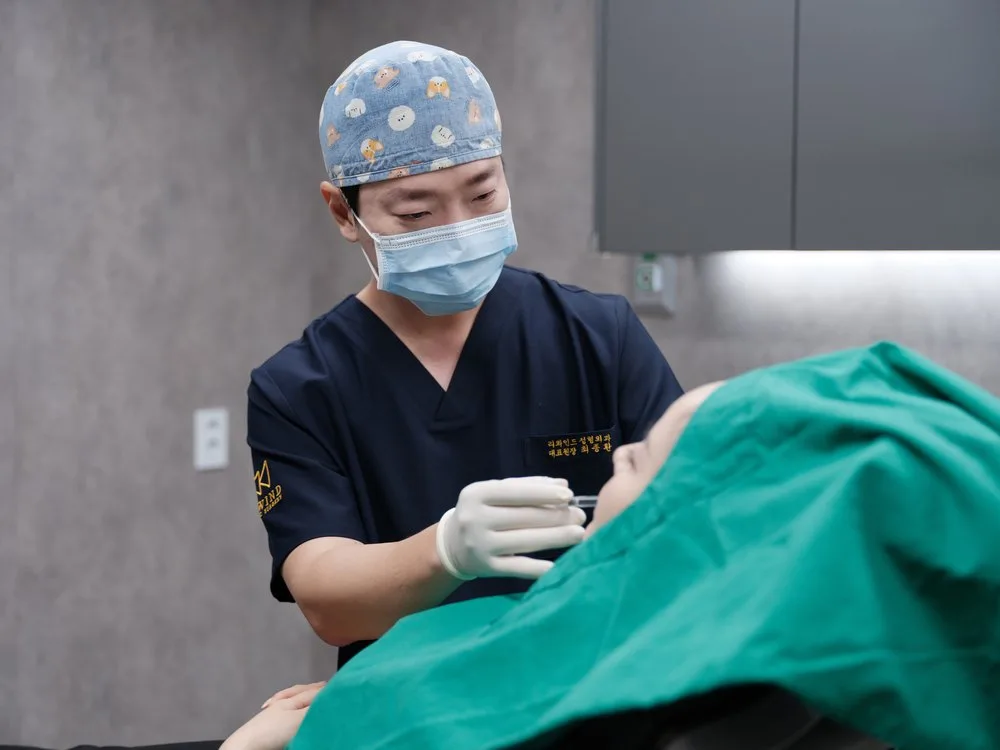
Fig. 04 · Preparation before a lifting operation

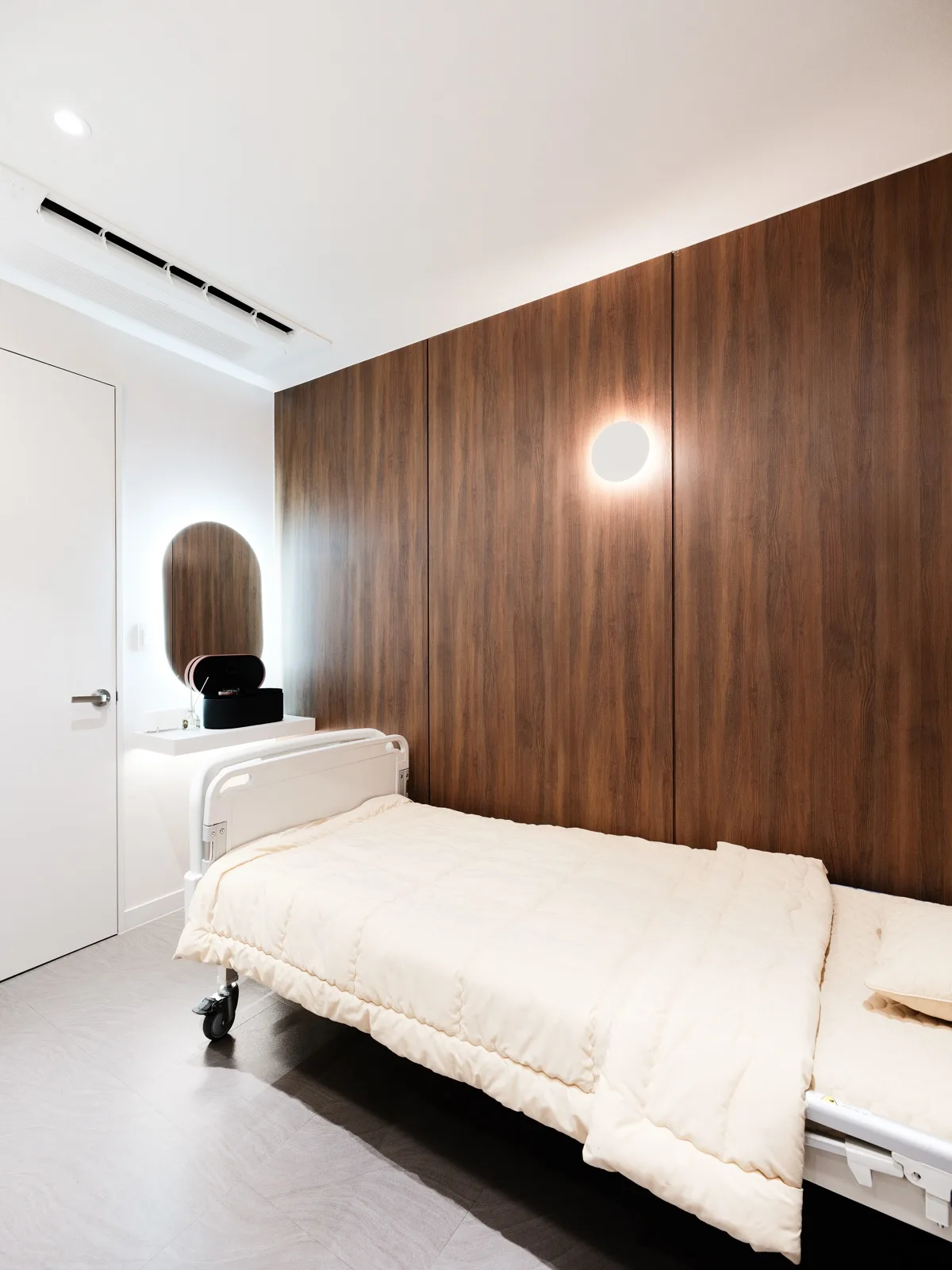
Fig. 05 · The recovery room used after either lift
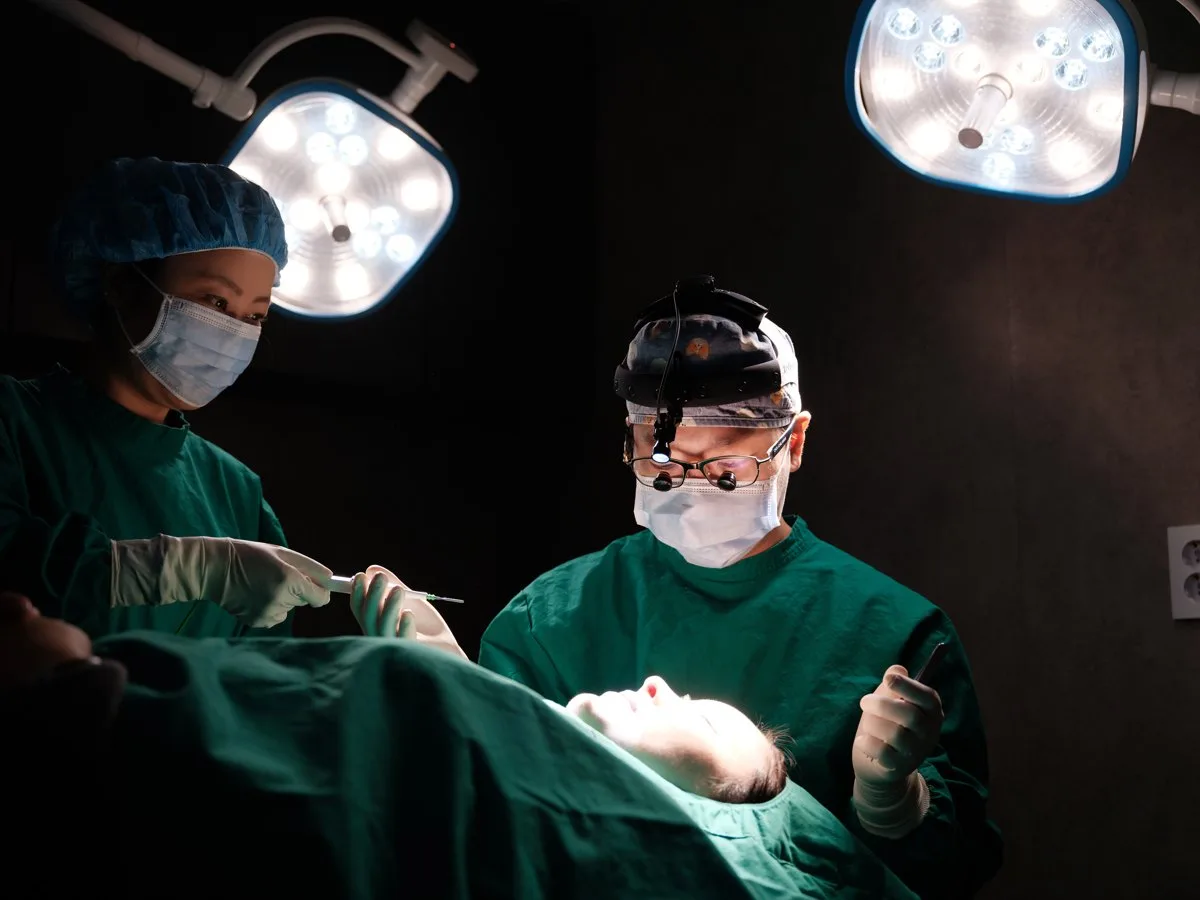
Both operations are carried out on the clinic's own floors in the Richro Building, Apgujeong, Gangnam, in the same operating room and by the same surgeon. What changes between them is the length of the route that is opened and the amount of dissection beneath the SMAS. Rewind publishes neither the anaesthetic method nor the time in theatre for either scope, and both are explained at consultation once the scope is agreed.
Board-certified plastic surgeon
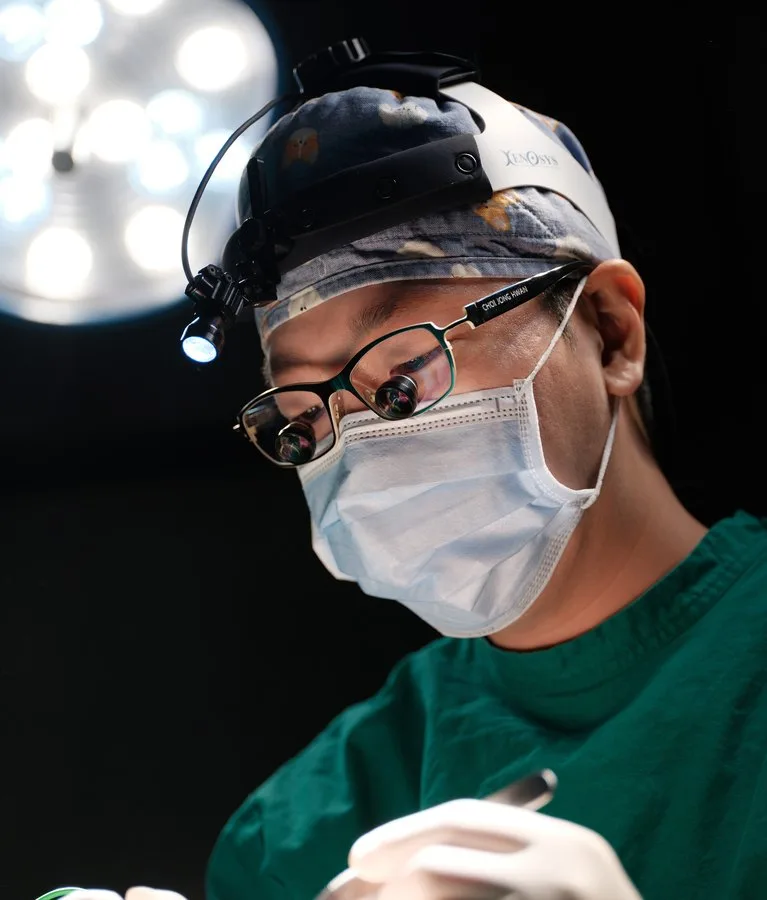
Dr. Jonghwan Choi, certified in Korea as a specialist in plastic surgery, examines each lifting patient and chooses between the mini and the full operation before performing it himself. Rewind holds KHIDI registration M-2025-01-08-09288 for treating international patients.
Fees compared
Price follows scope. The two lifts are separate listings, and the neck, when it needs work, is priced on its own or in combination with the full lift.
Listed fees before VAT, each including the anaesthetic fee. The quote you receive names the listing that matches the examination, and it is written down before any date is booked.
In the terms of this comparison, the step from ₩3,000,000 to ₩9,000,000 pays for the rest of the incision route, the ligament release and the wider field, along with a longer recorded durability.
Enough or not
Recovery compared
The two recoveries share more than most people expect. Rewind publishes the same dressing week for both operations, and its general sheet for facial lifting applies to both.
Either operation can bring bleeding, haematoma, infection, prolonged swelling, asymmetry, altered sensation, injury to branches of the facial nerve and an uneven scar. A shorter route does not remove these risks. Rewind does not publish the anaesthetic method or operating time for either lift; both are confirmed at consultation.
The surgeon who weighs the two operations against your face at Rewind is the one who performs whichever is chosen. The recommendation and the result stay with one person, from the first examination to the last review.
Rewind,
Rewind's Doctor
Dr. Jonghwan Choi Medical Director
The scope follows the face,
and one surgeon follows the case.
Dr. Jonghwan Choi, board-certified plastic surgeon and medical director of Rewind, author of ten peer-reviewed papers.
Google Reviews
"Sample review card — at launch this section pulls the clinic's real Google reviews automatically, shown verbatim with the reviewer's initial and posting date."
"Sample review card — reviews are never written or edited by the clinic; only what patients posted on Google appears here."
"Sample review card — a 'See all reviews on Google' link takes visitors to the clinic's Business Profile."
Questions
Reservation
Tell us where the sagging bothers you most, and we reply within one business day, in your language.
Scientific evidence
The first paper reports on a limited-access lifting technique of the kind the mini facelift belongs to. The second describes the retaining ligaments of the cheek, the structures Rewind's full lift dissects beneath the SMAS. The third concerns platysma work in the neck, the region where a face-only lift reaches its limit. None of them studies Rewind's operations or predicts an individual result.