Surgery · Technique Comparison
Two planes of dissection, and the one Rewind publishes
Gangnam, Seoul | Board-certified plastic surgeon, Dr. Jonghwan Choi
Techniques compared, anatomy first · KHIDI-registered for overseas patients
The difference in one answer
The short answer
Both operate on the SMAS, the fibrous fascial layer under the skin and fat that carries the tension of the face. In a SMAS facelift the skin is lifted as one flap and the SMAS is handled as a second, separate layer that is tightened and fixed. In a deep plane facelift, as the technique is described in the surgical literature, the surgeon passes beneath the SMAS early and keeps skin and SMAS joined as one composite flap across the cheek, releasing the retaining ligaments from below so the whole unit moves together.
Rewind's published full lift sits between the two labels in one respect: its steps raise the skin first, then open the SMAS, release the retaining ligaments beneath it and raise the fascia as its own flap. The clinic describes this as a SMAS-layer operation and does not call it a deep plane facelift, so this page does not either.
The description of Rewind's operation is taken from the clinic's Korean surgical page for full facial lifting. Descriptions of the deep plane technique come from the papers listed at the foot of this page. How far beneath the SMAS the dissection extends for a given face is not published and is confirmed at consultation.
The debate between the two techniques is older than most of the patients reading about it. A 1990 paper introduced the deep-plane rhytidectomy as a way of moving the cheek with its skin still attached; SMAS techniques had been developed from the 1976 anatomical description of the layer itself. Surgeons have argued since about which lasts longer, which looks more natural and which carries more risk to the facial nerve.
For a patient the useful question is narrower: what will actually be done to my face, in which plane, and by whom. That question can be answered at an examination, and the sections below set out what to ask.
The anatomy both techniques share
Both techniques pass through the same layers in the same order. They differ in where they separate one layer from the next, and in which layers they keep together.
Rewind's published steps pass through all four: the skin flap is lifted, the SMAS is opened, the ligaments beneath the SMAS are released, and the fascia is raised, drawn taut and fixed before surplus skin is removed.
Point by point
Neither technique is a single fixed recipe; each surgeon adapts it. The points below describe the techniques as the literature presents them, and note where Rewind's published operation sits.
Deep plane: skin and SMAS move as one unit across the cheek. SMAS lift: the skin is raised on its own and the fascia is tightened as a second layer. Rewind publishes the two-layer sequence.
Ligament release from beneath the SMAS is the centre of the deep plane description. Rewind also releases the retaining ligaments beneath the fascia before raising its SMAS flap, according to its own surgical steps.
A 2018 study of fourteen patients measured more vertical and horizontal tissue movement along the jaw line when the SMAS was entered higher on the face than at the standard point. Rewind does not publish its entry point.
Working beneath the SMAS brings the surgeon nearer to the motor branches of the facial nerve, whose depth is predictable in three dimensions. That is a reason for care in either technique.
A 2025 meta-analysis of 21 studies and 2,896 patients found satisfaction of 94.4 percent for deep plane and 87.8 percent for SMAS lifts, with overall complication rates of 17.2 and 10.3 percent. Both techniques were judged to give robust, long-term results.

How Rewind treats the label
Technique names travel faster than the details behind them. Two surgeons can use the same name for different dissections, and the same dissection can be sold under two names. Rewind publishes its steps and names the layer, and anything beyond those steps is discussed in person.
Skin flap raised, SMAS opened, ligaments released beneath it, fascia fixed, surplus skin removed. Those are the steps Rewind stands behind, whatever label a reader brings to them.
How heavy the cheek tissue is, how deep the folds run and how far the jaw line has dropped all affect how the dissection is planned. That judgement is made at examination and explained to you there.
Dr. Jonghwan Choi examines, operates and reviews every facelift at Rewind. No second operator is involved, so the plan described at consultation is the plan carried out.
Where the choice is made

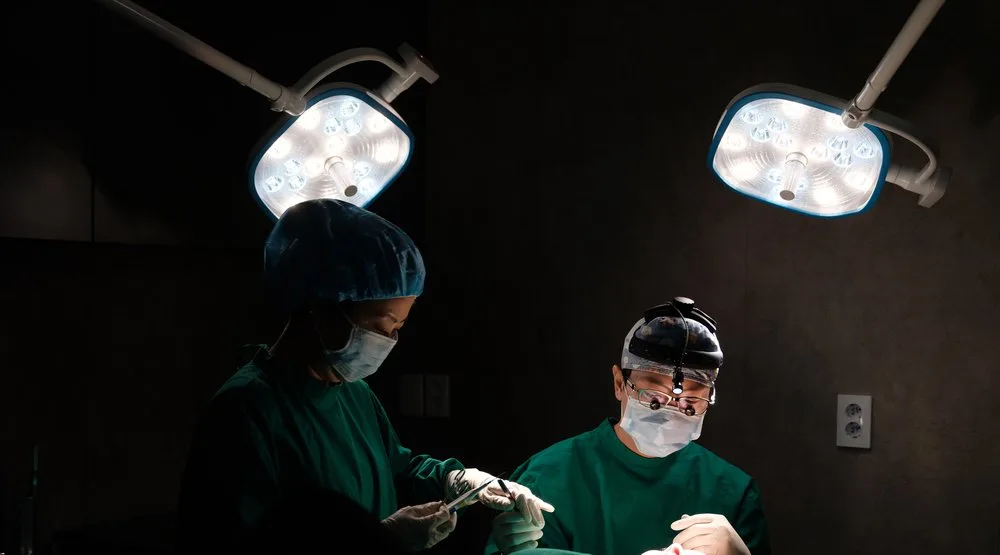
Fig. 04 · The theatre in the Richro Building, Apgujeong

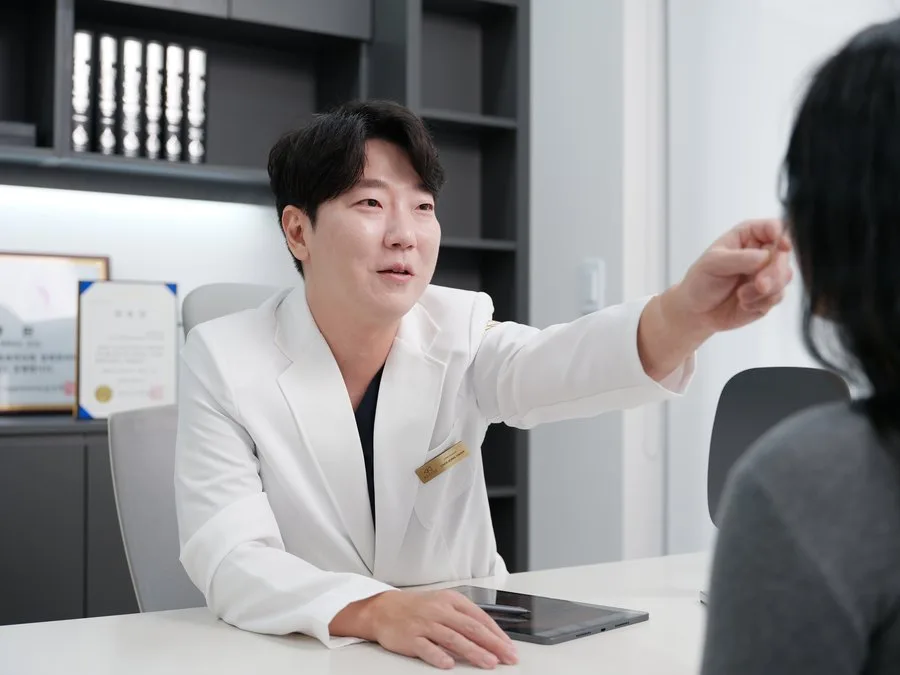
Fig. 05 · The consultation room, where the plane is explained
Two rooms matter for this decision. In the consultation room the surgeon examines how the face has descended and explains which layers he intends to move and why. In the operating room on the fourth and fifth floors of the Richro Building in Apgujeong, Gangnam, the same surgeon carries that plan out. Consultations are booked ahead, Monday to Wednesday and Friday until 19:00 and Saturday until 16:00.
Board-certified plastic surgeon
Dr. Jonghwan Choi holds Korean specialist certification in Plastic Surgery and is the only operating surgeon at Rewind, so the technique discussed at consultation is never delegated. The clinic is KHIDI-registered for international patients, Reg. M-2025-01-08-09288.
Pricing
Rewind's fee sheet lists facelift operations by scope. There is no separate line for a deep plane facelift, because the clinic does not publish one; the plane used within a full lift is a surgical decision inside the listed operation.
Fees shown before VAT, anaesthetic fee counted in. Whichever facelift listing applies is written into your plan at consultation.
So the comparison on this page is a surgical one. Whether your plan reads ₩9,000,000 or ₩14,000,000 depends on how far the descent reaches, not on the name of a technique.
Fit
Recovery
Recovery claims for one technique over the other are hard to compare across studies. What can be stated is what Rewind records for its own full lift, which is the operation you would be having here.
Either technique carries surgical risk: bleeding, haematoma, infection, prolonged swelling, asymmetry, numbness, facial nerve injury and scarring among them. Tell the surgeon about any earlier facial surgery and every medication before a date is agreed. Individual results vary.
At Rewind, one board-certified plastic surgeon carries every case — from the first consultation to the final follow-up. Because a face is a story, and a story deserves a single author.
Rewind,
Rewind's Doctor
Dr. Jonghwan Choi Medical Director
One surgeon, from the first
consultation to the last follow-up.
A board-certified plastic surgeon devoted to anti-aging lifting — with the precision and restraint built through years of craniofacial practice.
Google Reviews
"There are just way too many cosmetic clinics in Korea and I'm so happy I found Rewind Clinic in Gangnam. Dr. Choi was so kind and patient while explaining the different face-lifting options, from threads to mini-lifts to deep-plane lifts. I've had procedures in Taiwan and the US and now m…"
"Really nice environment. Doctor is easy to communicate and understands my visions. Waited two weeks to make a review and I confirm the results exceeded my expectations and I am super happy with it. Can't wait to come back!! :))"
"I found Rewind clinic through a Korean chat forum and many local clients highly recommended it. The clinic is brand new, featuring large, clean rooms and many private waiting areas so it doesn't give off that "factory" clinic vibe. All the staff, including the receptionists, nurses, a…"
"You know how you get self-conscious about your facial contours before going on vacation? I was wondering what I could do to see quick results, and a friend recommended Apgujeong Rewind Plastic Surgery. All the staff were friendly, and the facilities were incredibly pleasant—it felt like a hotel! Val…"
"I went for a consultation for lip fillers and am leaving this review because I am so satisfied with the results. I told them about the lip line I had always wanted, and they carefully examined my face shape and features to naturally recreate a shape that suited me well. The director definitely has …"
Questions
Reservation
Tell us what you are considering — we reply within one business day, in your language.
Scientific evidence
These papers describe the two techniques as a class: the anatomy of the SMAS and of the cheek ligaments, the original deep-plane description, a pooled comparison of outcomes, and a fascial technique adapted for Asian faces. They are cited to explain the comparison and do not describe the operation performed at Rewind or predict anyone's result.