Non-Surgical · Aftercare
Looking after each treated point at home, from the first tape to the last sunscreen
Gangnam, Seoul | Board-certified plastic surgeon, Dr. Jonghwan Choi
KHIDI-registered for international patients · Apgujeong Rewind
Mole removal aftercare
The short answer
After a laser mole removal, each treated point is a small open wound, and aftercare means keeping that wound covered, clean, undisturbed and out of the sun while it closes. The thin tape placed over each point, often called regeneration tape in Korea, does the covering. How long you wear it, when it is changed and which ointment goes underneath are set out in the instruction you receive at the clinic with the tape itself.
Rewind does not publish a fixed number of days for the tape or a named ointment for mole removal, so neither is quoted on this page. Your written instruction and your doctor at follow-up take the place of any figure found online.
The tape matters because a fresh laser point is vulnerable in four ordinary ways. Fingers scratch it, sweat soaks it, cloth and pillows rub it, and daylight darkens it. A covered point is protected from most of that for most of the day. Everything else in aftercare is behaviour: what you do with your hands, your face wash, your gym bag and your time outdoors.
Washing and make-up are the two questions patients ask most once the tape is on. Both come down to friction. Anything that drags across a taped point, from a cleansing brush to a make-up sponge, works against the wound underneath, so the timing for each is written into your instruction instead of being left to guesswork.
Aftercare planning also starts earlier than most people expect. At Rewind in Apgujeong, Seoul, tape, make-up and sun are discussed at the consultation while the list of moles is agreed, so that a patient with a wedding, a work photograph or a long flight home can decide how many points to treat now and how many to leave for a later visit.

What aftercare covers
Aftercare is often described as a single instruction. In practice it is four separate habits, and each protects the healing point against a different kind of damage.
Moles on the body follow the same principles, though tape on a shoulder or the back sits under straps and waistbands and rubs more through the day, and skin there tends to heal more slowly than facial skin. If body moles are on your list, ask at the consultation how the tape should be handled under clothing.
Tape routine
The specifics of your routine are on the sheet you take home. The sequence below is the shape that routine follows, with the purpose of each step.
Each treated point is covered in the treatment room. That first piece is placed on skin that has just been cleaned under good conditions, so aftercare begins properly and not in a café bathroom with unwashed hands.
The most useful thing to do with the tape is nothing. Lifting a corner to look, pressing it with a fingertip or peeling it back to check the colour underneath all disturb the surface it is protecting. If an edge lifts on its own, follow your sheet on replacing it.
When your instruction says a change is due, wash your hands first and ease the old tape off from one edge, keeping it low against the skin. If the crust underneath starts to come away with it, stop, cover the point and mention it at follow-up. How often to change it varies and is not stated here.
Patients often stop early because a point looks closed, or because tape feels awkward on holiday. The instruction was set for your points by the doctor who treated them. If you are unsure whether it is time, contact the clinic before you decide.

Written down
Advice given out loud at the end of a treatment is usually forgotten by the time the lift reaches the ground floor. Three habits at Rewind are meant to prevent that.
Rewind publishes its post-treatment instructions for laser work, so what you hear at the desk matches what you can reread at your hotel. Anything specific to your points, such as the tape and the ointment, is added on top of that base.
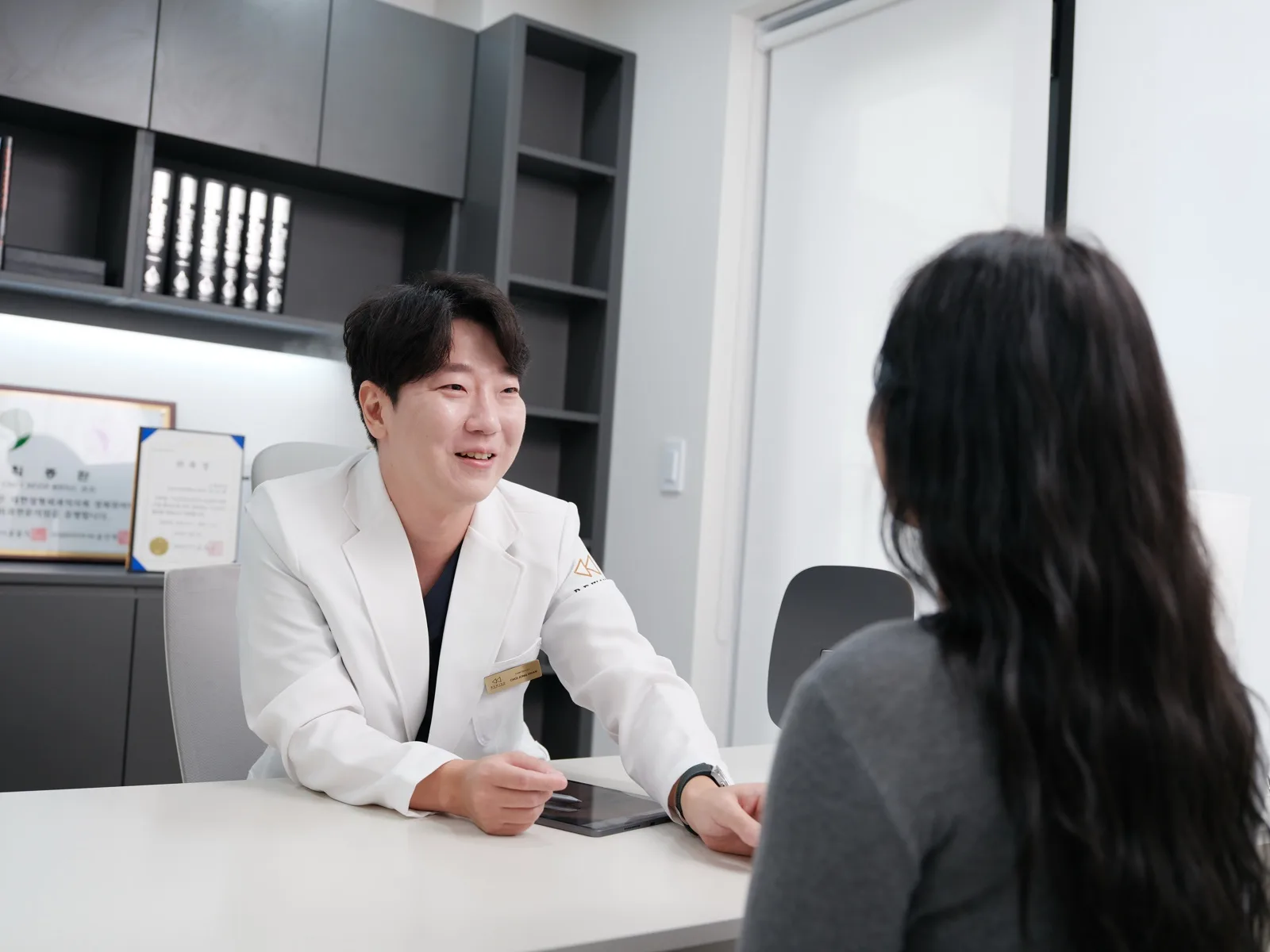
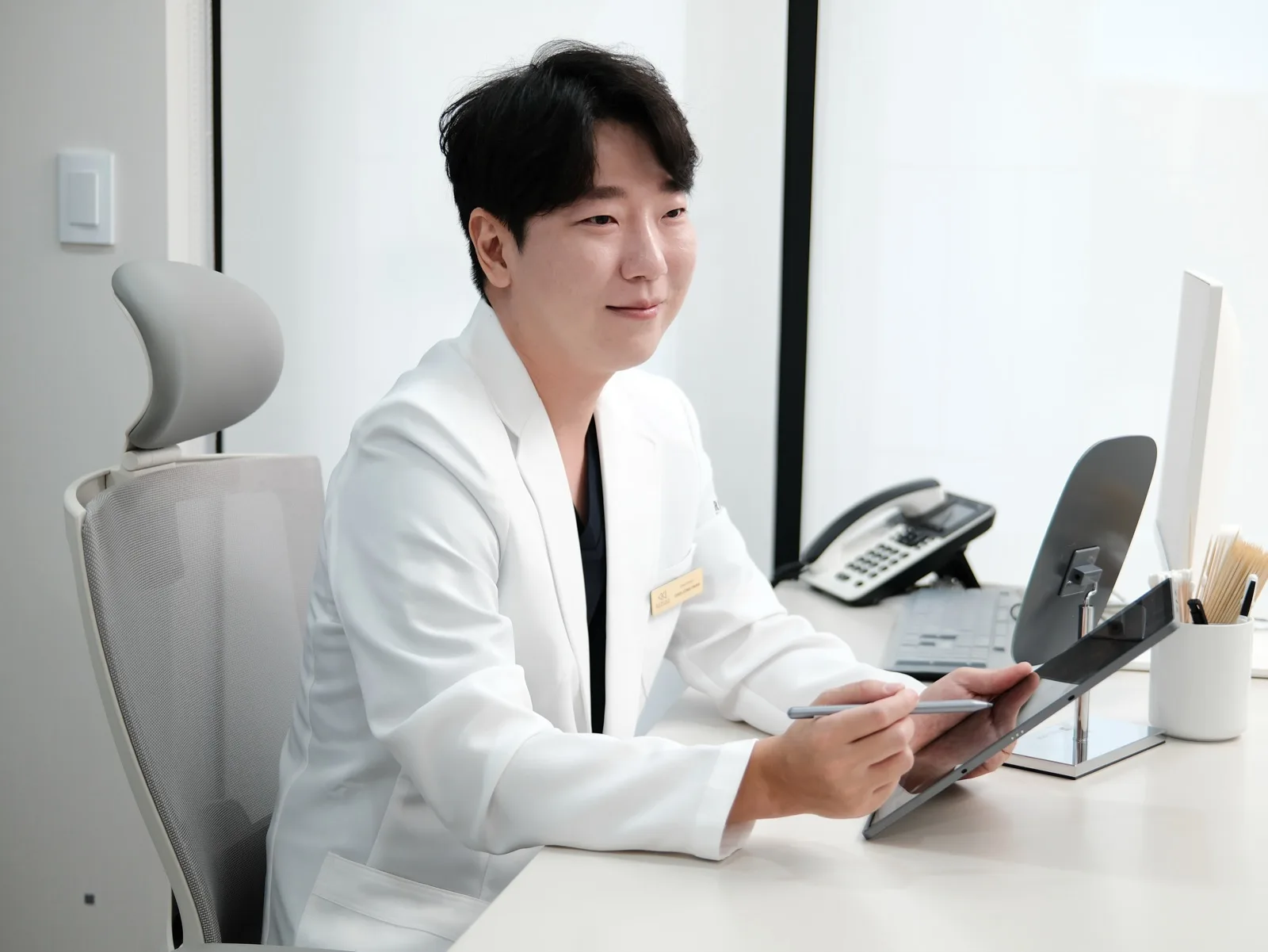
A long trip, a formal event or daily outdoor work changes how many points it makes sense to treat at once. Dr. Jonghwan Choi, a board-certified plastic surgeon, weighs this when the list is agreed and may suggest treating some moles now and the rest later.
At review the treated points are looked at by the doctor who removed them. Patients who fly home soon after can take the record of treated sites, so a local doctor knows what was done and where.
On the day

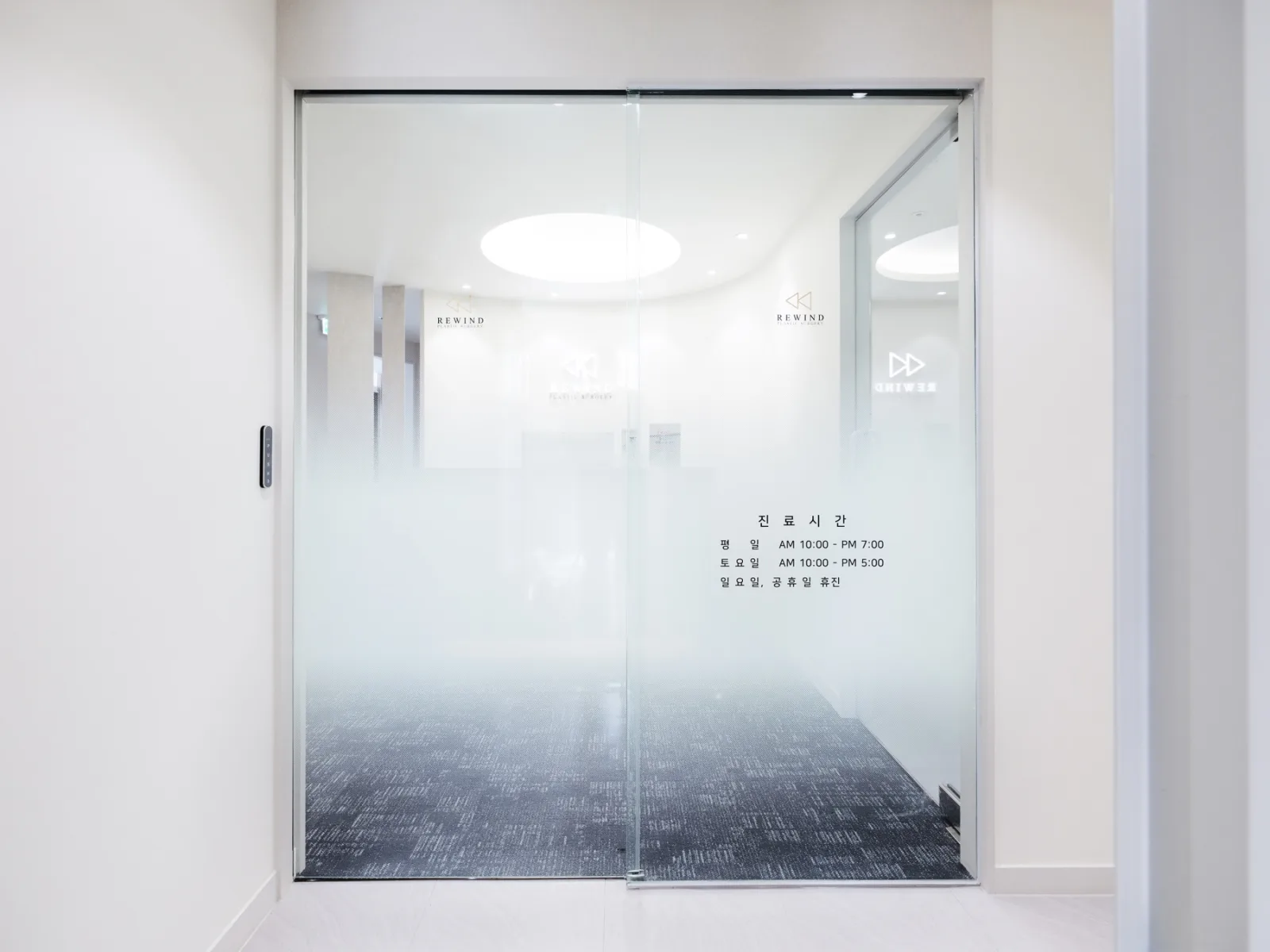
Fig. 04 — The entrance to the clinic floor in the Richro Building

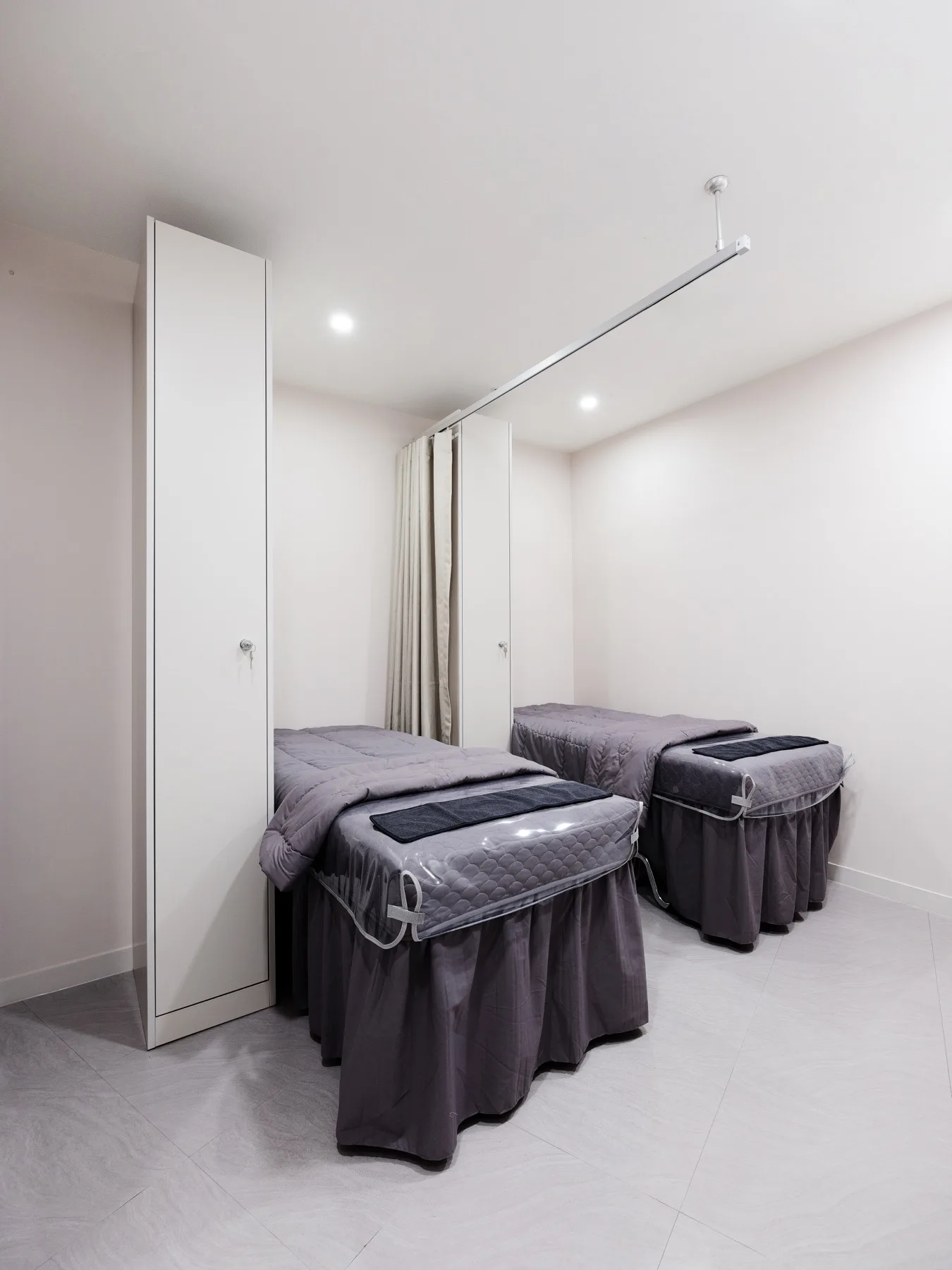
Fig. 05 — A treatment room, where each point is covered before you leave
The last minutes of the appointment are the ones patients rush. Before you go, make sure you know four things: what is under each tape, when the tape should be changed, which ointment to use and for how long, and whom to contact if a point bleeds, weeps or turns red and hot. The clinic is on the fourth and fifth floors of the Richro Building in Gangnam, Seoul. It opens Monday, Tuesday, Wednesday and Friday from 10:00 to 19:00 and Saturday from 10:00 to 16:00, and it is closed on Thursday and Sunday, which is worth remembering if a question arises on one of those days.
A small aftercare kit keeps things simple on the move: the ointment you were given, spare tape if some was supplied, a mild cleanser your skin already tolerates, a hat and a sunscreen you are happy to reapply. Keep it in your hand luggage. The routine carries on through a long flight, and dry cabin air and a window seat are exactly the conditions in which people start touching their face.
Pricing
The rate sheet has two lines for mole removal. What you later spend on sunscreen and a hat is up to you; what the clinic charges for is the treatment.
Both listed rates exclude VAT, which is added at payment, and the rate sheet records that anaesthesia is included. Whether tape and ointment for home use come within the rate is confirmed at consultation.
Suitability
Aftercare
Rewind's standing laser instructions run to four lines. They are set out below with the reasoning, since a rule you understand is a rule you keep.
Put plainly, aftercare is trying to prevent infection, a crust torn away early, a point that darkens after sun exposure, a small depression or a raised scar, and delayed healing. It cannot stop a deep-rooted mole from returning, since that depends on the depth reached at treatment. Contact the clinic if a point becomes hot, swollen, increasingly painful or starts to discharge.
At Rewind, one board-certified plastic surgeon carries every case — from the first consultation to the final follow-up. Because a face is a story, and a story deserves a single author.
Rewind,
Rewind's Doctor
Dr. Jonghwan Choi Medical Director
One surgeon, from the first
consultation to the last follow-up.
A board-certified plastic surgeon devoted to anti-aging lifting — with the precision and restraint built through years of craniofacial practice.
Google Reviews
"Sample review card — at launch this section pulls the clinic's real Google reviews automatically, shown verbatim with the reviewer's initial and posting date."
"Sample review card — reviews are never written or edited by the clinic; only what patients posted on Google appears here."
"Sample review card — a 'See all reviews on Google' link takes visitors to the clinic's Business Profile."
Questions
Reservation
Tell us how many moles you are thinking about and when you fly home, and we reply within one business day in your language.
Scientific evidence
The first pair are split-scar trials that tested early fractional laser treatment on healing surgical wounds and on skin-cancer excision scars; they concern scar care in general and looked at neither mole points nor tape. The last compares the carbon dioxide laser with cryotherapy, electrodesiccation and the erbium laser for a benign growth, including safety outcomes. No patient of Rewind Plastic Surgery took part in these studies, and their results describe groups and cannot forecast how your own points heal.