Non-Surgical · Freckles and Sun Spots
Discrete spots, read one at a time
Gangnam, Seoul | Board-certified plastic surgeon, Dr. Jonghwan Choi
KHIDI-registered for international patients · Apgujeong Rewind
Freckles and spots
The short answer
Pico laser can lighten freckles, sun spots and other flat brown marks, and Rewind in Gangnam, Seoul uses the Pico K for this group of pigment. It cannot stop new marks forming. Freckles come from an inherited tendency that sunlight switches on, and sun spots keep accumulating with exposure, so lightened spots can return, or new ones appear, unless the skin is protected afterwards.
No study in this page's reference list examines freckles directly; the papers cited describe how picosecond pulses behave and which pigment reactions follow laser treatment. Individual results vary.
The word pigmentation covers several different things, and the difference decides how a picosecond laser is used. Freckles are small, light-brown dots that usually appear in childhood, deepen in summer and soften in winter. Sun spots, also called solar lentigines, are larger, darker and more sharply outlined; they appear later in life on sun-exposed skin and do not fade with the seasons. Post-inflammatory marks are the flat brown shadows left after acne or irritation.
On a laser plan these behave differently. Discrete marks sitting high in the skin tend to respond more readily than diffuse patches, and the doctor decides how the energy is distributed across the field and around individual spots. Where melasma lies underneath the freckles, the gentler option takes priority.

Pigment types
The clinic's own description of the Pico K lists freckles, blemishes, age spots and melasma among its uses. The first four below are the discrete, flat marks this page is about.
Raised, rough or changing spots are never toned. They are examined as lesions first, and the mole removal page explains that route. For the wider picture, including melasma, see the pico laser toning overview.
Fading
The fading process follows from how the laser acts, and it explains why a spot can look slightly darker for a short while before it looks lighter.
Energy delivered in trillionths of a second fragments pigment mechanically, with less heat spreading into nearby skin. Rewind describes the Pico K as delivering a 300-picosecond pulse at 2.9 W. A randomised split-tattoo trial comparing picosecond and nanosecond alexandrite lasers reported better clearance on the picosecond side.
After the pass, the particles are cleared by the skin's own processes in the period between visits. Treated spots may look slightly darker or dusty at first and then soften, so progress is judged at the next appointment against the clinic's record.
In that same trial, hyperpigmentation was more frequent on the picosecond side, at 21.33 percent against 12 percent. Skin that tends to darken after irritation is treated with conservative settings, and any darkening is allowed to settle before the next visit.
The laser removes existing pigment; the tendency to form freckles remains. Fresh sun exposure can re-darken treated freckles or bring out new ones. Sunscreen after a course is therefore part of the treatment itself.

Approach
Planning for discrete pigment turns on three questions: what each mark is, what lies beside it, and how the skin reacts.
Dr. Jonghwan Choi, a board-certified plastic surgeon, separates freckles, sun spots, post-acne marks and any melasma. A review of laser fundamentals, written about ink removal, puts skin type, the nature and colour of the pigment being cleared, and the choice of wavelength, fluence and pulse at the centre of a good outcome. The same logic carries over to freckles.
Freckles scattered over a melasma patch are treated with the melasma in mind. Energy that would suit an isolated freckle can irritate melasma beside it, so the gentler approach is chosen and the melasma is watched as the freckles lighten.
Case work on repeated low-fluence toning describes scattered pale spots, and darkening can follow in reactive skin. Either response halts further visits until the doctor has reviewed the skin.
On the day

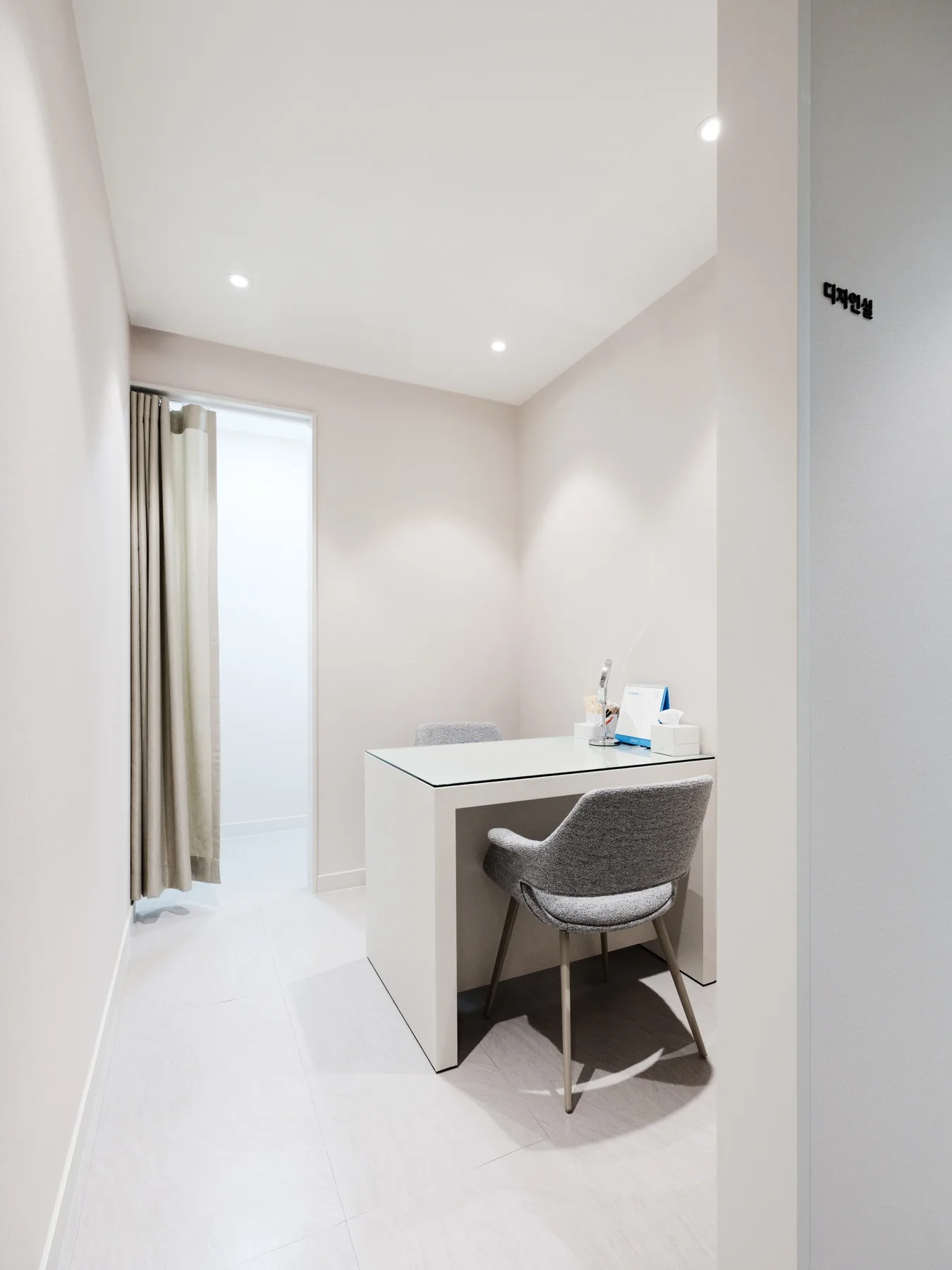
Fig. 04 — Laser work takes place in a private room

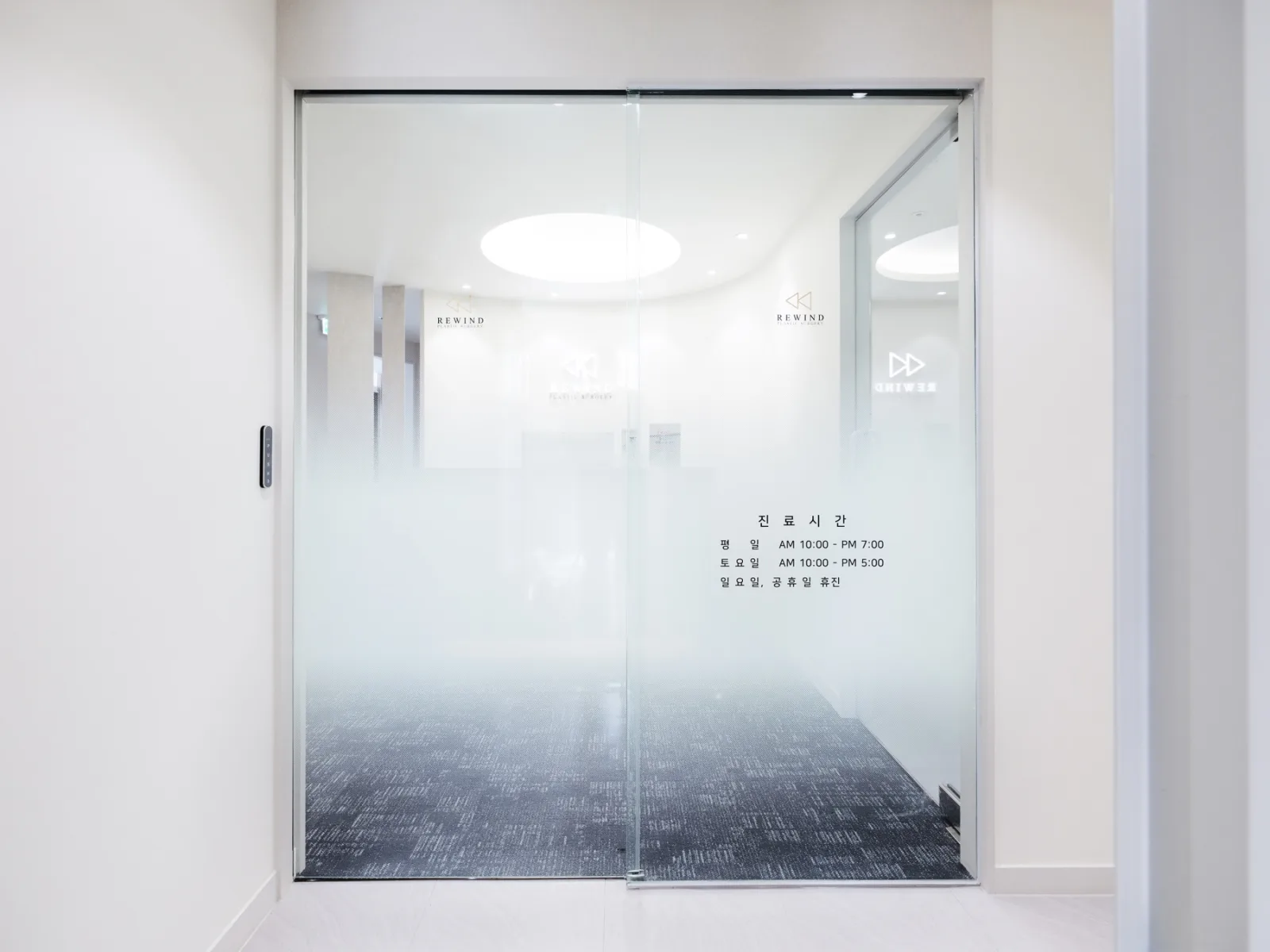
Fig. 05 — Entrance to the treatment floor, Richro Building
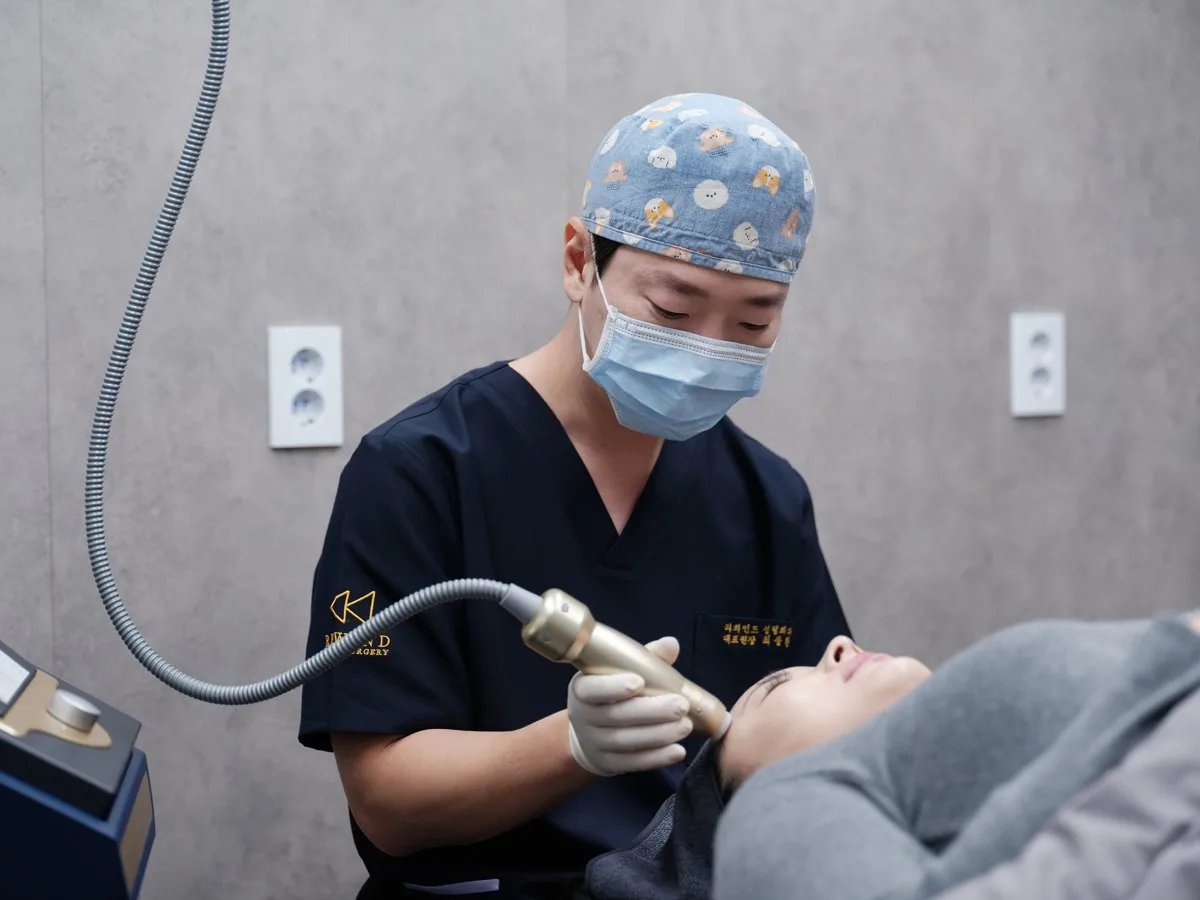
The spots are checked against the previous visit, makeup is removed and eye protection goes on. The doctor passes the Pico K over the field and may give individual marks extra attention. Expect quick, light snaps and some warmth; the treated area is usually pink afterwards, and normal activity is generally possible straight away with sun protection.
Visits are by appointment on Monday, Tuesday, Wednesday and Friday, 10:00 to 19:00, and on Saturday, 10:00 to 16:00; the clinic is closed on Thursday and Sunday. It sits on the fourth and fifth floors of the Richro Building on Nonhyeon-ro.
Pricing
Freckle and spot work on the Pico K is charged from the same sheet as other toning. The single-session line is the reference; the fractional line applies only when rough texture or scarring is being treated as well.
How many sessions your marks need, and so the total, is set after the examination. A few isolated sun spots and a face full of freckles are different jobs, and the quote reflects the plan agreed for yours.
VAT is added at payment on top of both list rates; numbing preparation is already counted in.
Suitability
Fading well
Rewind's aftercare for laser treatment is four instructions. For freckles and sun spots, the last does most of the work.
Possible reactions include redness and mild swelling, temporary darkening in reactive skin, pale spots after repeated sessions and, uncommonly, small blisters or crusts. Report any of these before your next appointment so the doctor can decide whether to adjust or pause.
At Rewind, one board-certified plastic surgeon carries every case — from the first consultation to the final follow-up. Because a face is a story, and a story deserves a single author.
Rewind,
Rewind's Doctor
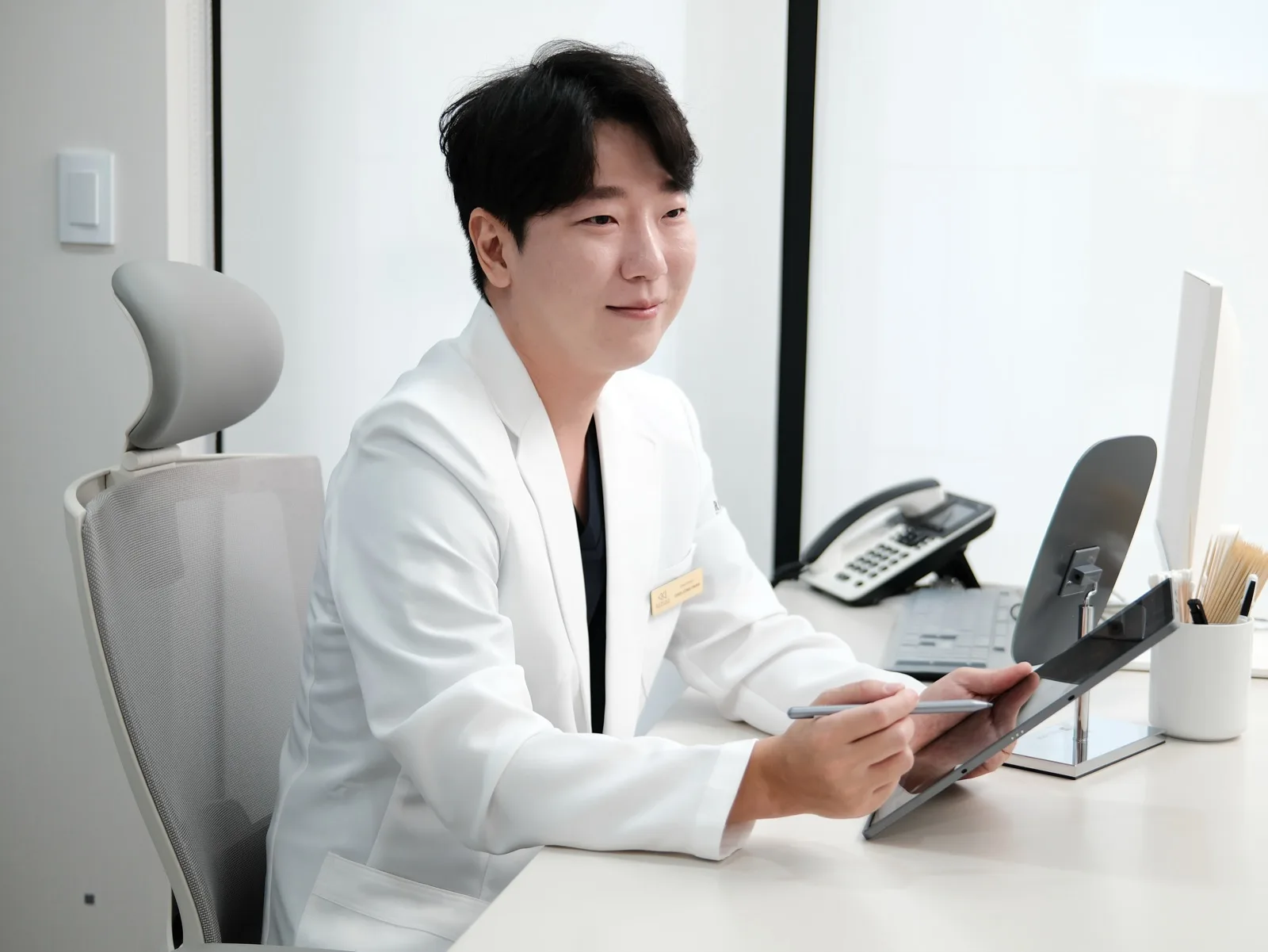
Dr. Jonghwan Choi Medical Director
One surgeon, from the first
consultation to the last follow-up.
A board-certified plastic surgeon devoted to anti-aging lifting — with the precision and restraint built through years of craniofacial practice.
Google Reviews
"Sample review card — at launch this section pulls the clinic's real Google reviews automatically, shown verbatim with the reviewer's initial and posting date."
"Sample review card — reviews are never written or edited by the clinic; only what patients posted on Google appears here."
"Sample review card — a 'See all reviews on Google' link takes visitors to the clinic's Business Profile."
Questions
Reservation
Tell us what you are considering — we reply within one business day, in your language.
Scientific evidence
Freckle-specific trials are not among these references. The first three concern picosecond and Q-switched lasers used on ink: a randomised comparison of picosecond and nanosecond pulses that also recorded post-treatment darkening, a review of the laser principles behind pigment clearance, and a study of fractional and unfractionated 1064-nm picosecond treatment. The fourth reports the pale mottling that repeated low-fluence toning can leave. None was conducted at Rewind Plastic Surgery.