★★★★★
Came to REWIND to get my facial treatment and i'm absolutely obsessed about it💞 the doctor is so kind and is an expert! Everyone must visit!
 YunHee Hong2 weeks ago
Surgery · Scars
One fine line under each brow, placed where the brow can hide it
Apgujeong, Seoul | Board-certified plastic surgeon, Dr. Jonghwan Choi
Incision immediately beneath the brow · KHIDI-registered for international patients
The scar, in short
Where the line sits
The scar is a single fine line under each brow, placed immediately beneath the eyebrow along its lower edge. Rewind makes the incision small and describes the resulting line as hard to notice, because the brow hair and the shadow of the brow sit right beside it. It is still a surgical scar. In the early months it is pinker and firmer than the skin around it, and how quietly it settles varies between individuals, with brow density, skin type and healing all playing a part.
Statements on this page come from Rewind's Korean surgical page for the sub-brow lift and its written post-operative instructions, which name the incision site and ask for sunscreen to protect the healing line. The clinic publishes no incision length and no scar timetable for this operation, so neither is given here.
Does the scar hide in the brow hairs over time? Partly. The line runs along the border of the brow and not through the middle of it, so the hair covers its upper edge while the lower edge sits on bare skin. As the redness fades, the line usually reads as part of the brow outline. Full, dark brows give it more cover; sparse, light or tattooed brows give it less.
The trade-off is a line on the face in exchange for leaving the eyelid itself untouched. Upper-lid surgery hides its scar inside the crease; the sub-brow route places it at the brow so that the crease, the lashes and the lid margin are never opened.
Before & After
These photographs are front views of the brows and eyes. They are not scar close-ups, and the page does not present them as proof of how any individual line heals. What they do show is where the incision sits relative to the brow in a finished result.
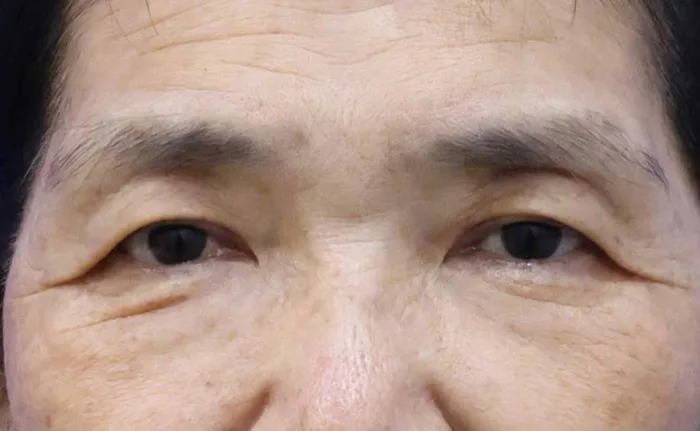
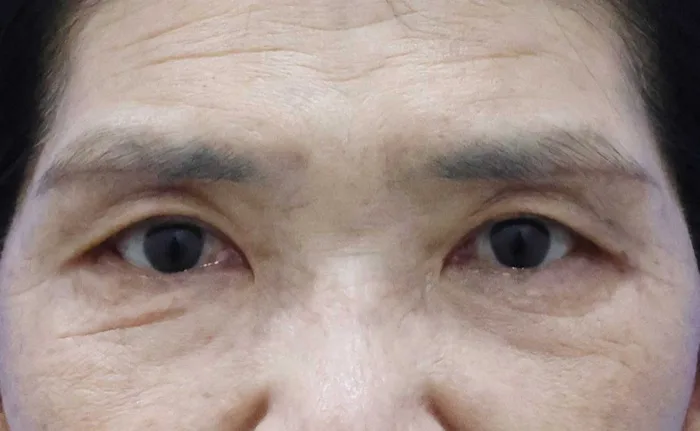 BEFOREAFTER
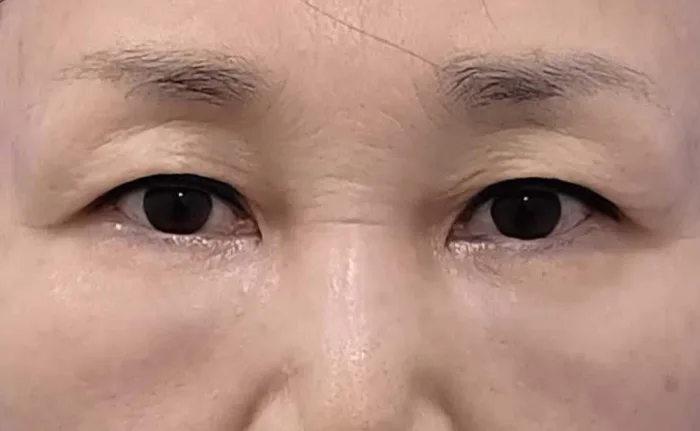
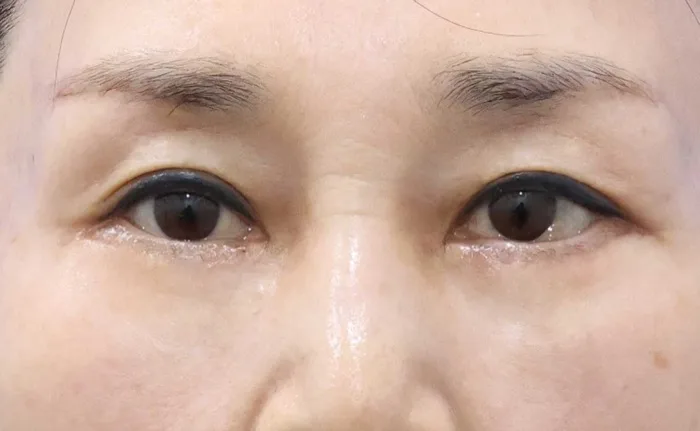 BEFOREAFTER
Rewind photographed both patients at the clinic; the images are unretouched and are published with written consent. Make-up differs between the visits in case 02. Individual results may vary. A line that widens, becomes raised or darkens, a difference between the two sides and altered feeling near the brow are recognised after this surgery, alongside bleeding, infection and swelling.
What decides visibility
Two people can have the same operation and end up with lines that look quite different. Most of the difference comes from four factors, and only some of them can be controlled.
Placing the line
The operation has three published steps, and each one affects the scar. The fourth stage below is what happens after surgery, when the line starts to mature.
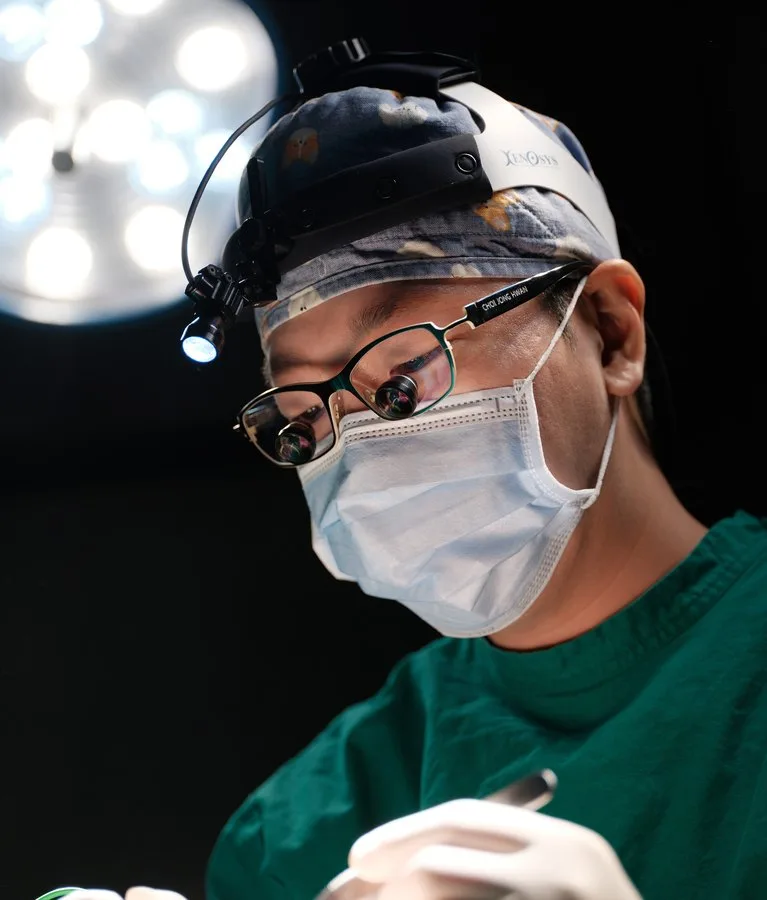
The drooping lid is examined and the excision designed against the brow. Keeping the line on the border lets the brow outline absorb it; drawing it too far down would leave it on open skin.
Rewind incises finely just beneath the brow and removes the stretched skin. The width of the strip is limited by the design so that the closure does not have to stretch across a gap.
The remaining skin is fixed to the periosteum, drawn upward and sutured with care. The anchor carries the lift, so the stitched edges only have to meet.
Like any incision, the line goes through a period of redness and firmness before it softens. Rewind publishes no timetable for this, and the surgeon reviews how it is maturing at your follow-up visits.
Why the line is discussed early
For many patients the scar is the deciding question. The clinic treats it as part of the choice between operations from the first consultation.
Rewind lists both the sub-brow lift and upper-lid surgery. The upper-lid scar sits inside the crease and is covered as the fold settles; the sub-brow scar sits at the brow and leaves the crease untouched. Knowing where each line goes is part of choosing.
The density, colour and any tattooing of the brows decide how much cover the line will have. If a line at the brow edge would sit on largely bare skin, that is said plainly at the consultation.
Dr. Jonghwan Choi operates on and follows up every case, so the person checking how your scar is maturing is the one who designed and sutured it. The clinic is KHIDI-registered for international patients.

In the operating room
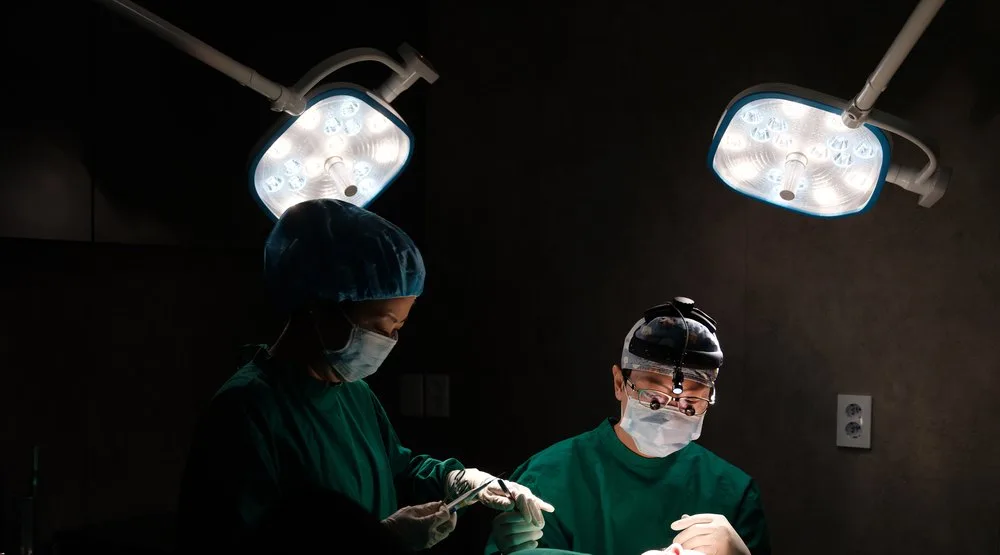
Fig. 04 — The theatre where the incision is made and closed
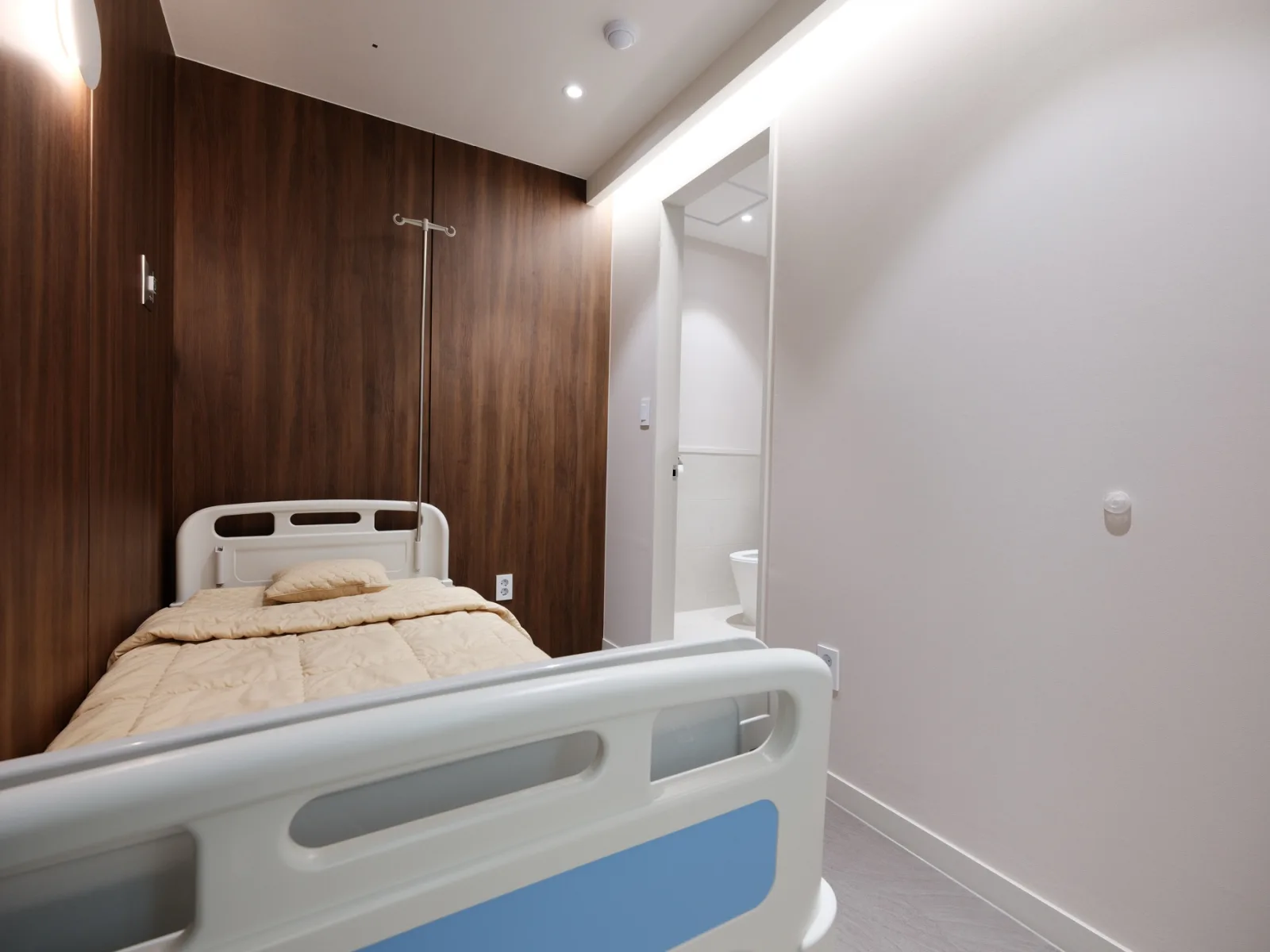
Fig. 05 — A quiet room for the first rest after surgery
Rewind is on the fourth and fifth floors of the Richro Building in Apgujeong, Gangnam, Seoul. The same surgeon marks the line, operates and checks the healing at each review. Consultations are by appointment on Monday, Tuesday, Wednesday and Friday until 19:00 and on Saturday until 16:00, and reviewing your brows with the surgeon is part of that first visit.

Board-certified plastic surgeon
Korean specialist certification in plastic surgery; he designs, closes and reviews every sub-brow incision at the clinic. Rewind treats international patients under KHIDI registration M-2025-01-08-09288.
Pricing
Each of these operations places its scar somewhere different. The prices are listed together so that the choice of line can be made with the cost already known.
All three are list prices with the anaesthetic fee included; VAT is added. Scar care after surgery, such as sunscreen, is simple and is explained at your review; any further treatment of a line would be discussed with the surgeon first.
Who accepts the line
Age alone is not a reason to rule the operation in or out. Rewind states that it is offered at any age when the condition of the lid calls for it.
Caring for the line
Scar care after this operation is mostly a matter of leaving the line alone and keeping sun off it. Rewind's instructions set the order.
A scar that becomes raised, widens, itches persistently or darkens should be reviewed with the surgeon. Infection, a difference between the two sides and altered feeling near the brow are other recognised effects of this surgery, and severe pain is a reason to contact the clinic promptly.
At Rewind, one board-certified plastic surgeon carries every case — from the first consultation to the final follow-up. Because a face is a story, and a story deserves a single author.
 Rewind,
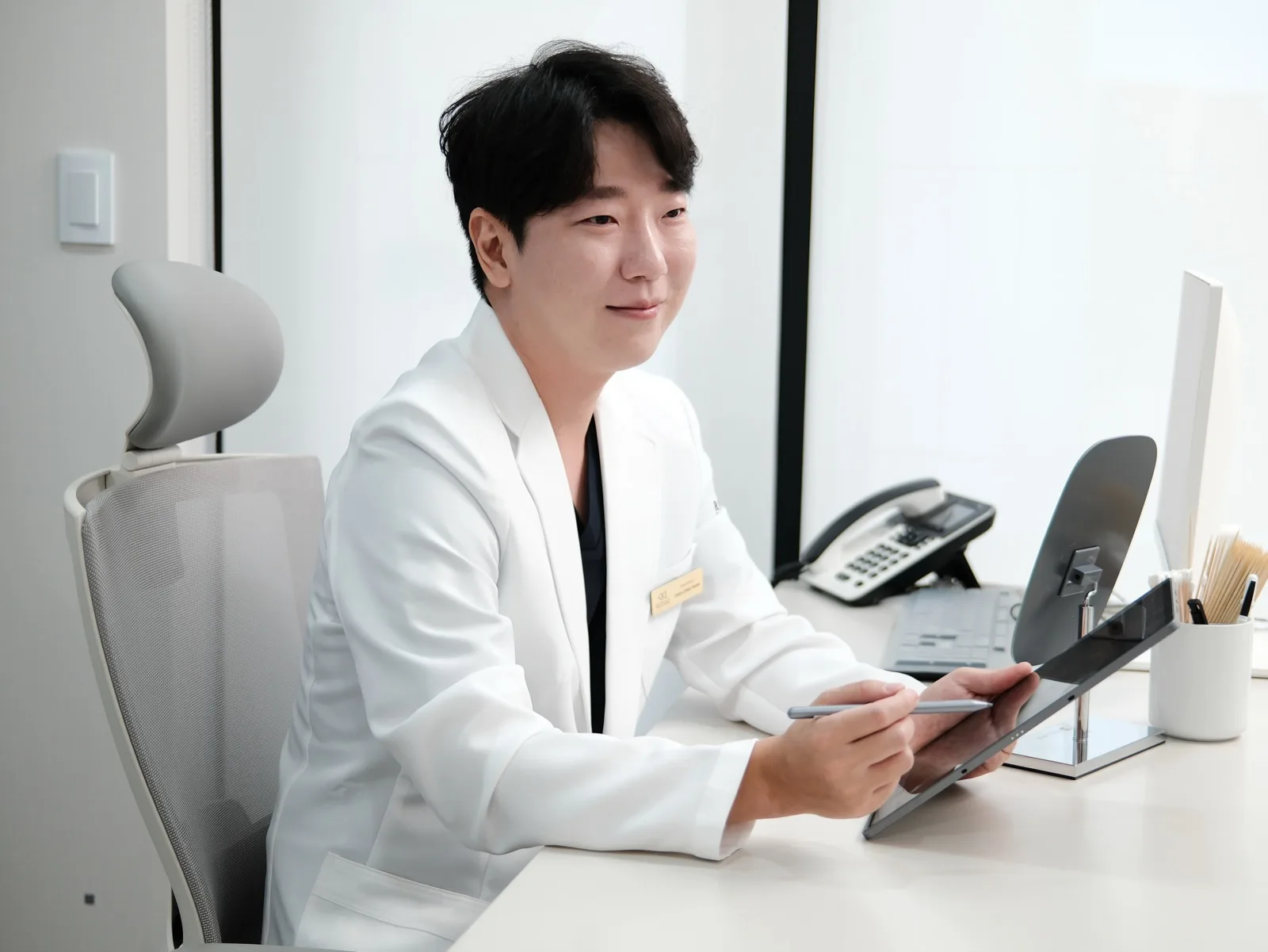
Rewind's Doctor
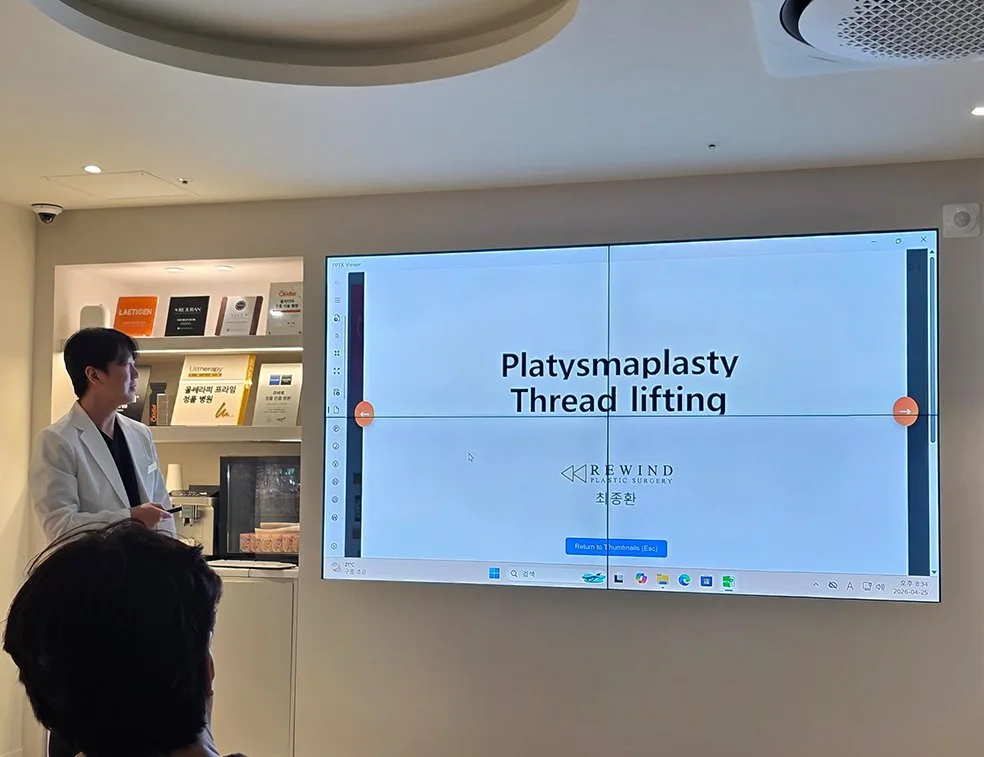
Dr. Jonghwan Choi Medical Director
One surgeon, from the first
consultation to the last follow-up.
A board-certified plastic surgeon devoted to anti-aging lifting — with the precision and restraint built through years of craniofacial practice.
Questions
Google Reviews
Came to REWIND to get my facial treatment and i'm absolutely obsessed about it💞 the doctor is so kind and is an expert! Everyone must visit!
YunHee Hong2 weeks agoThere are just way too many cosmetic clinics in Korea and I'm so happy I found Rewind Clinic in Gangnam. Dr. Choi was so kind and patient while explaining the different face-lifting options, from threads to mini-lifts to deep-plane lifts…
 J. S.5 months ago
I found Rewind clinic through a Korean chat forum and many local clients highly recommended it. The clinic is brand new, featuring large, clean rooms and many private waiting areas so it doesn't give off that "factory" clinic vibe. All the…
 J. Siou5 months ago
Really nice environment. Doctor is easy to communicate and understands my visions. Waited two weeks to make a review and I confirm the results exceeded my expectations and I am super happy with it. Can't wait to come back!! :))
 Kristie Chu5 months ago
I received a thread lift at Rewind Plastic Surgery. The clinic was clean and the atmosphere was comfortable. The consultation was thorough, and I felt confident because they kindly explained everything tailored to my facial condition. They…
Reservation
Tell us what you are considering — we reply as soon as possible, in your language.
For international patients — interpreter-assisted, from your first message to your follow-up.
Scientific evidence
The first paper describes indications and outcomes for excision below the brow in Asian upper eyelids, the operation this page covers. The other two concern a different eye operation, inner-corner surgery, and are included for their attention to scar design and to how periorbital lines can thicken. None describes Rewind's patients or predicts how an individual line will heal.