
★★★★★
Came to REWIND to get my facial treatment and i'm absolutely obsessed about it💞 the doctor is so kind and is an expert! Everyone must visit!
 YunHee Hong2 weeks ago
Non-Surgical · Pricing by Size
A rate set by size, a total set by the ink
Gangnam, Seoul | Board-certified plastic surgeon, Dr. Jonghwan Choi
KHIDI-registered for international patients · Apgujeong Rewind
Cost by size
The short answer
Rewind Plastic Surgery in Gangnam, Seoul charges for laser tattoo removal by the area of skin the ink covers. Shot counts play no part in the bill. The clinic's rate matrix names three size bands against everyday objects, a coin, one business card and two business cards, and each band carries its own rate for a visit on the Pico K picosecond laser. A full course costs the band rate multiplied by the number of visits the tattoo needs, plus VAT, and that number is estimated only after the tattoo has been examined.
This page is about how the bill is built. What the laser does to ink is set out on the clinic's main tattoo removal page.
Pricing by area suits ink because tattoos are uneven. Two pieces with the same outline can hold very different amounts of pigment, and a pulse counter would bill the denser one more heavily for the same visit. A size band keeps the price of one visit predictable and leaves the harder question, how many visits, to the examination.
Enquiries from abroad usually ask for a single figure by message. The rate for one visit can be given that way, because it depends only on size. The course total cannot. It rests on a count that belongs to the ink, and a number offered for a tattoo nobody has seen would be an estimate stacked on another estimate.
What moves the figure
The price of one visit is fixed once the size band is set. Everything else in the final figure comes from the tattoo itself and from how you plan to attend.
A photograph sent before the visit can suggest a band. It cannot settle one, because curved sites and faded edges are easy to misjudge in a flat picture.
Building the figure
The arithmetic is short. What makes it uncertain is the second step, and the order below is the order it happens in at the clinic.
The tattoo is examined and photographed, and its footprint is compared with the coin, single-card and two-card bands on the rate matrix. A tattoo that runs past the largest band is measured and quoted at consultation, because the matrix names no rate beyond it.
Published work on tattoo removal uses the Kirby-Desai scale, which scores site, skin type, amount of ink, layering, scarring, tissue change and colour to predict a count. In a 2024 retrospective series on a Q-switched laser, the treatments patients actually received averaged 5.09 against a scale prediction of 9.9. The scale helps with planning, and that study shows how far a real course can drift from it.
The band rate is multiplied by the estimated number of visits and VAT is added on top. Because the estimate is a range, the total is a range too: lower if the ink clears at the quick end, higher if it needs the whole course.
Each visit is compared with photographs from the last. When fading runs ahead of the estimate, the course can end early and the remaining visits are simply not booked. When it stalls, the doctor tells you before you pay for another.
Judgement
A figure given before an examination looks helpful to both sides and serves neither. The way Rewind prices ink work follows from the way the treatment behaves on skin.
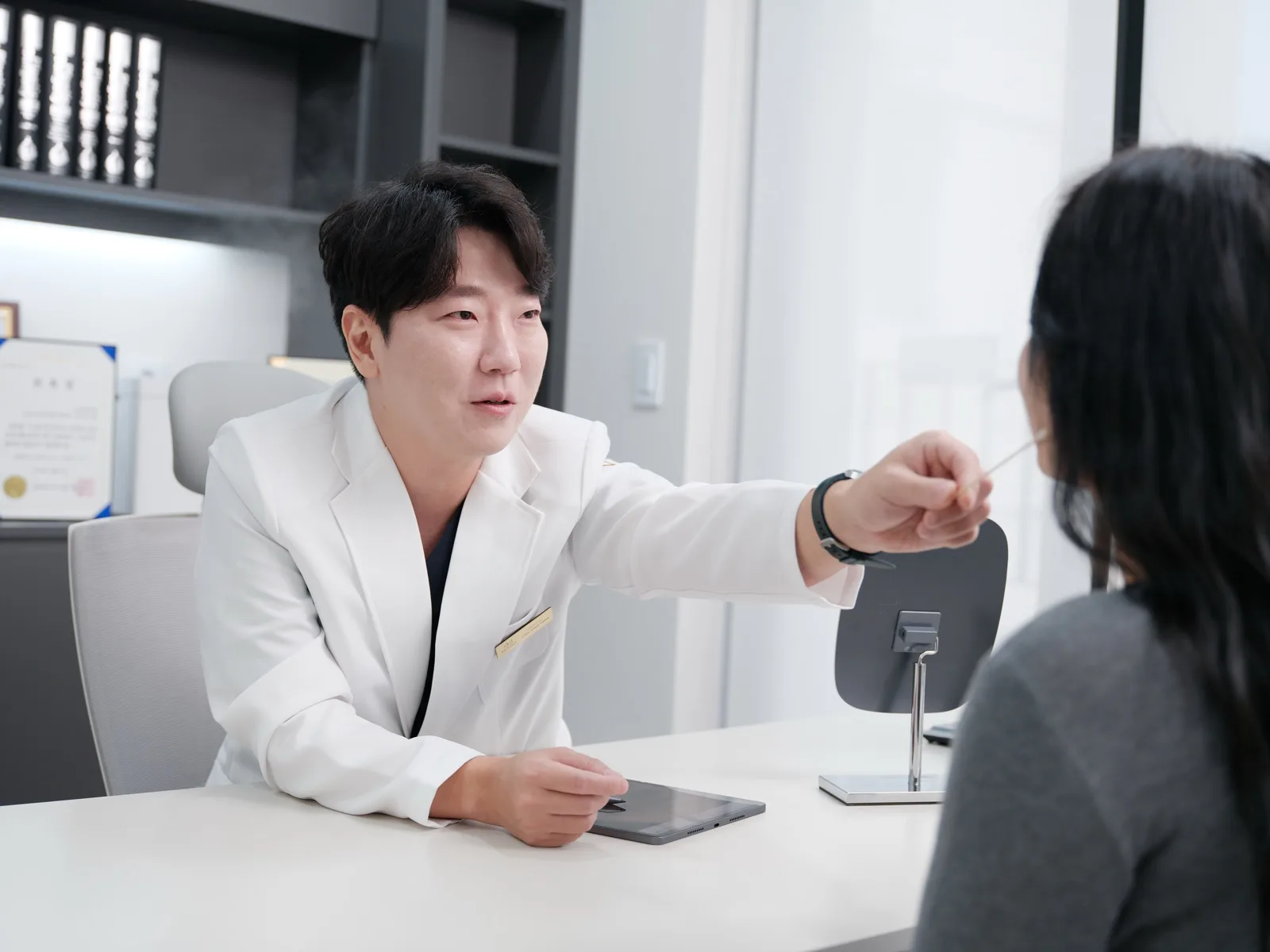
Photographs flatten curves and lose faded edges. Measuring in the room means the band on your receipt is the one you watched being chosen, and any disagreement about size is settled before the laser is switched on.
The rate matrix lists a price for one visit in each band, so the quote can be read one visit at a time. A tattoo that responds quickly costs less in total, and a course that stops paying off can be stopped.
Chasing clearance in fewer paid visits by raising energy or shortening gaps increases the risk of blistering, pigment change and scarring. The doctor plans around what the skin tolerates, and the cost estimate is built on that plan.
On the day

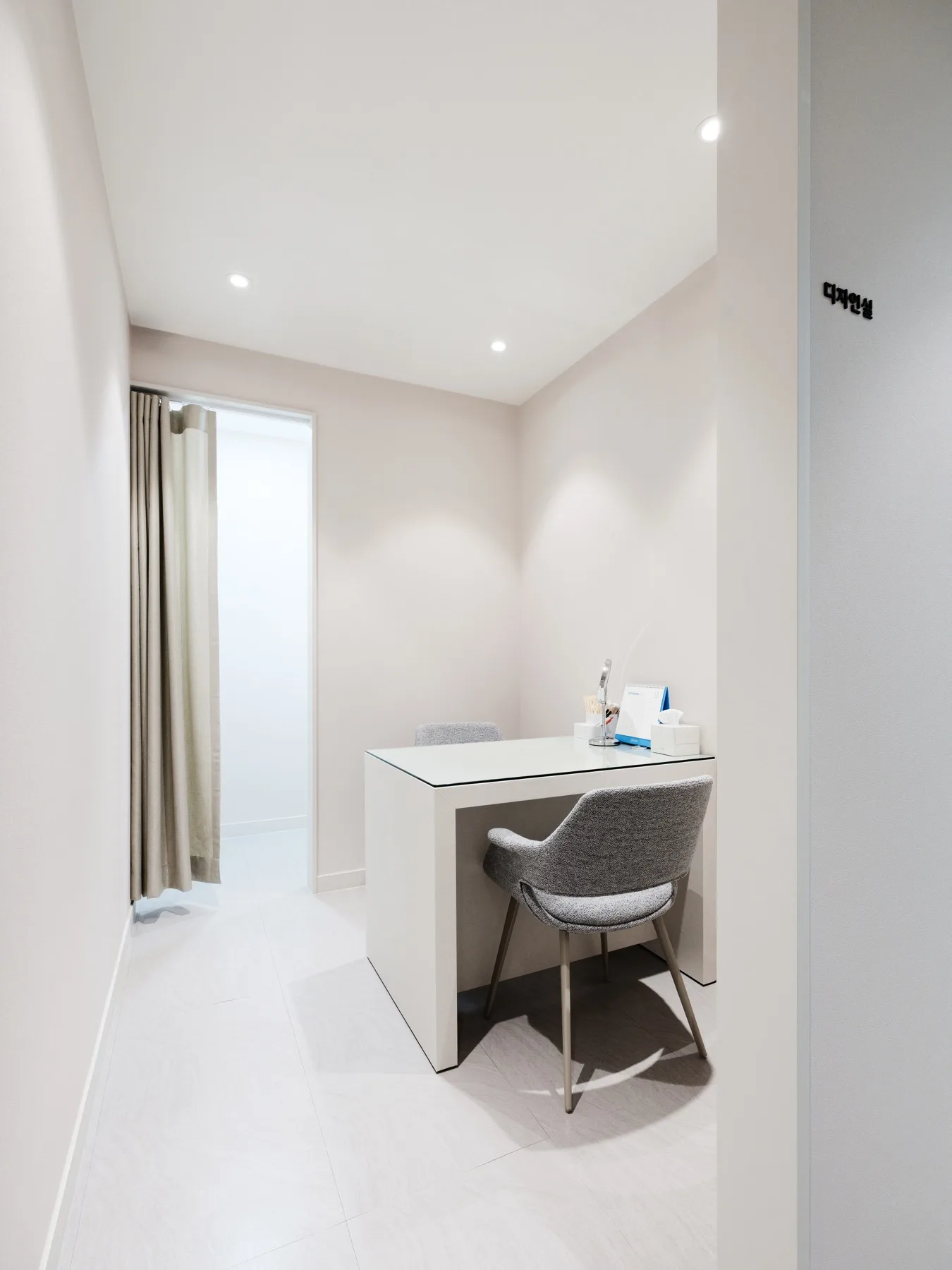
Fig. 04 — Open-plan floor, Richro Building, Apgujeong

Fig. 05 — The clinic floor in Apgujeong
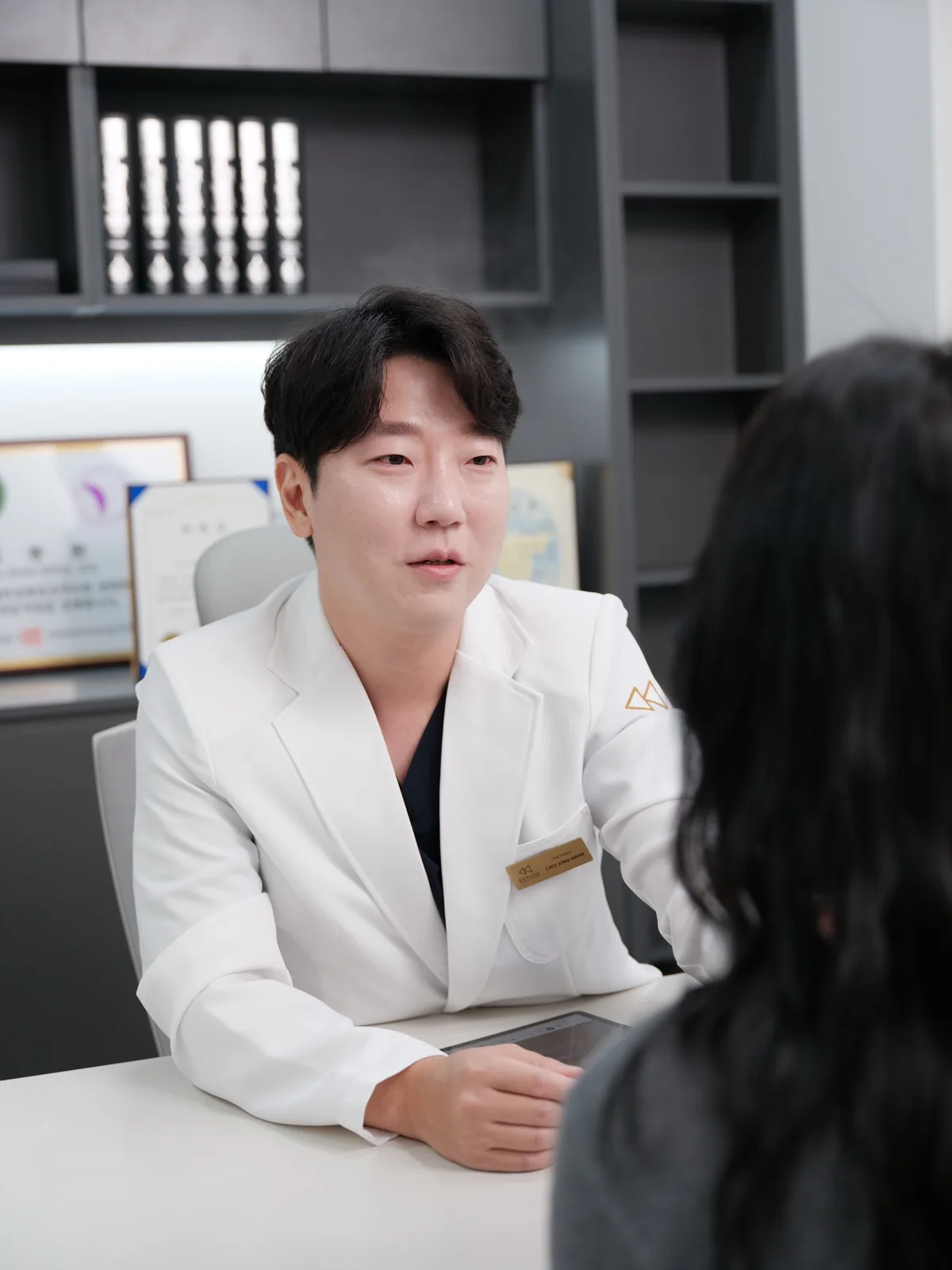
A visit starts with the tattoo being checked against the previous photographs. Eye protection is fitted, and the area is treated with the Pico K, using settings the doctor picks for that visit. The skin usually turns white for a short while and then reddens. Booked appointments run 10:00 to 19:00 on the weekdays the clinic opens, Monday, Tuesday, Wednesday and Friday, and 10:00 to 16:00 on Saturday; there are none on Thursday or Sunday.
Rewind's Korean source material gives no appointment length and names no anaesthetic type for ink work, so neither is stated here. Both are answered in person at the first visit, and you are free to ask before agreeing to the band.
Pricing
The three size bands below come from the clinic's rate matrix and are charged each time the area is treated. The last line is the pico tattoo removal rate carried on the main price sheet, and the doctor settles which of the two is used for your tattoo once it has been measured.
For a palm-sized tattoo the size band is set by measuring the ink at the assessment, and the total is that band rate multiplied by the visits the assessment estimates, plus VAT. In the 2024 series cited below, patients received between three and eight treatments. That range describes those patients on that device, and it is shown here only to give a sense of scale.
All rates exclude VAT and, according to the clinic's price sheet, include the cost of anaesthesia. A receipt therefore reads higher than the list by the tax alone.
This month at Rewind — offers published by the clinic, updated monthly.
Suitability
Recovery
Every visit you pay for depends on the skin healing cleanly before the next. The clinic's laser aftercare instruction is short, and following it is the cheapest part of the course.
The risks worth pricing in are skin risks: blistering, crusting, swelling and pinpoint bleeding in the days after a visit, and lightening or darkening of the treated skin or textural and raised scarring that may not settle. Incomplete clearance is possible for any tattoo, and a residual shadow can remain after the visits you budgeted for. Knowing that before the first payment is part of the quote.
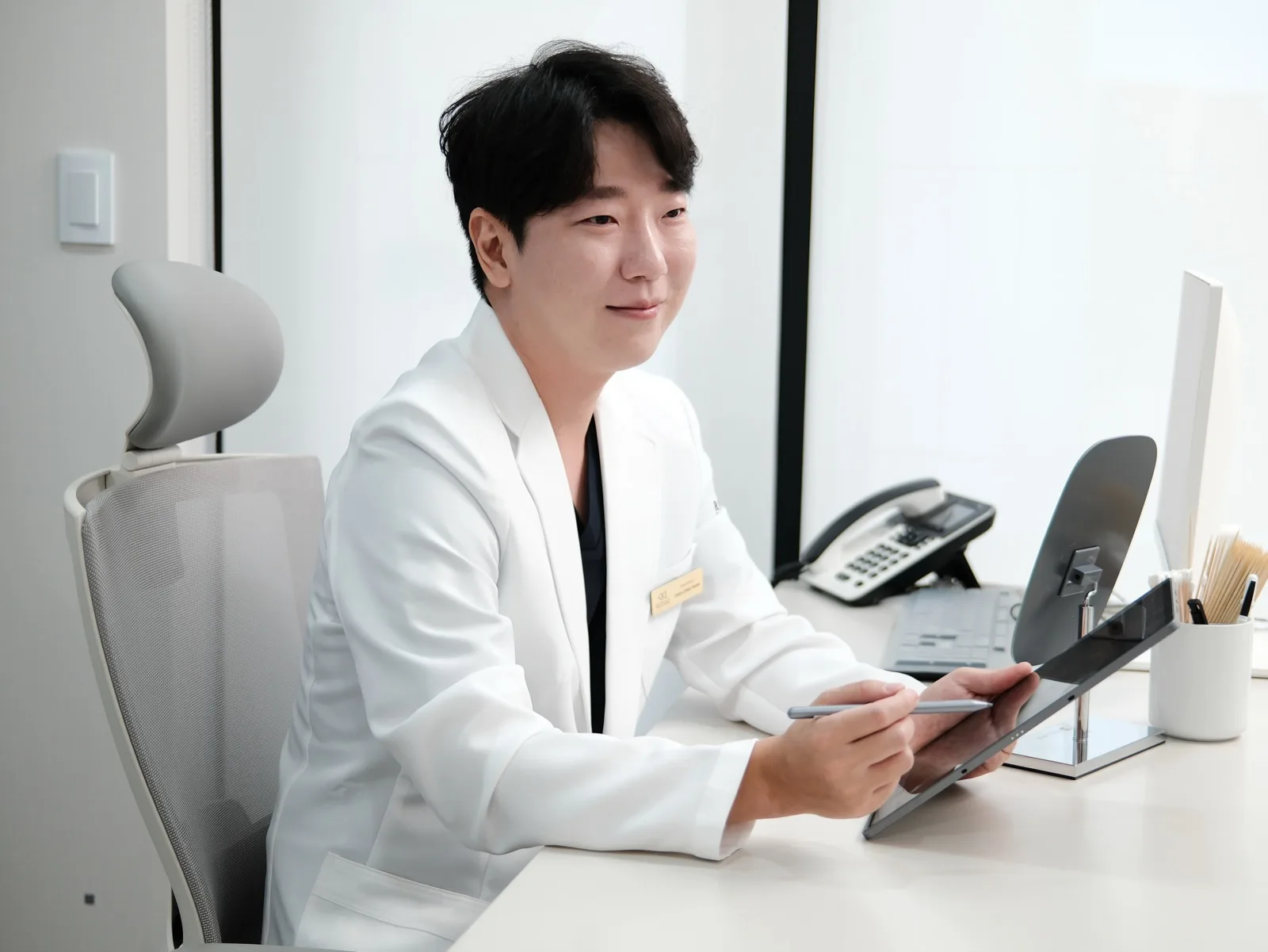
At Rewind, one board-certified plastic surgeon carries every case — from the first consultation to the final follow-up. Because a face is a story, and a story deserves a single author.
 Rewind,
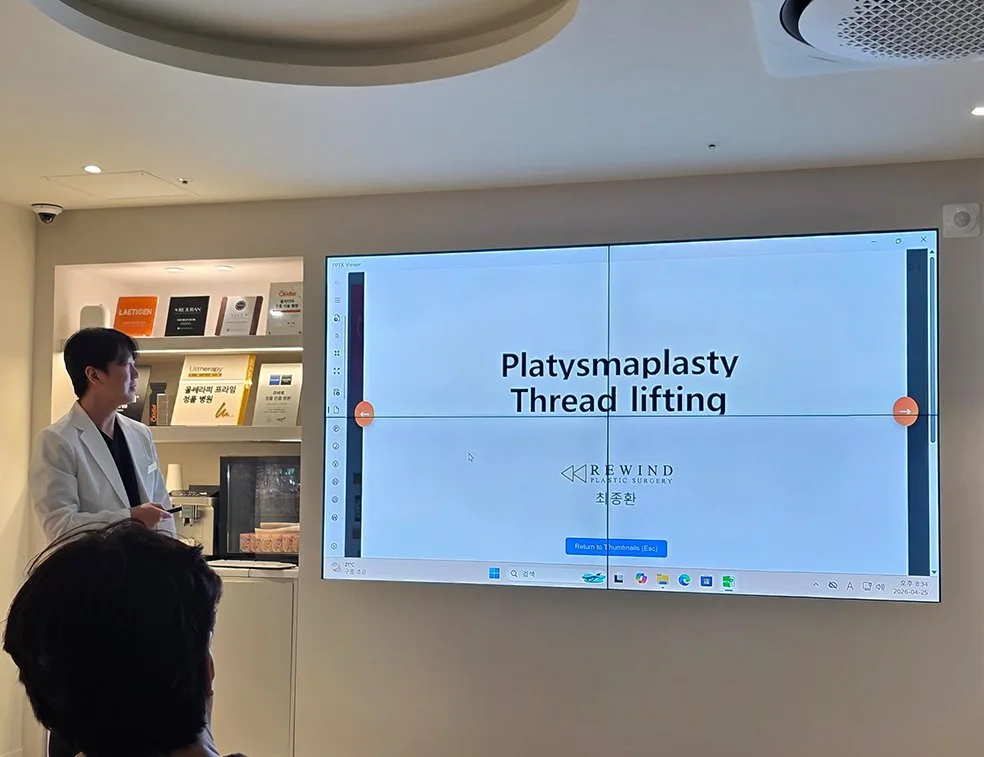
Rewind's Doctor
Dr. Jonghwan Choi Medical Director
One surgeon, from the first
consultation to the last follow-up.
A board-certified plastic surgeon devoted to anti-aging lifting — with the precision and restraint built through years of craniofacial practice.
Questions
Google Reviews
Came to REWIND to get my facial treatment and i'm absolutely obsessed about it💞 the doctor is so kind and is an expert! Everyone must visit!
YunHee Hong2 weeks agoThere are just way too many cosmetic clinics in Korea and I'm so happy I found Rewind Clinic in Gangnam. Dr. Choi was so kind and patient while explaining the different face-lifting options, from threads to mini-lifts to deep-plane lifts…
 J. S.5 months ago
I found Rewind clinic through a Korean chat forum and many local clients highly recommended it. The clinic is brand new, featuring large, clean rooms and many private waiting areas so it doesn't give off that "factory" clinic vibe. All the…
 J. Siou5 months ago
Really nice environment. Doctor is easy to communicate and understands my visions. Waited two weeks to make a review and I confirm the results exceeded my expectations and I am super happy with it. Can't wait to come back!! :))
 Kristie Chu5 months ago
I received a thread lift at Rewind Plastic Surgery. The clinic was clean and the atmosphere was comfortable. The consultation was thorough, and I felt confident because they kindly explained everything tailored to my facial condition. They…
Reservation
Tell us what you are considering — we reply as soon as possible, in your language.
For international patients — interpreter-assisted, from your first message to your follow-up.
Scientific evidence
The treatment counts quoted on this page come from the 2024 retrospective series, which set the number of Q-switched treatments patients actually needed against the number a scoring scale predicted. The two reviews describe the variables that drive that number. None of the studies was carried out at Rewind Plastic Surgery, and none sets a price or a count for your tattoo.