
★★★★★
Came to REWIND to get my facial treatment and i'm absolutely obsessed about it💞 the doctor is so kind and is an expert! Everyone must visit!
 YunHee Hong2 weeks ago
Non-Surgical · Explainer
PDLLA and hyaluronic acid, explained ingredient by ingredient
Apgujeong, Gangnam, Seoul | Board-certified plastic surgeon, Dr. Jonghwan Choi
Explained by the clinic that injects it · Apgujeong Rewind
Definition
The short answer
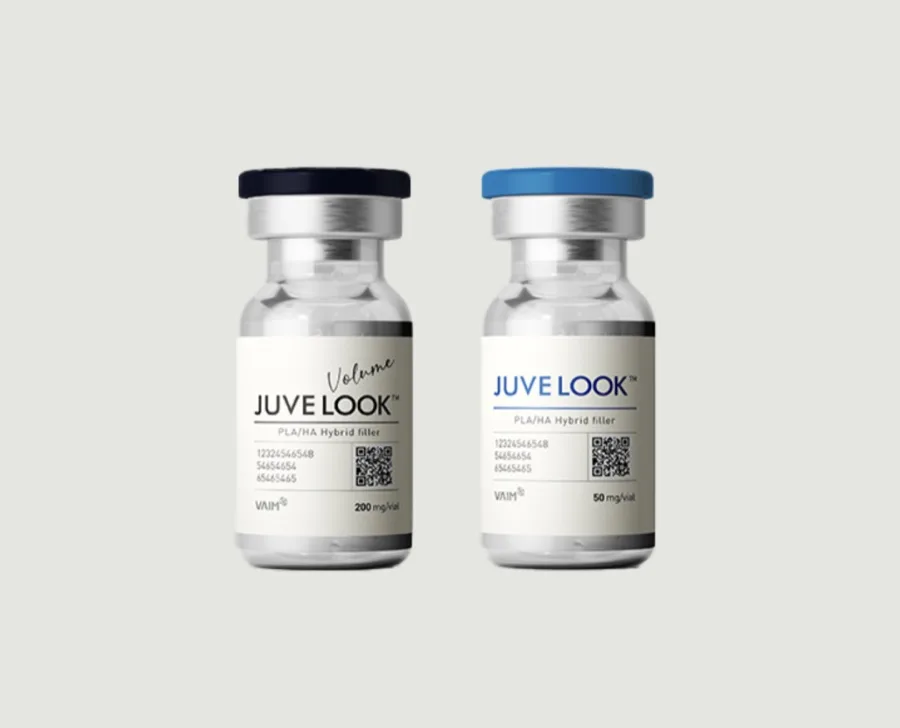
Juvelook is an injectable collagen booster made by the Korean company VAIM. Each vial combines poly-D,L-lactic acid (PDLLA), a biodegradable polymer, with hyaluronic acid, and the label calls it a PLA/HA hybrid filler. The hyaluronic acid hydrates the skin early. The PDLLA particles remain and prompt the skin to produce its own collagen over the following weeks.
Rewind uses two strengths, printed on the vial labels: Juvelook at 50 mg per vial and Juvelook Volume at 200 mg per vial.
The name PDLLA is where most online confusion starts. Lactic acid exists in two mirror-image forms, known as L and D, and either can be linked into a polymer. Using only the L form gives poly-L-lactic acid (PLLA), the material in Sculptra and in the Olidia line. Combining D and L forms gives poly-D,L-lactic acid, the material in Juvelook. The two belong to the same family and have been compared in the published literature, including a 2022 study of how their early volume effect differs.
In this product the hyaluronic acid plays a supporting part. It travels with the particles, makes the skin look hydrated for a short time and then disperses, leaving the polymer to do the slower work that the treatment is chosen for.
Ingredients
Read the vial label beside the manufacturer's description and the product breaks down into four parts worth understanding before a consultation.
Mechanism
The next question patients ask is how a polymer can make skin produce collagen. In short, the skin treats the particles as something to respond to, and part of that response is new collagen laid down around them.
The doctor injects the preparation in many small amounts across the treated zone. The lower strength is placed closer to the surface for texture, and the Volume strength deeper where softness has been lost.
Research on the biological basis of polylactic-acid augmentation describes a controlled response in which fibroblasts, the cells that make collagen, become more active around implanted particles. Over time that activity is what thickens and firms the skin.
PDLLA is biodegradable, so the particles are broken down slowly by the body. A clinical histology study of injectable poly-L-lactic acid has examined how long the stimulating activity of this polymer family persists in tissue after injection.
Because the change is built by the skin, it appears gradually and looks like the same face with firmer, smoother skin. How long it lasts varies from person to person; Rewind's booster guidance gives a range from one to three months up to more than a year, depending on product and skin.
PDLLA vs PLLA
Rewind holds both families: Juvelook on the PDLLA side, Olidia and Sculptra on the PLLA side. Knowing the difference makes the doctor's reasoning easier to follow.
The 2022 comparison of injectable PLLA and PDLLA looked specifically at the early-stage volume effect of each, one reason the two are not treated as interchangeable when timing matters.
The poly-L-lactic acid products on the shelf, Olidia and Sculptra, are prepared without hyaluronic acid. The added hydration in Juvelook is part of the reason patients often notice a fresher look early, before the collagen phase.
Surface texture and fine lines, deeper hollows and thin lower-lid skin can each point to a different product or strength. Dr. Choi examines first and names the product second.
On the day

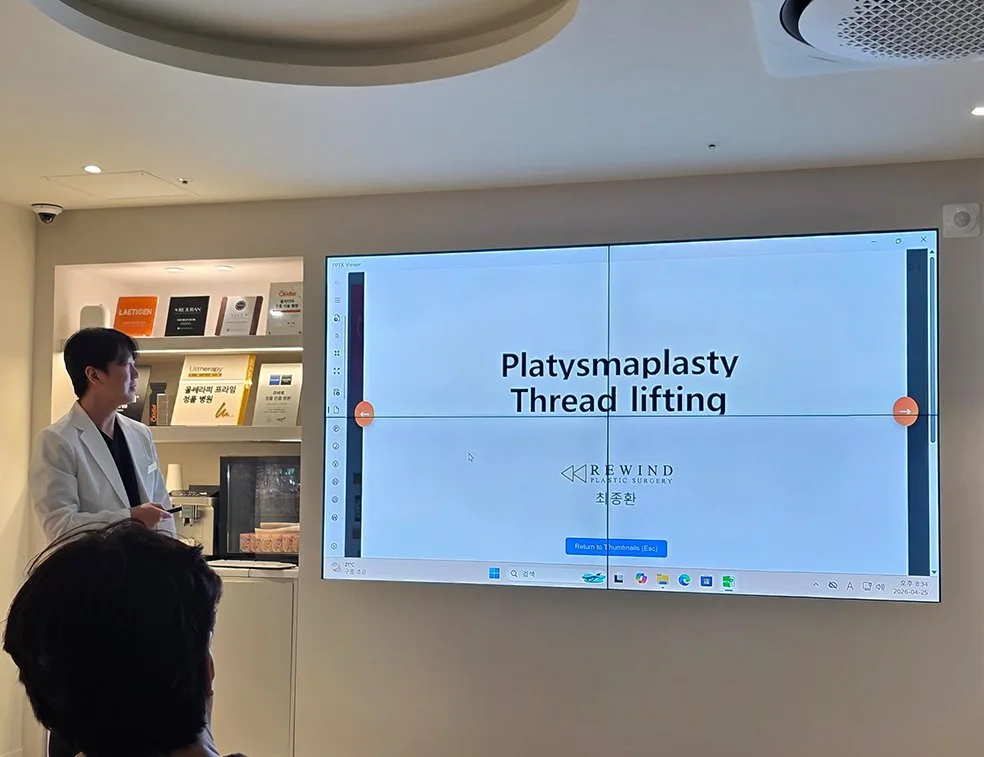
Fig. 04 · The lounge where patients wait before the consultation
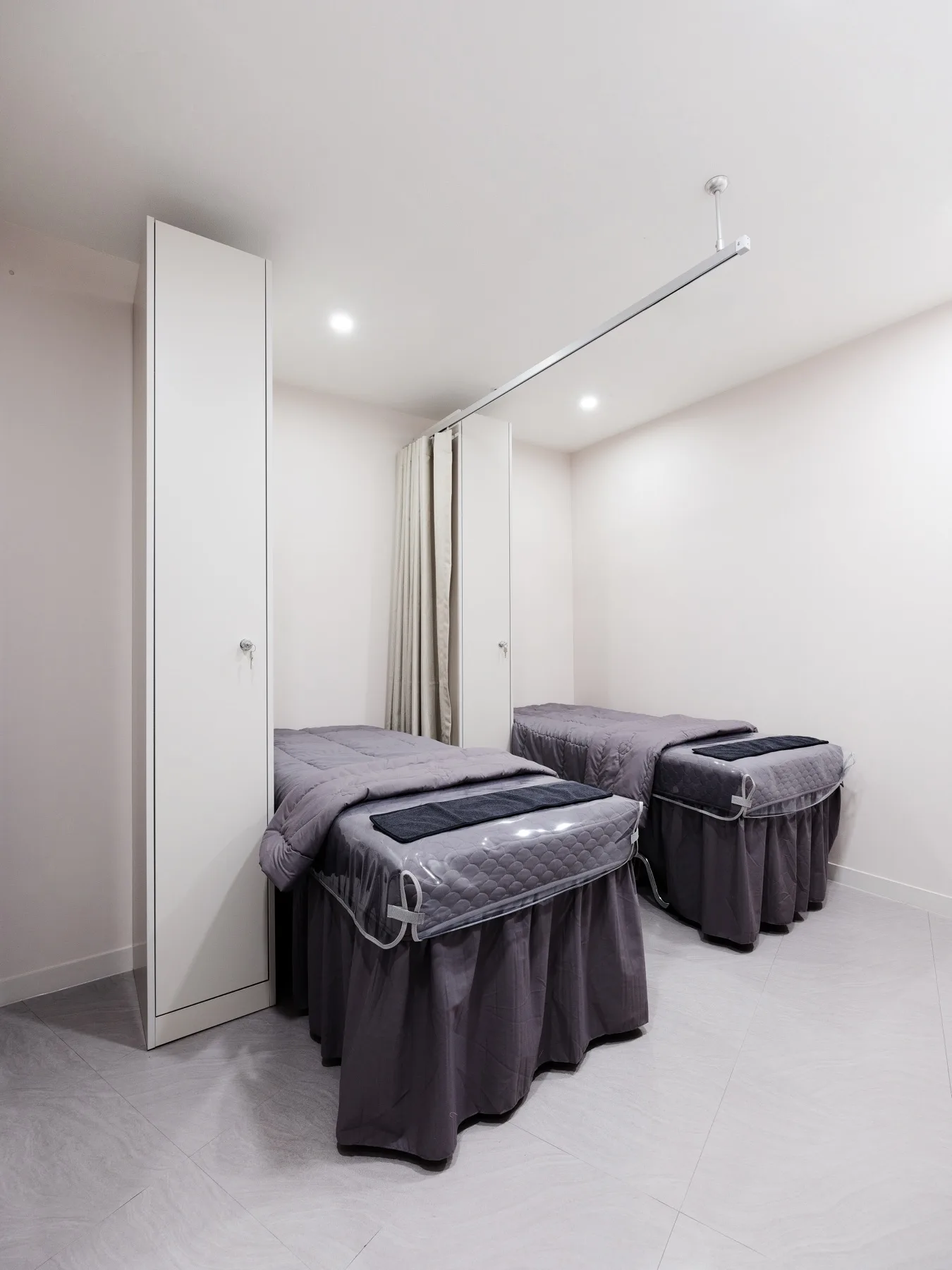
Fig. 05 · The room where injectables are given
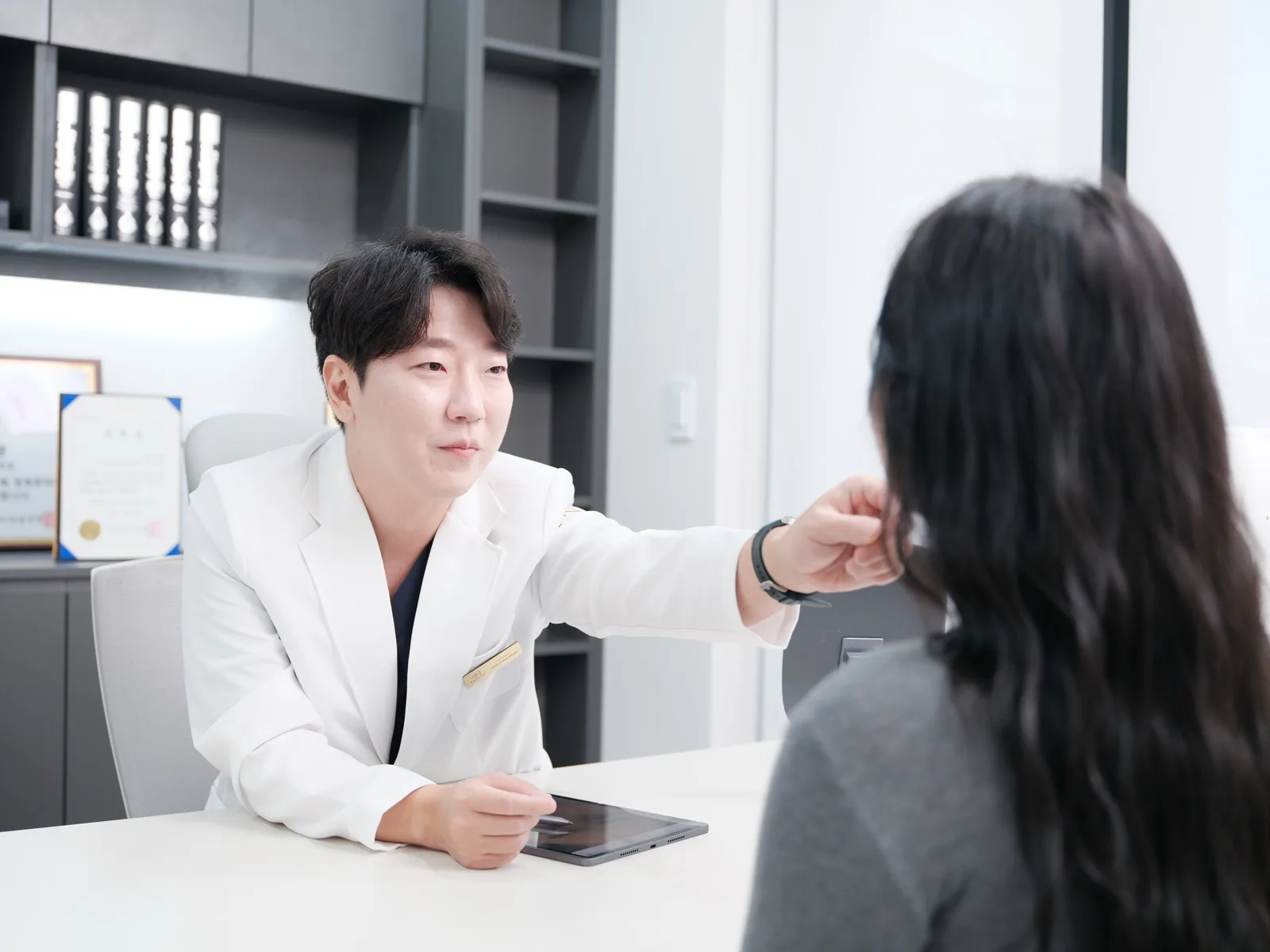
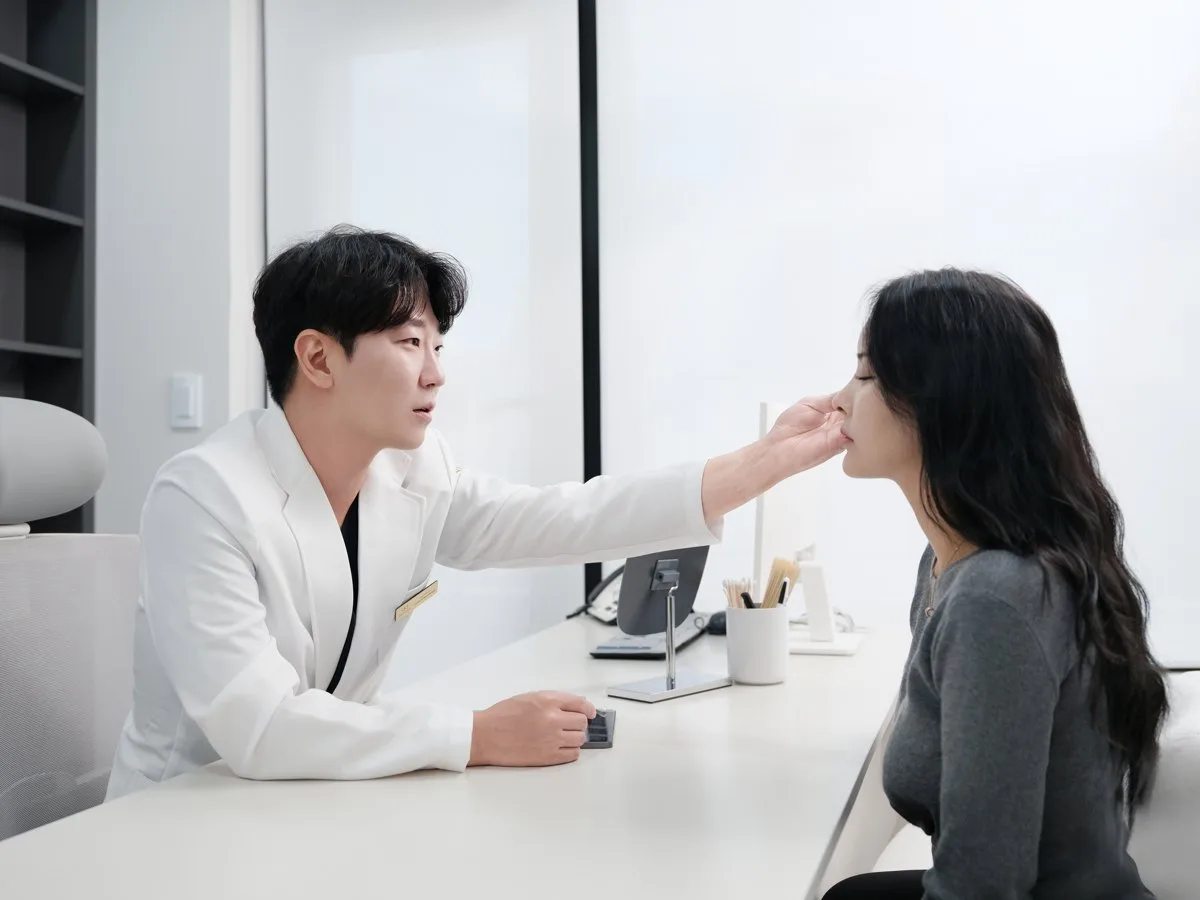
A first visit begins with an examination and an explanation of the product, including which vial and strength have been chosen. A numbing cream goes on before injection; there is no incision and nothing to remove afterwards. Rewind sees patients by appointment on the fourth and fifth floors of the Richro Building in Gangnam, Seoul, with Thursday and Sunday closed, weekday hours ending at 19:00 and Saturday hours at 16:00.
You will see the Juvelook vial before it is opened. The name, the Volume marking where it applies, and the milligram strength on the label are the details to check against your plan.
Pricing
Both strengths are listed per vial at the same rate. How many vials a treatment uses is set after the examination and written into your plan.
The figures above are per-vial list rates; VAT is charged in addition. The numbing cream applied before injection is covered by the rate. The number of vials and visits is confirmed at consultation.
This month at Rewind — offers published by the clinic, updated monthly.
Suitability
Aftercare
Because Juvelook comes in two strengths, the clinic's aftercare comes in two versions. Both are short, and neither asks for time away from work.
As with any injection there are risks. Redness, swelling, bruising and tenderness are common at first. Firm points or nodules where the particles were placed are the complication watched for with polylactic acid. Depth and dose are decided by the doctor for that reason. Infection and vascular occlusion are rare and serious; report worsening pain, blanching or any new lump promptly.
At Rewind, one board-certified plastic surgeon carries every case — from the first consultation to the final follow-up. Because a face is a story, and a story deserves a single author.
 Rewind,
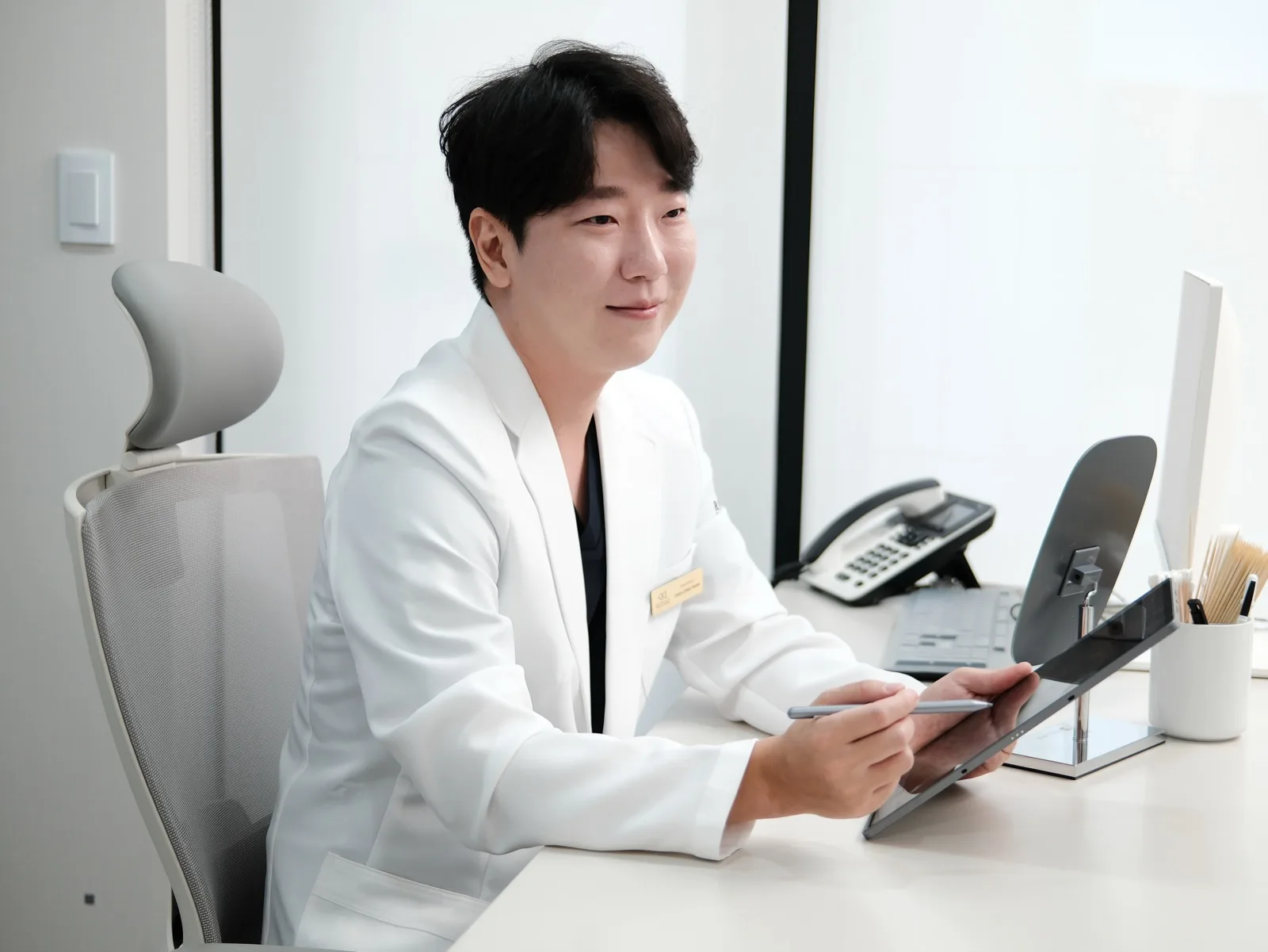
Rewind's Doctor
Dr. Jonghwan Choi Medical Director
One surgeon, from the first
consultation to the last follow-up.
A board-certified plastic surgeon devoted to anti-aging lifting — with the precision and restraint built through years of craniofacial practice.
Questions
Google Reviews
Came to REWIND to get my facial treatment and i'm absolutely obsessed about it💞 the doctor is so kind and is an expert! Everyone must visit!
YunHee Hong2 weeks agoThere are just way too many cosmetic clinics in Korea and I'm so happy I found Rewind Clinic in Gangnam. Dr. Choi was so kind and patient while explaining the different face-lifting options, from threads to mini-lifts to deep-plane lifts…
 J. S.5 months ago
I found Rewind clinic through a Korean chat forum and many local clients highly recommended it. The clinic is brand new, featuring large, clean rooms and many private waiting areas so it doesn't give off that "factory" clinic vibe. All the…
 J. Siou5 months ago
Really nice environment. Doctor is easy to communicate and understands my visions. Waited two weeks to make a review and I confirm the results exceeded my expectations and I am super happy with it. Can't wait to come back!! :))
 Kristie Chu5 months ago
I received a thread lift at Rewind Plastic Surgery. The clinic was clean and the atmosphere was comfortable. The consultation was thorough, and I felt confident because they kindly explained everything tailored to my facial condition. They…
Reservation
Tell us what you are considering — we reply as soon as possible, in your language.
For international patients — interpreter-assisted, from your first message to your follow-up.
Scientific evidence
The three references explain the material: a comparison of the early volume effect of the poly-L and poly-D,L forms, a review of the biological basis for polylactic-acid augmentation, and a histology study of how long injectable poly-L-lactic acid remains biologically active. They describe the product class and were not performed at Rewind or on its patients.