Surgery · Eyelid Recovery
A recovery borrowed from the crease, with one more thing to watch
Gangnam, Seoul | Board-certified plastic surgeon, Dr. Jonghwan Choi
Recovery follows the carrying crease method · KHIDI-registered for international patients
Recovery, in short
The short answer
Rewind performs ptosis correction only together with a double eyelid crease, so its recovery follows the aftercare sheet for that crease method. Rewind's buried-crease sheet puts visible swelling and bruising at around 48 hours; its incisional upper-lid sheet gives bruising and swelling one to two weeks to fade. With the correction added the lid has had more work, so plan on the slower end, and expect lid height to keep settling after the bruising has gone.
Rewind publishes no separate recovery sheet, suture-removal day, anaesthetic or theatre time for the correction. Timings below come from the clinic's sheets for its crease and upper-lid operations, and anything specific to your plan is confirmed by the surgeon.
When do the eyelid heights even out? No date is published. Swelling rarely leaves two lids at the same speed, so they can look uneven for a while even when the correction is on target. The operating surgeon compares them at follow-up, and a difference that persists once the swelling has gone is assessed before anything further is discussed.
For someone flying in, that means booking two kinds of time: the days until you feel presentable, and the follow-up visits at which the surgeon checks the lids. The first depends mostly on the crease method. The second is set at your consultation, against the days the clinic is open.
What is healing
Recovery is easier to plan once you know what is healing. After ptosis correction four things settle, and they do not settle together.
Crease recovery on its own is covered on the double eyelid surgery recovery time page; this page adds what the correction changes.
The timeline
The stages below follow Rewind's published sheets. Where the clinic gives no figure, none is given here.
You rest in the recovery room before leaving. From the start the area is kept clean to prevent infection, the eyes are not rubbed, and forced eye movements are avoided, as the incisional upper-lid sheet asks.
After a buried crease Rewind records swelling and bruising for about the first 48 hours. With the correction added this phase may run longer and may differ between the two eyes.
The buried-lid sheet asks you to avoid saunas, steam rooms and hard exercise for about a week and to use a low-irritant cleanser without scrubbing. The partial-incision sheet adds alcohol, smoking, contact lenses, makeup and eye-squeezing exercises until the surgeon clears them.
The buried-crease sheet lets you wash your face from the day following suture removal; eye makeup waits another one to two weeks. When the sutures come out is decided at follow-up, since no day is published for this item.
Once bruising has gone the lid can still be settling. Rewind notes that an incisional line's redness has faded enough for light makeup by about two months. A thread that loosens or a lid shape that changes after a buried crease is a reason to come in early.

Why plan it this way
The part of recovery that belongs to the correction, the height of the lid, cannot be judged from a hotel room. That shapes how a stay is planned.
Photographs taken at home in the first days often show one lid higher than the other. Much of that is uneven swelling, and the surgeon who set the height is the one who can tell it apart from a real difference.
Thursdays and Sundays are closed days at Rewind, and Saturday hours end at 16:00. Follow-up dates should be agreed at the consultation, so that a return flight does not fall ahead of the check.
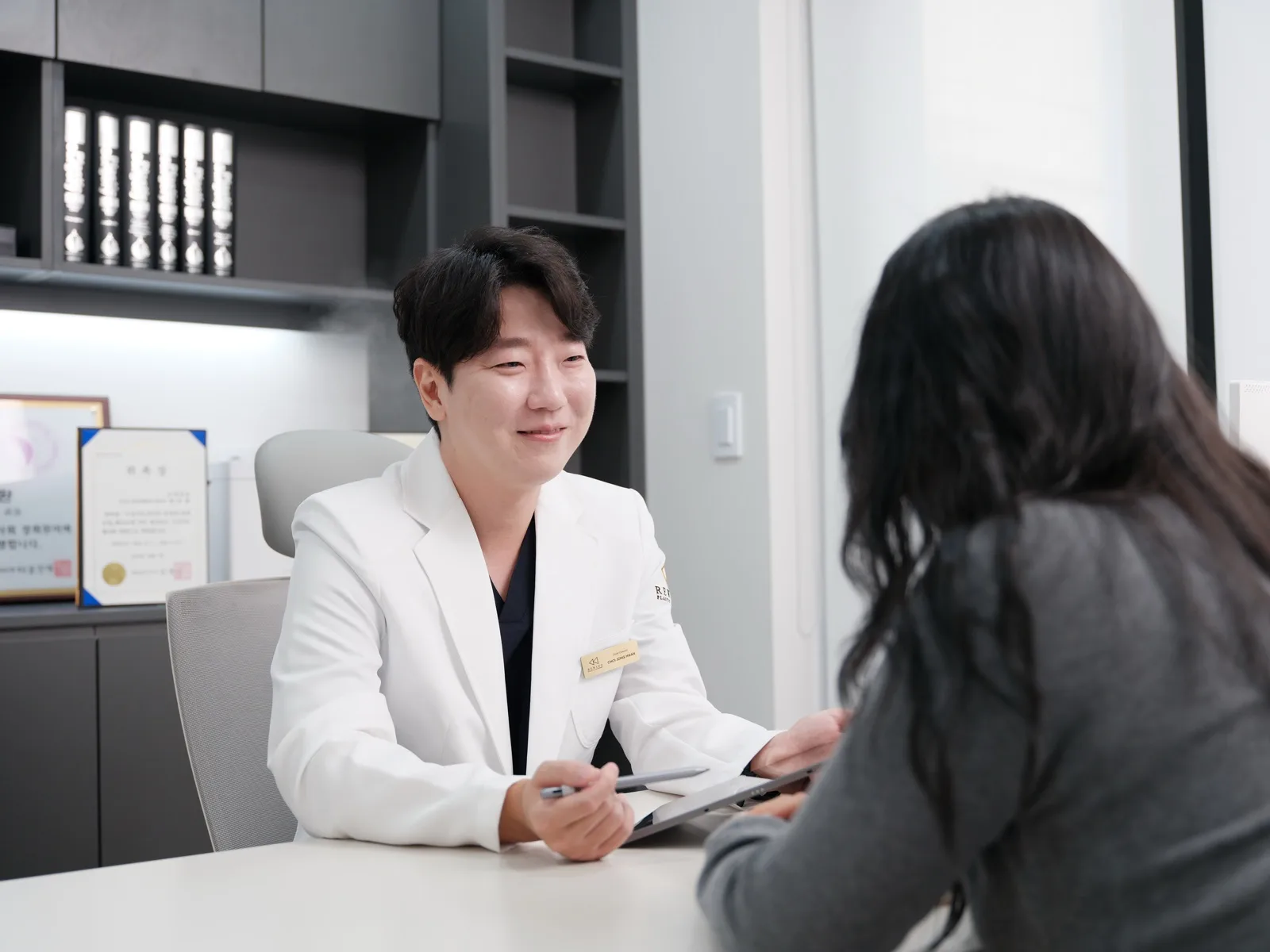
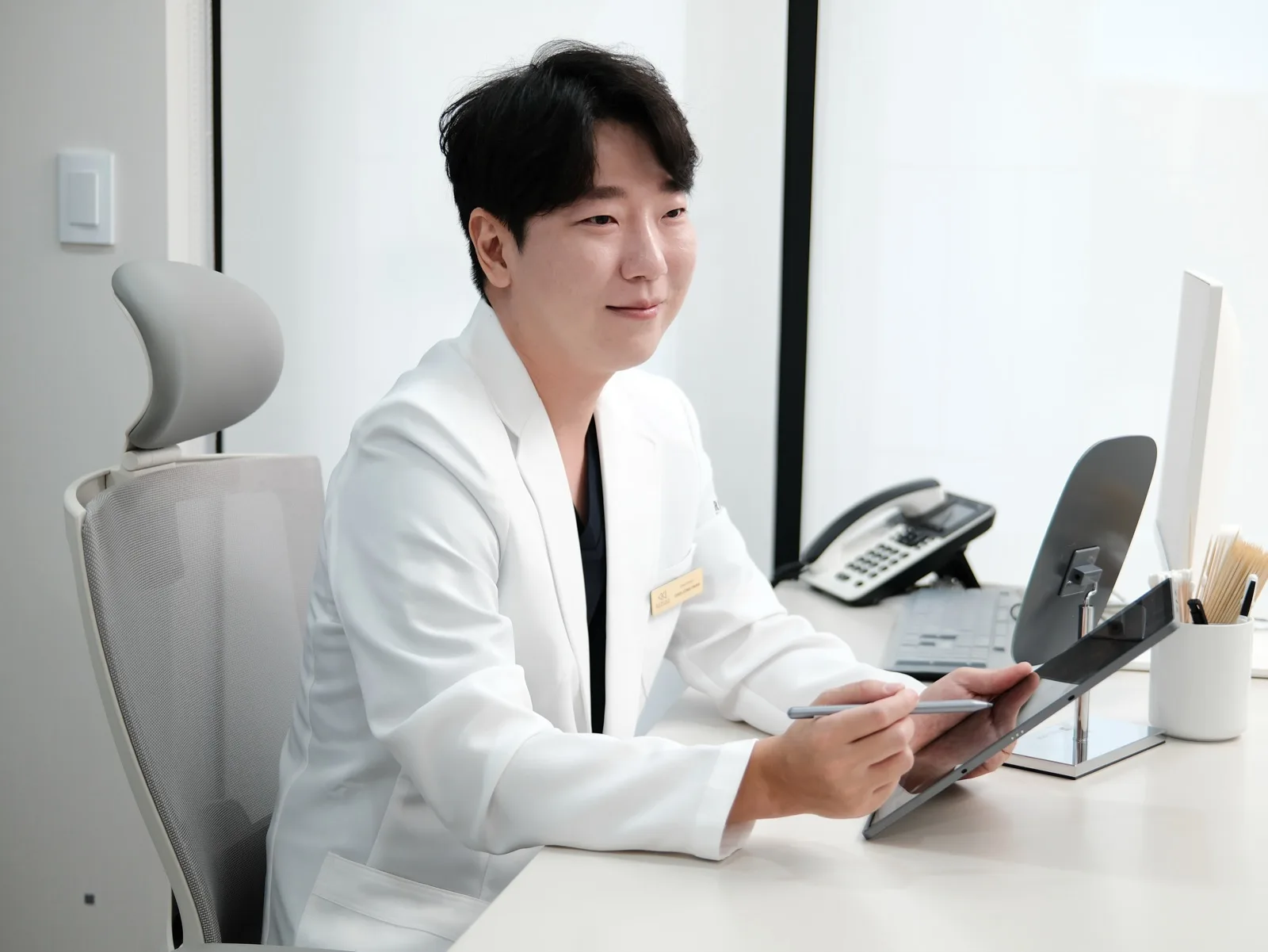
The medical director operates and holds every follow-up, so the lids are compared by the person who recorded their starting height. Language support continues through every follow-up for overseas patients at this KHIDI-registered clinic.
Surgery day

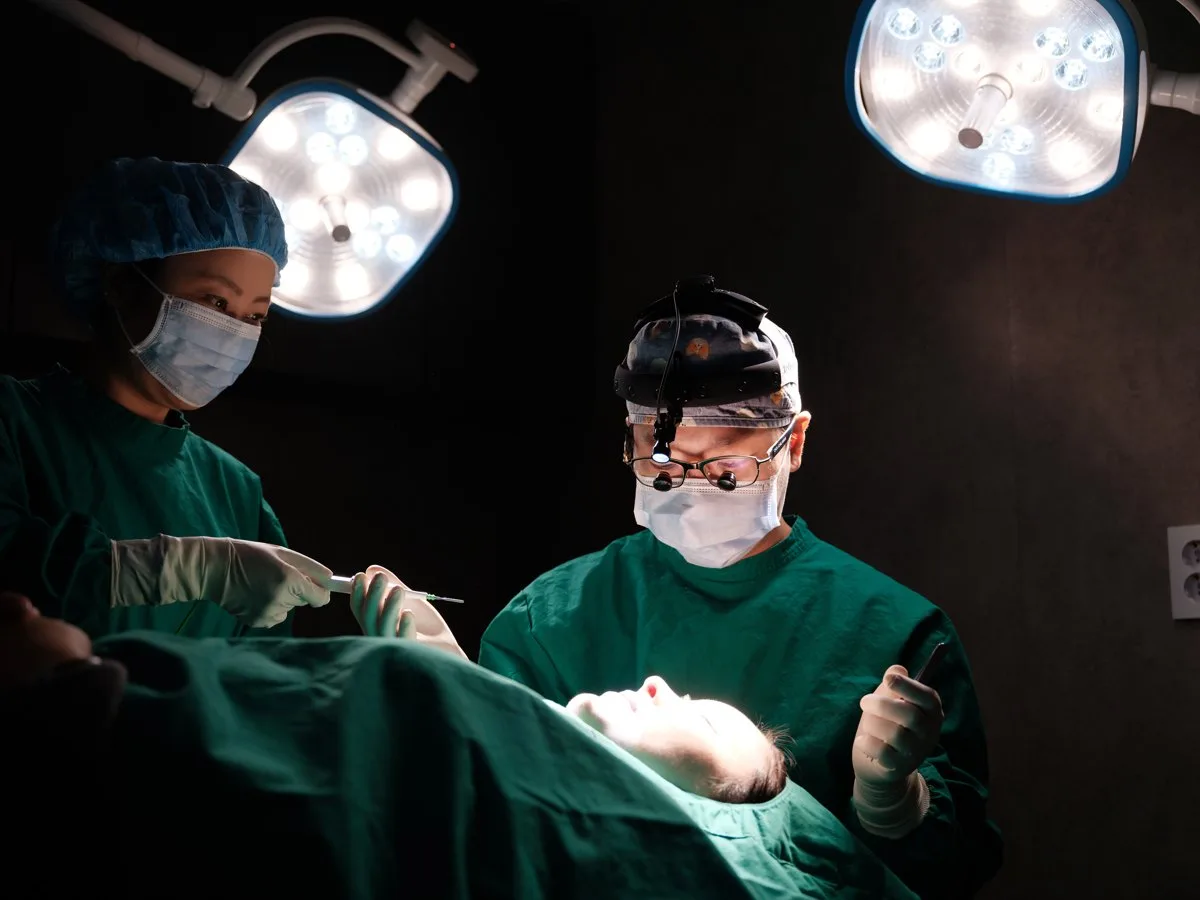
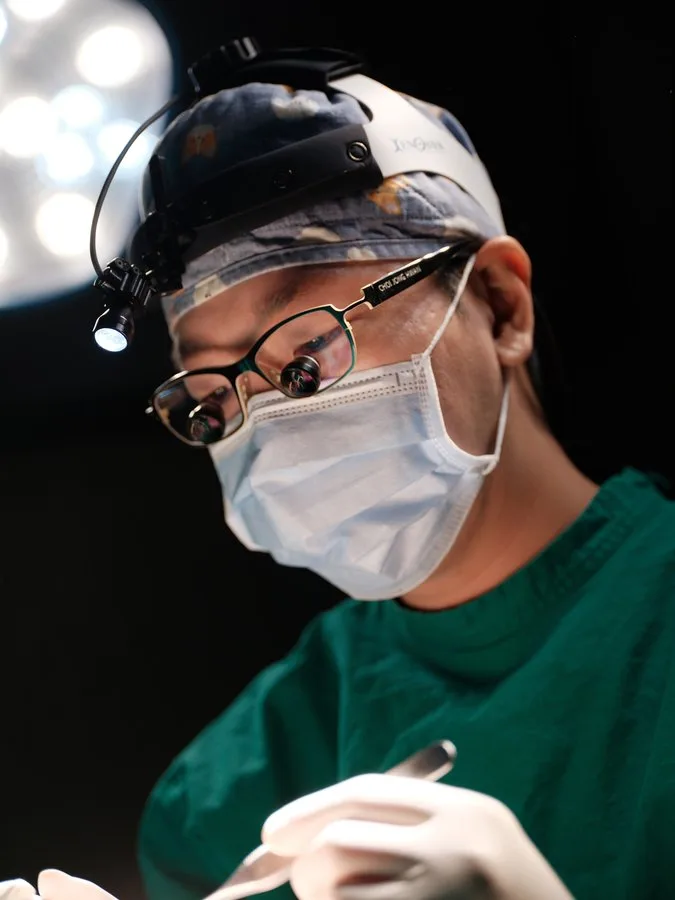
Fig. 04 — Eyelid surgery under magnification

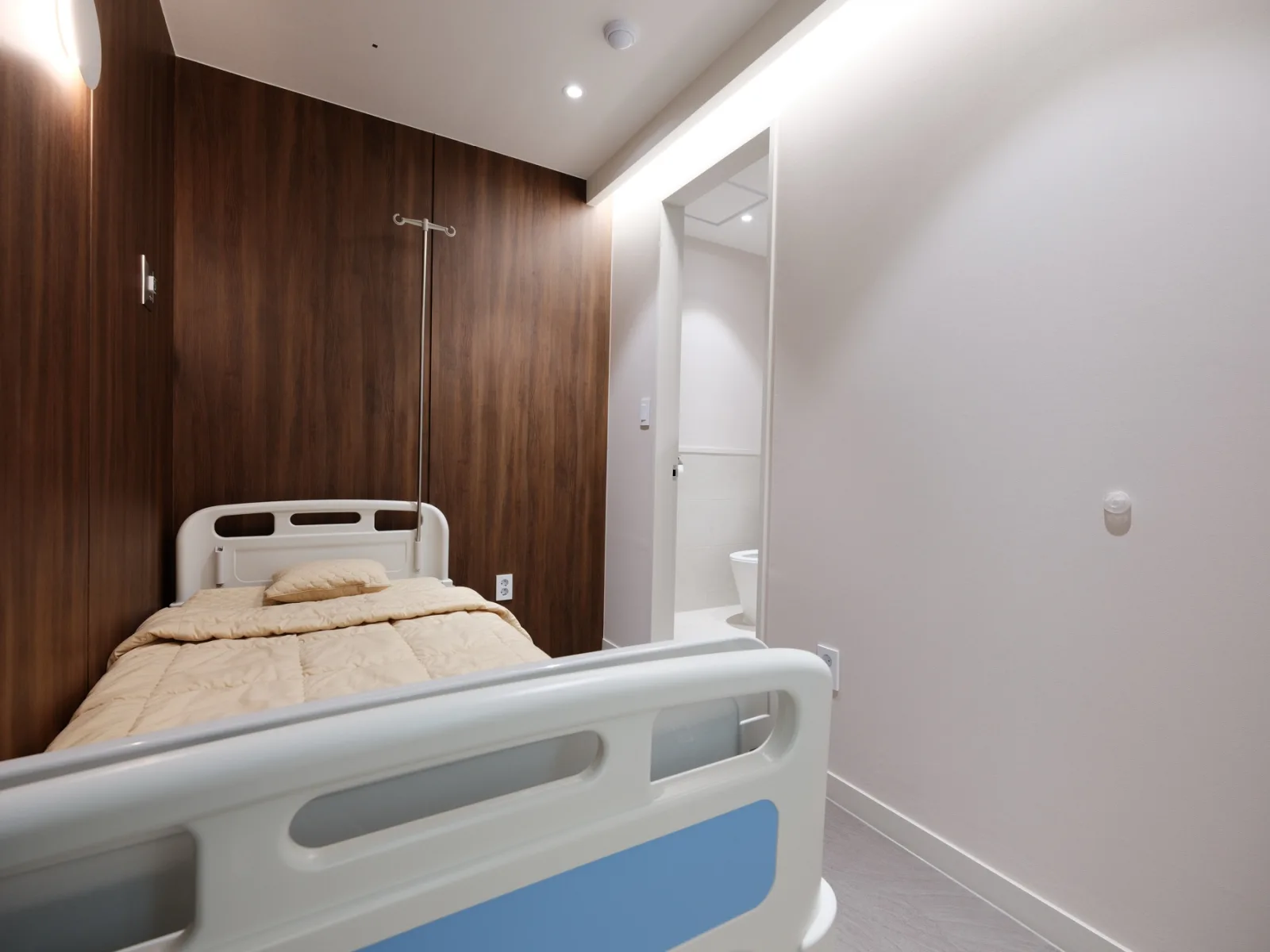
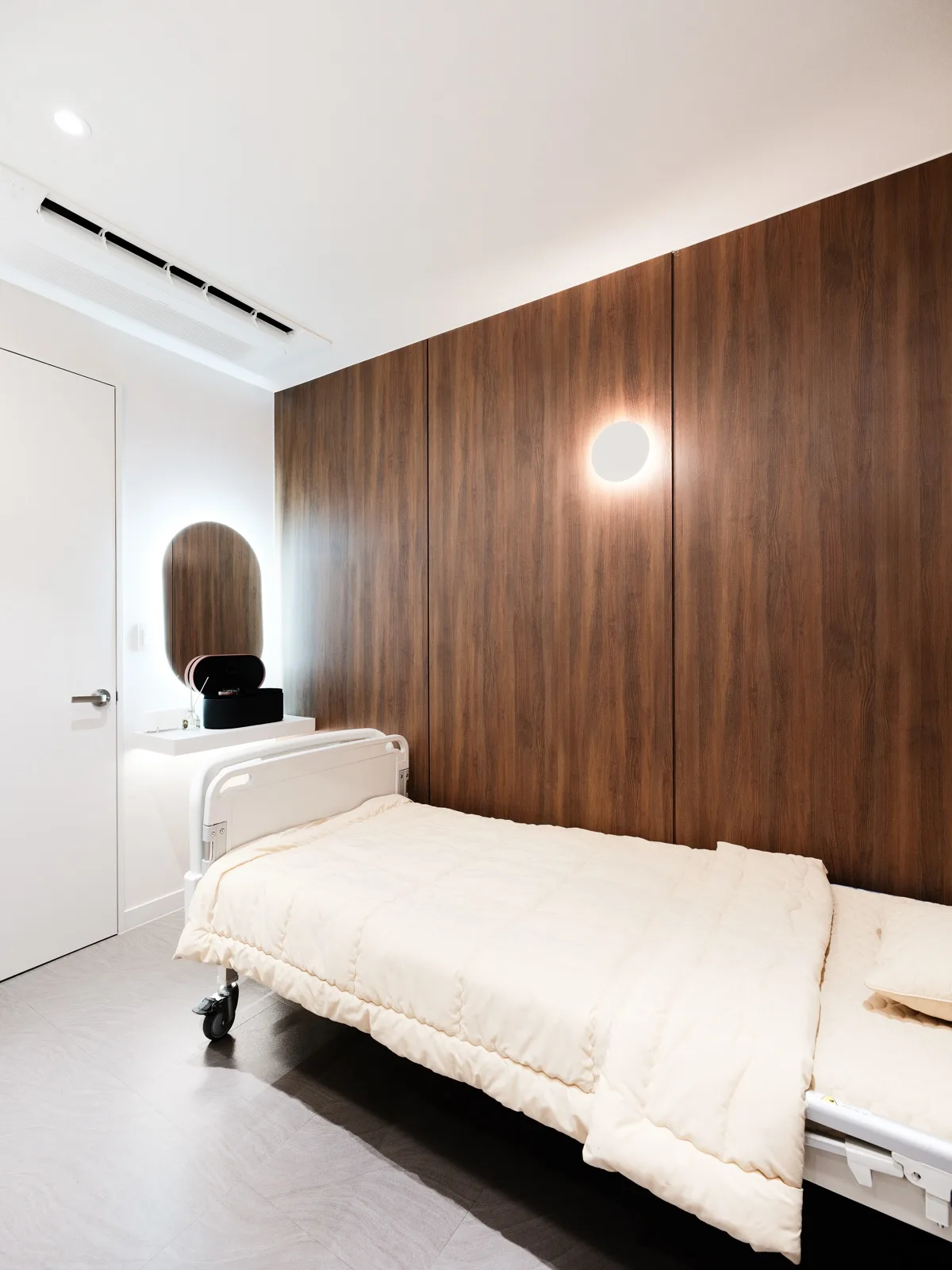
Fig. 05 — A private room for resting after surgery
The operation and the first rest afterwards both happen inside Rewind, on the two floors it occupies in the Richro Building, Apgujeong, Gangnam, Seoul. The clinic publishes no anaesthetic type or theatre time for the correction; both are confirmed at your consultation, together with when you can leave the building.
Board-certified plastic surgeon
Certified in Korea as a plastic surgeon, and a member of the Korean Cleft Palate-Craniofacial Association. Rewind treats patients from abroad under KHIDI registration M-2025-01-08-09288.
Rates and recovery
The crease method sets both the base rate and most of the recovery, so the two are worth reading together.
Each figure is a listed rate with the anaesthetic fee inside and VAT still to be added. A shorter recovery is no reason to choose a method the lid cannot hold: the method is set by lid thickness and fat, and the recovery follows from it.
Fitting it into a trip
Rules and warning signs
These are the restrictions on Rewind's sheets for the crease methods that carry the correction, gathered in one place.
Contact the clinic promptly for severe pain, fever, persistent bleeding or a sudden change in vision. Uneven swelling, a lid that seems to sit too high or too low, dryness or irritation of the eye surface and altered sensation are all recognised after eyelid surgery and are assessed at follow-up. Surgery is not scheduled while infection or inflammation around the eye is present.
At Rewind, one board-certified plastic surgeon carries every case — from the first consultation to the final follow-up. Because a face is a story, and a story deserves a single author.
Rewind,
Rewind's Doctor
Dr. Jonghwan Choi Medical Director
One surgeon, from the first
consultation to the last follow-up.
A board-certified plastic surgeon devoted to anti-aging lifting — with the precision and restraint built through years of craniofacial practice.
Google Reviews
"Sample review card — at launch this section pulls the clinic's real Google reviews automatically, shown verbatim with the reviewer's initial and posting date."
"Sample review card — reviews are never written or edited by the clinic; only what patients posted on Google appears here."
"Sample review card — a 'See all reviews on Google' link takes visitors to the clinic's Business Profile."
Questions
Reservation
Tell us what you are considering — we reply within one business day, in your language.
Scientific evidence
Four papers inform this recovery page: a review of the complications seen after Asian double eyelid surgery and how they are prevented, a systematic review of small-incision crease methods, a short-incision crease series in Asian patients, and a five-year series in which crease and correction were combined without a skin incision. They report published patient groups and do not set Rewind's recovery timeline, which comes from the clinic's own aftercare sheets.