★★★★★
Came to REWIND to get my facial treatment and i'm absolutely obsessed about it💞 the doctor is so kind and is an expert! Everyone must visit!
 YunHee Hong2 weeks ago
Surgery · Eyelid Comparison
Tissue that has come down, or a fold that was never there
Gangnam, Seoul | Board-certified plastic surgeon, Dr. Jonghwan Choi
Two operations on the same lid, listed and priced apart · KHIDI-registered for international patients
The difference
The answer in brief
Upper blepharoplasty treats an upper lid that has descended: Rewind removes lengthened skin, upper-lid fat and slack muscle through the line of the fold and fixes the septum. Double eyelid surgery creates or redefines a crease, by a buried suture method anchored at seven micro-grooves, a partial incision of about five to seven millimetres, or a full incision. The first answers what has come down; the second answers where a fold should sit.
Facts on this page come from Rewind's Korean pages for the upper lid and for each crease method, together with the clinic's post-operative sheets and rate list.
For the second question, which procedure suits ageing eyelids and which suits monolids, the usual split is simple. A lid that has lost elasticity and now overhangs its own fold belongs to upper blepharoplasty, which the clinic files under middle-age eye surgery. A monolid, or a lid with a faint fold, whose tissue has not descended belongs to double eyelid surgery. The two meet in the middle, where a thick lid with some sagging can sit on the full-incision crease list as well.
That overlap is where most of the confusion starts. Both operations can involve an incision in the fold and removal of fat. What differs is the aim and the amount of tissue: a crease operation is designed around the line, and upper blepharoplasty is designed around the excess.
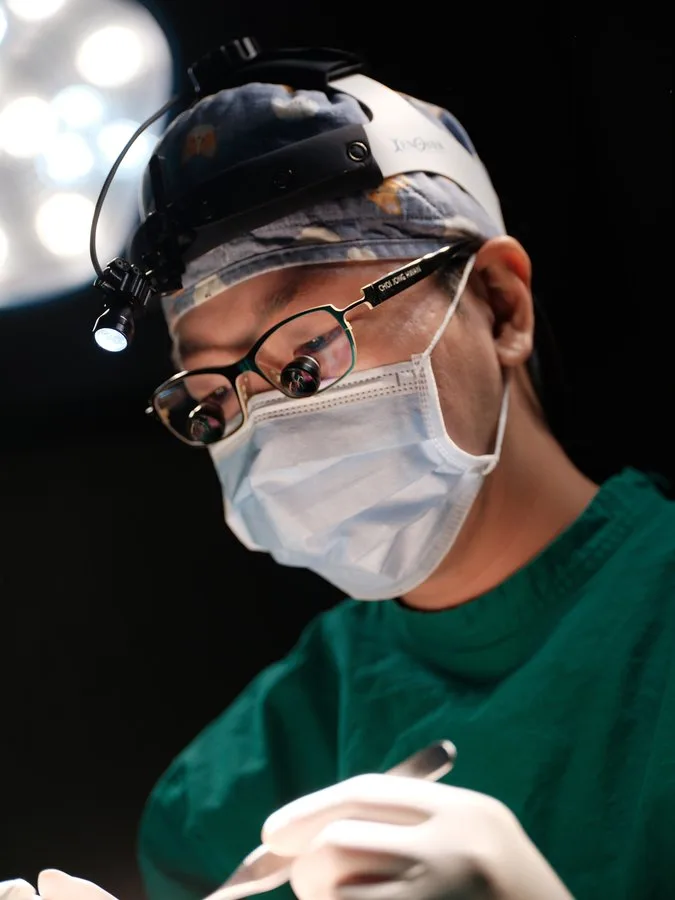
Point by point
Set side by side, the two operations differ in the question they answer, what they remove, the lids they suit and the line they leave.
The crease methods are described in full on the double eyelid surgery page, and the choice among them on non-incisional vs incisional double eyelid surgery. The operation for descended tissue is set out on the upper blepharoplasty page.
At the examination
The decision is made on the lid, in a set order. Each step either takes one of the two operations off the table or keeps both on it.
With the forehead at rest, the surgeon sees whether skin lies over the lid edge or over a fold, or whether the lid is simply smooth and single.
A crease buried under skin points toward removing the skin. No crease at all, on a lid without surplus, points toward designing one.
Lengthened skin, fullness from fat and slackened muscle are gauged. Surplus tissue belongs to upper blepharoplasty, while a lid with little surplus can take a buried or partial-incision crease.
A weak lift is a separate finding. If it is present, eye-opening correction is listed as an addition to a crease, and the page on ptosis correction vs double eyelid surgery explains that decision.
Someone wanting a new, defined fold and someone wanting a lighter, less tired lid can have similar lids. The request shapes which operation is offered and how the line is designed.
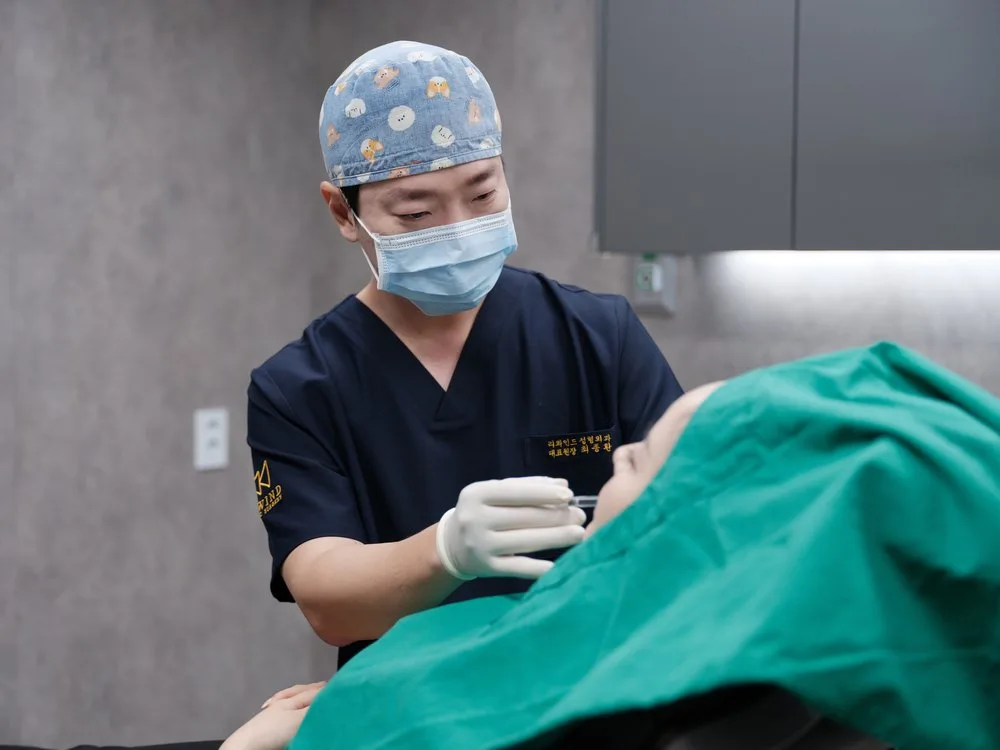
Why it matters
A crease placed on a lid that has descended can be covered again by the skin above it, and a lid that only needed a fold gains nothing from having tissue removed. Choosing correctly is the larger part of the result.
Blepharoplasty is used loosely for any eyelid operation. At the consultation the terms are pinned down, so the written plan names the operation you are actually having.
Dr. Jonghwan Choi, a board-certified plastic surgeon, performs the buried, partial-incision and full-incision crease methods and the upper-lid operation himself. Recommending one over the other changes nothing about who operates.
They carry their own rates and their own candidacy lists. If a fold and removal of tissue are both planned, each appears as its own item, and the reason for each is explained.

In the operating room
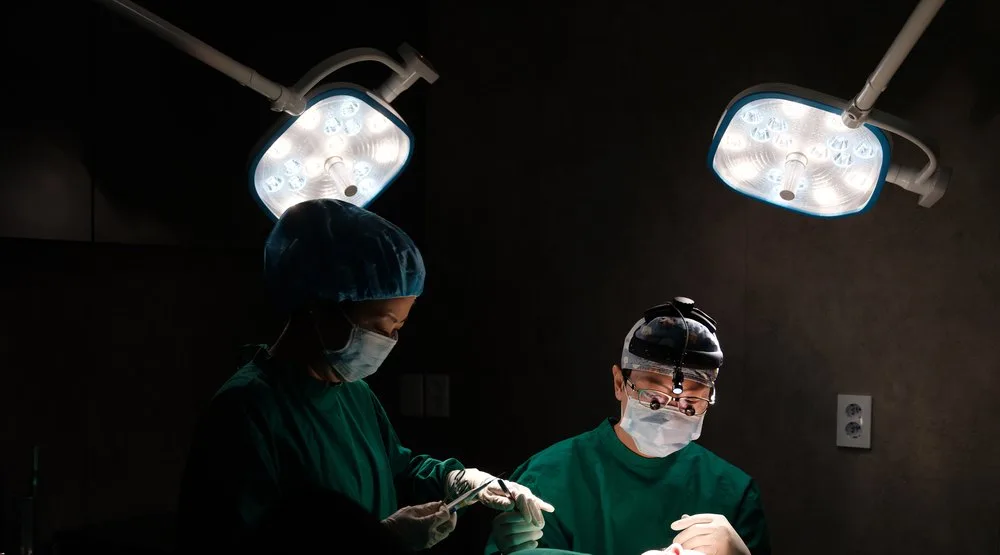
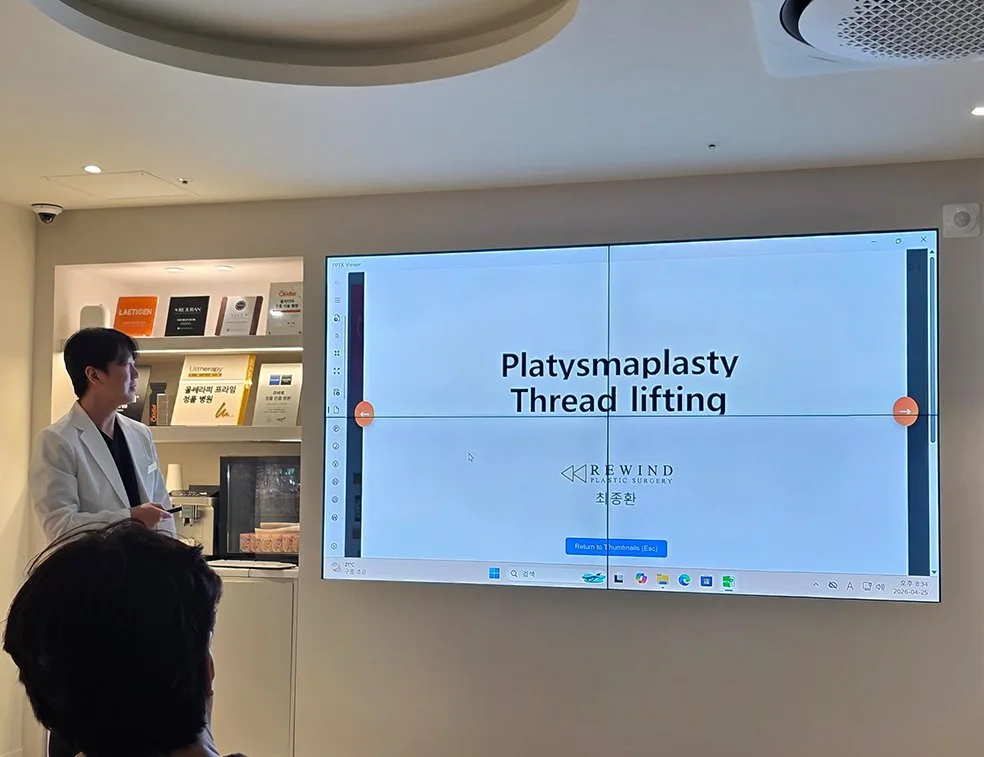
Fig. 04 — The theatre used for crease and upper-lid surgery alike
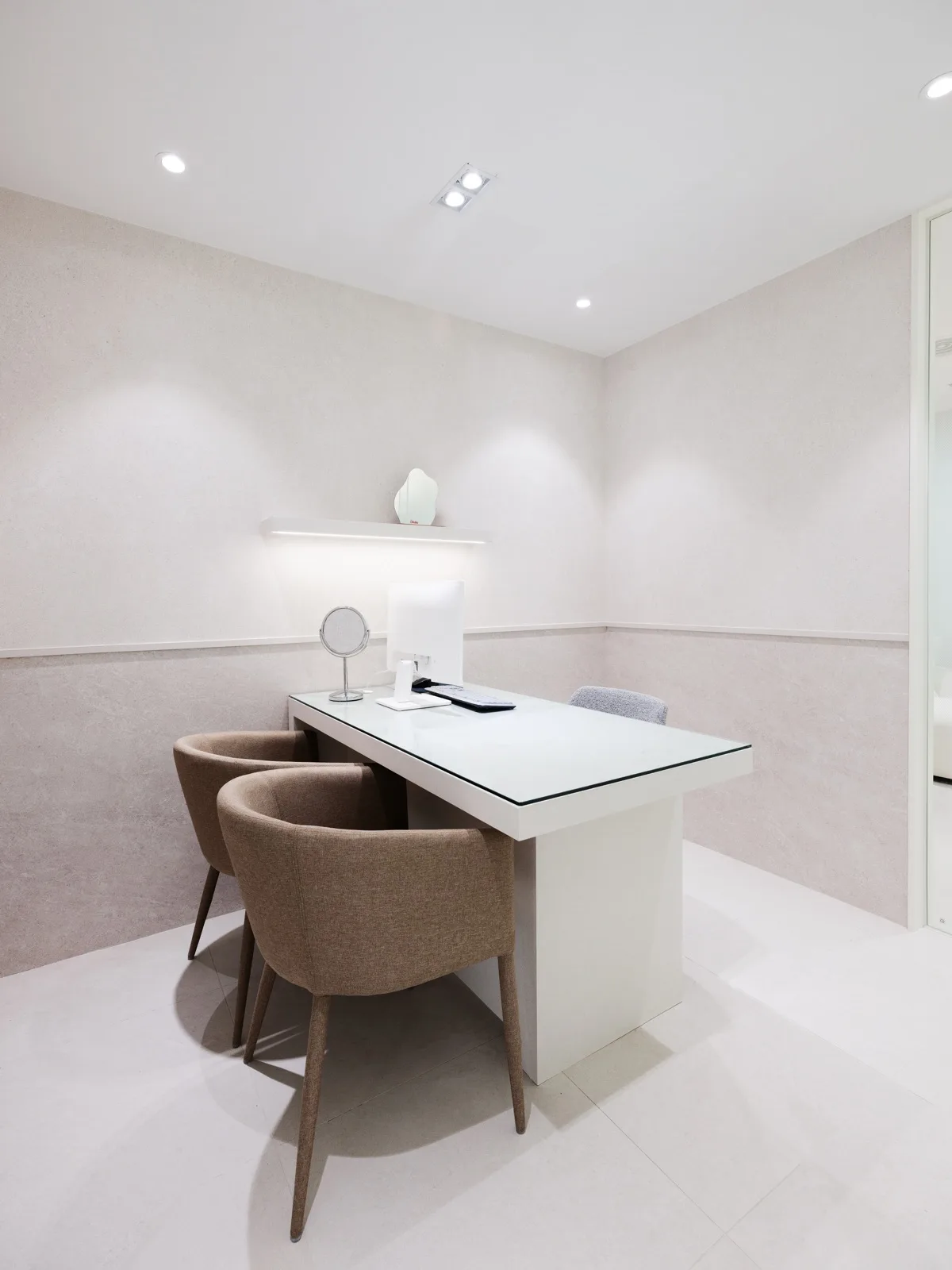
Fig. 05 — Where the choice between the two is explained
Both operations are carried out on Rewind's own floors, the fourth and fifth of the Richro Building in Apgujeong, Gangnam, by the medical director who examines you. Appointments are available on Monday, Tuesday, Wednesday and Friday until 19:00 and on Saturday until 16:00, and the clinic is closed on Thursday and Sunday. Rewind does not publish an anaesthetic type or an operating time for either operation; both are explained once the plan is agreed.

Board-certified plastic surgeon
Dr. Choi is a Korean-certified specialist in Plastic Surgery and a member of the Korean Society for Aesthetic Plastic Surgery, with ten peer-reviewed papers. International patients are received under KHIDI registration M-2025-01-08-09288.
Rates compared
The rates follow how much each operation does. Every figure below is in Korean won, includes the anaesthetic fee and excludes VAT.
Where a fold and removal of tissue are both part of a plan, the quotation lists each operation separately, with VAT as its own line.
A lower figure is a poor reason to pick one operation over the other. A lid that needs its surplus removed gains little from a cheaper crease, and a lid that needs only a fold gains nothing from the larger operation. The crease figures are broken down further on the double eyelid surgery cost page.
Ageing lids and monolids
The lists overlap at one point. Rewind's full-incision list includes a lid that sags heavily over the pupil, and the upper-lid list describes much the same lid in different words. For that lid the deciding factors are whether a new fold is wanted and how much tissue is surplus, and the surgeon explains which of the two he recommends and why.
Healing compared
The recoveries differ most between the buried crease and the two incisional operations. Rewind's pages and post-operative sheets give these figures.
A full-incision crease sits between the two, with a line whose redness the clinic expects to have eased by around two months. Every eyelid operation carries the risks of bleeding, infection, asymmetry between the lids, dryness and scarring, and a crease set too high for the lid can look thick and heavy, which Rewind's crease pages put down to over-correction.
At Rewind, one board-certified plastic surgeon carries every case — from the first consultation to the final follow-up. Because a face is a story, and a story deserves a single author.
 Rewind,
Rewind's Doctor
Dr. Jonghwan Choi Medical Director
One surgeon, from the first
consultation to the last follow-up.
A board-certified plastic surgeon devoted to anti-aging lifting — with the precision and restraint built through years of craniofacial practice.
Questions
Google Reviews
Came to REWIND to get my facial treatment and i'm absolutely obsessed about it💞 the doctor is so kind and is an expert! Everyone must visit!
YunHee Hong2 weeks agoThere are just way too many cosmetic clinics in Korea and I'm so happy I found Rewind Clinic in Gangnam. Dr. Choi was so kind and patient while explaining the different face-lifting options, from threads to mini-lifts to deep-plane lifts…
 J. S.5 months ago
I found Rewind clinic through a Korean chat forum and many local clients highly recommended it. The clinic is brand new, featuring large, clean rooms and many private waiting areas so it doesn't give off that "factory" clinic vibe. All the…
 J. Siou5 months ago
Really nice environment. Doctor is easy to communicate and understands my visions. Waited two weeks to make a review and I confirm the results exceeded my expectations and I am super happy with it. Can't wait to come back!! :))
 Kristie Chu5 months ago
I received a thread lift at Rewind Plastic Surgery. The clinic was clean and the atmosphere was comfortable. The consultation was thorough, and I felt confident because they kindly explained everything tailored to my facial condition. They…
Reservation
Tell us what you are considering — we reply as soon as possible, in your language.
For international patients — interpreter-assisted, from your first message to your follow-up.
Scientific evidence
Two of these papers describe crease techniques on Asian eyelids, one a short-incision method and one a buried, non-incisional method, and the third reviews how aesthetic outcomes are measured after upper blepharoplasty. Read together they show why the two operations are studied as separate subjects. None was carried out at this clinic, and none predicts an individual result.