Non-Surgical · Melasma
A condition to control, planned with relapse in mind
Gangnam, Seoul | Board-certified plastic surgeon, Dr. Jonghwan Choi
KHIDI-registered for international patients · Apgujeong Rewind
Melasma and pico toning
The short answer
Pico laser toning can lighten melasma, and Rewind in Gangnam, Seoul uses the Pico K for that purpose. It does not end the condition. Melasma is chronic and tends to recur, particularly with sun exposure and hormonal change, so a course is planned as a lightening phase followed by maintenance, with the number of visits set by the doctor after examining your skin.
The research figures on this page come from studies of low-fluence Q-switched lasers, the older toning technology that the picosecond protocol grew out of. They were not carried out at Rewind and do not predict an individual result.
Melasma is the brownish-grey patching that settles symmetrically over the cheeks, forehead, upper lip or jawline. It arises from a mix of sunlight, hormones and skin primed to overproduce pigment, so it often appears or deepens with pregnancy, hormonal contraception or a summer spent outdoors. Treating it with a laser means calming that overproduction without provoking more of it.
That last point shapes everything below. Heat and inflammation can make melasma darker, so the laser approach used for it is gentle, repeated and conservative. A pico toning plan for melasma moves more slowly and cautiously than one for freckles, and the maintenance conversation starts at the first appointment.
Where it shows
Where melasma sits, and what sits alongside it, decides how the passes are distributed and how cautiously the course begins.
Not every brown patch is melasma. Raised spots, marks that have changed in shape or colour and pigment that bleeds are examined as lesions and are not toned; the mole removal page explains that route.
What the studies show
Four studies from the reference list below frame realistic expectations. All used low-fluence Q-switched lasers; picosecond toning follows their protocol, and the same caution carries over.
Among 34 melasma patients given a low-fluence 1064-nm laser for a median of eight sessions two weeks apart, the average severity score fell from 6.7 to 3.2, and 20 of the 34 rated their melasma at least half improved when treatment ended.
In that same group, melasma had recurred in 20 patients one year after the final session, and the average score had climbed back from 3.2 to 5.8. The authors judged long-term recurrence to be high. That finding is why Rewind describes melasma treatment as management.
A split-face trial in 20 women with mixed-type melasma gave five weekly low-fluence sessions to the whole face and added intense pulsed light to one side. Lightness improved by 55 percent on the combined side and 37 percent on the laser-only side, and recurrence still appeared on both.
Biopsies from eight Korean women whose melasma improved after a series of low-fluence treatments showed fewer melanosomes and lower levels of pigment-making proteins, while melanocyte numbers were unchanged. The authors warned that repeated low thermal energy may harm those cells and leave lasting pale spots.

Approach
Each of these three decisions follows directly from the relapse and mottling findings above.
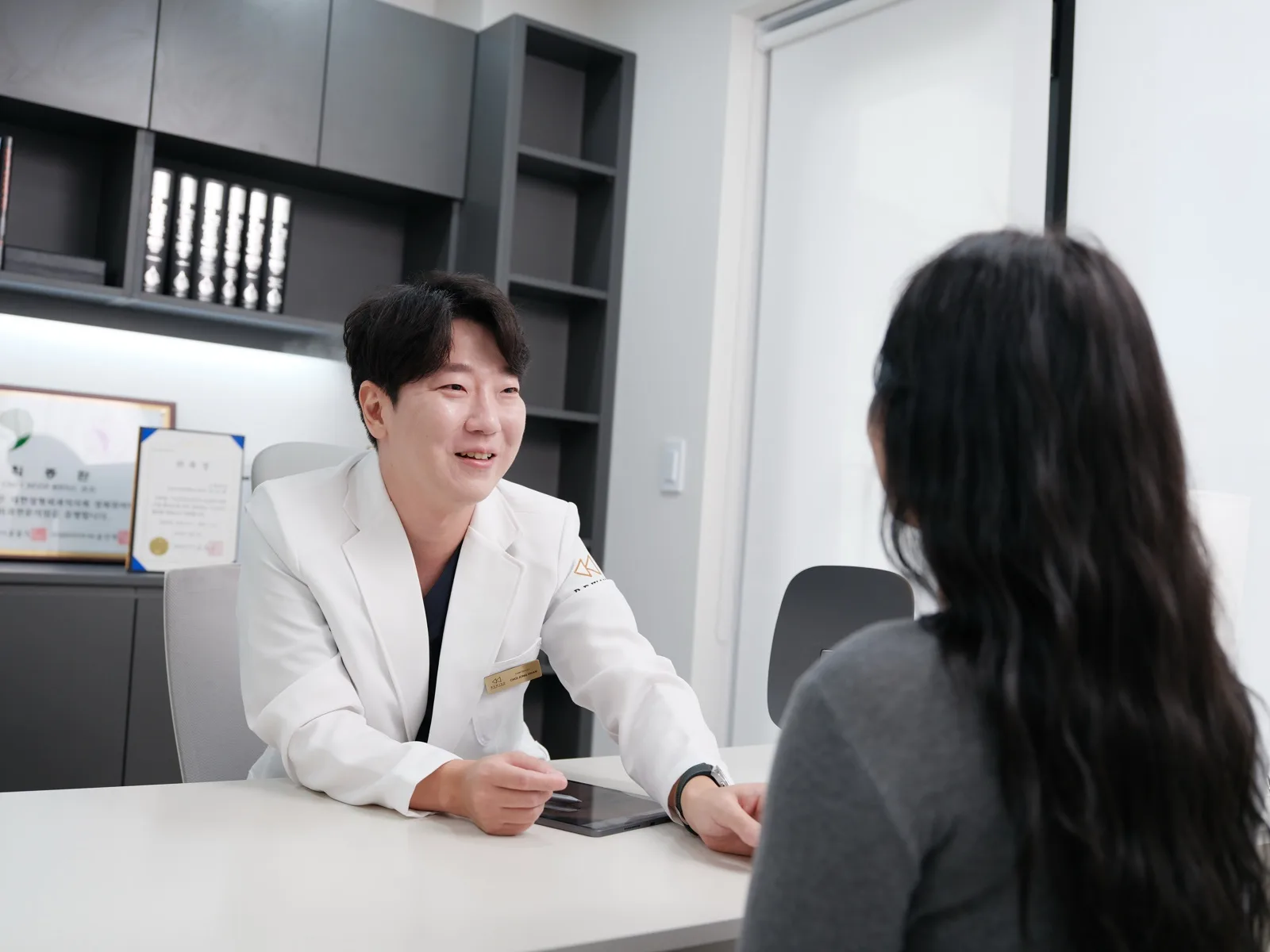
Melasma, sun spots and marks left by inflammation can share one cheek. Dr. Jonghwan Choi, a board-certified plastic surgeon, works out which is which, because energy that suits a freckle can aggravate melasma lying next to it.
Scattered pale spots are the recognised complication of repeated low-energy toning in melasma. The plan favours conservative energy, gives the skin time between visits, and slows further at the first sign of uneven lightening.
Given the relapse data, the consultation covers what happens after the lightening phase: daily sun protection, what to watch for, and when a top-up visit might be worth considering.
Melasma visit

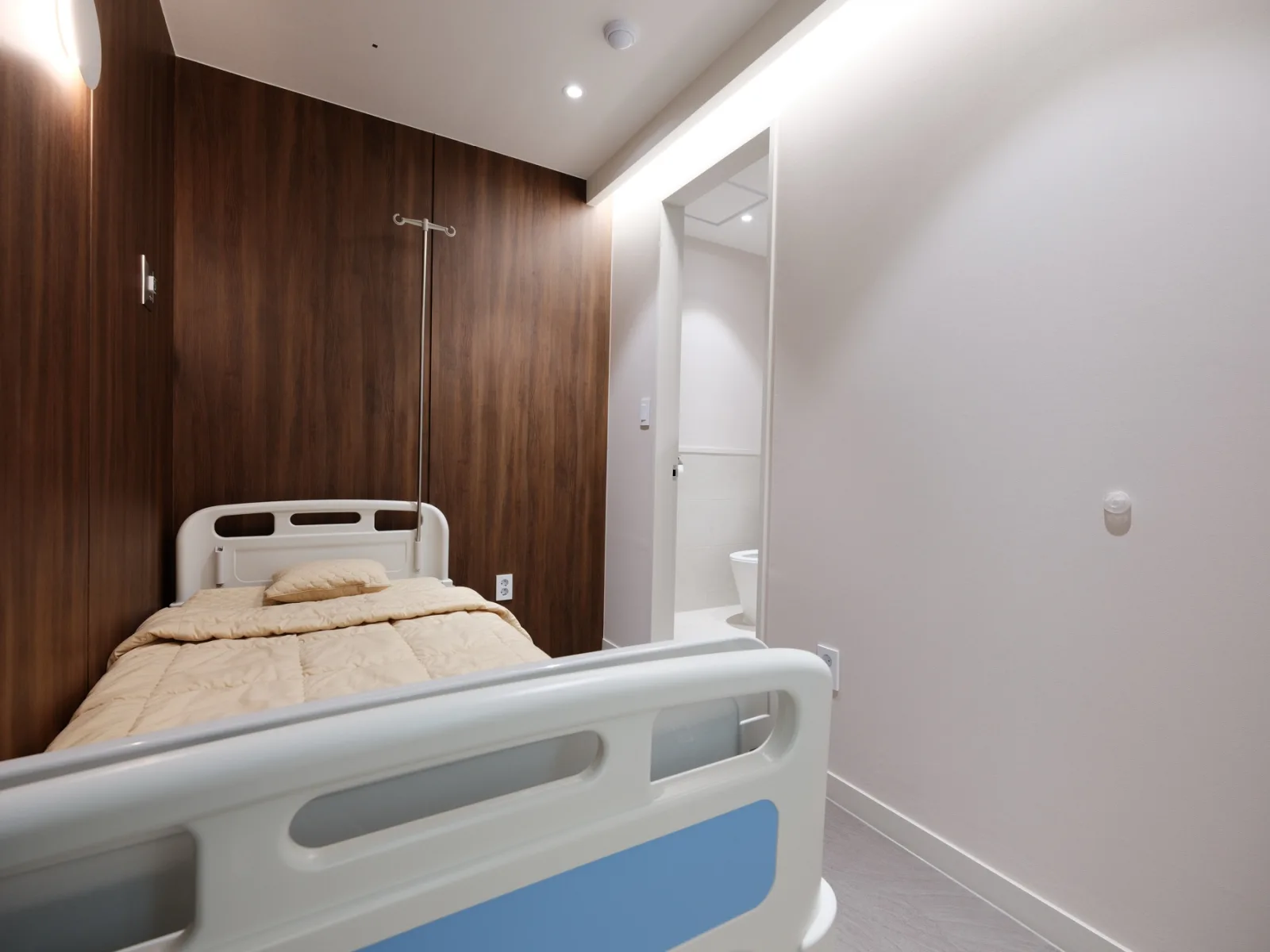
Fig. 04 — A private room for toning on the fourth and fifth floors

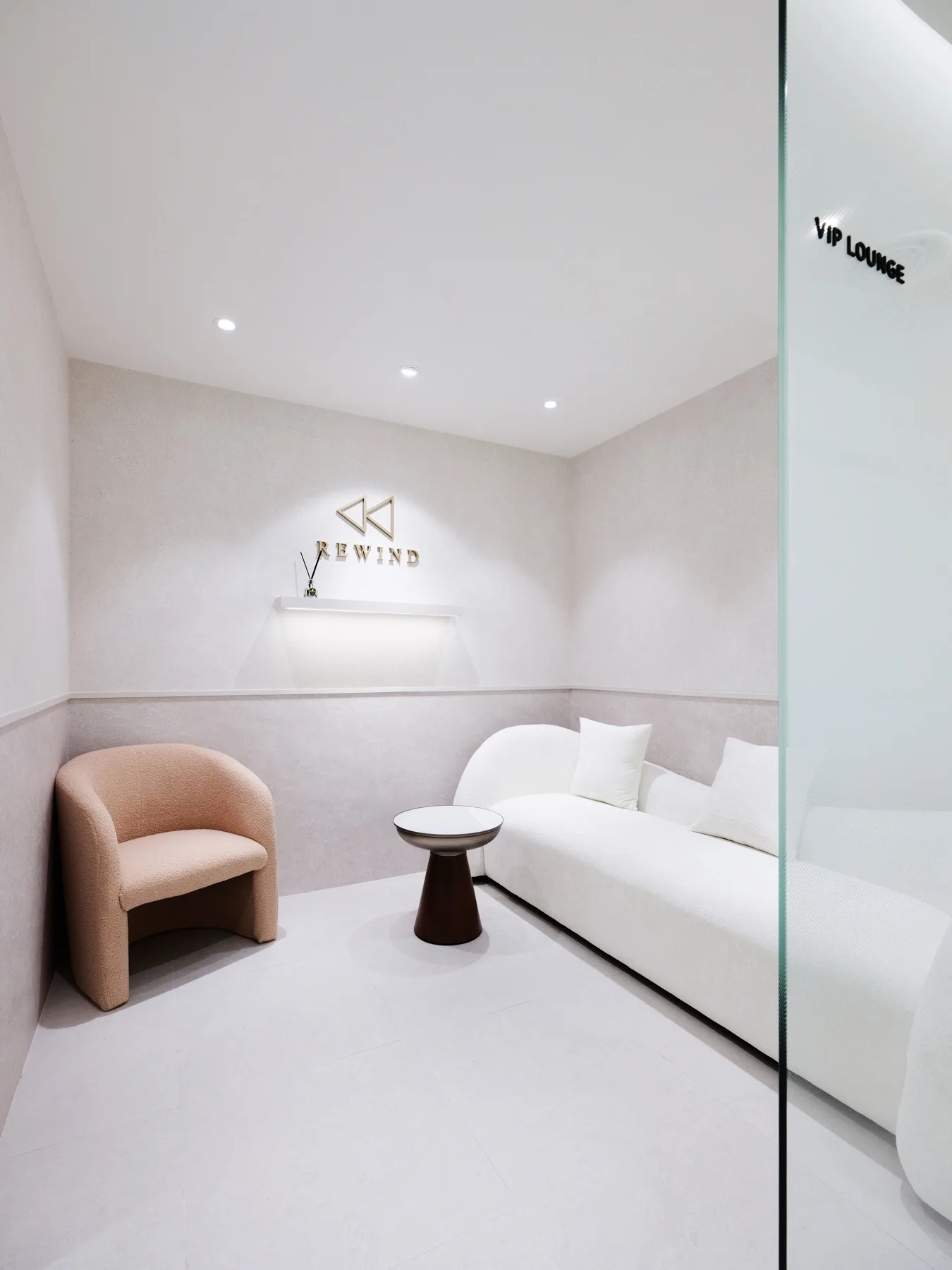
Fig. 05 — Waiting room on the treatment floor
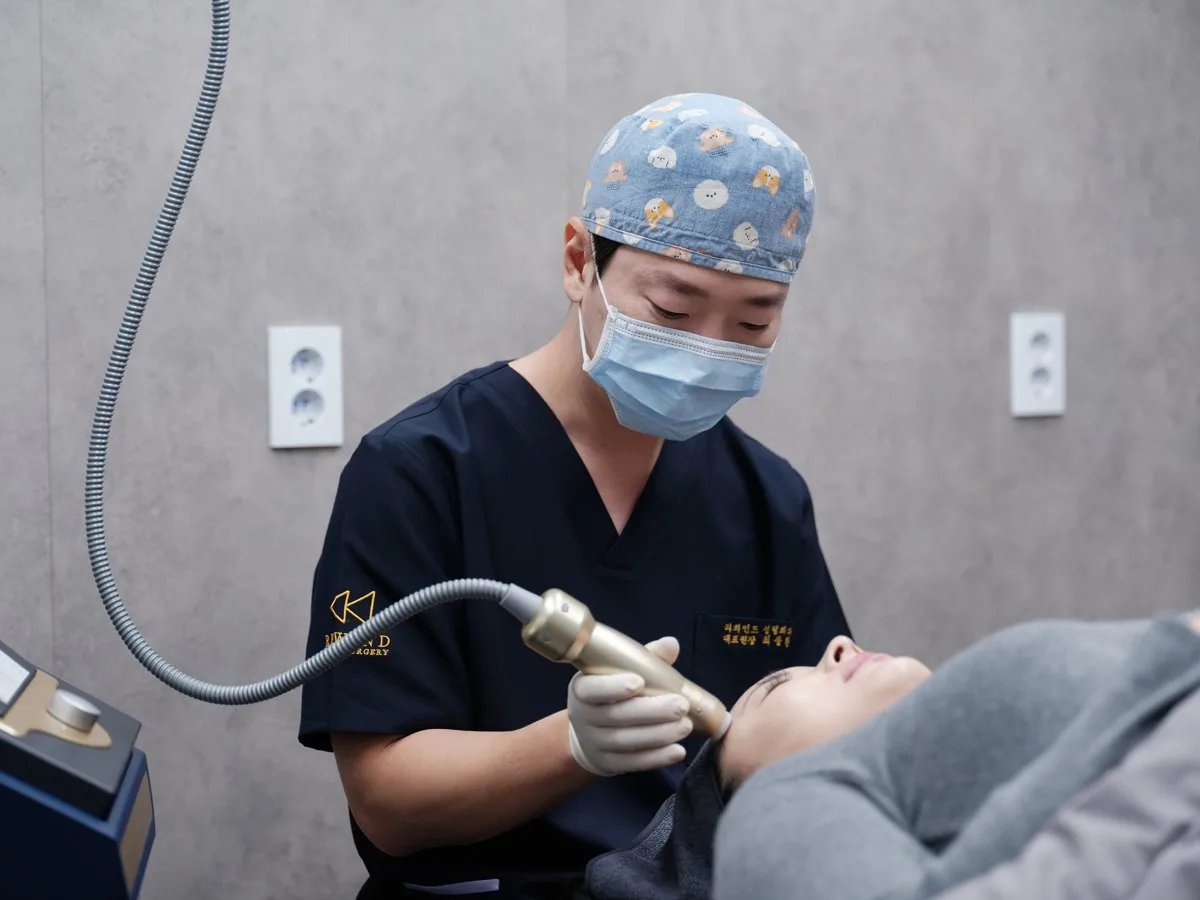
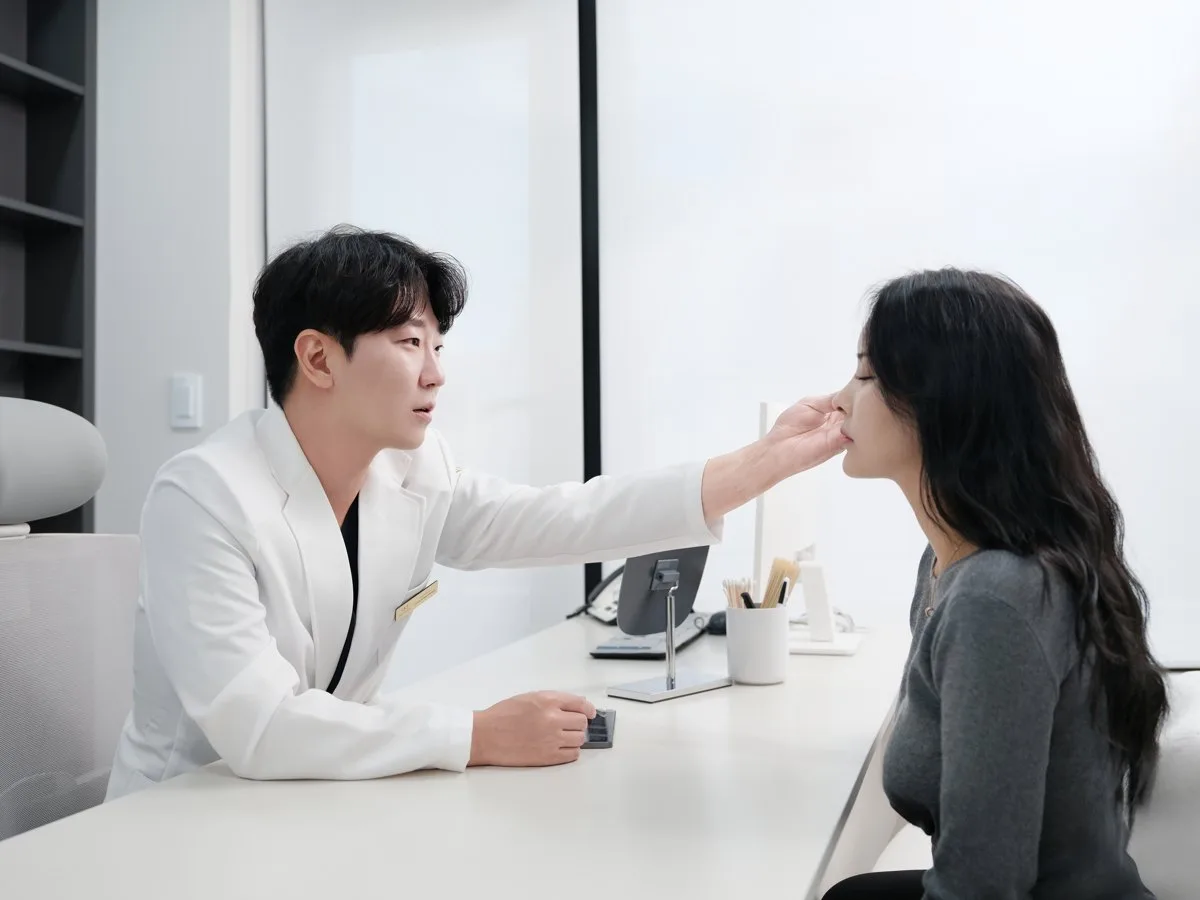
Each melasma visit starts by comparing the patches with the previous record under the same clinic lighting, so that slow change is not missed. Makeup is removed, eye protection goes on, and low-energy passes are made across the affected zones on the Pico K. Most patients feel light, rapid tapping and some warmth, and the skin is usually pink afterwards.
The clinic occupies the fourth and fifth floors of the Richro Building in Gangnam, Seoul, and sees patients by appointment on Monday, Tuesday, Wednesday and Friday from 10:00 to 19:00 and on Saturday from 10:00 to 16:00. Numbing arrangements and visit length are decided in the room and are not listed on this page.
Pricing
Melasma is treated with standard toning sessions, so the first line below is the one a melasma plan is built from. The fractional line is included for completeness; it is aimed at texture and scarring.
A melasma course total is the session rate multiplied by the visits agreed after examination, plus VAT. Because relapse is common, ask at consultation how occasional maintenance visits would be charged, so the longer-term cost is visible from the start.
Both rates are list prices with VAT added at payment, and both include numbing preparation.
Suitability
Between visits
The four points on Rewind's laser aftercare sheet matter more for melasma than for most pigment, because heat and ultraviolet light are among its triggers.
Reactions worth naming are redness, mild swelling, temporary darkening of melasma after irritation, and mottled pale spots after repeated sessions, which case reports describe as scattered white marks inside the melasma patch. A new pale area, a patch that grows darker, or discomfort lasting beyond the day should be reported to the clinic before the next visit.
At Rewind, one board-certified plastic surgeon carries every case — from the first consultation to the final follow-up. Because a face is a story, and a story deserves a single author.
Rewind,
Rewind's Doctor
Dr. Jonghwan Choi Medical Director
One surgeon, from the first
consultation to the last follow-up.
A board-certified plastic surgeon devoted to anti-aging lifting — with the precision and restraint built through years of craniofacial practice.
Google Reviews
"Sample review card — at launch this section pulls the clinic's real Google reviews automatically, shown verbatim with the reviewer's initial and posting date."
"Sample review card — reviews are never written or edited by the clinic; only what patients posted on Google appears here."
"Sample review card — a 'See all reviews on Google' link takes visitors to the clinic's Business Profile."
Questions
Reservation
Tell us what you are considering — we reply within one business day, in your language.
Scientific evidence
Read together, these five papers show both sides of laser treatment for melasma: measurable lightening, frequent recurrence after a year, a biopsy study of what changes in the treated skin, and two reports on the pale mottling that repeated sessions can cause. Every one of them examined Q-switched lasers at low fluence, the method picosecond toning adapts. None was conducted at Rewind Plastic Surgery, and none describes what your own melasma will do.